




Home
Headline News

Q&A: Paul Van Den Biesen
Paul van den Biesen joined The European Fine Art Foundation (TEFAF) in March of 2020, just 10 days before the Maastricht edition was interrupted by the pandemic. . Read Full Article.

Pre-Columbian Gold, Native Artifacts Dazzle At Heritage
DALLAS — Heritage Auctions’ first of two annual Ethnographic Art Signature auctions took place on June 13 and presented more than 500 lots, . Read Full Article.
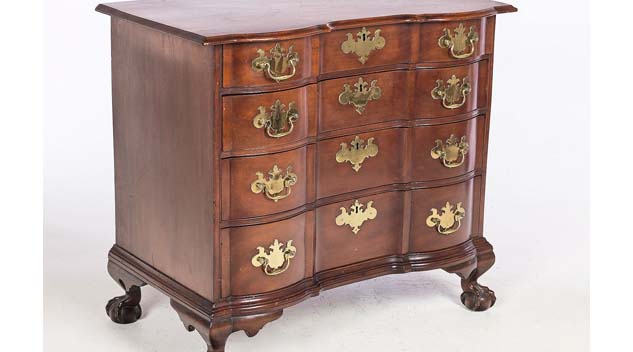
Everard Proves Estates Are The Place To Be
SAVANNAH, GA. — After two days and 1,096 lots, Everard Auctions & Appraisals’ June Southern Estates and Collections auction came to a cl. Read Full Article.

Chinese Antiques Command Attention At Eldred’s
HANOVER, MASS. — Eldred’s two-day Asian art auction on June 12-13 saw 436 lots of Asian art, jewelry, decorative arts, rugs, furniture, clothing and weaponry . Read Full Article.
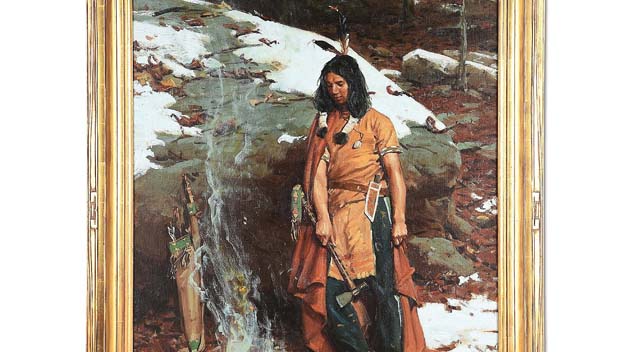
Old West Auction Lassoes $1 Million Finish For Morphy
SANTA FE, N.M. — On the opening day of the 35th annual Old West Show in historic Santa Fe, Morphy Auctions conducted its Old West Auction, a 4. Read Full Article.
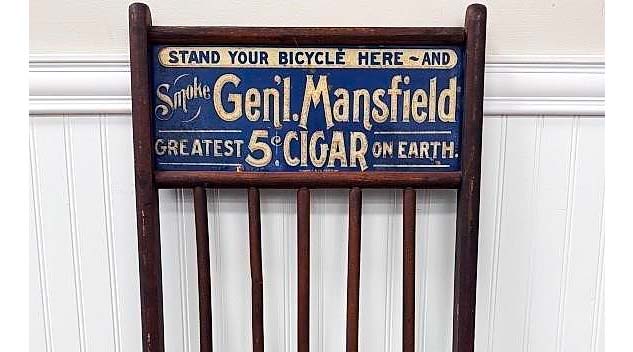
Blanchard’s Mixed Bag Boasts Fine Furniture & Advertisement
POTSDAM, N.Y. — One June 15, Blanchard’s Auction Service conducted a 721-lot antique auction featuring an advertising collection, country an. Read Full Article.

Local & National Artists Feel The Love At Bakker
PROVINCETOWN, MASS. — Bakker Auctions conducted its Spring Live Online Auction on June 7. Over 300 bidders signed on to participate in the sma. Read Full Article.
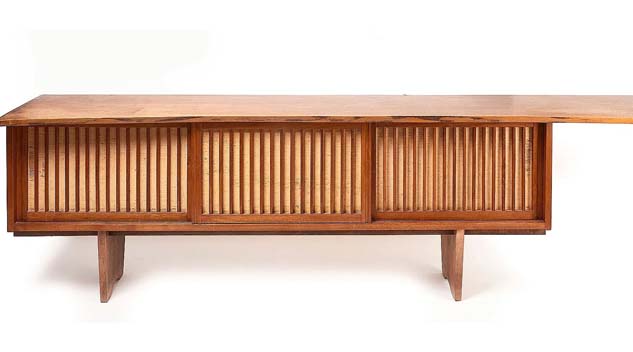
Across The Block
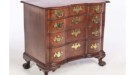
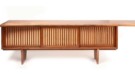
A George Nakashima Rochlis case made for Robert L. Hart topped auctions nationwide this week, selling for $60,000 at New England Auctions. Another piece of furnit. Read Full Article.






Read Our Current Issues Online
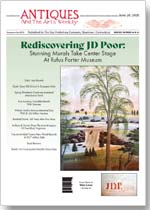
- July 11, 2025
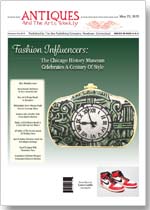
- June 20, 2025
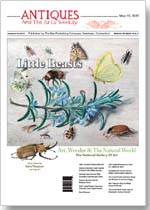
- May 30, 2025
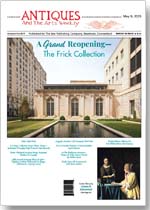
- May 9, 2025






Featured Articles
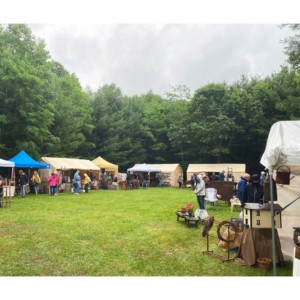
BROOKFIELD, MASS. — The Walker Homestead has hosted more than three centuries of events and is celebrating 15 years of biannual Antiques & Primitive Goods shows....
July 2, 2025
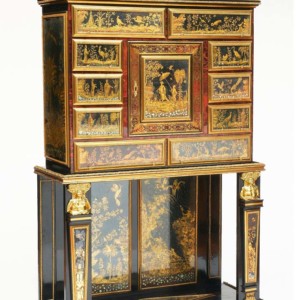
HUDSON, N.Y. — Representing more than three decades of “thoughtful collecting, a passion for interior design and a lifelong pursuit of beauty and self-expression,” Stair Galleries conduced a thr...
July 2, 2025

BOONTON, N.J. — “It was a great sale; we’re very pleased,” Mark and Michael Millea shared with Antiques and The Arts Weekly in a post-auction conference call. “Day three was especially stron...
July 2, 2025
Special Sections
- The Gallery - Spring 2025
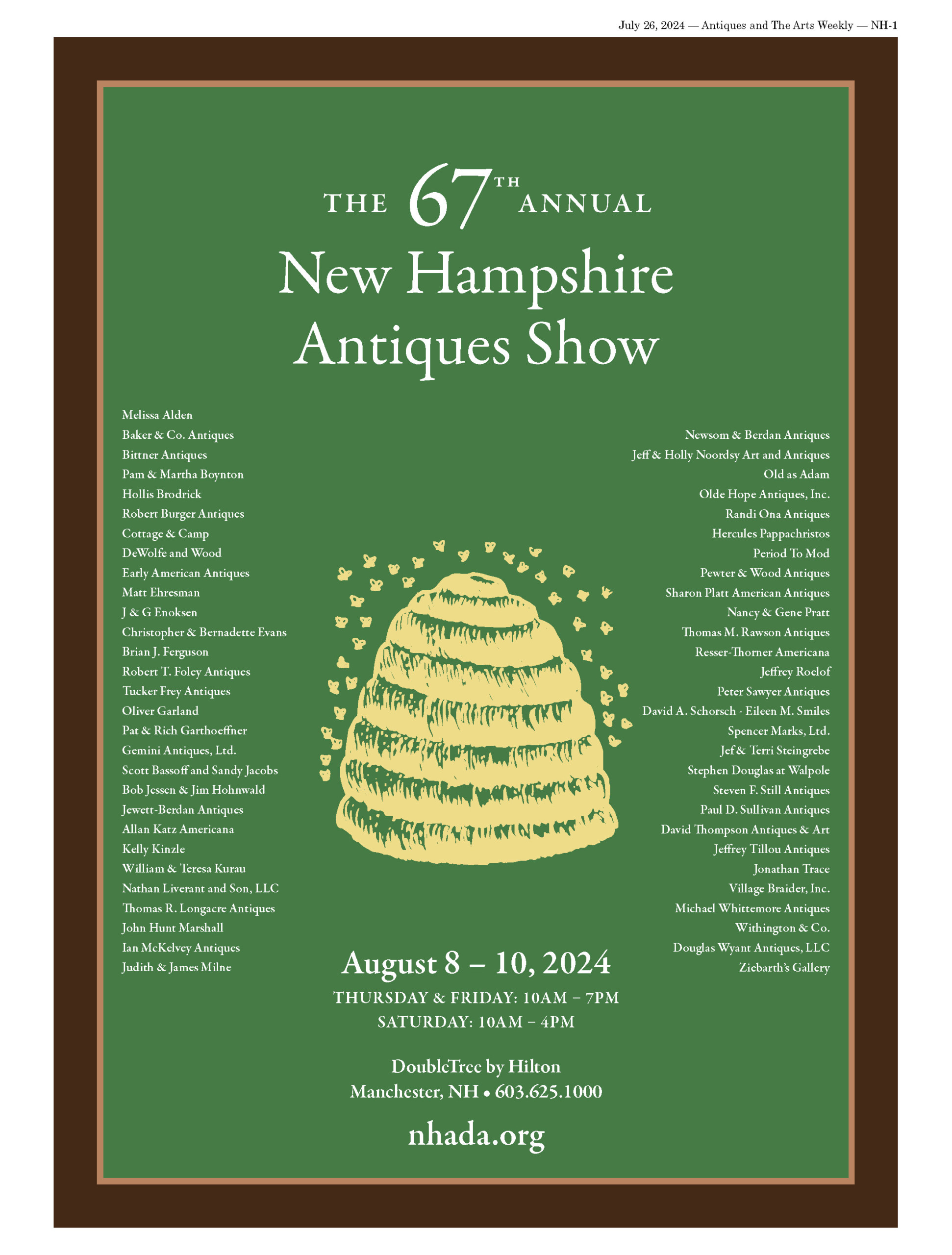
- Antiques In Manchester 2024
- The Gallery - Fall 2023






Antiques and The Arts Weekly is the nation’s leading weekly publication on the antiques and the arts trade, and is available both in print and online.
Each issue average between 100-200 pages and includes reporting on auctions, antiques shows and the arts while providing a platform for both buying and selling.
We have been providing breaking news and important information on the world of antiques and the arts since Publisher R. Scudder Smith started Antiques and The Arts Weekly back in 1963.