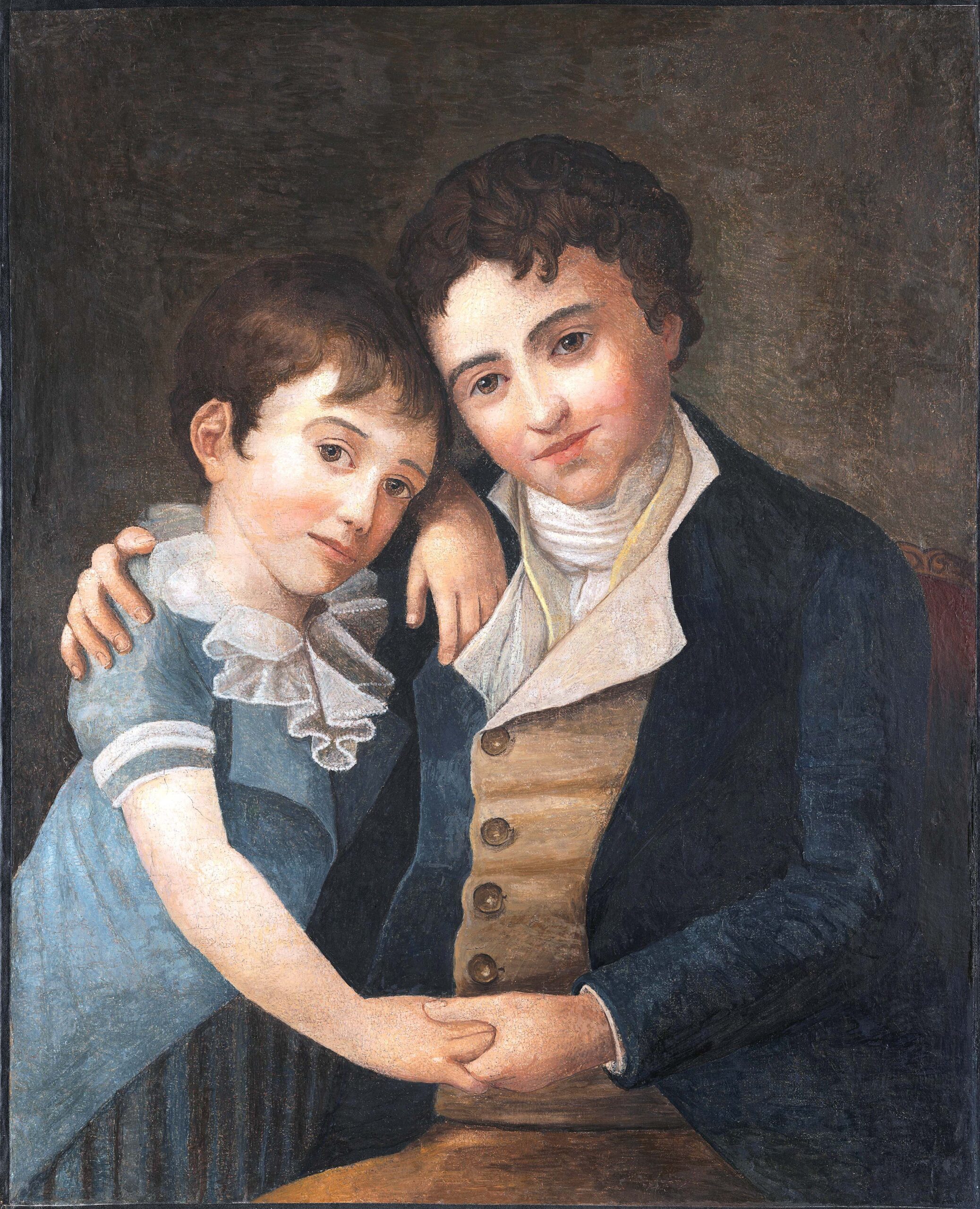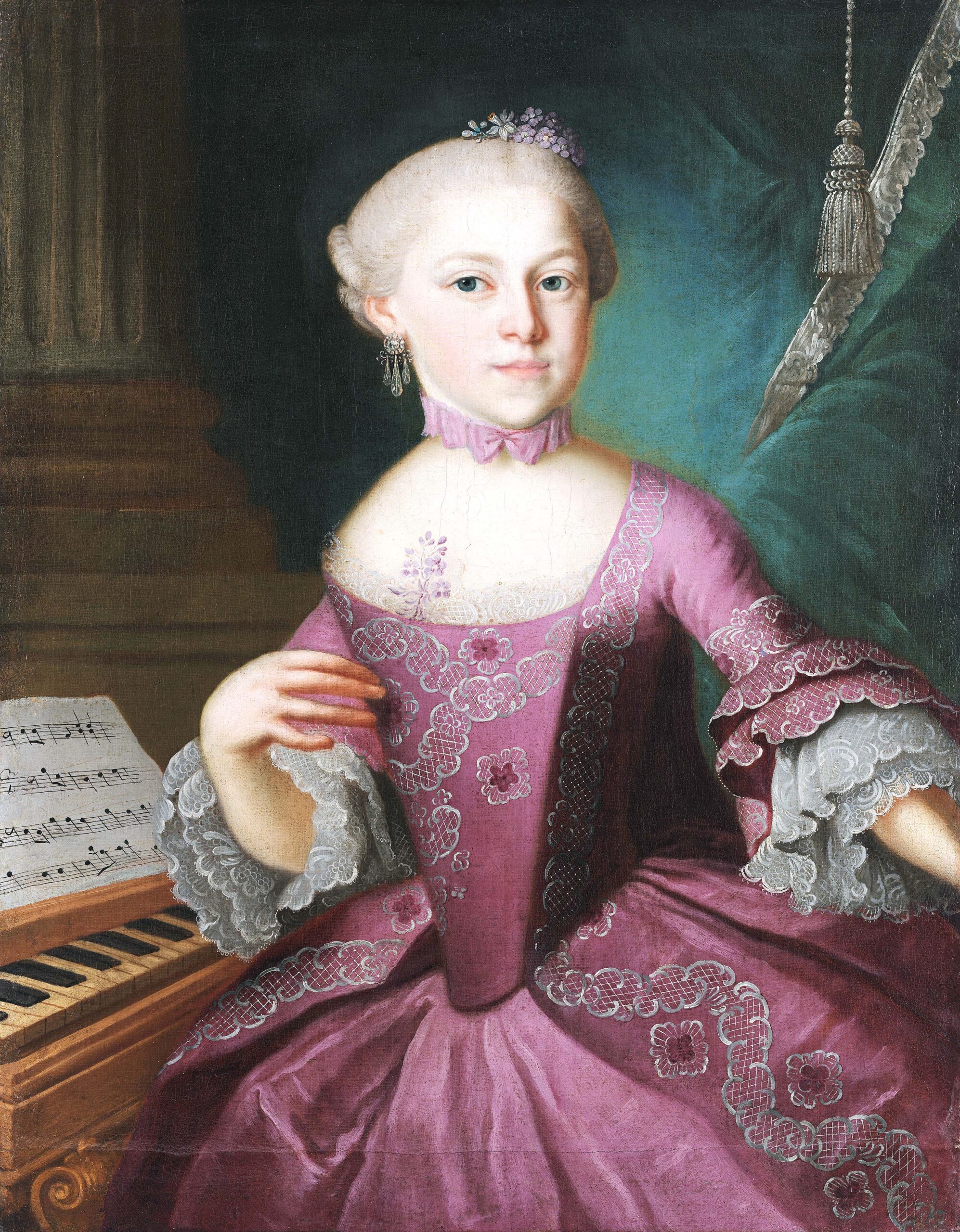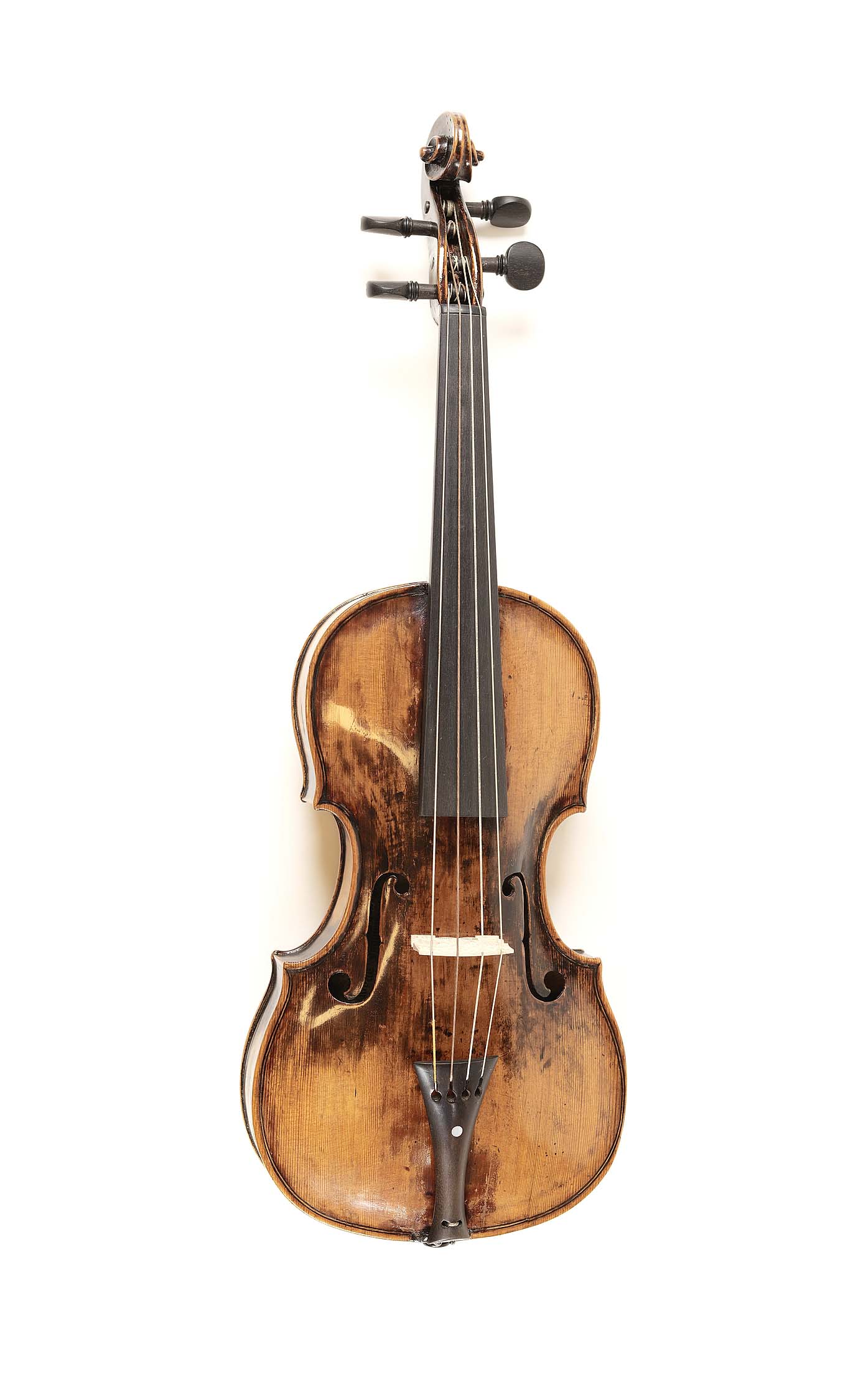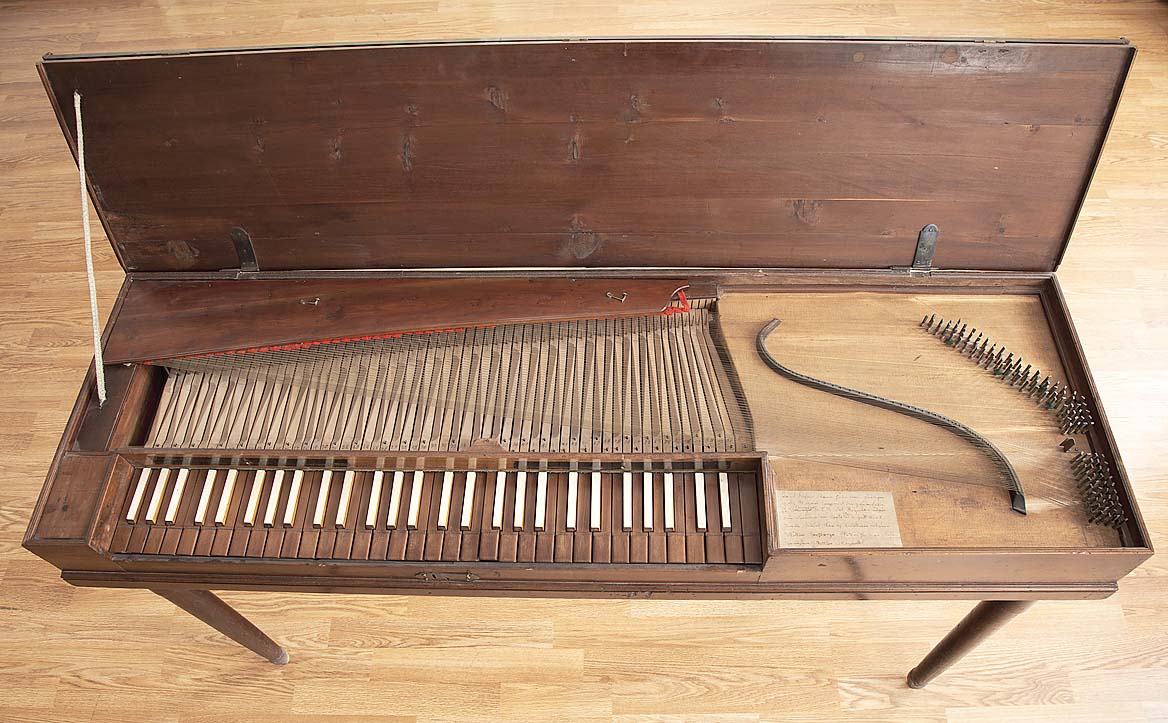
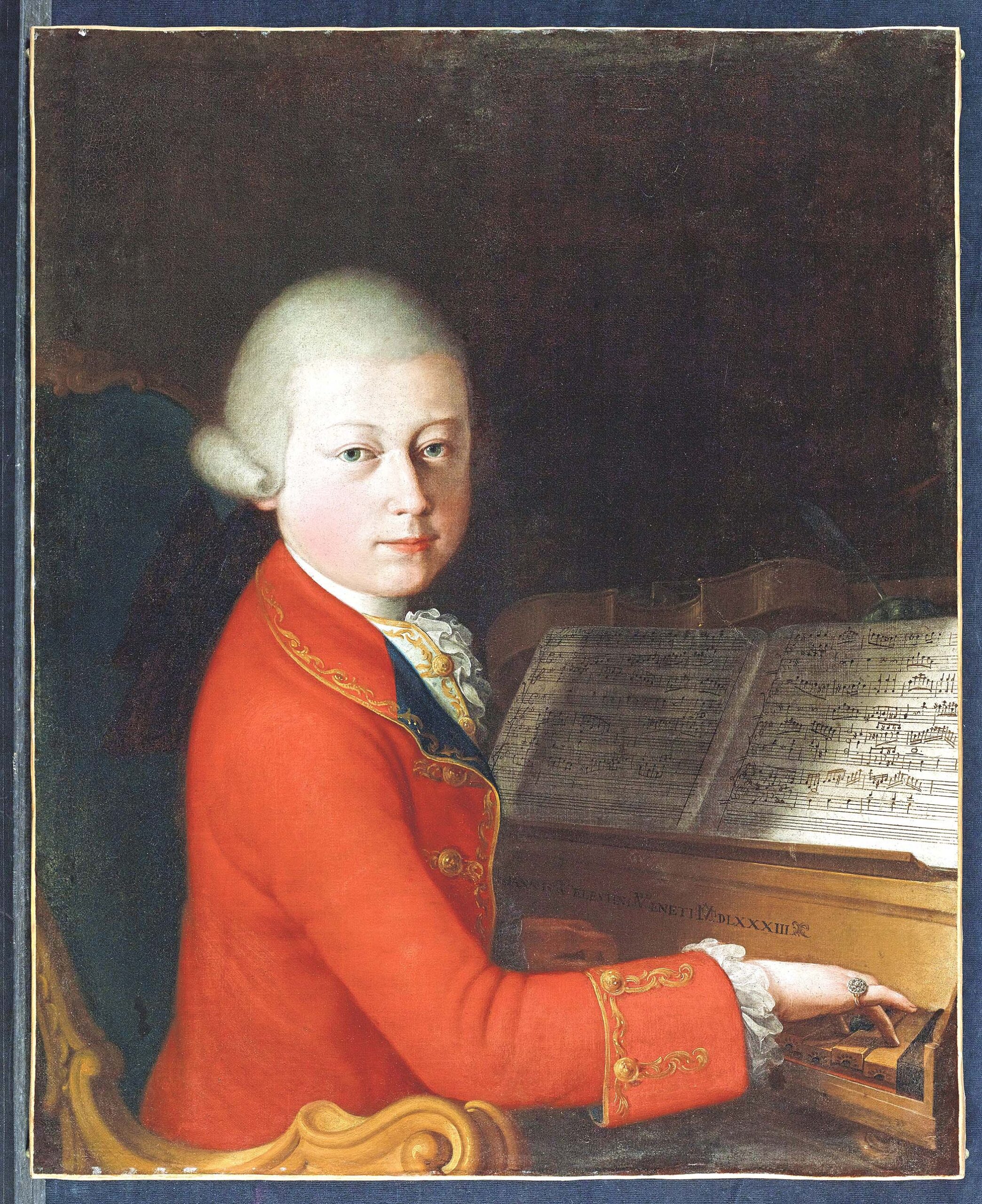
“Mozart in Verona [1770],” attributed to Giambettino Cignaroli (1706-1770), oil on canvas. On loan to the Mozarteum from a private collection. International Mozarteum Foundation, Salzburg.
By James D. Balestrieri
NEW YORK CITY — Writing about the arts is harder than it looks (as is just about everything). In the plastic arts, you can write about color, shape, shadow and so on, but then you have to make the leap from form to feeling and from feeling to meaning. Then, when you find yourself resorting to words like “calm” or “tremendous” you realize — or should — that you are only conveying your perceptions without actually communicating much of anything useful to the reader.
Music is even harder. You can speak of chords, keys and measures in a song or symphony, but you run into trouble sooner even than when describing a painting or sculpture. The problem is that you are describing one language in terms of another. Not English in terms of Italian; at least there you have common categories — parts of speech, grammar, usage, etc. No. To write about music is to fall short before you start. It’s the same with mathematics or any equation- and formula-based science.
Then there’s Mozart, and the difficulties multiply because even as he and his art sit at the summit of classical music, they are also inextricably entwined in popular culture, all the more so since Peter Shaffer’s 1979 smash hit play Amadeus and the subsequent Oscar-winning film. Mozart’s melodies have scored countless films, cartoons and commercials. My children and millions of others learned about Mozart from the cartoon Little Einsteins, and the Baby Mozart juggernaut convinced us that playing Mozart and other classical compositions for our toddlers would make them into little Einsteins.
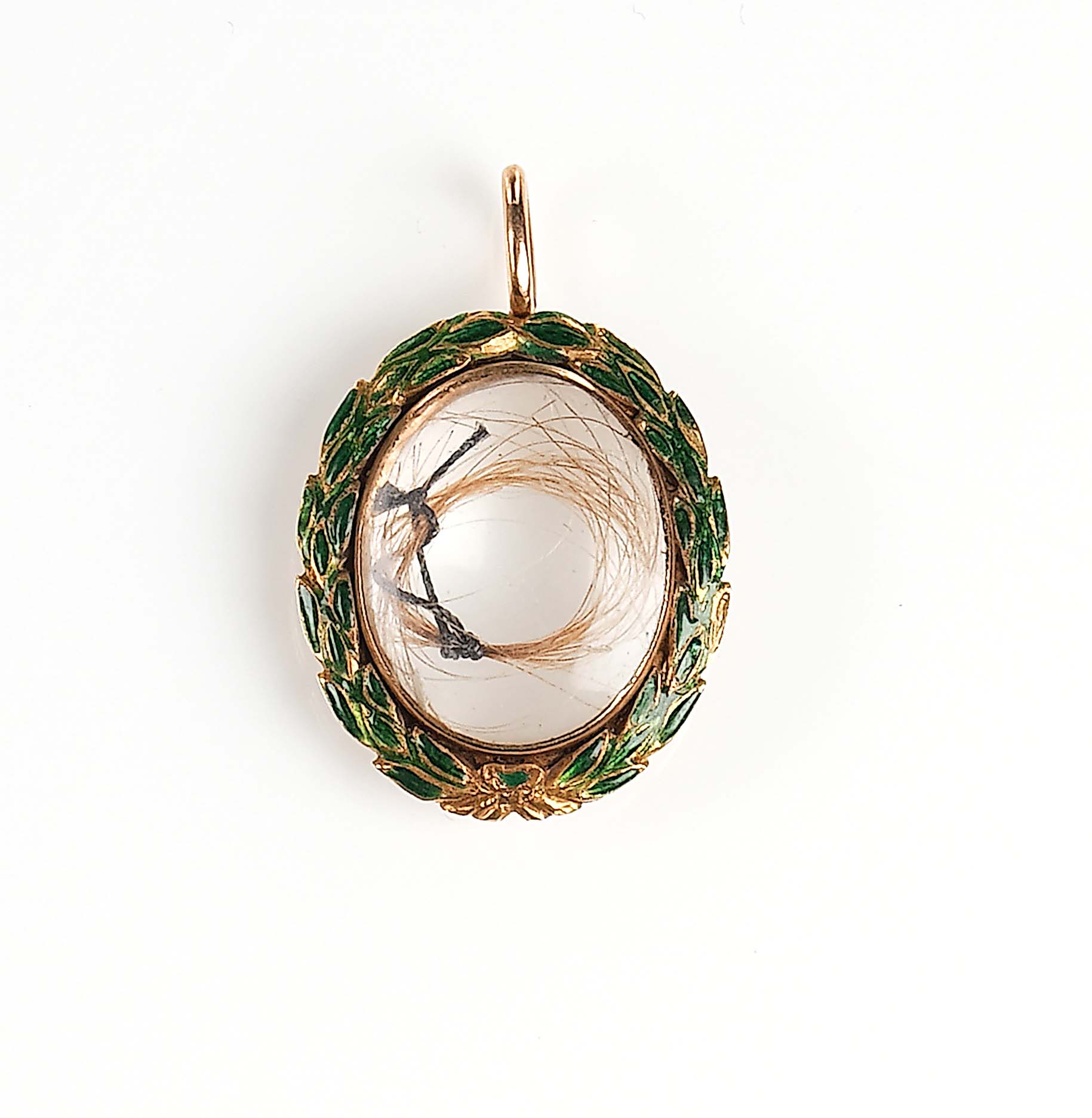
Pendant with medallion encasing the hair of Wolfgang Amadeus Mozart and Ludwig van Beethoven (1770-1827), Vienna, mid Nineteenth Century, enamel, glass and gold with hair.International Mozarteum Foundation Salzburg, Mozart Museums.
“Wolfgang Amadeus Mozart: Treasures from the Mozarteum Foundation of Salzburg,” on view at the Morgan Library and Museum in New York City through May 31, presents a comprehensive view of the man, his family life and the indelible music he composed over his brief and often difficult 35 years of life.
Wolfgang Amadeus Mozart (1756-1791), child prodigy, a story we all know — or think we do — is where the exhibition begins.
Born in 1756 in Salzburg, Austria, Mozart’s father, Leopold, was a prominent court composer and musician. Mozart’s mother, Anna Maria, apparently, did not, play an instrument nor compose music, but she did accompany the family, including Wolfgang’s older sister, Maria Anna (nicknamed “Nannerl”) — a keyboard virtuoso in her own right — on various tours around Europe. A constant stream of musicians and composers visited and stayed at the Mozart home.
In short, Wolfgang grew up surrounded by music (maybe there’s something to that Baby Mozart business after all) and began to imitate his father and sister almost as soon he could walk.
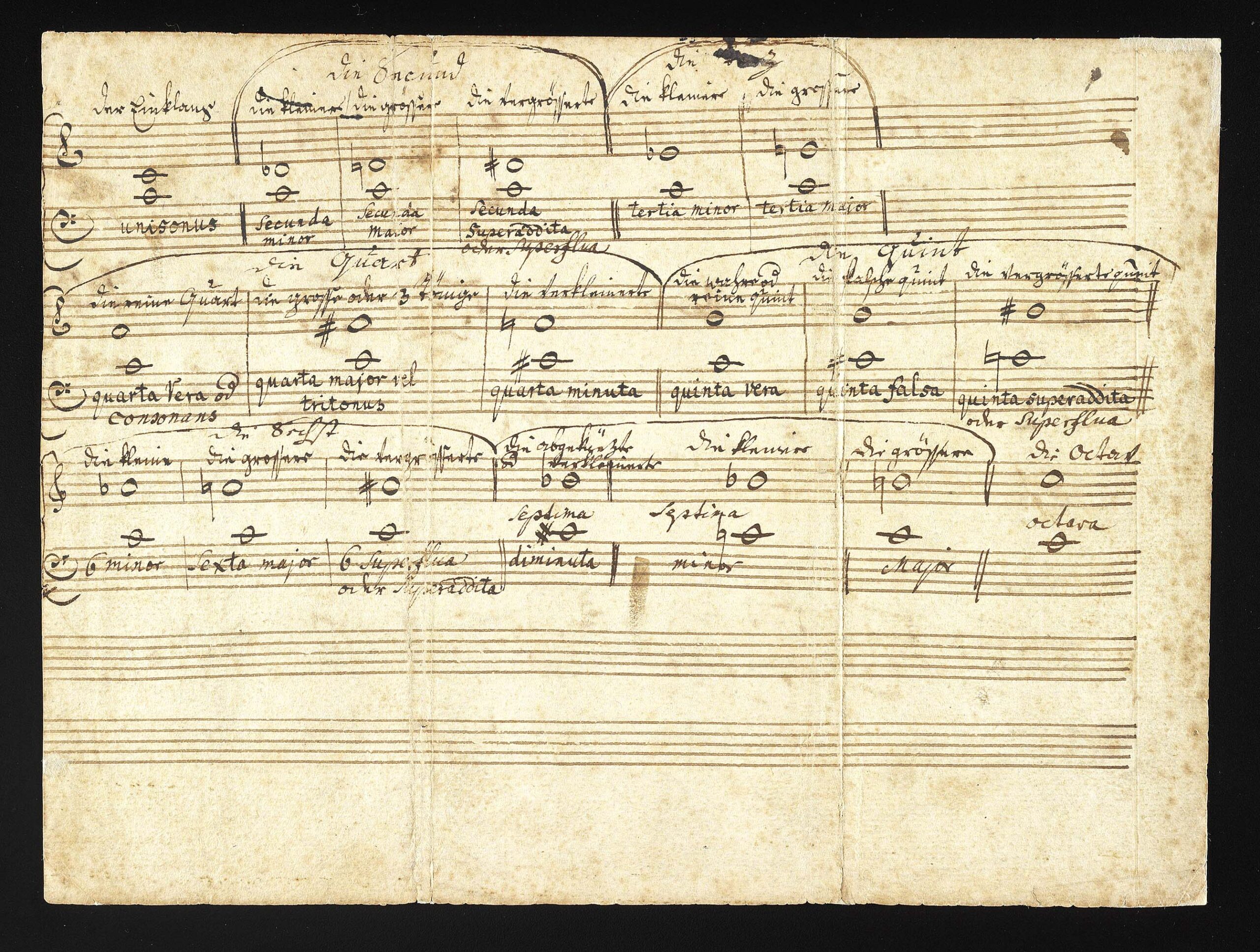
Wolfgang Amadeus Mozart’s earliest compositions, K.1a-1d, manuscript in the hand of Leopold Mozart: “Andante in C,” between February and April 1761; “Allegro in C,” between February and April 1761; “Allegro in F,” December 11, 1761; and “Minuet in F,” December 16, 1761. The Morgan Library & Museum, Mary Flagler Cary Music Collection. Photography by Anthony Troncale.
One of the many highlights in the exhibition is the manuscript of Mozart’s earliest works — brief pieces, an andante, two allegros and a minuet composed when he was five and transcribed in Nannerl’s notebook by his father. No more than 20 to 30 seconds long, the pieces, all dances of a kind, offer the first glimpses into Wolfgang’s nascent genius. Without wanting to project the legacy and legend of Mozart back onto the boy, while listening to these relatively simple pieces, each has something — and here is where language fails — a lightness of spirit that seems more than merely youthful. It is as if he has snatched the essence of what it means to be five years old, dancing through and around the adult world with wary wonder. The best musical term I can come up with is “con brio,” meaning “with liveliness and vigor.”
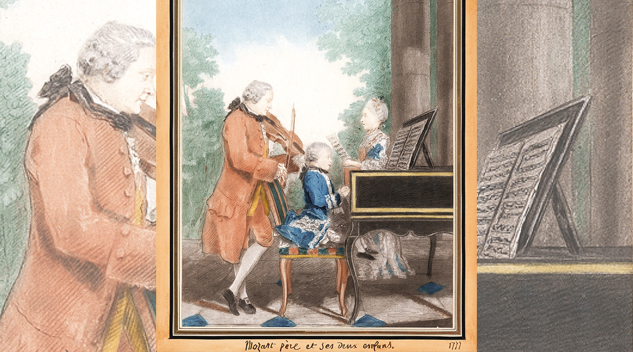
As visual accompaniment to Mozart’s musical juvenilia, Jean-Baptiste Delafosse’s 1777 copperplate engraving, after an original watercolor by Louis Carrogis de Carmontelle, “The Mozart Family, Paris, 1764” shows a nine-year old Wolfgang at the keyboard while his father plays the violin and his sister sings. The music absorbs them, but the image seems to indicate that father and sister are following Wolfgang’s lead. What is perhaps most interesting is the background: classical columns at right, a suggestion of an arch across the top and a pastoral scene featuring green trees and a blue sky in the background. It’s ideal, Arcadian and classical — a scene, perhaps, that young Wolfgang’s music has brought to mind, into being.
It wasn’t long before Leopold retired from composing and devoted himself to his son’s talent. They went on tour together, at first with Nannerl, then just the two of them. Everywhere they went, Wolfgang’s artistry was met with awe and accolades. Elusive, however, then and throughout most of Wolfgang’s life was the court appointment that would ensure steady money.
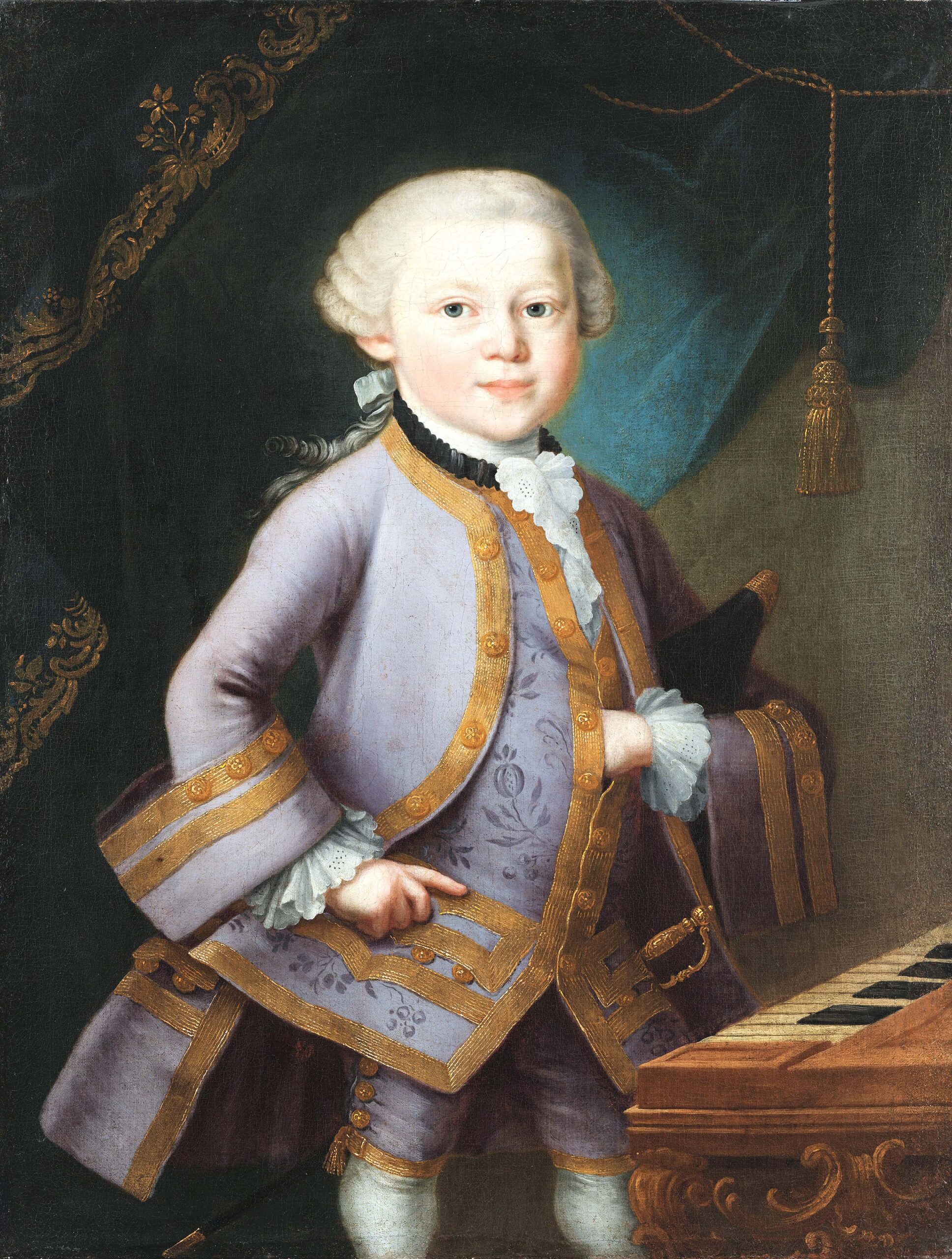
Mozart in Courtly Attire by Pietro Antonio Lorenzoni (1721-1782), Salzburg, 1763, oil on canvas. International Mozarteum Foundation Salzburg, Mozart Museums.
And so Wolfgang traveled and played and composed, his works growing ever stronger as he absorbed the tenor — the zeitgeist, if you will — and music of his times, his elders and his forebears. Indeed, Mozart’s experience, and the exhibition, pose a direct challenge to the romantic notion of the misunderstood artist who suffers and dies young and alone.
He met Czech composer Josef Mysliveček and Italian master Giovanni Battista Martini in Rome. In London, he met Johann Christian Bach. He competed at the keyboard with Muzio Clementi in Vienna. He encountered the music of J.S. Bach and George Frideric Handel in manuscript form and began to incorporate baroque forms of counterpoint in his own works. He met Franz Joseph Haydn, the other composer who, along, with Mozart, made the greatest contributions to the classical forms we know best: the symphony, concerto and the many varieties of chamber music. Near the end of his life, Mozart met librettist Lorenzo Da Ponte. Together, they created three of the most celebrated and performed operas of all time: The Marriage of Figaro, Don Giovanni and Così fan tutte.
In fact, by all accounts, Mozart was a joyous person, one who loved dancing, practical jokes and scatological humor. His marriage to Constanze Weber was happy, if frequently strained by money woes. And, contrary to the portrayal in Amadeus, Antonio Salieri was, yes, a rival, but not at all the dastardly villain in Mozart’s life. What is important, and what remains, is that, through all his wanderings, through frequent brushes with poverty and illness, Mozart wrote some 41 symphonies; concerti for nearly every instrument, including 27 for the piano alone; 23 operas; 17 masses; diverse sacred music; and hundreds of songs, divertimenti, sonatas, trios, quartets and on and on. That we have so much of Mozart’s work is likewise a testament to the respect of his contemporaries and those who came after him, like Beethoven, who heard Mozart play but did not, apparently, get to meet him on account of Mozart’s sudden illness and death in 1791.
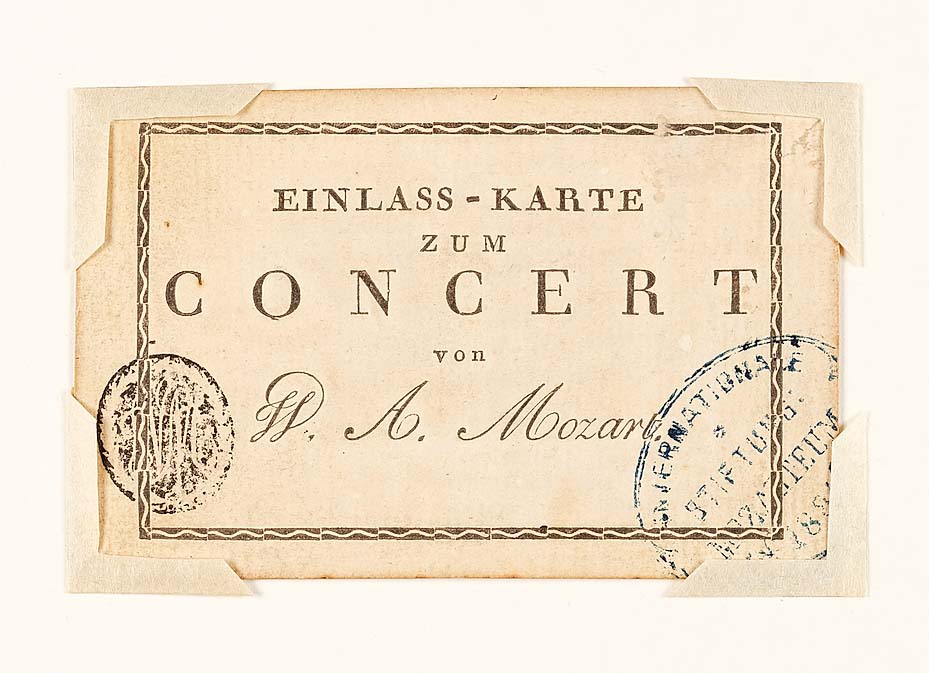
Admission ticket to a concert by Wolfgang Amadeus Mozart, Vienna, after 1782. International Mozarteum Foundation Salzburg, Mozart Museums.
Mozart’s autograph manuscript, from late 1785-early 1786 for “Non so più cosa son, cosa faccio,” a key aria from act one of The Marriage of Figaro is yet another key object in the Morgan exhibition. From its source in Pierre-Augustin Caron de Beaumarchais’ revolutionary (and often banned) 1778 comic play about class conflict, to da Ponte’s lyrical libretto and in the hands of Mozart, who had fully matured as a composer, this aria, sung by a soprano in the trouser role of the lovelorn Cherubino, is at once comic and tender as the Count’s page confesses his love for the very idea of love, even love for his mistress, the Countess. Mozart’s music oscillates from breathless staccato to a poetic swell as the lines in translation read, “I do not know anymore what I am, what I do, / One moment I’m on fire, the next moment I am cold as ice, / Every woman changes my color, / Every woman makes me tremble,” revealing Cherubino’s awareness that his love is a force outside of his control, and that it has overstepped the rigid boundaries between servant and aristocrat in Eighteenth Century Europe.
Mozart is so much a part of Western culture, of the world’s culture, that it’s possible we don’t always pay attention to his music. It’s formative, background and foreground, everywhere. As I write this, I hear the aria “Don Giovanni, a Cenar Teco” from Mozart’s opera Don Giovanni in the 2011 film Sherlock Holmes: A Game of Shadows. As Robert Downey, Jr,’s Holmes races against and loses to his arch nemesis, Moriarty, the statue of the Commendatore in Mozart’s opera comes to life to condemn the womanizing Don. Films as diverse as Alien, The Shawshank Redemption and Trading Places feature Mozart’s music. One could go on, but you get the idea. Mozart not only endures; he thrives.
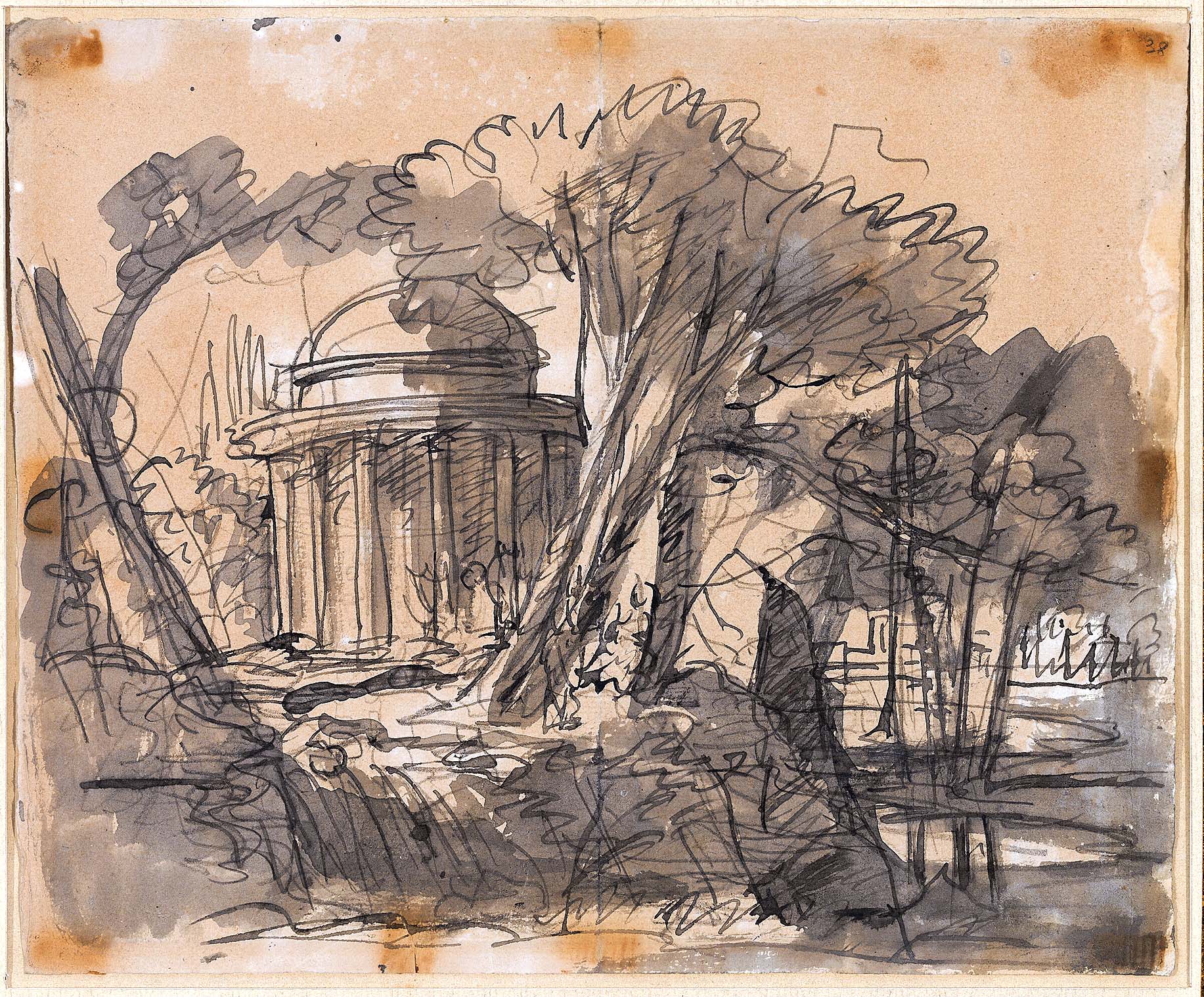
Josef Gail’s (1755-1830) set design for act 2, scene 4, in the original production of Die Zauberflöte (The Magic Flute K. 620), Vienna, 1791, graphite and ink on paper. Christopher J. Salmon Collection, New York, formerly in the Mayr-Fajt Collection of XVII and XIX Century Stage Designs.
Painted circa 1789 by Johann Joseph Lange (1751-1831), an artist of note who became Mozart’s brother-in-law when he married Constanze, the unfinished portrait of Wolfgang Amadeus Mozart is particularly poignant. Perhaps left unfinished because of Mozart’s untimely death, the unpainted space at the bottom, sketched in only, seems to symbolize all that the great composer wasn’t able to accomplish. Yet, in his last year of life, he did get a permanent post, was able to pay his debts and was composing at breakneck speed, sadly leaving the sublime “Requiem in D minor” unfinished at his death. But the vitality in the Lange’s profile is evident. Mozart’s head is down, at the keyboard, perhaps, or jotting down a measure, or both. His eyes are fixed, but, like his mouth, they seem on the verge of a smile. He is earnest, satisfied, content. As we, too, should be when we think not of what Mozart could have achieved, but what he did. Words might fail us, but Mozart’s music never will.
The Morgan Library & Museum is at 225 Madison Avenue. For information, www.themorgan.org or 212-685-0008.