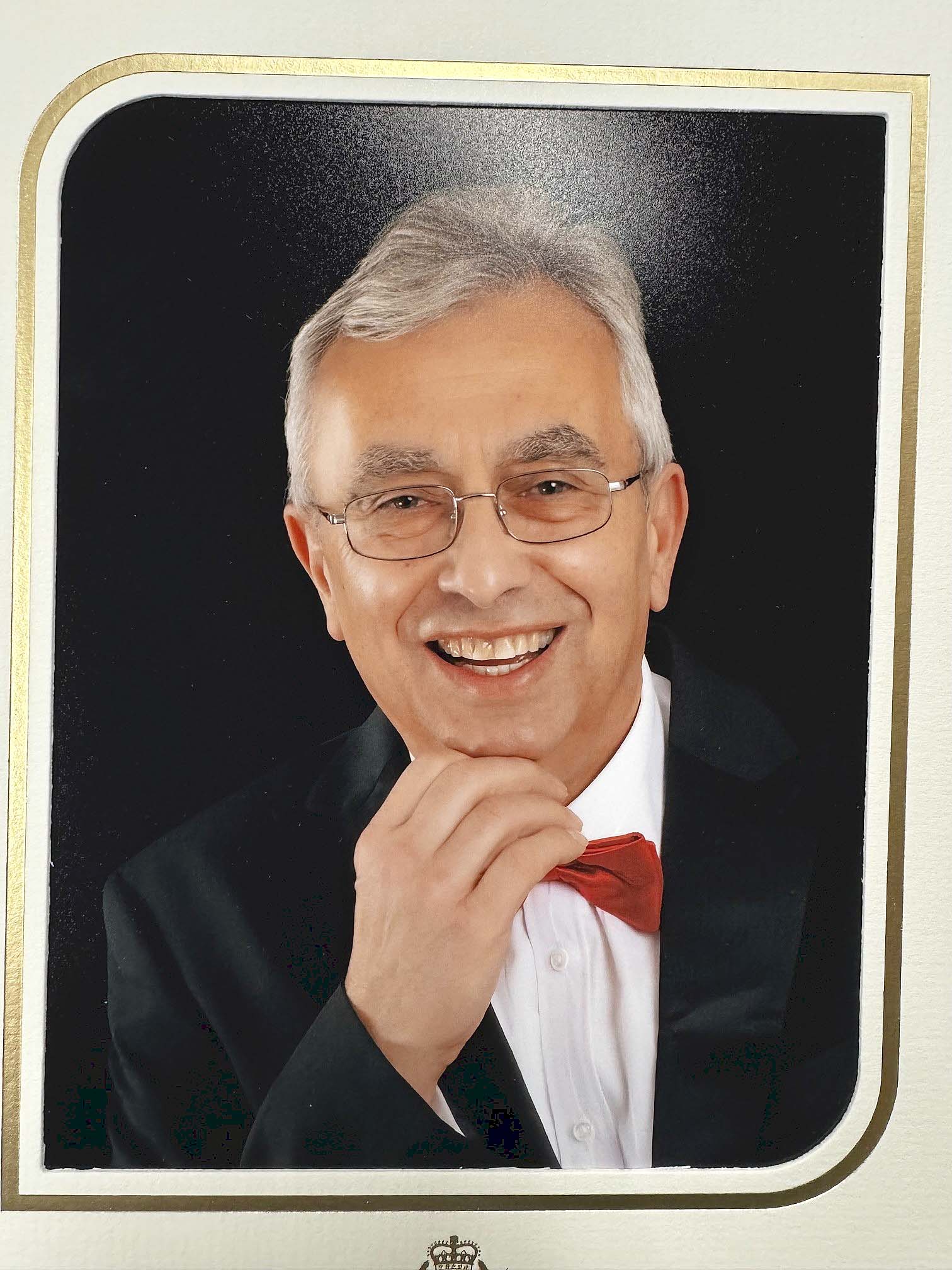
Bernard J. “Bernie” Brzostek started out in the antiques business in 1963, selling antiques and collectibles for Second Time Around Shoppe in Phoenix, N.Y., where he was part-owner with his father. He segued into auctions, and as president and principal auctioneer at Brzostek’s Auction Service in Upstate New York, he has conducted more than 8,700 auctions in 53 years, with his life and business partner, Wendy, at his side. Working 80 to 100 hours a week for 53 years takes a toll, and he is now ready for retirement. He and Wendy, his high school sweetheart (they just celebrated their 52nd anniversary), are moving down South to live close to one of their four daughters. The office is being packed up, and the last auction, featuring the office equipment, trucks and tents, is December 1. We reached out to learn more about his life and career.
You grew up with a mindset for hard work early on. How did that lead you to auctioneering?
Well, we were farmers, and I had my own fruit stand back when I was a kid. I actually drove a tractor when I was seven years old, but I wouldn’t put my nine-year-old grandson on a tractor today, you know? But we just did things; everybody was poor back then in the 60s. My father made, what?, $5 an hour as a union carpenter, so he bought old houses, remodeled them and we either rented them or sold them.
We had bought this old house on the south side of Syracuse, up on the hill, from a guy that was a hoarder. We called in the local auctioneer and he had an auction for us there. Back in the 60s, nothing was worth anything. You could sell a whole house full of stuff for $600. My dad had a heart attack in 1967, so he had to retire from carpentry. We made concrete lawn ornaments. We then built the antiques shop, and we started going to auctions and buying things. I went to auctioneering school at the Reisch Worldwide College of Auctioneering in 1973. In June of that year, I think we had 119 people in our class that year. It cost all of $225 for room and board for two weeks to go to auctioneering school. Can you believe it?
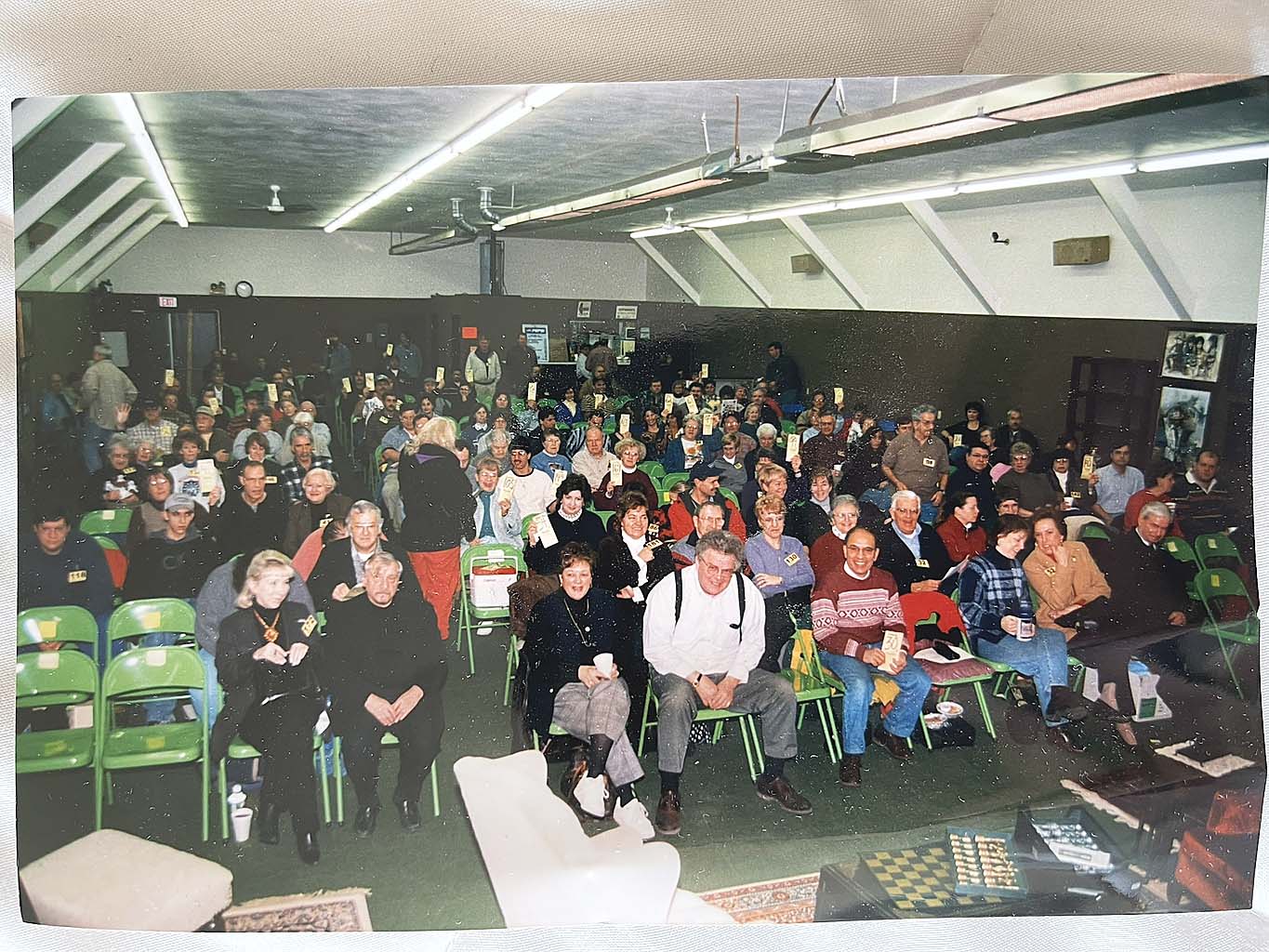
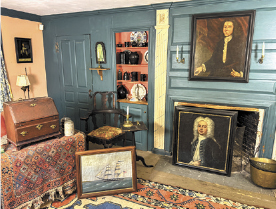
Before the internet, auctions routinely had big in-person attendance and crowded auction galleries. This Brzostek’s auction was probably 30 years ago.
What were your early auctions like?
One of the first auctions I did was while working out of the antiques shop in Phoenix. We went to New Jersey to do a hardware store for my brother-in-law. We had a big auction there in Point Pleasant, N.J., probably in the summer of 1974, just before we got married. My dad actually drove us out there and we had a big auction for him. I probably sold 5,000 lock sets there all at one time.
My dad passed away in 1976 and I didn’t have anybody to watch the antiques shop anymore because I was going out on calls.
In 1978, we built our first auction building. We had seating for about 400 people. And we had a back display room. In 1980, we built two-story living quarters there, where we had offices downstairs, and storage downstairs at first while we lived upstairs, as there was an apartment there. My sister-in-law, Mary, who does the ads, she actually lived there after they got married.
We added on a west wing so that we could have two auctions at a time, because during the 70s and 80s, there was a lot of things coming onto the market from the old-timers and the Depression babies. Some of them were passing away and they had big collections of things so a lot of things came on the market. We did Grace Wright’s estate once upon a time from Oswego, N.Y. — I think it was like 20 truckloads of stuff that came out of there. And we built an auto facility around 1986 where we did repossessions for banks and had public auto auctions. The first and third Monday of the month at 7 pm, we would sell 40 to 60 cars in an evening, all the while we were doing antiques auctions.
What were your antiques auctions like?
We had big antique auctions on New Year’s Day. They started out as one-day auctions and then we went to two days and to three days. And some years we did four days of antique auctions for New Year’s, which was a big turnout. We used to get 400 to 600 people there for the live auctions because the antiques business was booming at the time.
We continued to do that through 2015, but then we had a little discrepancy — I won’t even get into that; we’ll just say it was a family dispute. So, we moved into the plaza in Baldwinsville, N.Y., where we have a smaller gallery now. We went from 18,000 square feet to 2,400 square feet. And of course, we did real estate. I’ve done real estate since 1986. That worked hand-in-hand with selling antiques and furnishings, where we could go in and we would be like Sears, before they went bankrupt.
We would be able to sell their house and all of their furnishings in one day or two days or 15 days. I’ve done 15-day auctions out of a 1,300-square-foot house. Can you imagine? I used to do 30 auctions every month.
We’re just a common person’s auctioneer, an everyday person’s auctioneer. We sell their house and their stuff. Years ago, I would tell people, the average house only had $5,000 worth of stuff in it so if we charge them 20 percent, we make $1,000. We went from ten percent on the buyer’s premium to 15 percent to cover the expense of the credit cards.
We just traveled everywhere trying to help as many people as we can.
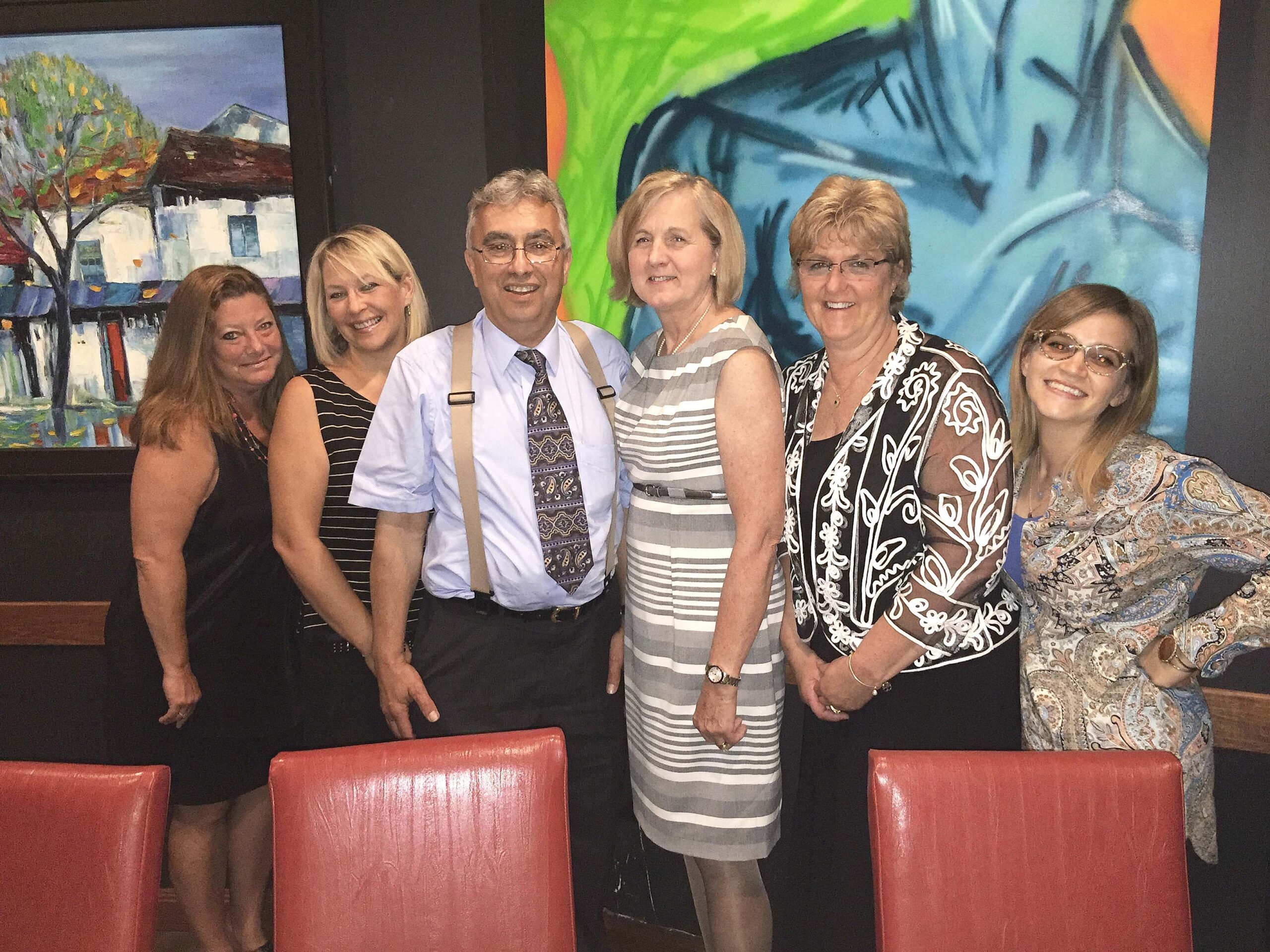
Attending a benefit dinner in the mid 2010s, Bernie was photographed with some staffers at Brzostek’s (from left): Amiee Bush, Theresa Milea, Wendy Brzostek, Mary House and Shania Brooks.
What is one of the most expensive things you ever sold?
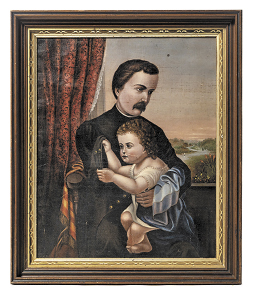
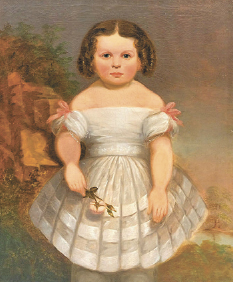
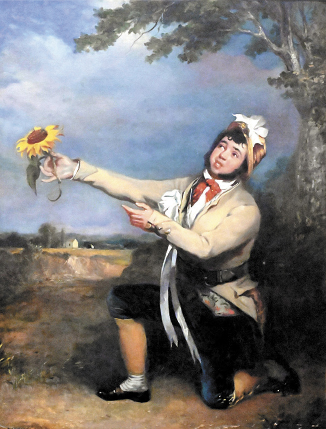
It was in our first auction. A few years before we built our auction facility, I had bought a painting from a lady in Skaneateles, N.Y., which really every other dealer in town had looked at. It was a primitive portrait of a little boy standing with a dog. The lady was having little sale and calling in dealers. I remember she told me that the local guy in town had a chance to buy it, but he’d let it sit there. I bought it in around 1976 or had it for a year or two — I paid $1,000 for it. I had sent a picture off to Christie’s and Sotheby’s at the time, and they didn’t seem to have much interest in that. So we advertised it in The Newtown Bee, and a dealer from Washington, DC, saw the ad. Supposedly it was of little William Seward when he was a small boy done by Susan Waters, the itinerant artist. She had done paintings throughout central New York. I sold it for $19,500.
What is one major change you noticed in the business?
Ebay came along and it was a double-edged sword. They made things worth something and they made other things worthless at the same time. Before with live auctions going on and no internet — although I think had our first website about 1995 — everything was real, you never saw it before because you had limited scope even though we went all over New York State doing auctions. We just traveled everywhere trying to help as many people as we can.
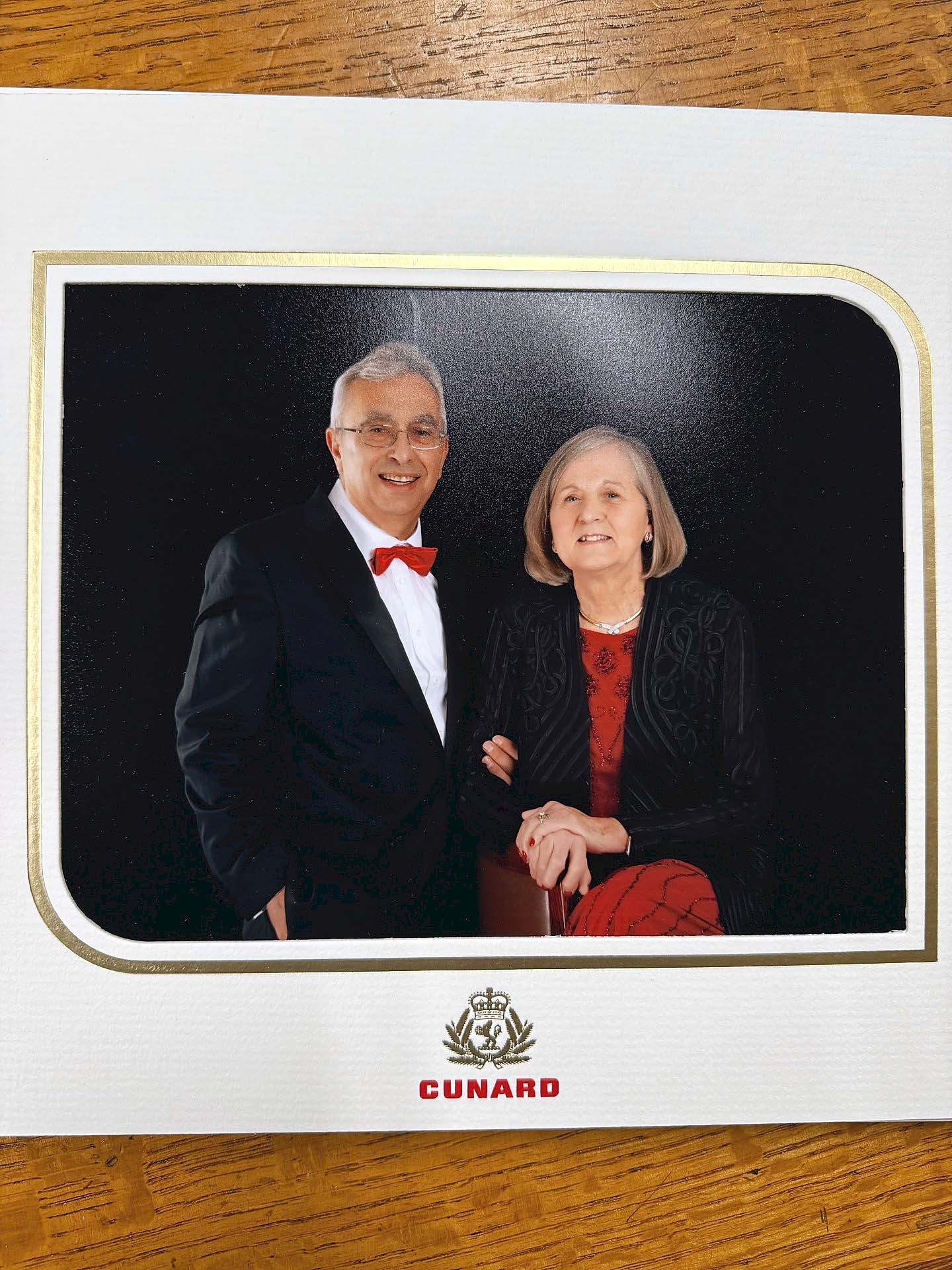
Bernie and Wendy Brzostek have been married for 52 years and have worked together for even longer.
Why is now the time for retirement?
I just turned 73. My wife will be… I won’t tell you her age, but I’m one month older than her. Thank God for my wife. She did the work of 100 men, but can’t do that anymore. She just got her hip replaced in September. She’s doing great after that; she’s not in pain anymore. So it’s a good time for us to retire. We traveled everywhere and tried to help out as many people as we can. We’re moving down to Murrells Inlet, S.C. We bought a townhouse right around the corner from our youngest daughter. And then we’ll only be like four hours away from our two younger grandchildren. We have older grandchildren that are 17 to 20. We didn’t get to see the older ones grow up too much because we were always busy doing an auction. We basically did an auction every other day for 53 years and the days we didn’t have an auction, we worked on getting the auction ready. We are down to our last few.
I always told people at auctions I’m not retiring until everybody’s been liquidated, but I guess I lied.
—Andrea Valluzzo