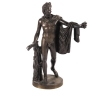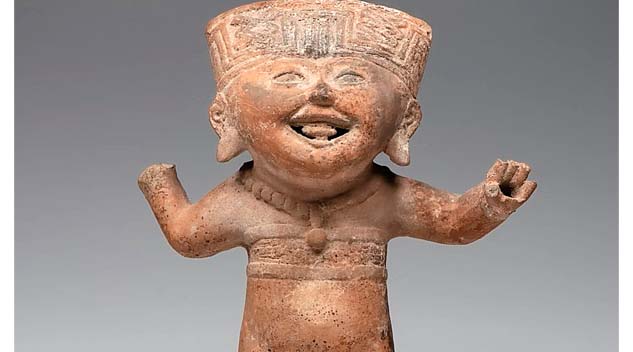
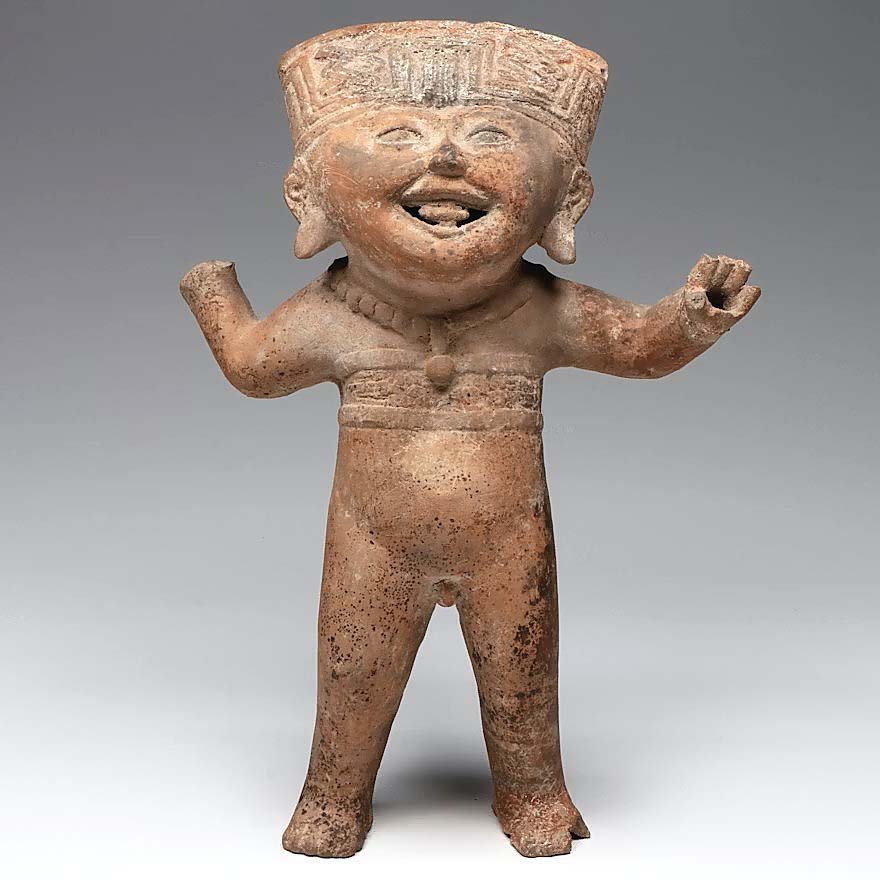
The top lot was this Veracruz Late Classic Period standing male figure, Seventh to Ninth Century, that sold for $3,500.
Review by Andrea Valluzzo
CINCINNATI — Everything But The House bills itself as the marketplace for the uncommon, and its February 16-22 auction was all that and more. The sale featured the pre-Columbian art collection of Dr Norman and Ruth Simon, celebrating the arts of the ancient Americas with historically important and elegant objects represented from a variety of cultures in Costa Rica, Mexico, Peru and Ecuador. The collection has been featured in several museums.
The top lot was a Veracruz Late Classic Period standing male figure. From the Seventh to Ninth Century, the figure drew 66 bids and made $3,500. The terracotta model, known as a smiling figure or sonriente, was from the Remojadas culture of Veracruz, Mexico.
Another Veracruz piece from the Late Classic Period was a Seventh to Ninth Century head fragment that sold for $515.
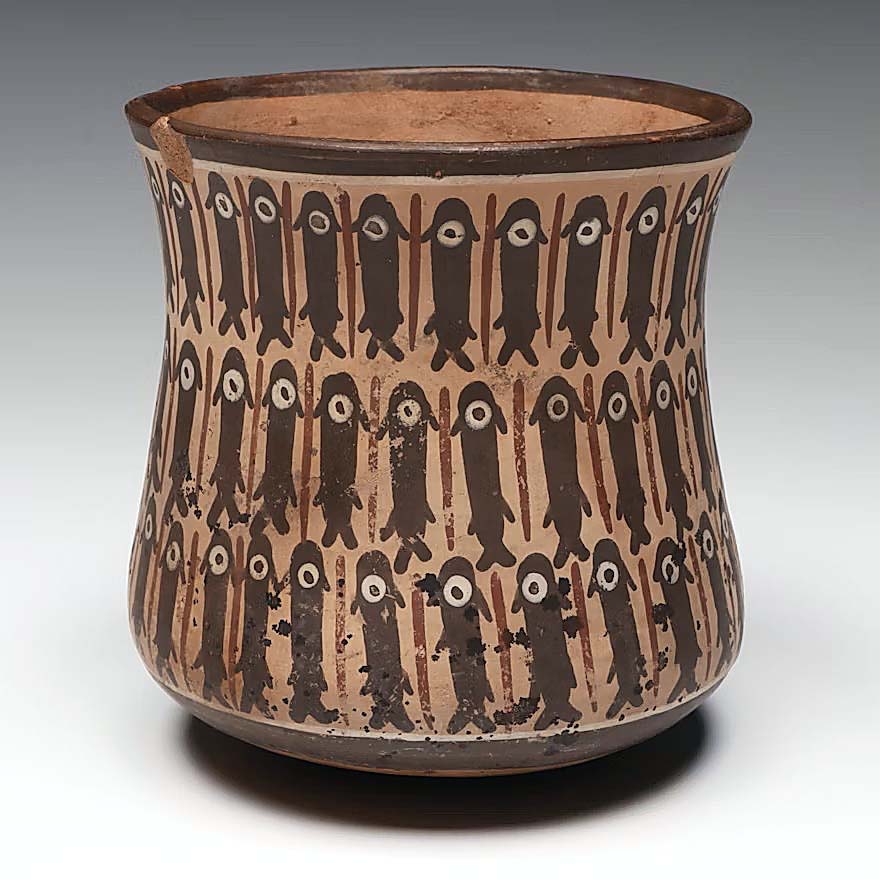
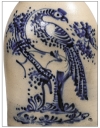
This Nasca polychrome ceramic jar, First to Sixth Century, realized $607.
Ceramics were well represented in the auction, and among the standouts were a Nasca polychrome ceramic jar, First to Sixth Century, that went out at $607. The diminutive jar measured 4 inches all around. The Nasca society inhabited the desert valleys in south coastal Peru, and Nasca ceramics are often noted for their elaborate slip decoration.
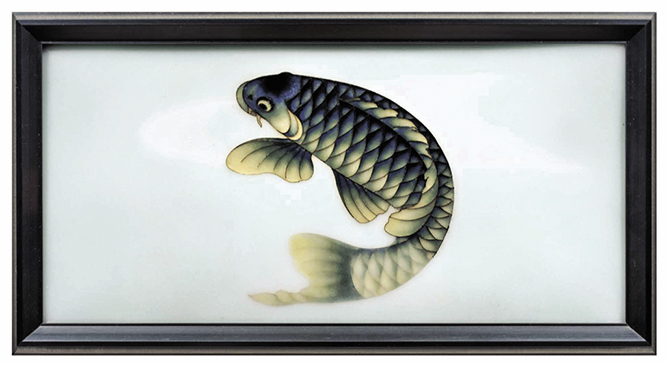
Another example was a polychrome double spout with bridge bottle from the Fourth to Sixth Century. It had incised and slip decoration of fish and sold for $576. The double spout and bridge vessel is one of the oldest forms used in ceramics known in Nasca art.
Figural effigy vessels are always popular, and crossing the block was a Recuay polychrome effigy bottle, Fourth Century BCE to Eighth Century CE, which made $530. The Recuay ceramics traditions differed from those in southern Peru in their use of kaolin clay and a fondness for making three-dimensional forms like this effigy bottle. People, animals, food and sometimes even architecture were frequent subjects and the Recuay people excelled at these modeled forms.
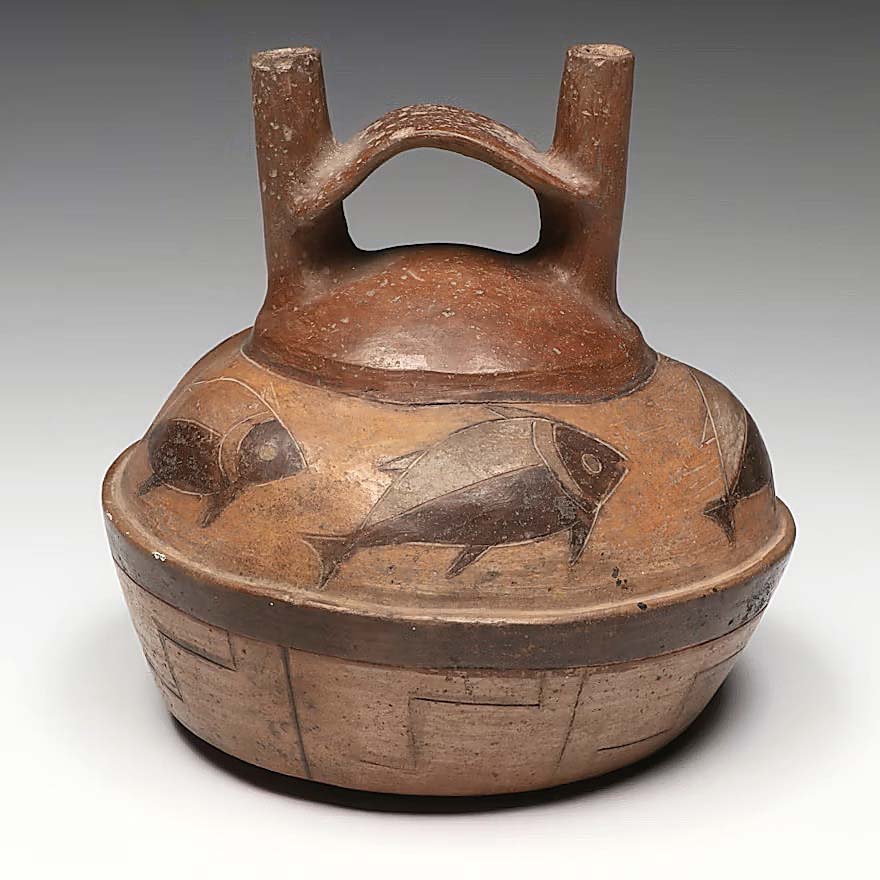
This polychrome double spout with bridge bottle, Nasca, Fourth to Sixth Century, having incised and slip decoration of fish, made $576.
Rounding out the auction were a Chimú blackware jar, Twelfth to early Sixteenth Century at $475, and a Nariño-Carchi stem bowl, Fifth to Sixteenth Century, at $460.
For information, www.ebth.com or 888-862-8750.