Lara Yeager-Crasselt, an American art historian and curator specializing in early modern European art, was named the Aso O. Tavitian Curator of early modern European painting at the Clark Art Institute last December. Formerly a curator and department head of European painting and sculpture at the Baltimore Museum of Art and a curator at the Leiden Collection in New York City, she has curated more than a dozen exhibitions at these and other prominent institutions. We reached out to her to learn more about her latest endeavor.
You were named the Aso O. Tavitian curator of early modern European painting and sculpture almost a year ago. How has the first year gone?
Yes, it’s been nearly a year (I started in December 2025). The first year has gone very well and very quickly. I hit the ground running with preparations for the first presentation of the Tavitian collection in the current exhibition, “An Exquisite Eye: Introducing the Aso O. Tavitian Collection,” which opened in June. It was a terrific way to get to know the collection, as the exhibition includes 150 of the 331 objects in the Tavitian collection.
What attracted you to this role and the collection?
As a scholar of early modern European art, having the chance to work with one of the most distinguished and extraordinary collections of art from this period is thrilling, especially for the opportunity to research and publish the collection, and work on plans for its display in the new Tavitian Wing (set to open in 2028, designed by Selldorf Architects). To present a collection for the first time in a museum context is a once-in-a-lifetime chance for a curator. I was also especially excited about the opportunity to do so at the Clark, where the museum’s dual mission as an art museum and center for research are closely aligned with my priorities as a scholar and curator. The setting and context are so deeply intertwined here and make the experience unlike any other institution. I first worked at the Clark ten years ago and it’s been a special opportunity to return.
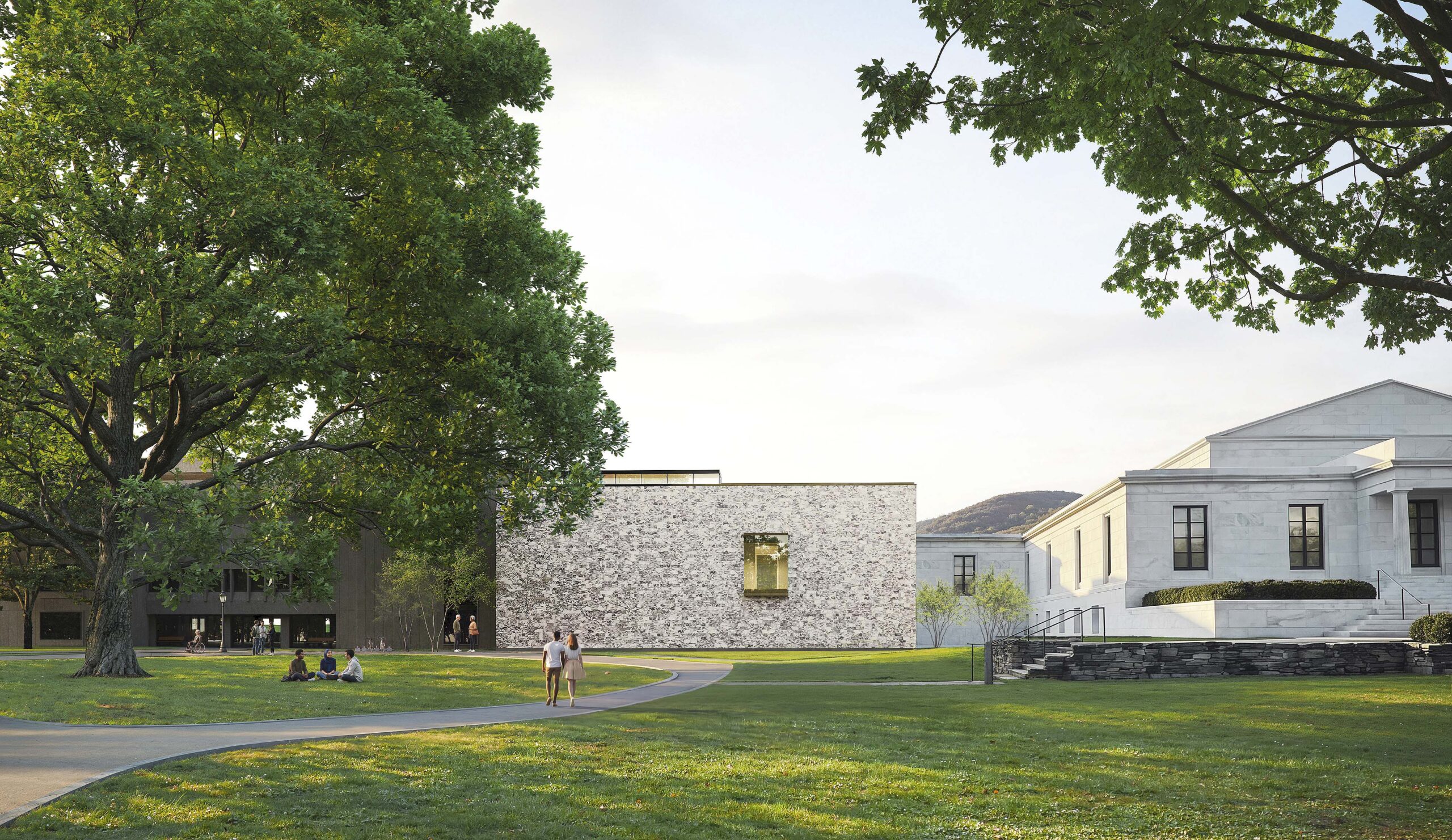
A view of the Clark Art Institute from South Street. Design by Selldorf Architects, rendering credit to Playtime.
What does your work as curator of this collection entail, and what are some of the ways you are planning to share the collection with visitors in the coming years?
With the exhibition currently opened, the focus of my work has shifted to planning for the installation of the new wing and the Tavitian Collection Catalogue. This involves determining the selection of objects that will go on view in the first installation in the new wing, both in terms of the overall plan of the galleries and with smaller groupings and dialogues. I’m thinking about connections in display, visual juxtapositions and the narratives around European art that the collection tells so well. Research on the objects, carefully tracing publication and exhibition histories, provenance or ownership history of the work of art, are some of the main areas of research when cataloguing a new collection. The publication will be accessible to all, and this research will also be shared on our website in the future.
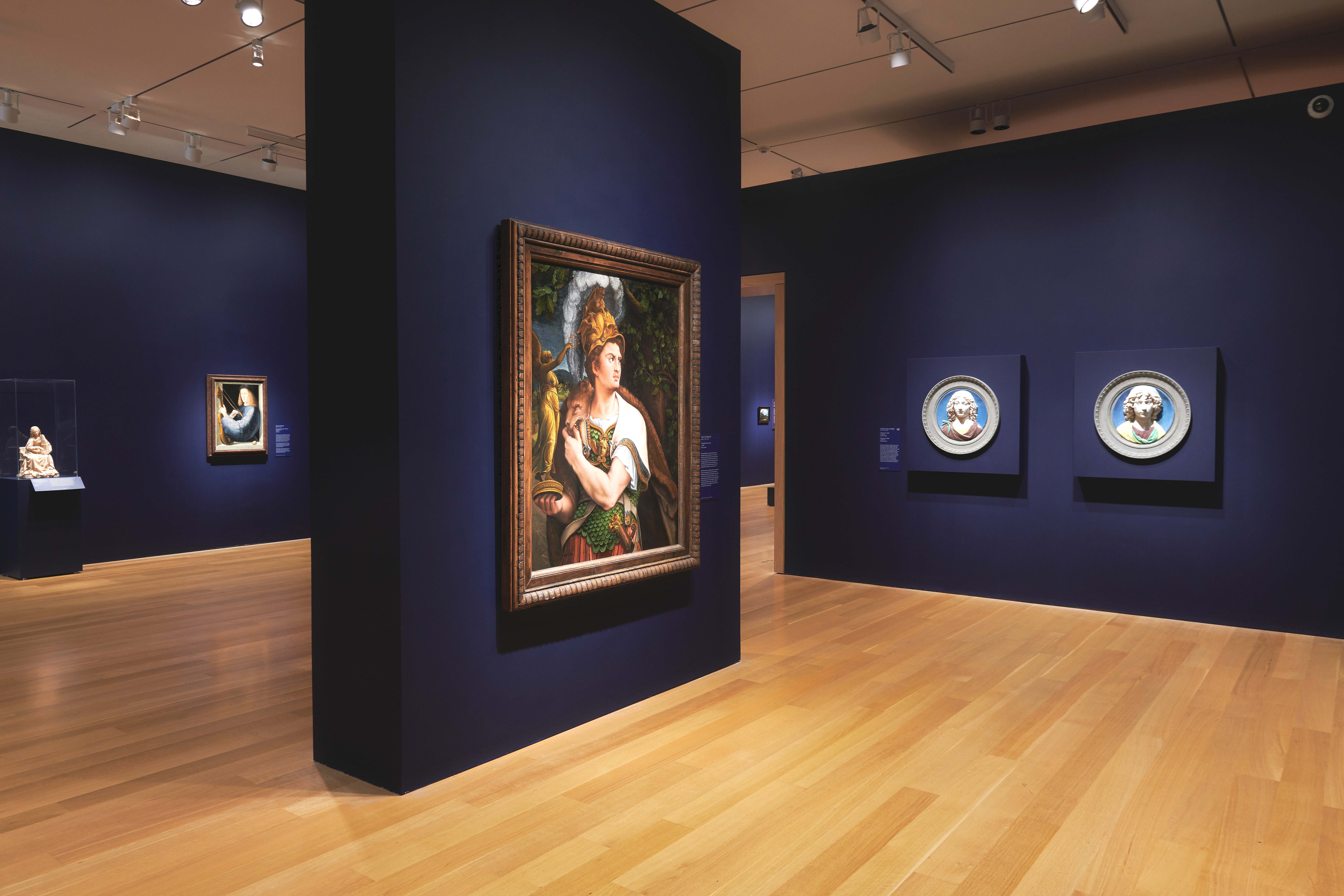
Installation view of “An Exquisite Eye: Introducing the Aso O. Tavitian Collection” at The Clark, 2026. Courtesy the Clark Art Institute.
What is a typical day on the job like?
A day is never the same. There are days dedicated to research and planning, meetings with architects and the wider Clark team, giving tours, connecting with other scholars and thinking about the Clark’s permanent collection of early modern European art as well.
What has been the biggest surprise or most interesting discovery you’ve come across so far?
There have been many small research discoveries along the way, and those will continue to happen as research on the collection grows over the coming years. Some relate to attributions or provenance, and others have led to greater insights about the artist or the work itself. One of the biggest surprises happened in the exhibition itself — in seeing the works in dialogue with one another and the new connections that are made that wouldn’t have been possible in any other way.
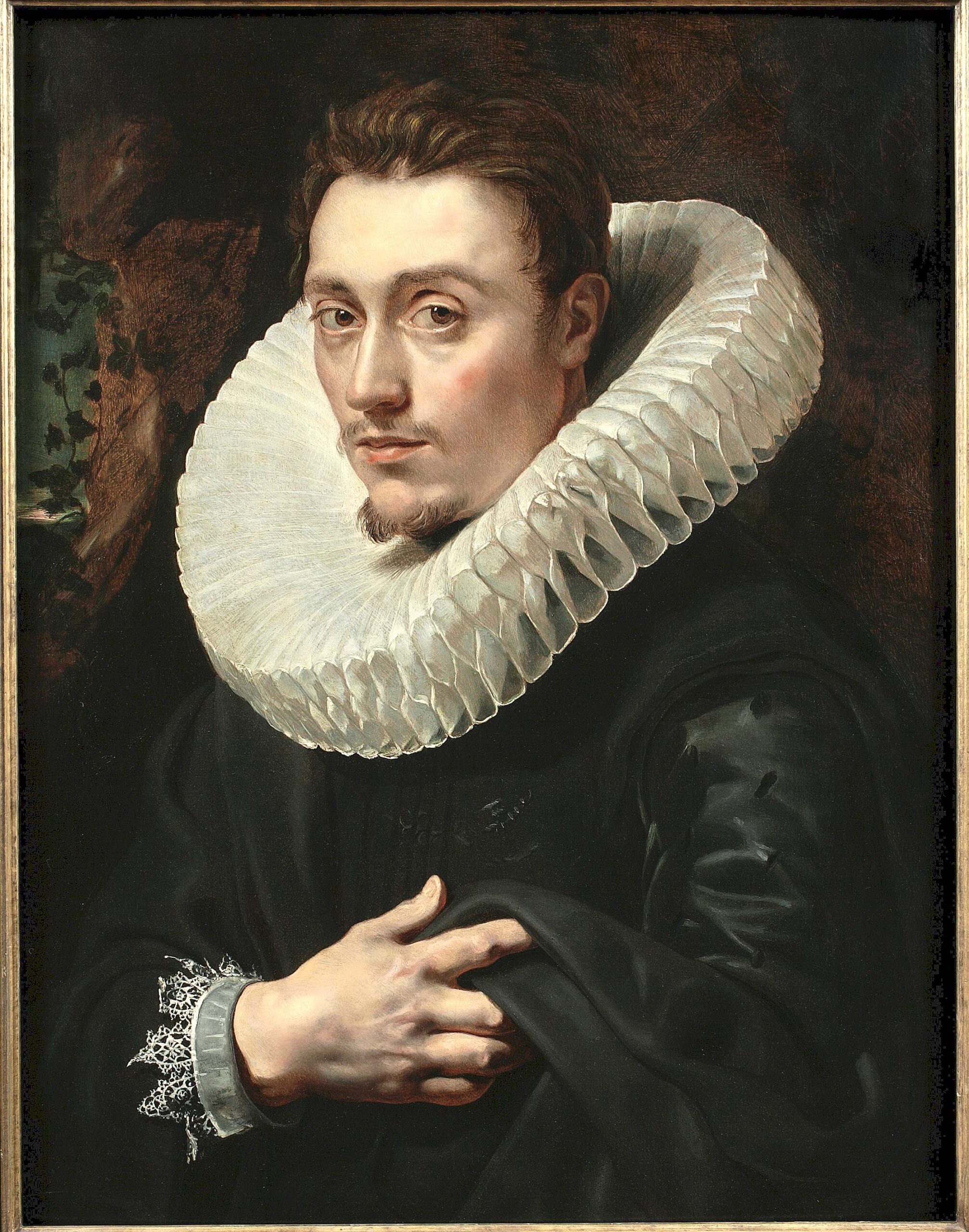
“Portrait of Young Man” by Peter Paul Rubens, circa 1613-15, oil on panel. Clark Art Institute, gift of Aso O. Tavitian Foundation, 2025.1.49.
What have you learned about Mr Tavitian from exploring his collection?
I’ve learned what an incredible and curious eye he had — in regard to the quality of the artwork that he collected, the rarity and sometimes unusual nature of some of the subjects and materials, and an interest in creating dialogues across the collection. Once you really start to look, you’ll find connections from a Sixteenth Century terracotta portrait to an Eighteenth Century mythological subject. European art in this period was so deeply intertwined across time and geography.
How does the Tavitian collection interact with and complement the Clark’s existing permanent collection of European art?
It complements it in various ways, expands it in new areas and also builds on our existing strengths. For instance, the Clark’s collection already contains an impressive painting by Dutch artist Joachim Wtewael, “The Wedding of Peleus and Thetis.” With the Tavitian collection, the Clark now has an additional three paintings on copper by the artist, making his representation one of significant depth. Similarly, the Clark now has additional works by Fragonard and Hubert Robert, among others, while also adding artists that have not heretofore been represented. So, there are really meaningful points of connection and growth.
—Andrea Valluzzo