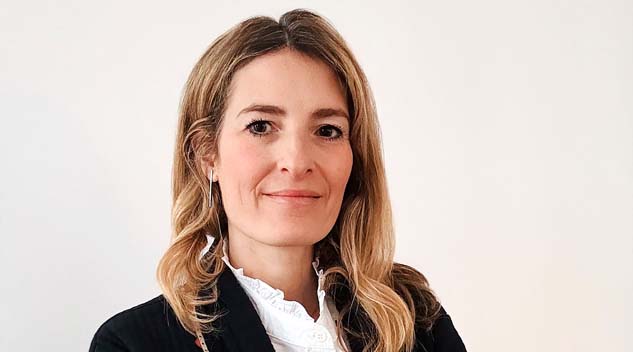
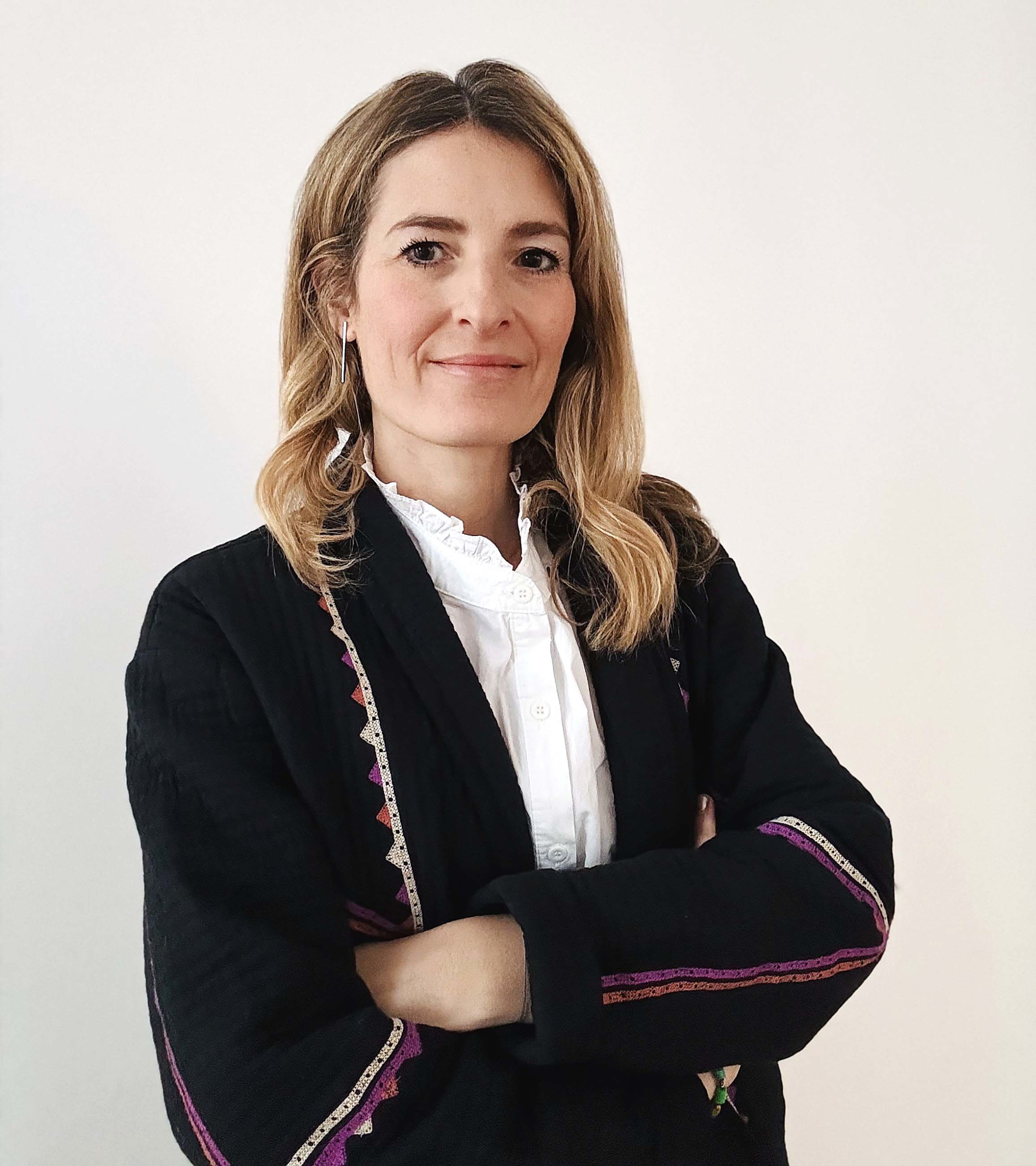
Martina Tanga recently began a new role at the American Federation of Arts (AFA) as its director of exhibitions and curatorial initiatives. In this role, Tanga will oversee the creation of the organization’s exhibitions that tour nationwide and globally. She will direct the AFA’s curatorial teams, collaborations with partner institutions, private collectors and guest curators and related exhibition catalogs. Tanga comes to the AFA from the Bibliotheca Hertziana in Rome, where she was a curatorial researcher. Most recently, as an independent curator and art historian, she curated an ecological contemporary art exhibition featuring four female artists based in New England for Sala 1-Centro Internazionale d’Arte Contemporanea in Rome. Upon learning of her new role, we reached out to learn more about her and the position.
What most excites you about your new role?
I am honored to join a nearly 120-year-old organization with such an extraordinary history. Over the course of the Twentieth Century, the American Federation of Arts played an important role in bringing exhibitions — including those highlighting Black and Indigenous artists — to museums across the country. Moreover, we have produced deep scholarship on many underrecognized artists through our long-standing publications program. Today, and looking ahead, I am excited about how the AFA can continue to play a leading role in the cultural field by collaborating with large and small museums and connecting artists with diverse communities.
In your new position, what will your chief focus be?
In this role I will work closely with the incredible Pauline Forlenza, director of the American Federation of Arts, and with our very talented curators, to shape the exhibition program. In many ways, the cultural field, especially museums, is still recovering from the pandemic years, and there are many wonderful exhibitions currently in development that I am eager to bring to audiences across the country and abroad. As an organization, the AFA has the capacity to be nimble and dynamic, building strong collaborative partnerships while maintaining a big picture overview of the cultural field.
Tell us about some of the traveling exhibitions you are looking to introduce, or what areas/genres you want to see explored?
We have many exhibitions currently in development, which is very exciting, and my first responsibility is to be a careful steward of those programs. Looking further ahead, I am really looking forward to exploring international cultural exchanges, bringing diverse artists to the forefront, and broadening the interdisciplinary possibilities of our exhibitions.
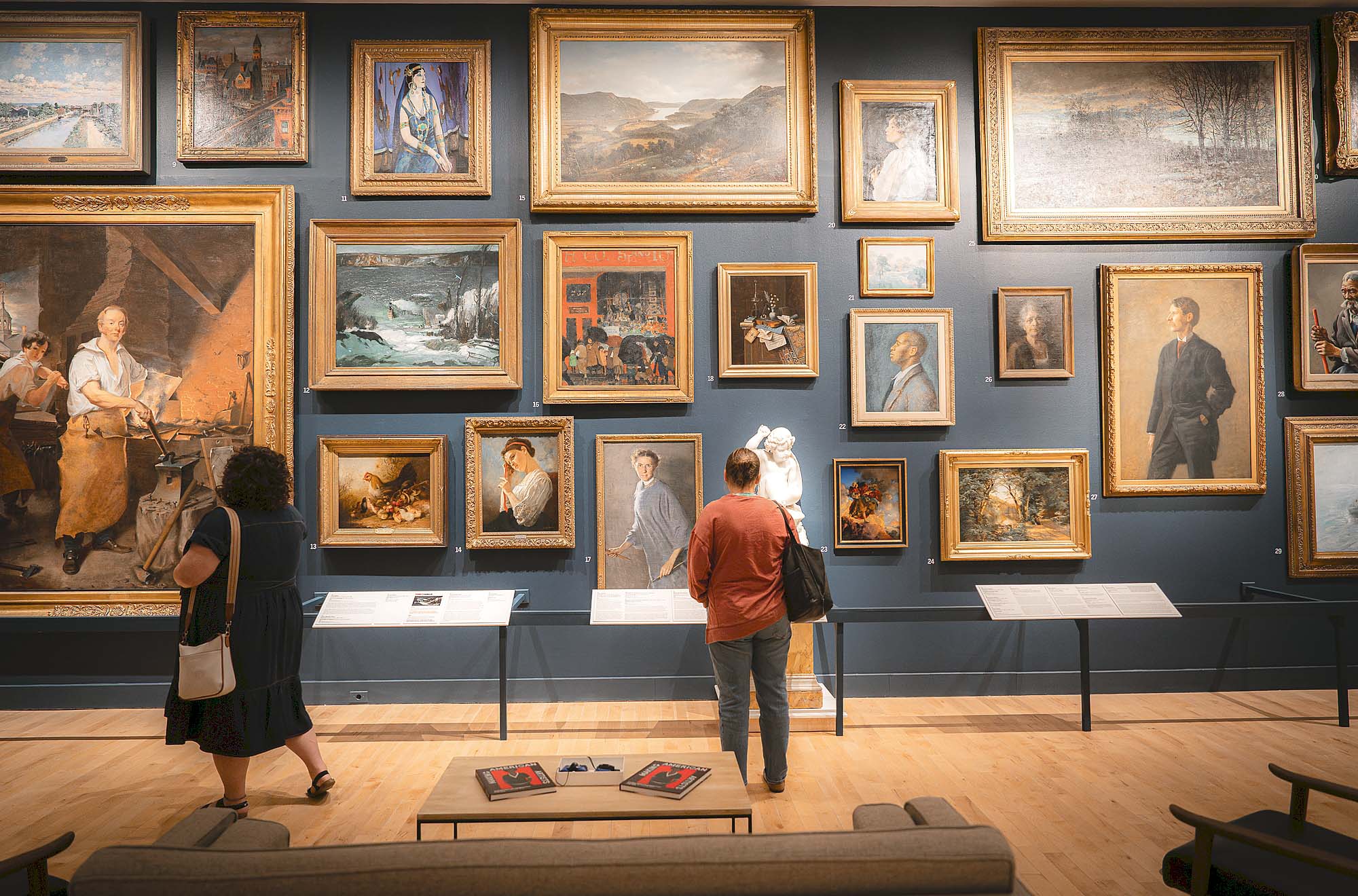
Photo courtesy American Federation of the Arts.
In strengthening AFA’s partnerships nationally and internationally, are there certain areas or regions you are looking at in particular?
The AFA has a long history of national and international collaborations, which provides a wonderful foundation to build upon. Nationally, I think it’s important that we continue to outreach to regional partners outside of large metropolitan areas. Internationally, I am excited to strengthen relationships with Europe, and I would love to re-engage collaborations with Central and South America, as well as Asia.
Having worked recently in Italy and being multilingual, you have a strong global perspective. How will that inform your work?
I grew up between England and Italy, and have lived in several countries, including Japan and Germany before spending most of my professional career in the United States. These experiences have given me a curious global perspective, where I value cultural exchange and learning from others. It has taught me that there can be many different ways of doing things, and the importance of always keeping an open mind.
What is one challenge in creating touring exhibitions for global audiences as well as US audiences? What’s an advantage?
Time — exhibitions take a long time to bake, and I think the general public is always shocked to learn that even the fastest exhibitions can take two to three years to put together, and often many take more than that. We live in a world where things move faster and change rapidly, so curators sometimes need a bit of a crystal ball to anticipate the future relevance of an exhibition.
At the same time, exhibitions are expensive undertakings. Research, loans, conservation, shipping, insurance, design, publications and interpretation all begin long before anything reaches the gallery wall. One of the advantages of the AFA model is cost sharing. By touring exhibitions to multiple venues, development costs are distributed across a national network of museums rather than carried by a single institution. This structure supports ambitious scholarship while also nurturing long-term relationships with partner museums, and it helps keep exhibitions accessible for institutions large and small.
—Andrea Valluzzo