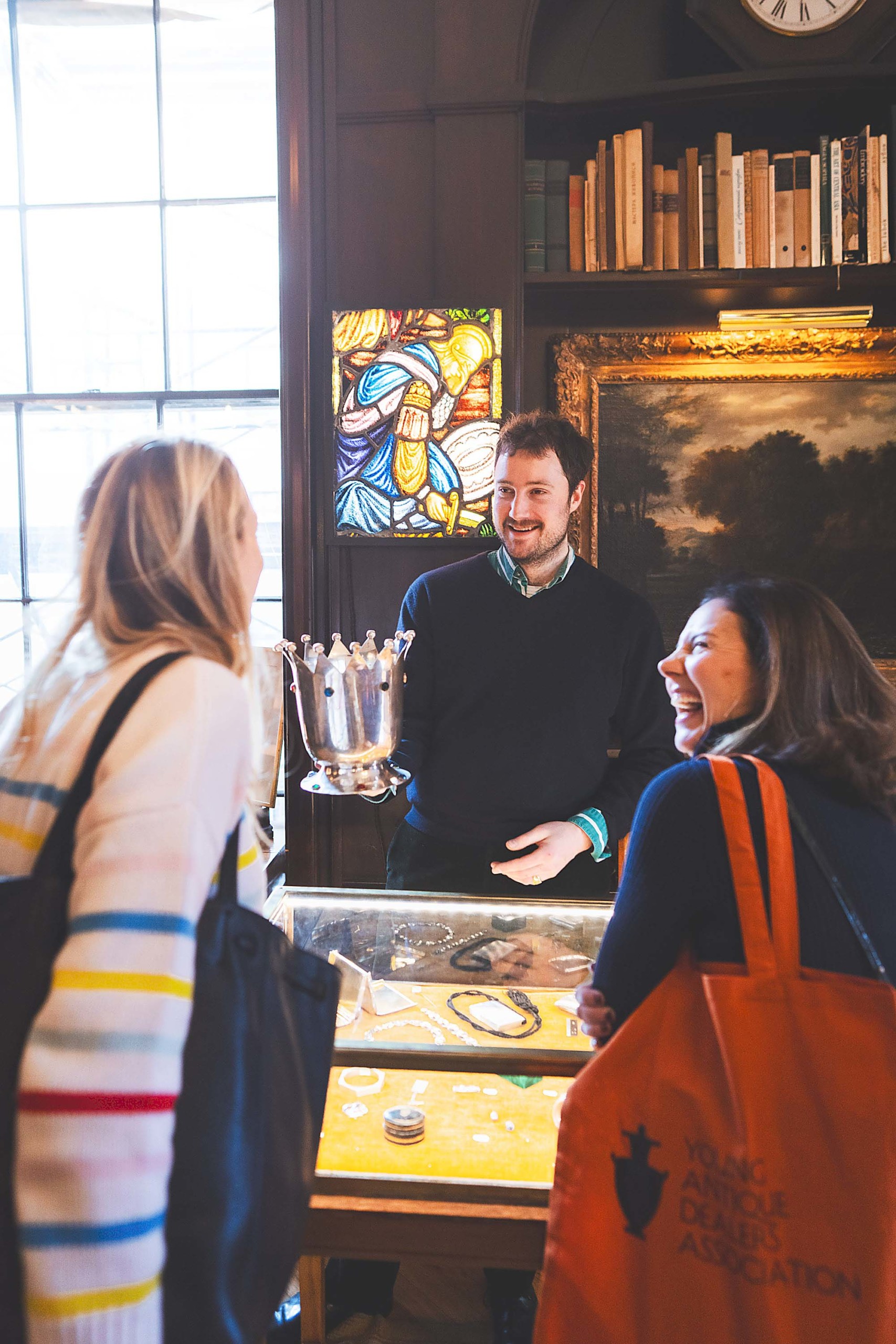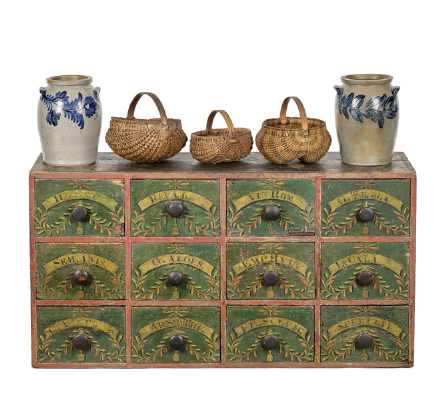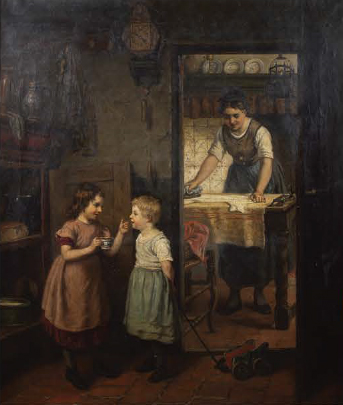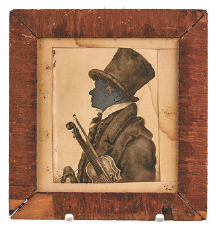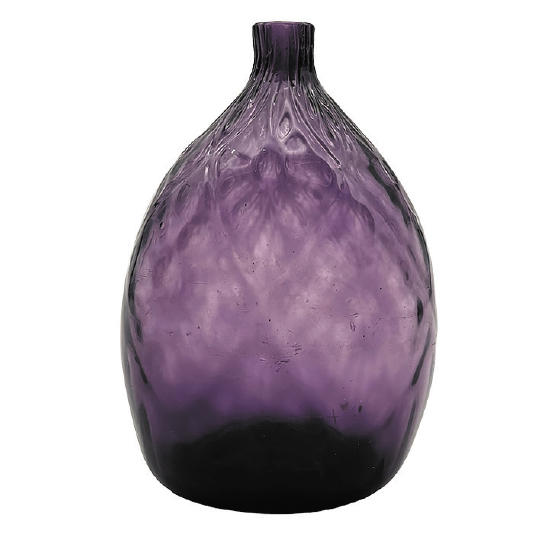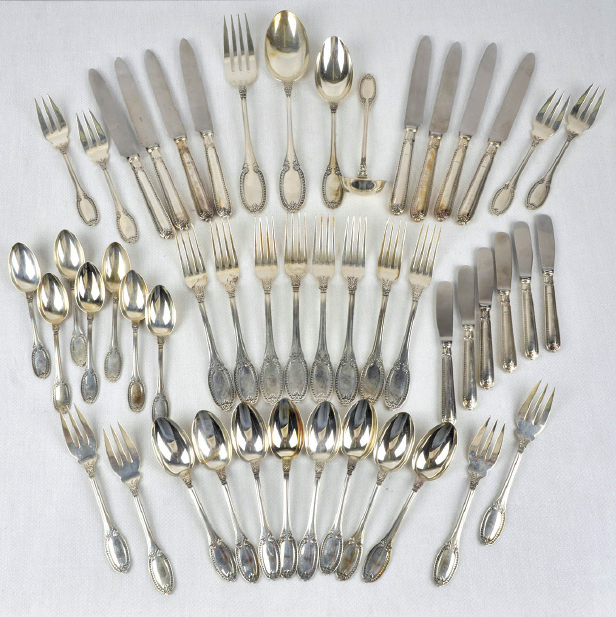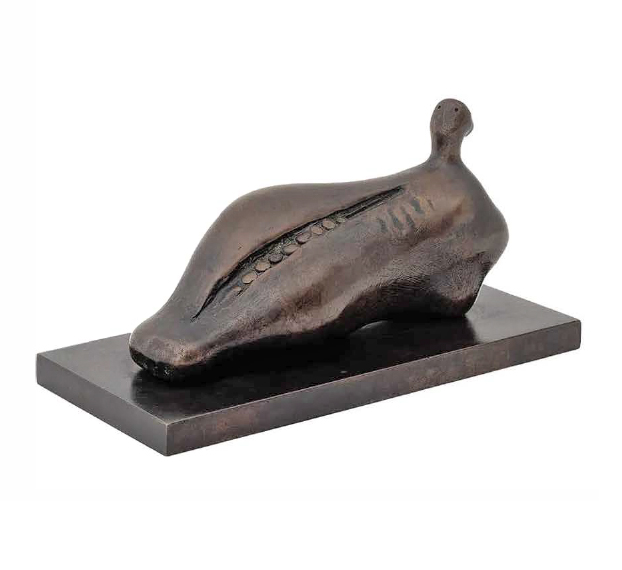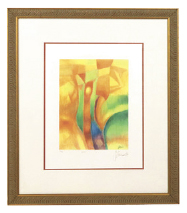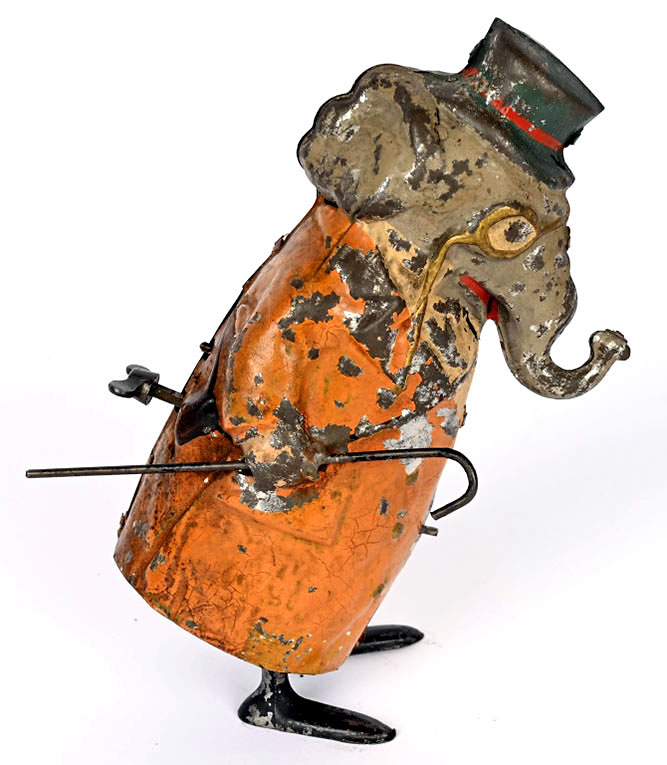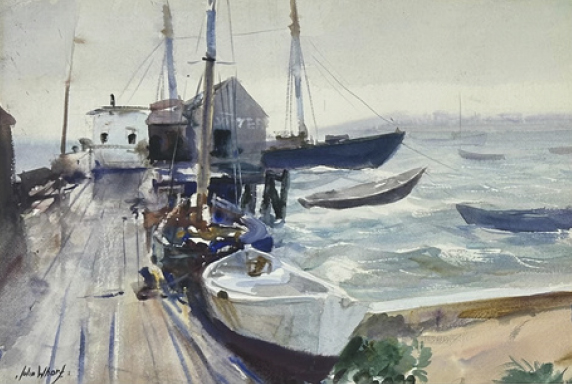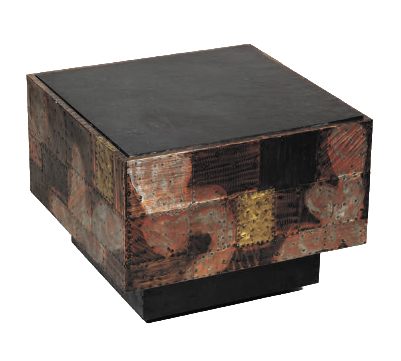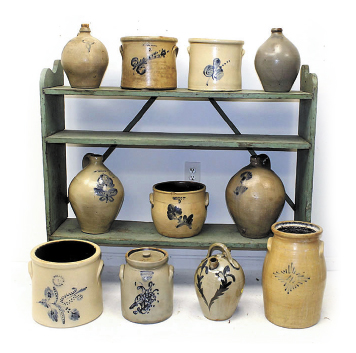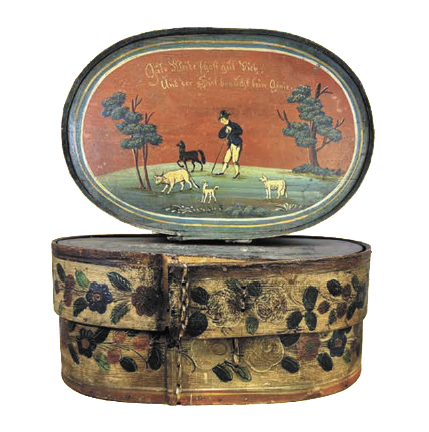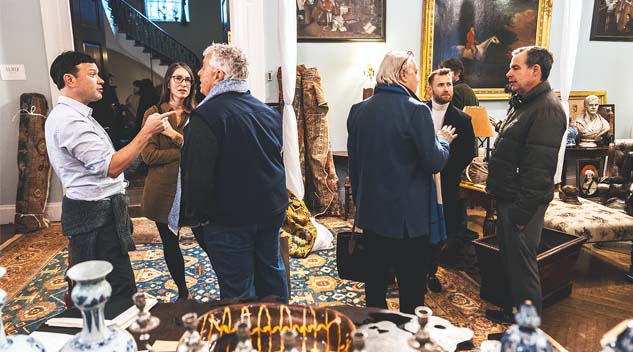
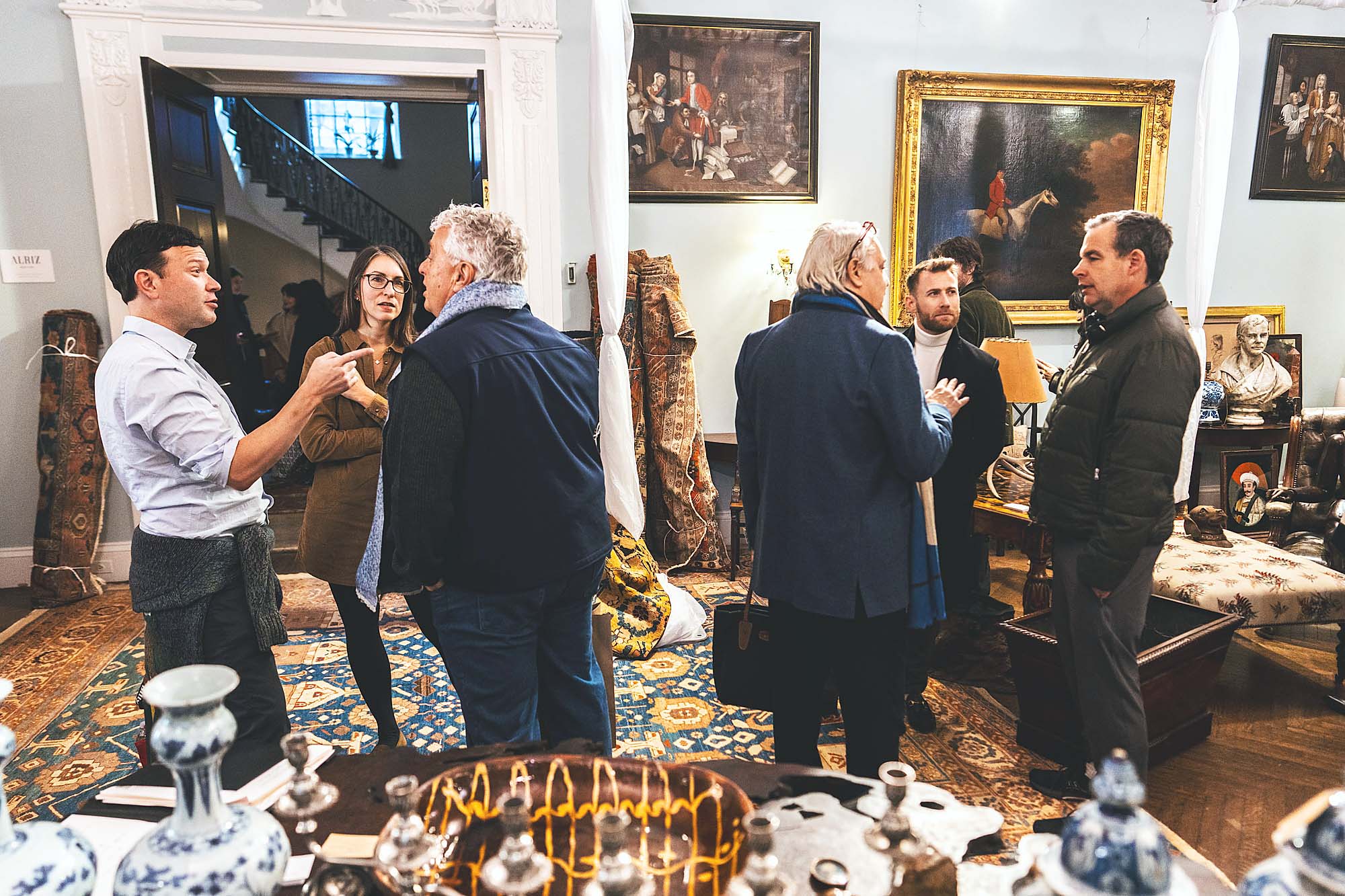
YADA’s debut inspired lively discussion among its new clientele. Photo courtesy Peter Domorak.
Review & Onsite Photos by Z.G. Burnett
NEW YORK CITY — Rare is the moment when one looks around and realizes that they are experiencing history, even more so when it indicates that things are looking up. From January 23-25, the Young Antique Dealers Association (YADA) premiered a showcase of nine businesses at the Upper East Side’s historic George F. Baker mansion, designed by Delano & Aldrich (1917-18).
YADA was founded by art market professionals Peter K. Carlisle; Lansing Moore, Jr; Naomi Sosnovsky; and Maxim Schidlovsky, who handpicked each of the show’s dealers. They offered objects d’art to a largely millennial and even Gen Z crowd of patrons, many of whom already had well-established personal collections. Institutional buyers, collectors and other dealers above this age bracket were also welcomed. Overall, a conservative estimate of 600 visitors was counted, and every dealer reported a successful show with each eager to return.
One repeated inquiry following this show was what “young” dealers were selling compared to veterans at other shows during New York City’s Antiques Week. In terms of quality, there was no difference. Those showing at YADA have been in and around the business for most of their lives; their concentrations, personal tastes and considerable experience were apparent. Because of the venue’s showrooms on the second floor, the wares on display appealed to those in search of “exquisite smalls,” fine art and furniture of a size that could be accommodated by a city apartment’s floorspace. The practicality of this decision was twofold, as the goods were easy to display in the mansion’s second-floor showrooms and easy to carry out upon purchase.
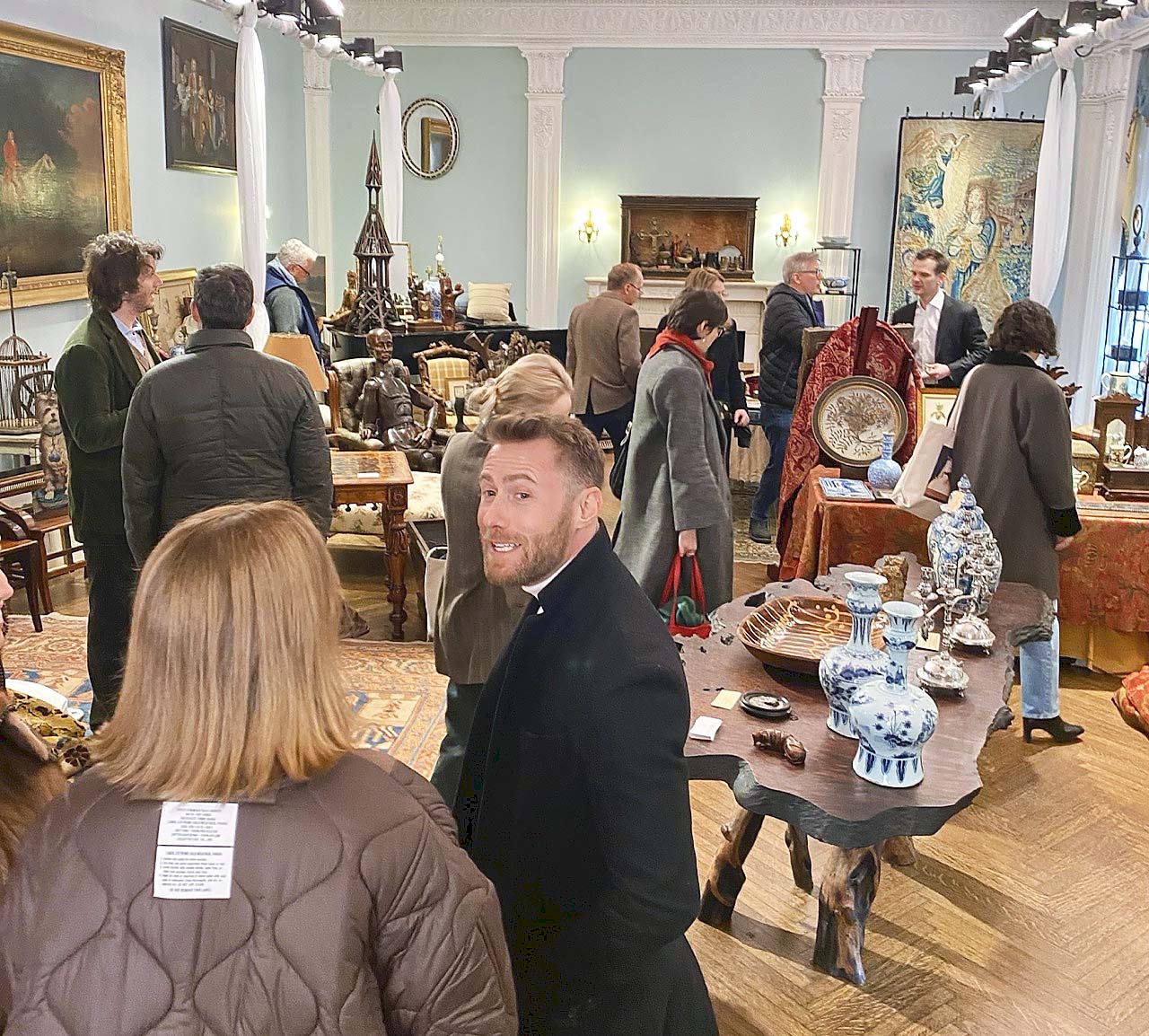
Visitors from all corners of the art world funneled into YADA’s front room, occupied by Old Antiquarium Antiques (Falmouth, Mass.), Christopher Cawley (Brooklyn, N.Y., and New Jersey) and Teremok Antiques (New York City).
One of YADA’s most important and exclusive discoveries was a drawing by French painter Henri Fantin-Latour (1836-1904) of Marie de Gombault for Edmond Duranty (1833-1880), a prominent art critic and novelist. Dealer Jarrett McCusker explained that Gombault was Duranty’s great-aunt but she raised him as her son, and that he was beloved by his friends and artists. These groups often converged, including Fantin-Latour, Edouard Manet and Edgar Degas. Fantin-Latour sketched this peaceful postmortem at her funereal viewing as a gift for Duranty, and Degas added it to his own collection following Duranty’s death. The drawing was listed in the Metropolitan Museum of Art’s 1997-98 exhibition catalog of Degas’ private drawing collection but was not shown because it was then considered lost. As of press time, this rare piece of Impressionism’s history was still available.
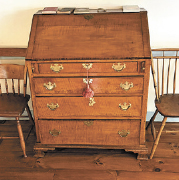
Another, entirely different type of painting attracted much attention in Carlisle’s corner space. Set atop an Eighteenth Century roll-top writing desk was a small gouache street scene that only became more interesting the longer it was studied. The painting has been attributed to German painter and printmaker Johann Adam Delsenbach (1687-1765) but the dealer’s research indicates that it was more likely drawn by Johann Gottlob Schenck, an artist known for depicting students in Jena. In the work, university students circled a large bonfire in Jena’s Market Square (Germany) and wisps of text in German and Latin floated up from them. Figures also looked down from windows, either throwing more firewood or smoking. Believe it or not, this is a merry celebration. The scene was bought and moved on to liven up a new collection.
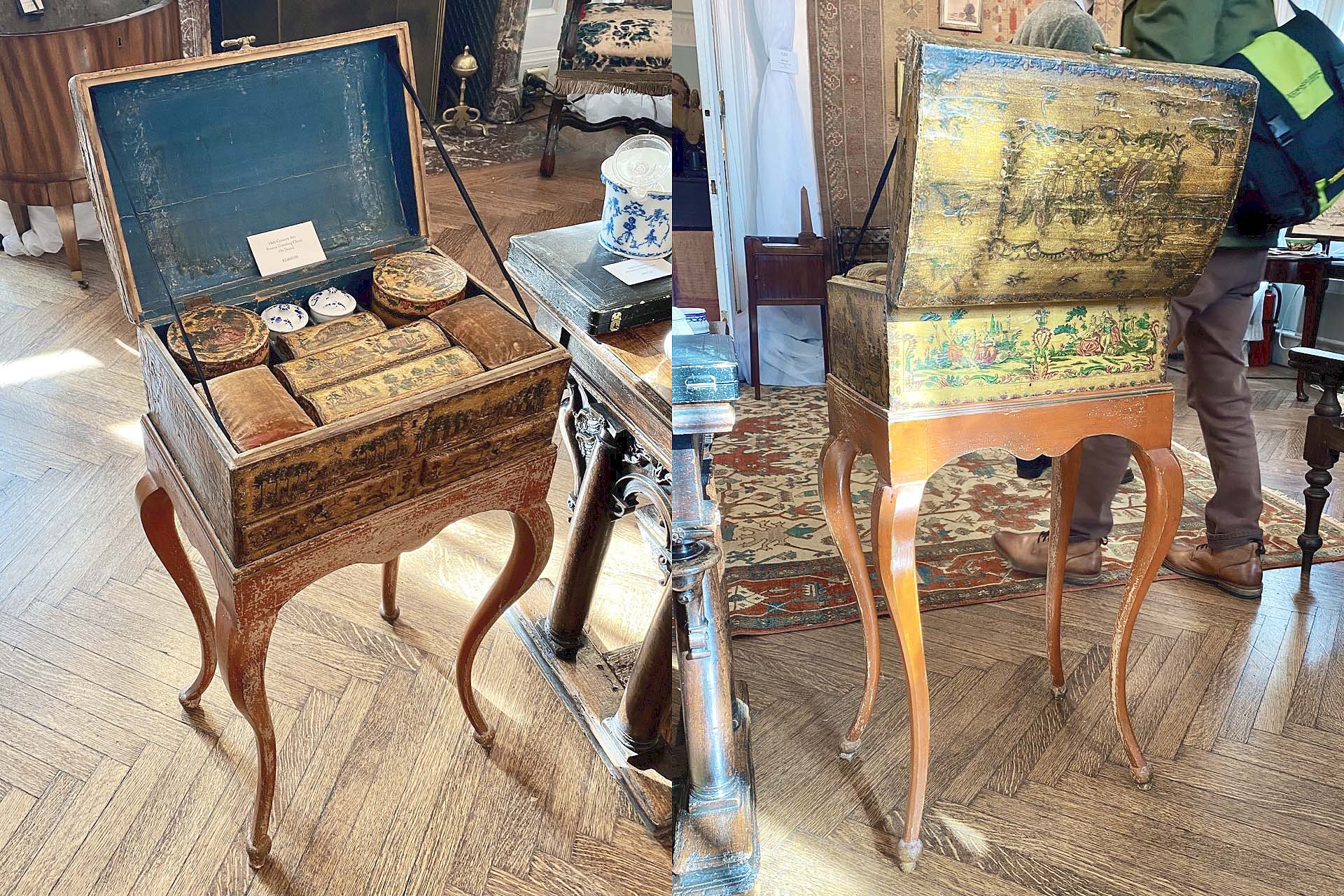
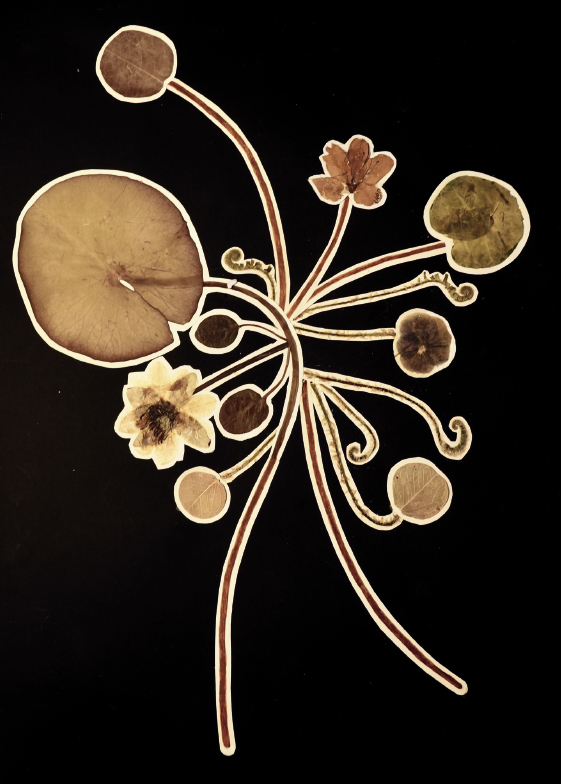
Made only from wood and paper, this arte povera traveling chest and stand has survived for almost four centuries with all of its interior elements intact. Curio Shop, Brooklyn, N.Y.
Margot Mayer of Curio Shop brought a far more delicate representation of the century in the form of a rare arte povera traveling chest with its original containers and later, custom stand intact. Arte povera is a Venetian decoration technique inspired by the expensive Asian lacquerware decoration popular during the mid Eighteenth Century. Also known as the more literal “lacca povera,” it involved decoupaging paper cutouts and colored paper onto cardboard or thin wood. A variety of figures and motifs gave endless opportunities for creative arrangements. Mayer’s example was a remarkable survivor in good condition; though exterior scenes were worn and faded with consistent use, the decoration of the interior boxes showed a high degree of preservation. These included pairs of pin boxes, powder boxes and two other long boxes with vibrant motifs that matched the exterior, as well as a pair of Arras porcelain ointment jars. Curio Shop’s space was watched over by a Seventeenth Century portrait of a lady from the school of Étienne Dumonstier (1540-1603), which sold during the weekend.
YADA was also a destination for fine jewelry, concentrated in Schidlovsky’s showroom for his eponymous business, Maxim Dimitry. Usually appointment-only, customers were invited to view his full array of antique furniture, objects, paintings and jewelry. His cases contained vintage and antique pieces as well as his own designs. Sharing the space for the show was Wally McTeigue, whose family jewelry firm dates to 1895. McTeigue’s chronological selection ranged slightly wider, from prehistory to present day. One of his bracelets included Indian Buddhist beads that dated to 2600 BCE, Afghani lapis lazuli from 1100 BCE and Mesopotamian carnelian, placed next to a Nineteenth Century gold and enamel pendant set with tiger claws. Neither sold at YADA but McTeigue later commented, “Those two I might not be ready to let go.”
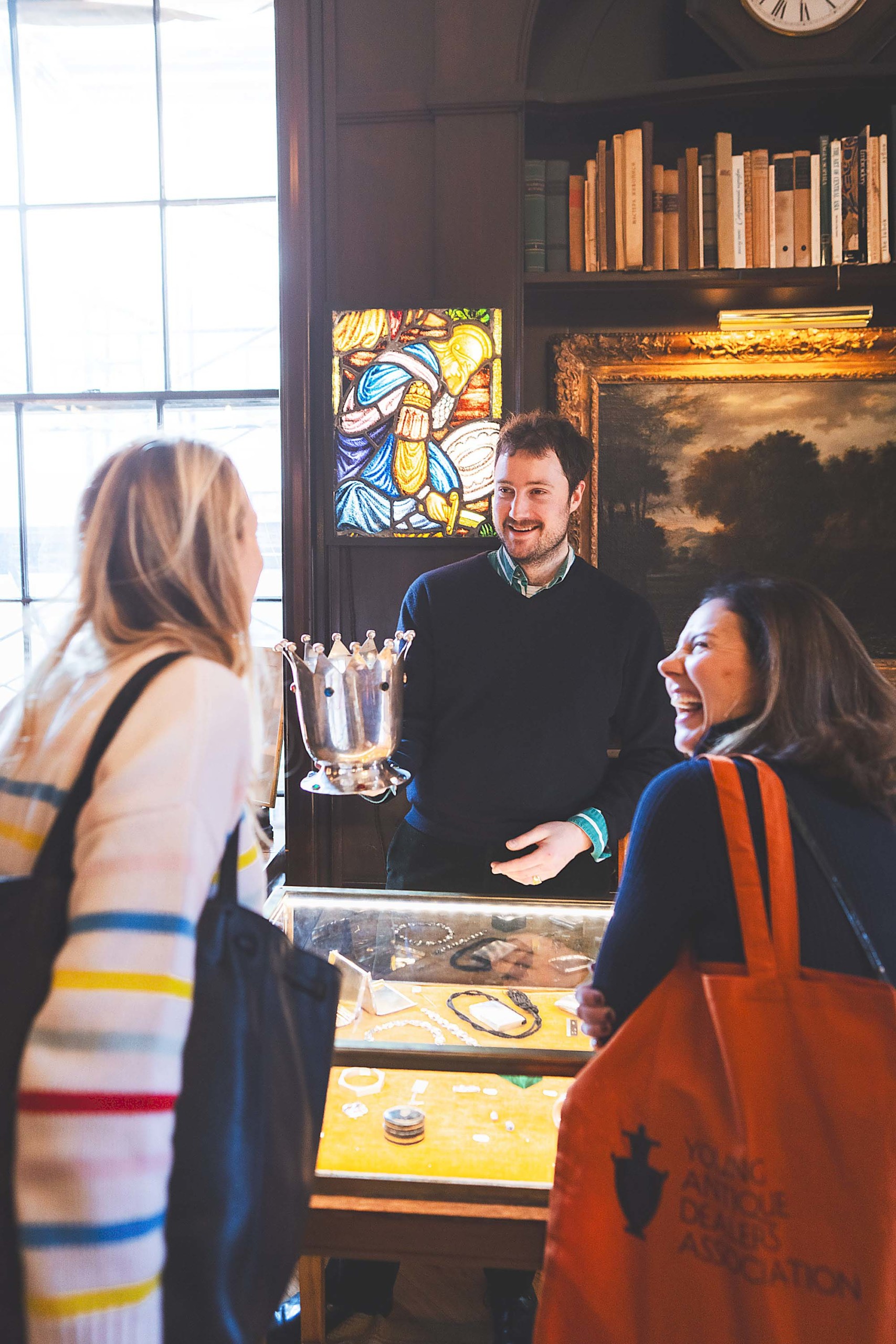
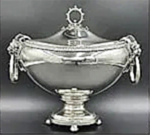
Maxim Schidlovsky presents guests with one of two International Silver crown-form champagne coolers in the mansion’s library, which also serves as his showroom year-round. Both coolers sold during the weekend. Maxim Dimitry, New York City. Photo courtesy Peter Domorak.
Nickolas Roudané of Teremok Antiques brought a number of tabletop pieces that were half cleared out by the end of the press preview on Thursday evening before the show opened to the public on Friday. One of these was a large, meticulously rendered realistic hand carved from rock crystal. Roudané dated it to the Twentieth Century but accurately described it as “timeless” given the quality of the material and execution, citing his preference for objects of all ages that incorporate hard semi-precious stones. “These [and other antiques] aren’t ‘relics,’” Roudané continued. “They keep on living in our time period, witnessing and adding to their own history.” One such sale for Teremok was a circa 1620 architectural casket made from polychromed alabaster and ebonized walnut in Römhild, Thuringia (present-day Germany), showing the painted arms of the Worshipful Company of Grocers, London.
The historic mansion’s preserved interiors were complemented by rugs and carpets from Alriz Gallery, founded by Alexandra Scarangella. “Our goal is to bring antique rugs to the attention of younger collectors,” Rizki said. “The giant, darker carpets are usually associated with ‘older’ tastes, and we specialize in the highest-grade examples with lighter colors and smaller sizes.” Alriz has worked with luxury designers and decorators to update the perception of these unique rugs, offering a variety of designs and scales to fit almost any space. Their rare golden (“true yellow”) Serapi, circa 1880, became the unofficial YADA backdrop for many photographs, supported by a grand primitive Bakshaish with light blue abrash, circa 1870, one of the largest and rarest in the collection.
The dates for next year’s YADA Show are yet to be announced. For information, www.yadaantiques.com or [email protected].