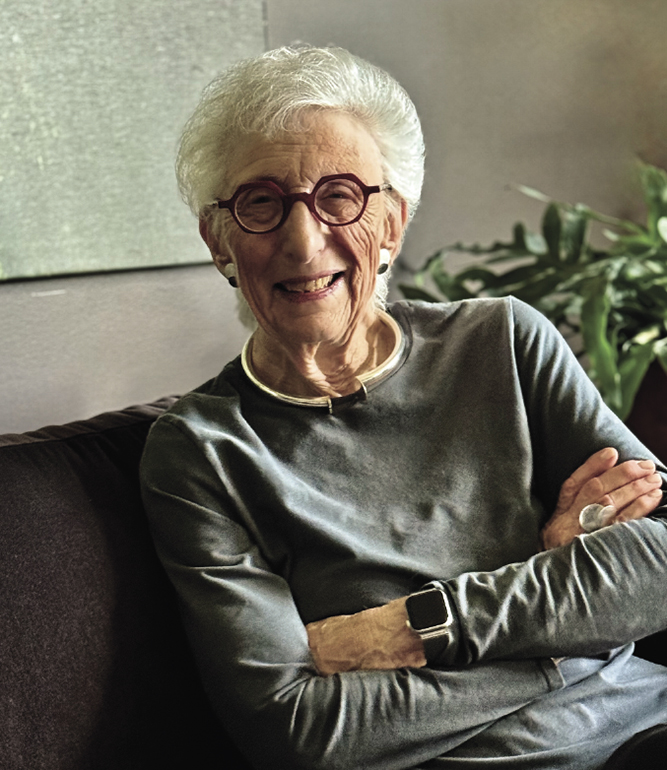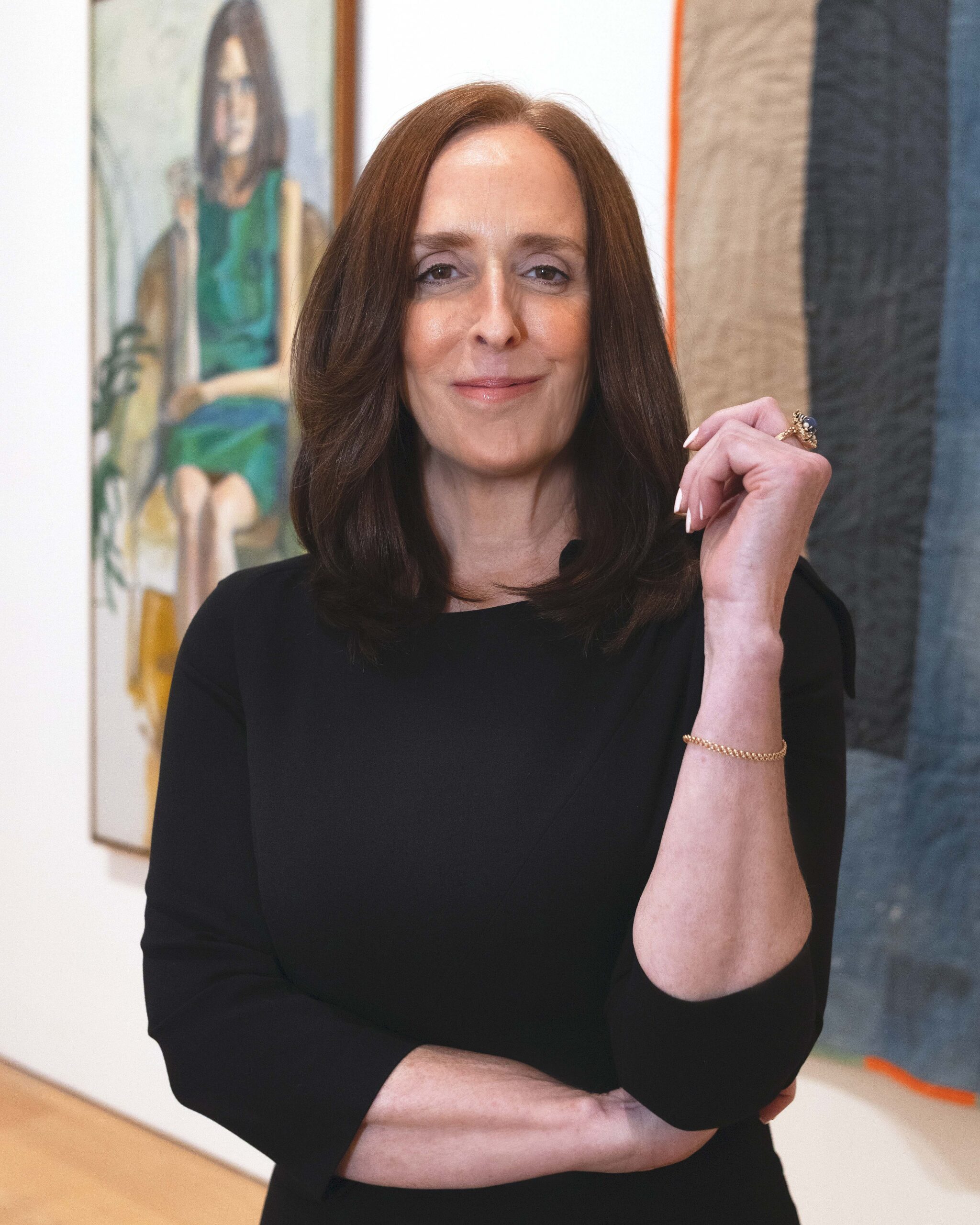
Dr Kathleen Jameson’s appointment as the Speed Art Museum’s newest director makes her the tenth individual to hold this position in the Louisville, Ky., institution’s near-century of existence. Approaching its 100th year, the Speed is looking ahead to greater development, and Jameson will lead the way there. We connected to learn more about Jameson’s plans for guiding the museum into this next phase.
Can you share a little bit about your background and how you got to the Speed?
This is absolutely a personal passion for me. My grandparents collected American art, so I grew up around it and had decided that that’s the direction I wanted to head. When I went to graduate school at UofL [University of Louisville], I had the opportunity to work under the then-director of the Speed, Peter Morrin. That experience helped shape the way I think about museums, scholarship and the role that cultural institutions like a museum play in the life of a community.
When I learned that the Speed was looking for its next director, I immediately threw my hat in the ring. I feel strongly about this place, about where it is currently, and I thought that I could help lead the institution through its next chapter. It feels both familiar and special — a bit like a homecoming.
Someone recently was talking to me about wanting to inspire that young intern who may be working or studying at UofL now, and it’s very emotional for me to think about that and to think about legacy — we’re very focused on legacy right now and building for a future we may never see ourselves. This 100-year anniversary, of course, necessitates looking back, but we’re using it as a launching pad for the next 100 years.
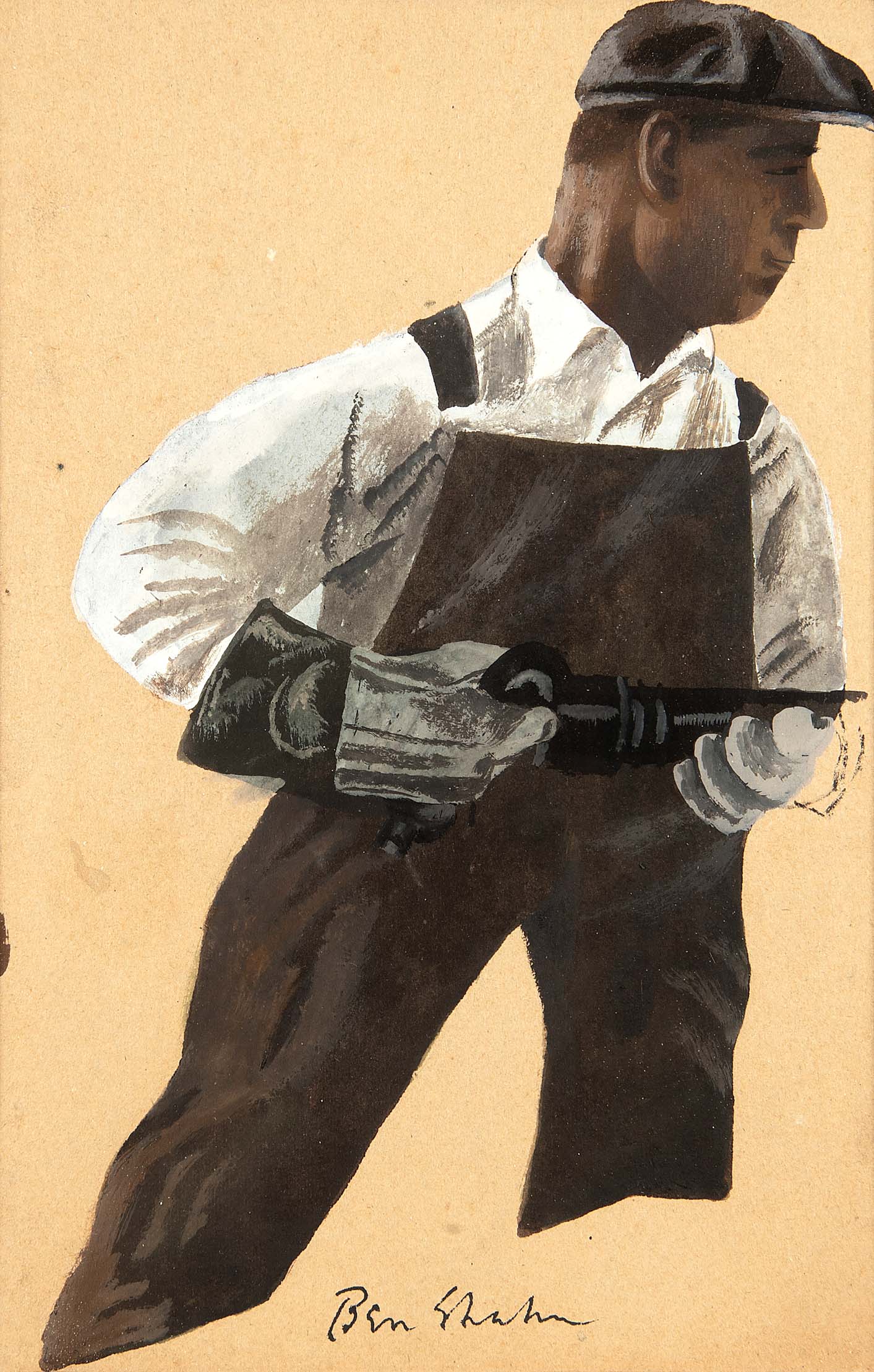
“Riveter #2” by Ben Shahn (American, 1898-1969), 1938, study for “The Meaning of Social Security,” gouache on light brown paper, 12⅛ by 8 inches. Courtesy of the Shogren-Meyer Collection of American Art.
What makes working at the Speed stand out from your previous positions?
I feel very deeply connected to my previous institutions, of course, but the personal connection does flavor things quite differently. It’s a different kind of investment.
The other thing that I think is so interesting here is that the Speed is universally viewed as a cultural cornerstone, not just in the city but also in the state. This is not just the art museum for the community, for the city, but the state, which is very exciting for me. I’ve not had that explicit state role, and I’ve always longed for it, honestly.
The fact that the Speed is seen as the state museum of Kentucky is also extremely exciting in terms of what we can do to serve the state more broadly. The director’s role here in Louisville is also different than what I’ve experienced before because it’s not just being a leader for the museum, it’s also clearly being a leader in the community and being in conversation with community civic leadership. It’s a very public role, which I enjoy. It’s very exciting to play a lead role in a city that has always believed in investing in the arts.
And then, the last thing is the Speed sits on the campus of the University of Louisville, but it is not part of the university. We have the opportunity to function as a civic museum and a university art museum, and I just love that mix. It is exciting strategically; there are just so many possibilities. Even in terms of our research and exhibitions. Serious exhibitions and scholarship often get outweighed by other concerns at civic institutions, but here we can do both.
As the Speed prepares to celebrate its 100th anniversary in 2027, why is the timing of your transition particularly exciting?
Well, it’s incredibly important. The museum opened in January of 1927, but we’re not seeing next January as the finish line. We’re taking advantage of the entire calendar year. It’s really the starting point for the museum’s next chapter: becoming a museum that is sustainable, that is more broadly supported, that is more deeply woven into the city, that is more deeply woven into the fabric of art museums in this country. A centennial gives you that opportunity to reassess.
We have an opportunity to think deeply about who we are and what this institution needs and what this community needs.
I was very clear that coming in, I would be on a listening tour for a few months, meeting as many people as possible to understand how the museum has succeeded or not in terms of serving those needs, and what this community needs us to be moving forward. I think that’s the only way that you can truly understand an institution and a community, so I’m meeting a lot of people, and, universally, everyone I speak to recognizes this institution as essential to this community. That’s not always the case.
That’s really what I’m most focused on in the short term, but of course, over the next year is leveraging that conversation about the centennial. It’s a touchstone, and it’s a perfect one to gather everyone around a table and dream forward together.
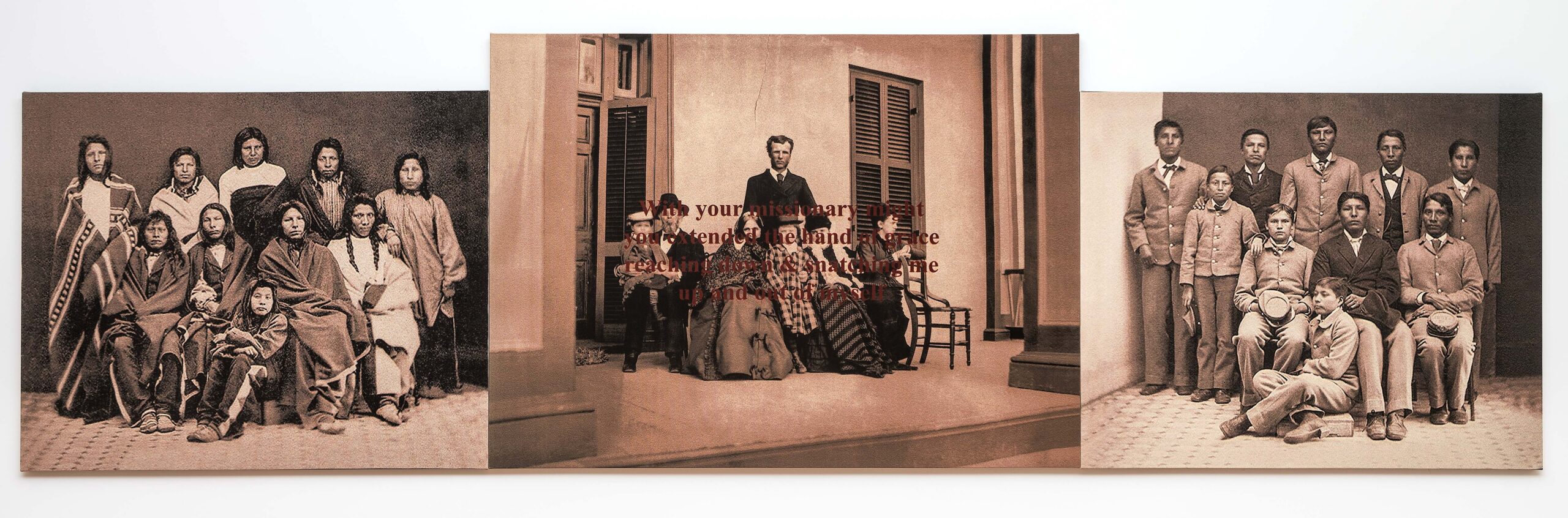
Kathleen’s dissertation was on photographer Frances Benjamin Johnston (1864-1952), who documented Native American and African American schools in the late 1890s, one of which was the Hampton Institute. In 2000, Carrie Mae Weems created “The Hampton Project,” a series reconsidering and responding to Johnston’s photographs. “I used the word kismet earlier, and I’ll tell you… When I was here interviewing, I turned a corner in a contemporary gallery and immediately knew a work. It was so personal; it felt like an omen. […] When I turned the corner and there was a triptych by Weems that is based on Johnston’s work, I just thought, ‘Oh my god, I’m home. Here it is.’”
“The Armstrong Triptych,” from “The Hampton Project,” by Carrie Mae Weems (American, b 1953), 2000, ink on canvas, three parts. Collection of the Speed Art Museum, Lousiville, Ky., gift of the New Art Collectors. 2001.9 a-c. © 2026 Carrie Mae Weems.
Can you share more of your goals with the museum?
In terms of the short-term goals…this listening opportunity — if you ask about any upcoming projects, I’m going to keep talking about this! I think a great strength of mine is my ability to synthesize where needs and opportunities meet and shaping them into a shared strategy so that everyone can move forward together.
And then also both short term and longer term, you know, we have an incredible opportunity to rethink our dual mission of art and education. We have a chance to rethink what museum education looks like. And I’m excited about what my team is envisioning. I think we may be on to something potentially quite innovative.
Another priority beyond the centennial project that I’d like to see completed is that we update our collections catalog. I don’t think people know what the museum has, that it has continued to acquire exceptional work. That’s a long-term project that I’d like to see happen sooner rather than later.
Are there any areas of the Speed’s holdings that you’re especially drawn to?
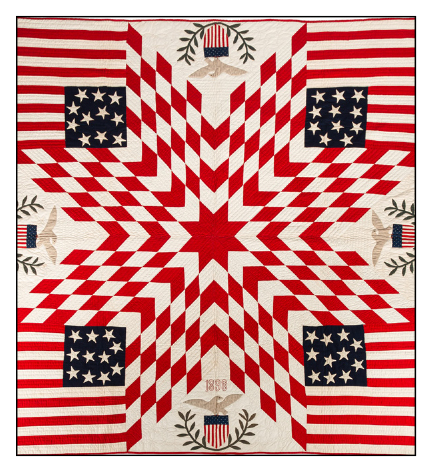
It’s very, very hard, but I can say that I am excited to work with a collection that is really stellar. And, as a scholar of American art, the Speed has such strength. I specialize in late Nineteenth to early Twentieth Century American art, as well as works on paper and photography. The museum has great strengths in these areas. Also, while in Charlotte, I had the opportunity to get to know craft and design in particular. Houston has a great design and decorative arts focus, but I really got embedded in that world in North Carolina. The strength here in the decorative arts is fabulous. I’m particularly excited about learning more about the Kentucky collections we have because they’re so exceptional, and that’s not an area that I know well. The Speed also has a deep commitment to works by women artists. There’s one work that I keep going back to look at — “Wilhelmina” by Eugenie Bandell.
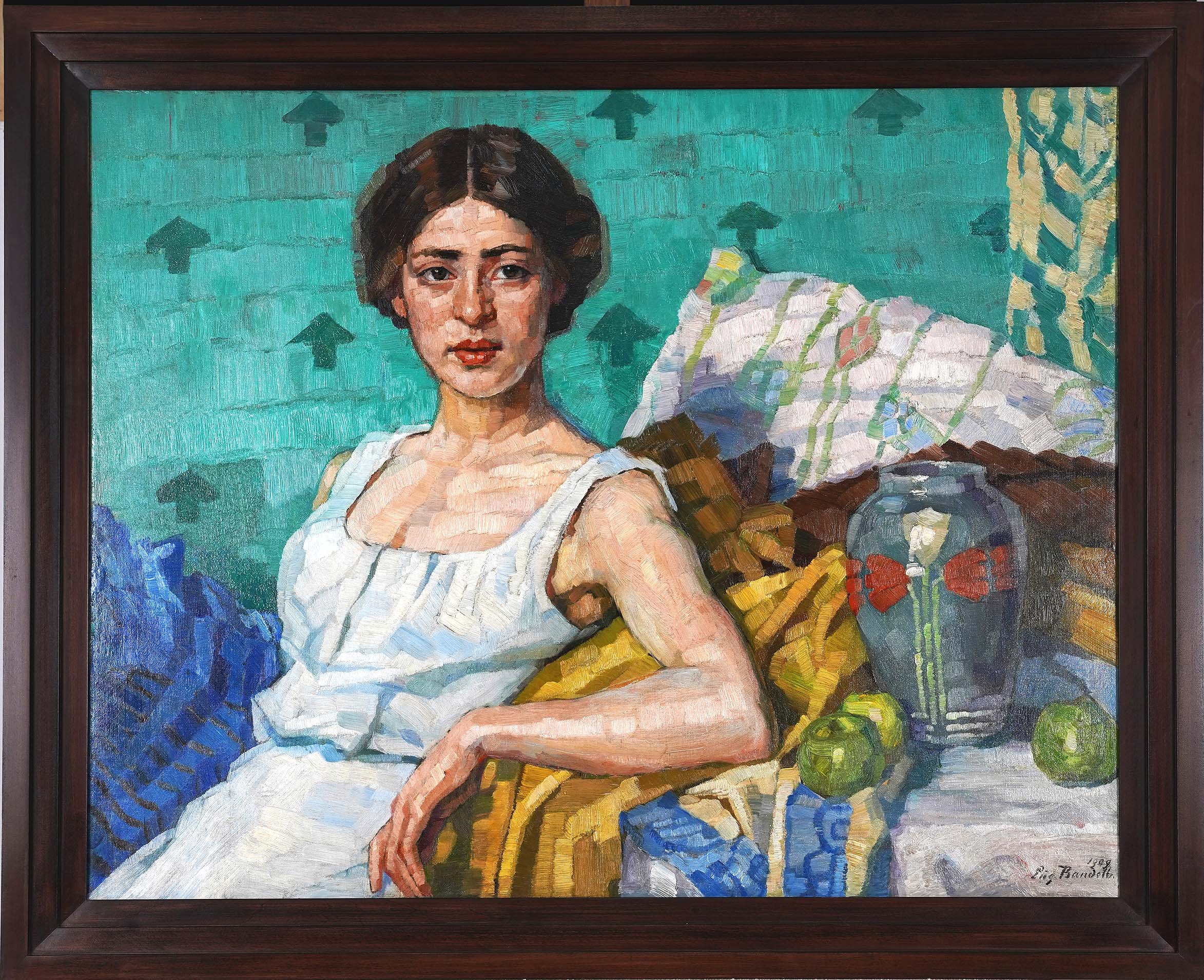
“There’s one work that I keep going back to look at — “Wilhelmina” by Eugenie Bandell… It’s such a direct, forceful, but soft sort of portrait of a woman by a woman. It’s from 1909 but it’s so modern and she’s so strong and so beautiful, and I keep going back to try to figure out what she is thinking and what she is up to. I just love it.”
“Wilhelmina” by Eugenie Louise Bandell (German, 1858-1918), 1909, oil on canvas. Collection of the Speed Art Museum, Louisville, Ky., gift of the Charter Collectors 2025.27.
Can you discuss any projects you’re currently working on?
We just finalized an agreement to bring a collection of American art to the museum next February, the Shogren-Meyer Collection of American Art. It features American painting and photographs from the time that the museum was founded, so the 20s, 30s and 40s. The works are from the Great Depression — a time when the government was addressing the economy through initiatives that supported the arts. I love that we will have a show of what this country looked like when the museum was founded. It just feels like a perfect marriage, and I’m very excited that that’ll be a signature exhibition in the coming year.
We’re also going to be announcing soon the exhibition of a great local collection of Twenty-First Century contemporary art to close out the year. I can’t say much more about that, but as a teaser, it’ll be a stellar collection of contemporary art in conversation with the museum’s collections in a way that is totally unexpected.
How is the Speed Art Museum celebrating 100 years?
We are going to have a free celebration for the opening weekend, January 15-17, with events, music and community partnerships to activate our new Art Park. We have the key to the original doors to the museum, and we will ceremonially reopen the 1927 building to the community.
We’re also working to organize a Sam Gilliam day block party, programs and his work will be on display.
Lastly, in the fall, we’re going to spearhead a community-wide project where we have 100 simultaneous gatherings across the community that are all focused on a work or works of art. Afterward, everyone will come to the museum to celebrate that evening.
—Carly Timpson