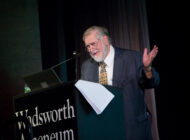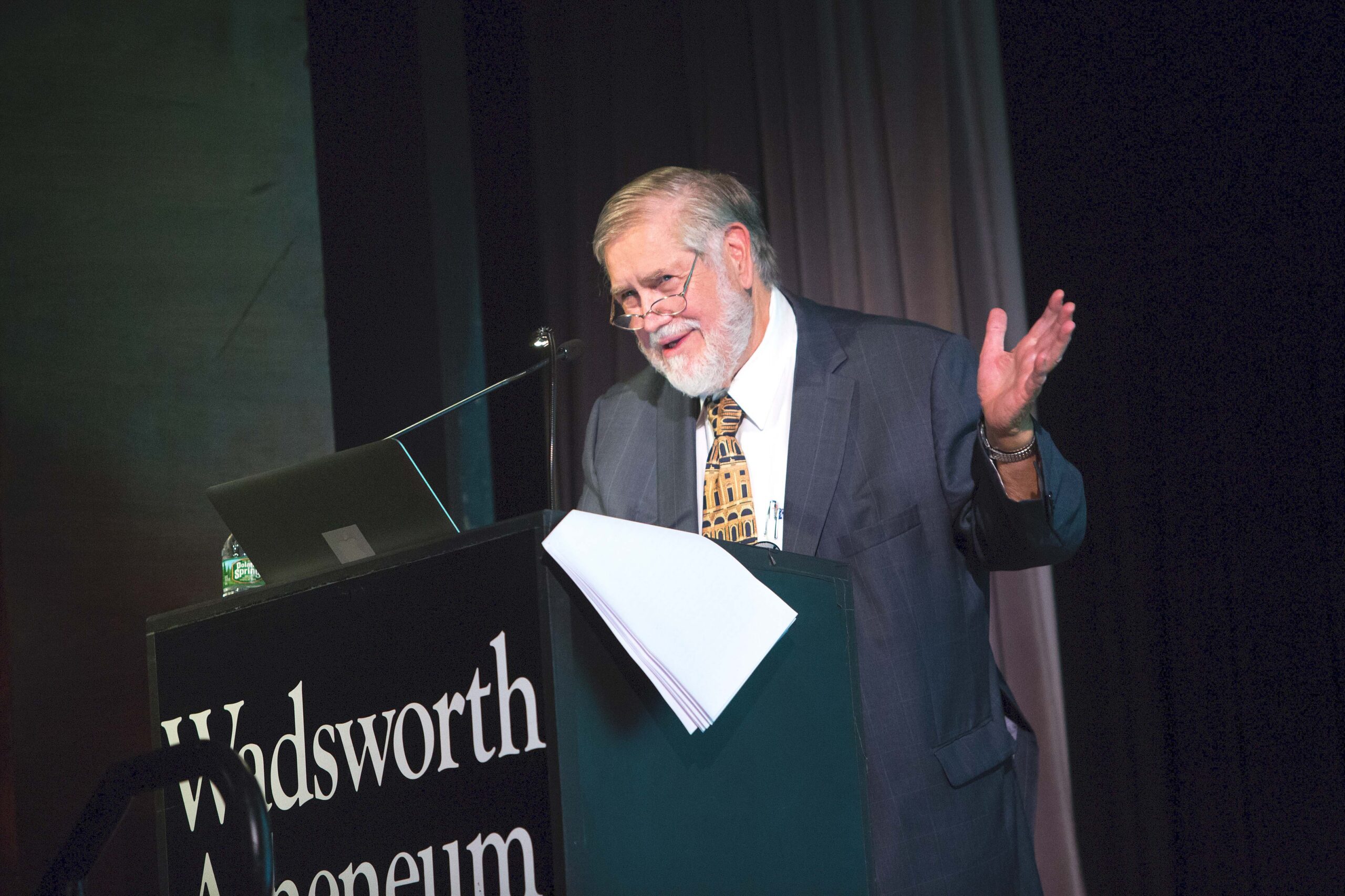
Jonathan L. Fairbanks at the Decorative Arts Trust’s 40th Anniversary celebration at the Wadsworth in 2017. Image courtesy of the Decorative Arts Trust.
Submitted by the Family
NEEDHAM, MASS. — Jonathan Leo Fairbanks passed suddenly on the evening of August 1, 2026, at Beth Israel Deaconess Hospital, having become ill at home in Westwood, Mass., that morning. He was 93.
Jonathan had recently enjoyed attending the 125th Fairbanks Family reunion at the homestead in Dedham, Mass., built by his namesake ancestor, in 1637. For years he was active preserving the house and had great pride in his heritage. He was deeply involved in many aspects of art, history, cultural stewardship, natural history and preservation.
Born February 19, 1933, Fairbanks was the son of Avard Tennyson Fairbanks, a sculptor, and Beatrice Maude Fox. He grew up with seven brothers in Ann Arbor, Mich. From childhood he enjoyed painting the world around him. After graduating from the University of Utah with a bachelor’s degree in fine arts, he earned master’s degrees from the University of Pennsylvania through a joint program with the Pennsylvania Academy of the Fine Arts and from the University of Delaware through Winterthur Museum.
Interrupted only by his service in the US Navy aboard a destroyer between 1953-55, Fairbanks dedicated his entire professional life to cultural institutions, educating and supporting the work of scholars, artists, craftsmen and those involved in preservation and conservation. He bridged the gap between makers and those who wrote about them, defining the academic study of early American furniture, craft and material culture. His love of people, art, history and nature was infectious.
In his foreword to America’s Treasures at Bayou Bend: Celebrating Fifty Years (2007), Fairbanks wrote of being seconded from Winterthur to Bayou Bend in 1961 to help collector Ima Hogg, whom he advised on purchases, train the first class of docents at what became the house museum administered by the Museum of Fine Arts, Houston.
Fairbanks served as associate curator in charge of conservation at Winterthur Museum from 1961-1970, leaving to join the Museum of Fine Arts, Boston, were he served as the Katharine Lane Weems curator of American decorative arts and sculpture until 1999. Prefiguring the American Bicentennial, one of his first major presentations at the MFA, in 1975, was “Paul Revere’s Boston, 1735-1818.” He later explored studio furniture, ceramics and the arts of the American West. Among his many publications are American Furniture, 1620 to the Present (1981), co-written with Elizabeth Bidwell Bates, and New England Begins: The Seventeenth Century (1982), co-edited with Robert F. Trent.
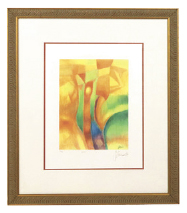
Fairbanks directed the Fuller Craft Museum from 2012-2017 and was instrumental in helping to launch AntiquesAmerica.com and The Catalogue of Antiques and Fine Art. He was honored by Bard Graduate Center, Old Sturbridge Village, the Victorian Society in America and the Decorative Arts Society, among many others. A galvanizing speaker, he was the longest serving president of the Decorative Arts Trust as well as an adjunct professor and lecturer at nearly a dozen institutions. Ever creative, he both taught painting and contributed works of his own to museums and galleries nationwide.
Predeceased by his wife, Louisa Eckenbrect Fairbanks (1930-2020), and brothers Avard, Eugene, Elliot and Justin. Fairbanks is survived by his daughters Theresa Louise (Channing Harris) of Hamden, Conn., and Hilary Ann (Timothy Burton) of Dedham, Mass.; granddaughter Olivia Marion Harris; brothers David, Grant and Virgil Fairbanks; and adopted sisters, Georgia Fairbanks and Maria Hansen.
Relatives and friends are invited to attend his funeral on Tuesday, August 18, at 1 pm at the Forsythe Chapel at Forest Hills Cemetery, 95 Forest Hills Avenue in Boston, followed by interment in Forest Hills Cemetery. The proceedings will be livestreamed and may be watched by going to www.harborview.live. A reception will follow at the Fairbanks Family Homestead in Dedham, 511 East Street, with parking at the nearby American Legion, 155 Eastern Avenue, Dedham, Mass.
Memorial gifts in support of the restoration and preservation of the Fairbanks House may be made to the Fairbanks Family in America, Inc at www.secure.qgiv.com/for/fairbanksfamilyinamerica.
In Memoriam
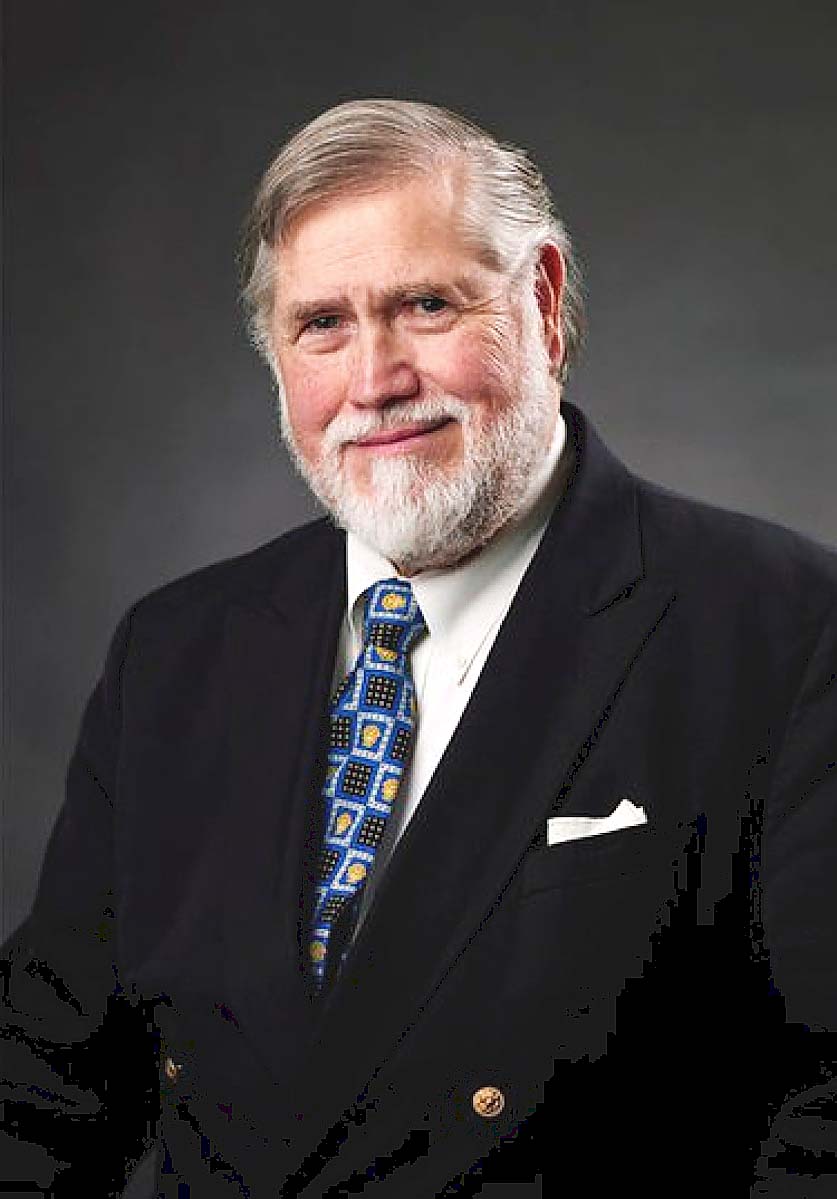
Jonathan Fairbanks
February 19, 1933 – August 1, 2026
Compiled by Laura Beach
As everyone reading this probably knows, Jonathan Leo Fairbanks was an artist, curator, teacher, mentor, conservator, lecturer, museum director and an extraordinary institutional collector and fund-raiser, to say nothing of being a raconteur of epic proportions. He could (and often would) recite a long poem from memory or recall a hilarious story from his past. But he was also, and perhaps more significantly, a friend and colleague who touched the personal and professional lives of many people in manifold ways too numerous to recount. We benefited from being members of that small army of people formed during Jonathan’s long life at many institutions and in many contexts. We should also remember at this sad time his amazing wife, Louisa, who passed away in 2020. She was a political sympathizer and dear friend to us as well.
As noted, when Jonathan retired as director of the Fuller Craft Museum (a position he held with distinction despite his generally dim view of museum directors), he will always be remembered and treasured for his devotion to knowledge, generosity, humor, intellectual curiosity, openness to new ideas, ability to convey techniques and processes, and for his understanding of all the meanings and memories that are embodied in a work of art. We will miss Jonathan more than words can express.
Barbara & Gerry Ward
B: American historian, curator & grants writer, Black Heritage Trail of New Hampshire
G: Curator & editor, Portsmouth Historical Society/Portsmouth Marine Society Press, Katharine Lane Weems senior curator of American decorative arts & sculpture emeritus, Museum of Fine Arts, Boston
Everyone who knew Jonathan has a Jonathan story. My most memorable one dates to the spring of 1972, when he called to offer me a year-long internship at the Museum of Fine Arts, Boston. The call caught me by surprise, but I had the good sense to say yes. It was my first museum job and came shortly after my first public lecture and first publishing opportunity, both of which Jonathan had orchestrated. Over the years, he helped so many of us at the start of our careers. Through his generous spirit, exceptional talents and insatiable curiosity, he touched the lives of friends, strangers and folks like me who are far better people for having known him.
Brock Jobe
Professor emeritus, American decorative arts, Winterthur Museum, Garden & Library; governor & past president, The Decorative Arts Trust
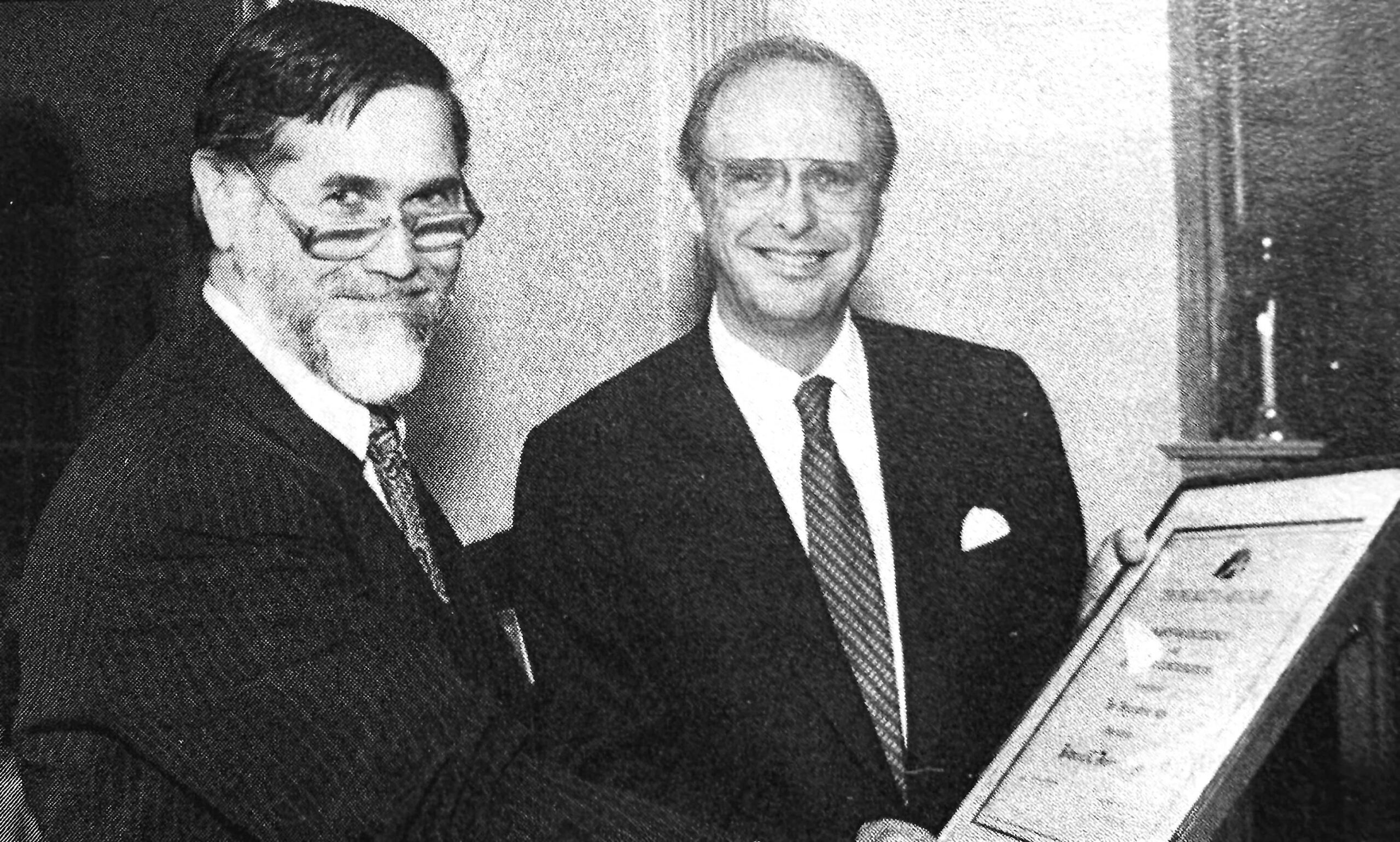
Fairbanks and Edward C. Johnson III at the Decorative Arts Trust’s Fall 1989 Symposium in Salem, Mass. Image courtesy the Decorative Arts Trust.
Jonathan L. Fairbanks was a true giant in the field of American decorative arts. As many who knew him can attest, he was a reciter of classical poetry, conversant in natural history (diorama painter, student of mammalogy and invertebrates, master of bird calls), an artist, an innovative curator and mentor to many in the field. He was filled with curiosity, unbound energy and a contagious love of all artistic forms.
I was fortunate to work with Jonathan in the department of American decorative arts and sculpture at the
Museum of Fine Arts, Boston, from 1985 to 1992. From his example I learned to embrace all media and time periods, from Indigenous material culture to contemporary studio craft. He hired smart, curious and energetic staff, then consistently trusted and supported that staff to explore decorative arts in unconventional ways. The result was a development system for innovative scholars and trailblazing exhibitions. There was a real joie de vivre in that department. At the center of this dynamic hothouse for collecting and interpretation was Jonathan’s smiling face, expansive interests and encouraging words. Those whom he inspired carry on his work.
Edward S. Cooke, Jr
Charles F. Montgomery professor of the history of art, Yale University
A titan in the field of decorative arts and material culture, whose research ranged from colonial Massachusetts to contemporary California, Jonathan Fairbanks was also an accomplished artist and Renaissance man. His contributions to the Decorative Arts Trust as our longest-serving board president cannot be overstated. Holding that role from 1989 until 2008, he and honorary governor and former executive director Penny Hunt were the organization’s dynamic duo, deftly steering the organization through countless achievements and milestones over that nearly 20-year stretch. His importance to our organization lives on in the form of our endowed Jonathan L. Fairbanks Lecture, which headlines each DAT Symposium.
Matthew A. Thurlow
Executive Director, The Decorative Arts Trust
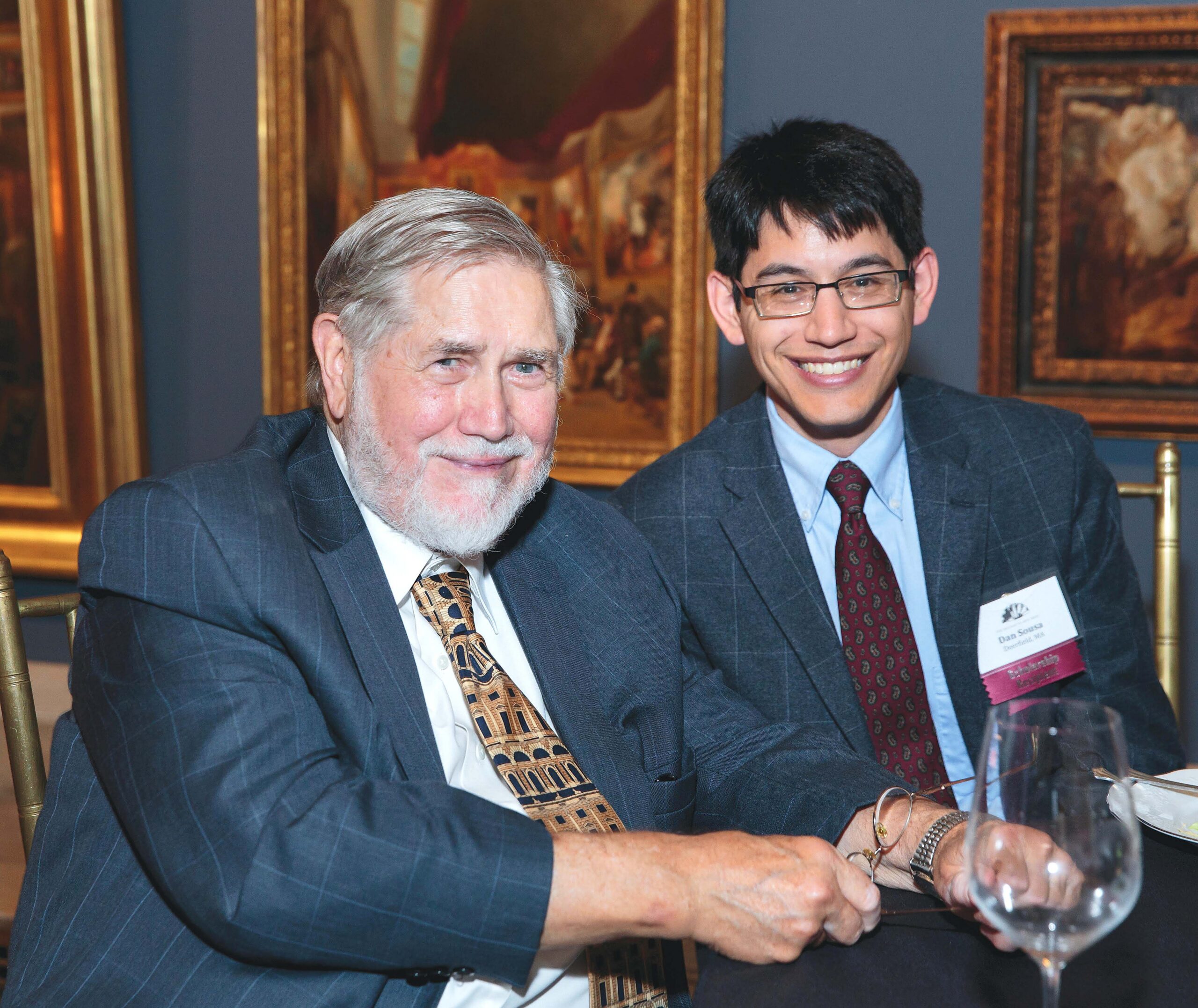
Fairbanks and Daniel Sousa at the Decorative Arts Trust’s 40th Anniversary celebration at the Wadsworth Athenaeum in 2017. Image courtesy of the Decorative Arts Trust.
Though Jonathan Fairbanks’ importance to American decorative arts, especially in New England, is well known, he also made a lasting impact at Bayou Bend in Houston. In 1961, Ima Hogg “borrowed” him from Winterthur to teach the very first class of Bayou Bend docents. He spent that July in Houston. Through the heat and humidity — the house was not entirely air-conditioned yet — Jonathan led the group of more than 20 women through a month-long course in American decorative arts. Jonathan’s lectures were collected, transcribed, edited and became the basis for all of the early docent classes at Bayou Bend, until a curator was hired in 1965. Jonathan established a tradition of rigorous training and academic excellence for the Bayou Bend Docent Organization. His legacy lives on in Houston every time a visitor experiences the house with one of our docents.
Daniel Ackermann
Director, Bayou Bend Collection & Gardens, Museum of Fine Arts, Houston
There are people who hold a special place in our lives. Jonathan was one such individual. A friend for close to 40 years, his greetings and conversations were with a broad smile, enthusiasm, sense of humor, generosity, kindness and always with a twinkle in his eyes. These characteristics were hallmarks of his essence, as was constant curiosity. A beacon in the fields of American furniture and decorative arts, where our paths overlapped through the decades, his interests and knowledge expanded well beyond these areas of research. His inquisitive mind led to a natural passion for sharing new discoveries and bits of information on whatever topic was at hand. When I visited him several months ago, he was watching a video on Italian sculpture of the Renaissance. A man of many talents, he was also an accomplished artist, sometimes painting in the Eighteenth Century tradition. Visiting him in his art studio, with works covering the walls and easels, was a special treat.
Johanna McBrien
Executive director, Dedham Museum & Archive
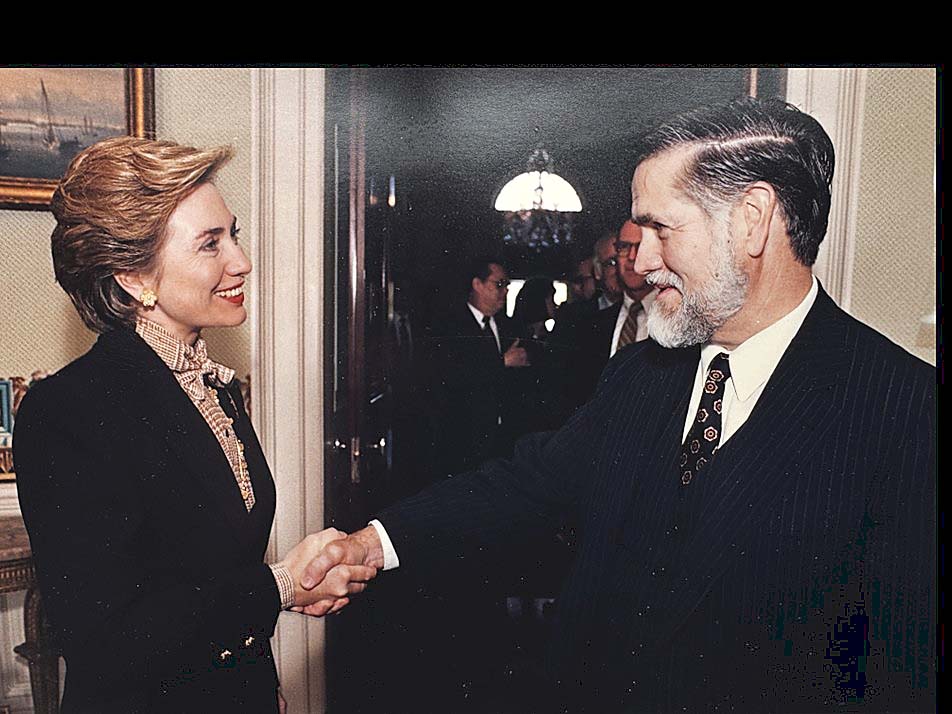
Fairbanks with First Lady Hillary Rodham Clinton.
While the Seminarians were in being when Jonathan came to the Museum of Fine Arts, Boston, in 1970, he was the glue that held our group together for more than 50 years of scholarship and camaraderie. His inquisitive and always curious mind, with an ever-present twinkle in his eyes, captured many and served to teach how to look at and appreciate an object, its form, what it represented and the history it held. Not only did we all benefit from Jonathan’s knowledge, but we were also privileged to learn from those whom he mentored.
Jonathan B. Loring
Trustee, The Seminarians
Jonathan had a word (or a series of words, or a verse, or even a song) for every occasion. His introductions of speakers will remain memorable. They were always gracious and frequently familial, when the speaker was a friend. And they always left us anticipating the lecture that would follow. Any member attending a symposium soon realized that Jonathan was by turns an artist, a linguist, a curator, a collector, one of the best possible story tellers and always extremely generous with his depth of knowledge, from Pueblo pottery to American furniture.
Penny Hunt
Honorary governor & past director, The Decorative Arts Trust
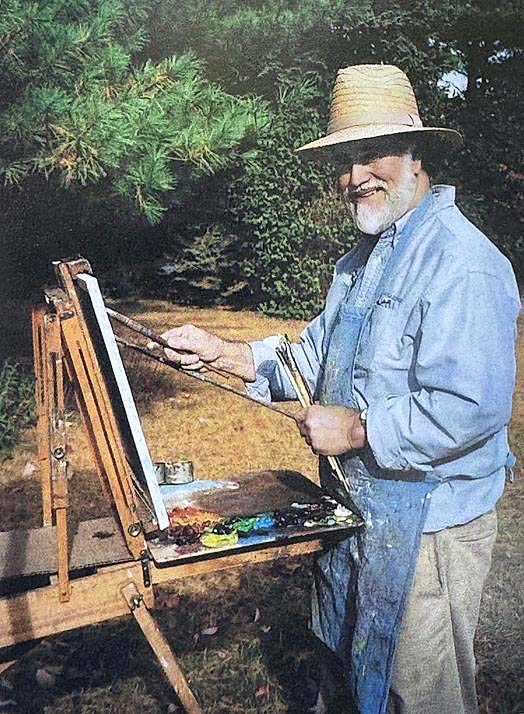
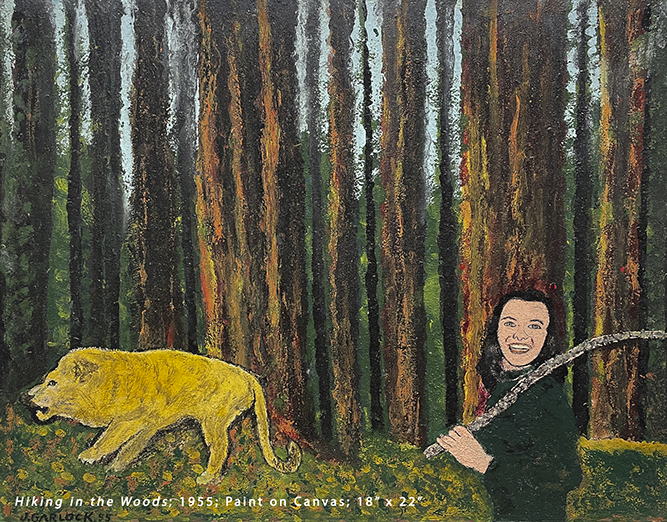
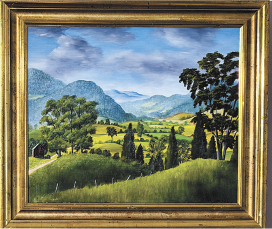
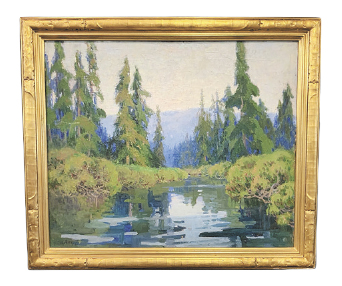
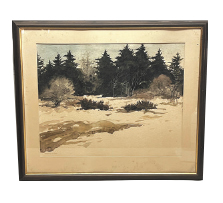
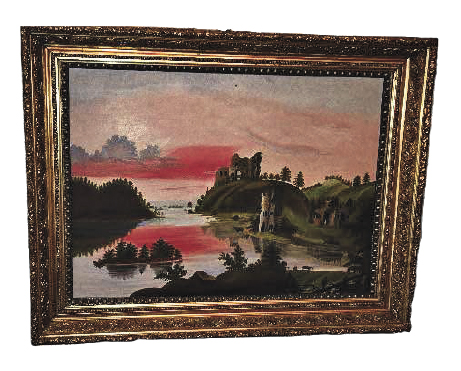
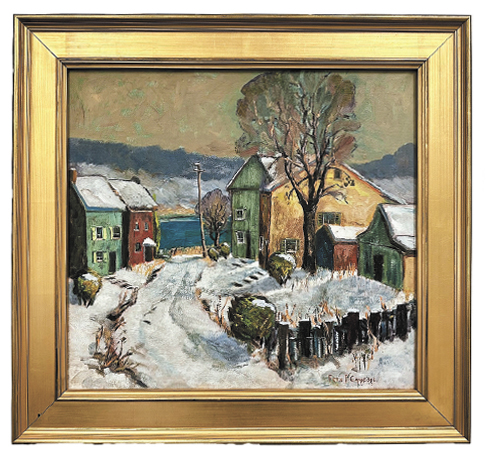
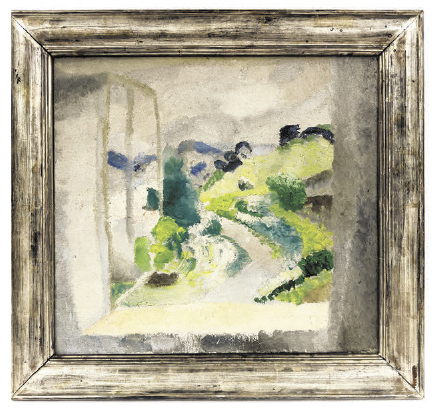
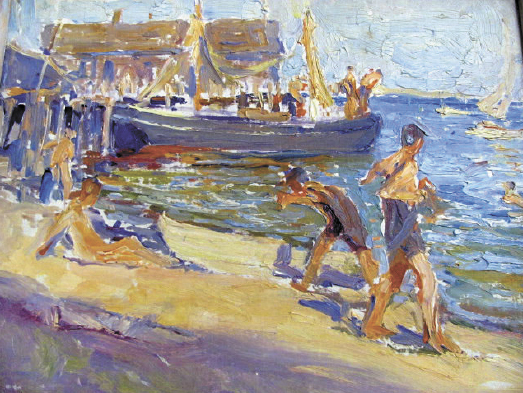
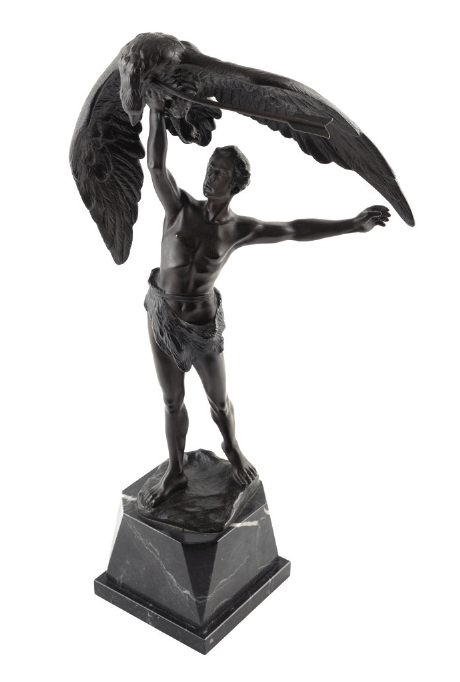
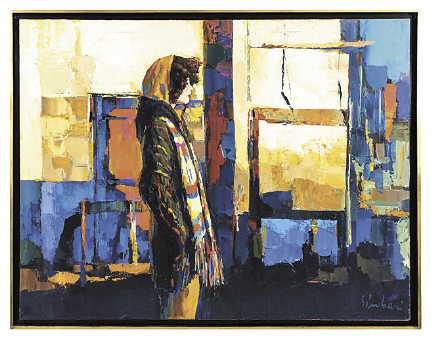
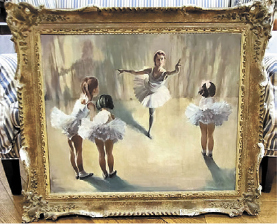
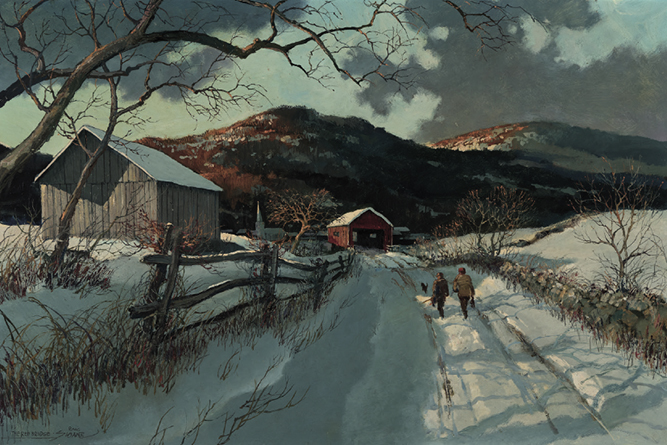
The son of sculptor Avard Tennyson Fairbanks (1897-1987), Jonathan Fairbanks painted for much of his life, bridging the gap between makers and those who study them.
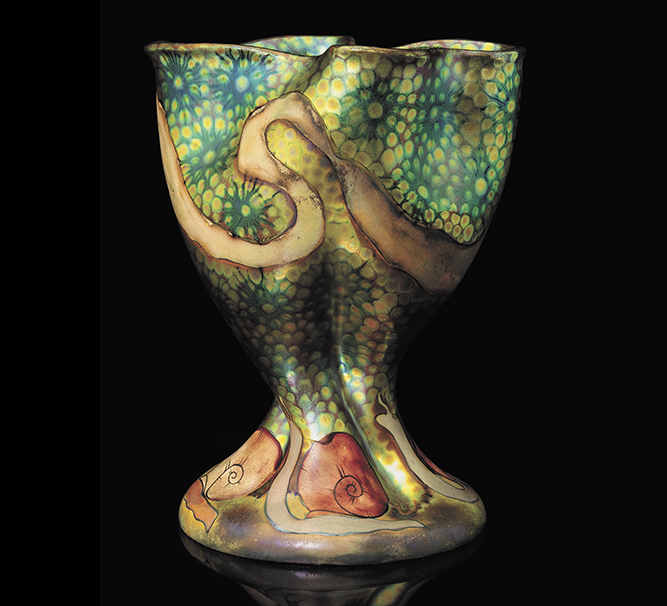
Jonathan was a legendary figure in the world of American art and decorative arts. I was honored to know him as a friend and mentor. Jonathan taught in the American material culture program at Winterthur, which houses a spectacular collection of glass among its many treasures. One of his students was Dwight Lanmon, who became executive director of the Corning Museum of Glass and later Winterthur Museum. In the early 1980s, when I went through the program, Dwight served as my thesis advisor. I am proud to think of the New Bedford Museum of Glass as another star, albeit a tiny one, in the firmament of their extraordinary professional careers.
Kirk J. Nelson
Executive Director, New Bedford Glass Museum
The Decorative Arts Trust has published a special Bulletin post in tribute to Jonathan Fairbanks, which can be viewed at www.decorativeartstrust.org/remembering-jonathan-l-fairbanks-post
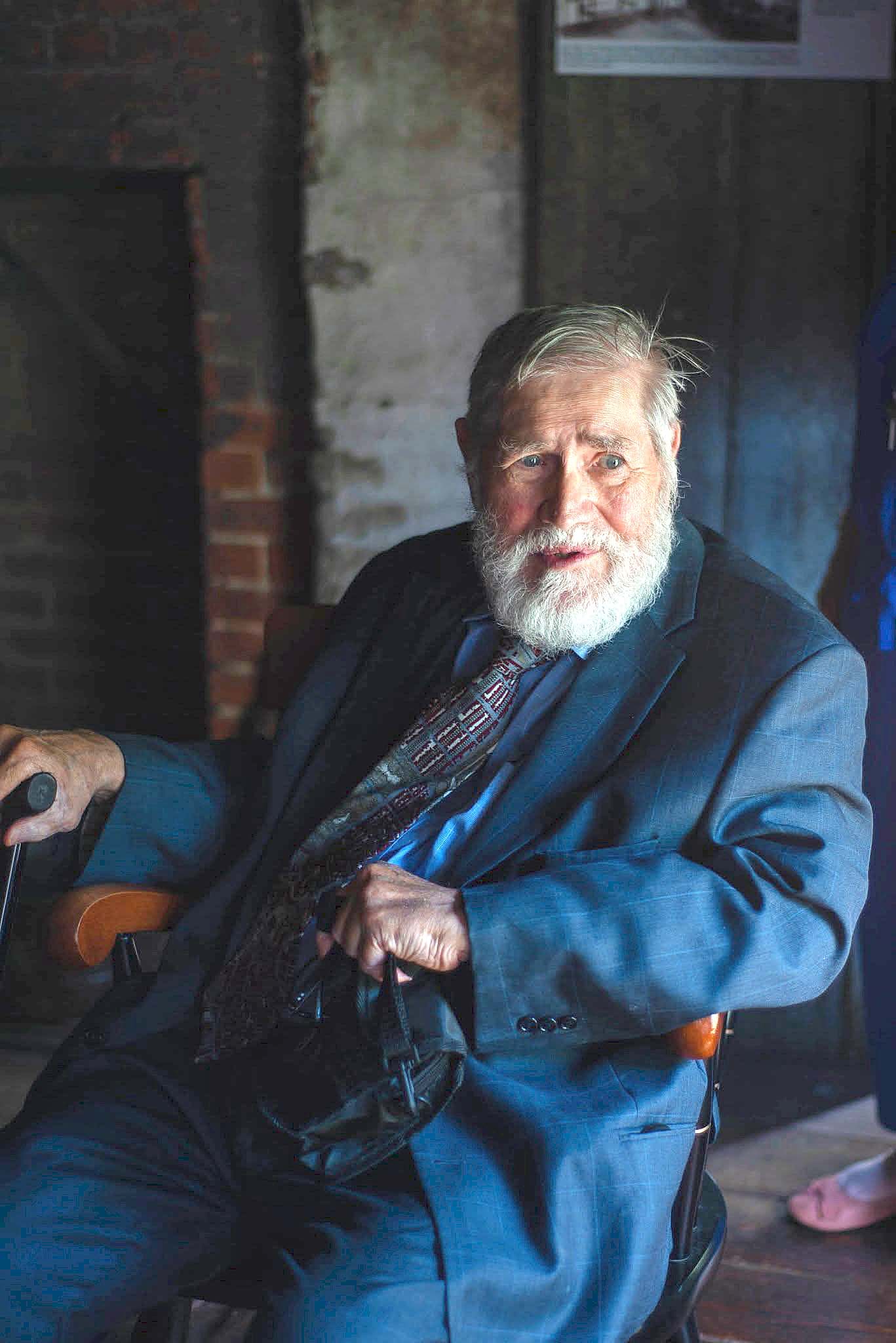
The scholar devoted himself to the preservation of Dedham’s Fairbanks House, built by his namesake ancestor in 1637, and recently attended the 125th Fairbanks Family Reunion at the homestead.