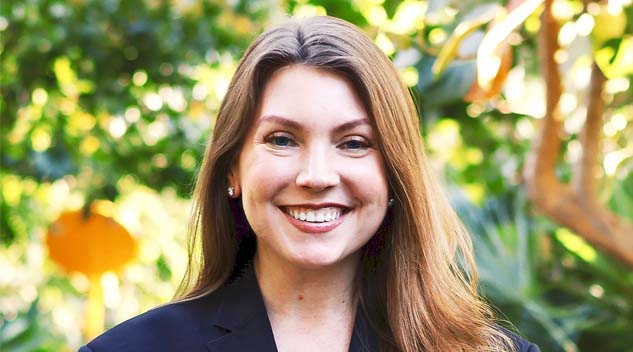
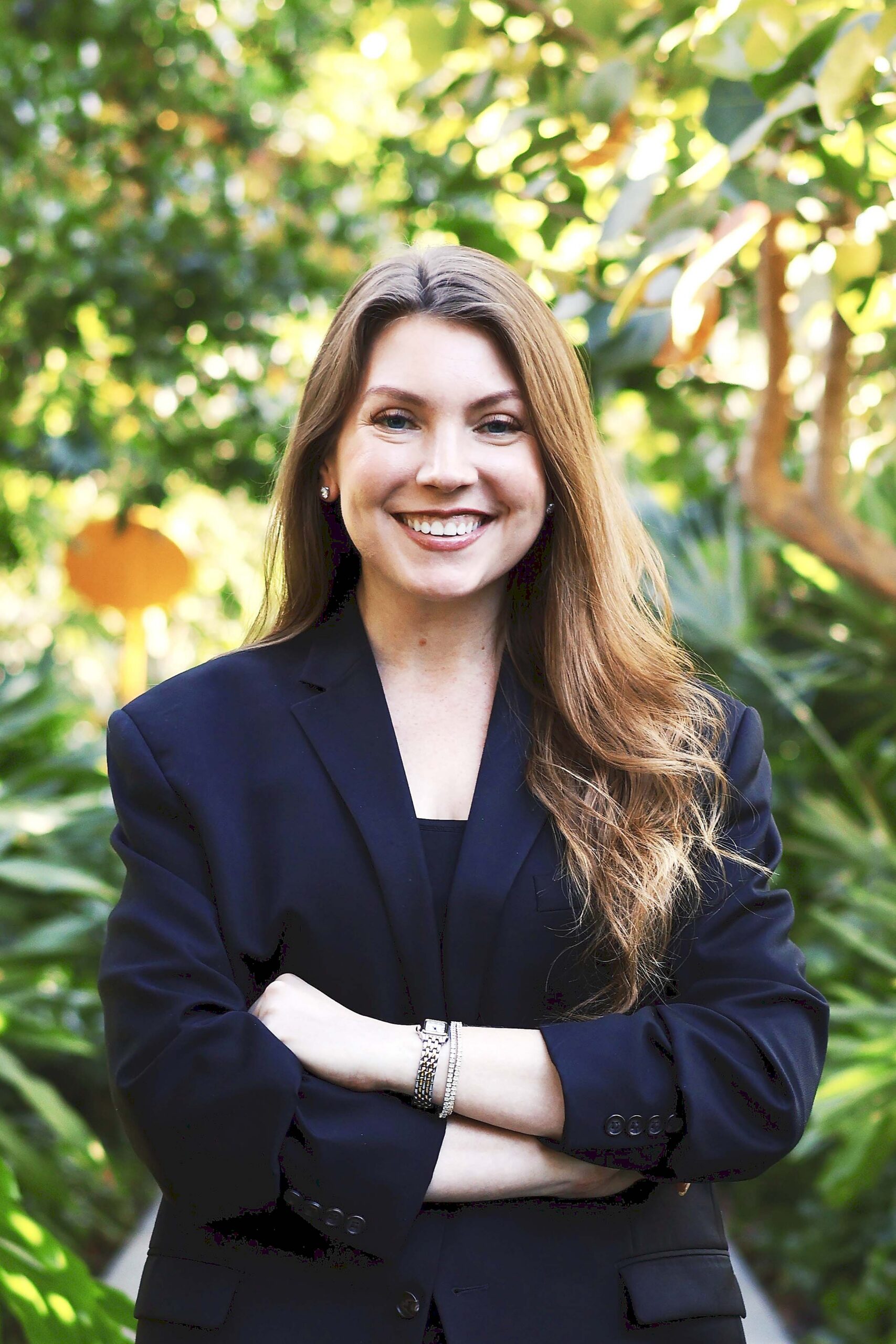
Clara Fecht. © Adison Gonzalez.
On May 18, Clara Fecht began her position as the senior director of development at the Rhode Island School of Design (RISD) Museum. Fecht was formerly the director of individual giving at the Norton Museum of Art (West Palm Beach, Fla.), so when Antiques and The Arts Weekly caught wind of this news, we reached out, excited to get the scoop on Fecht’s decade-plus of art history and museum fundraising experience, what her first few weeks at RISD Museum have been like and what the future holds.
Congratulations on your appointment to senior director of development at the RISD Museum! What has the first month or so in the position looked like for you?
That’s incredibly kind — thank you! It is all still very much a “pinch me” moment, and I am inordinately lucky to be part of the RISD community.
The first month has been a whirlwind of activity and a welcoming introduction to the many facets of the RISD experience and the incredible people who make it all possible — from my colleagues at the Museum and on the institutional advancement team, to our dedicated supporters, docents and volunteers, the Museum’s board of governors and fine arts committee.
I was fortunate to be on campus for the opening of our most recent special exhibition, “The Artistry and Reunion of Two Surimono Albums,” and was immediately taken by the energy, excitement and passion the RISD community and our local communities have for the Museum and its mission. There is so much opportunity on the horizon as RISD and the RISD Museum celebrate their 150th anniversaries in 2027. A 150-year-old legacy of education, curiosity and innovation; of unlocking the creative process and actively contributing to a global conversation on the meaning and making of art and design. It’s mind-boggling, and I’m so lucky to be a small part of RISD’s next chapter.
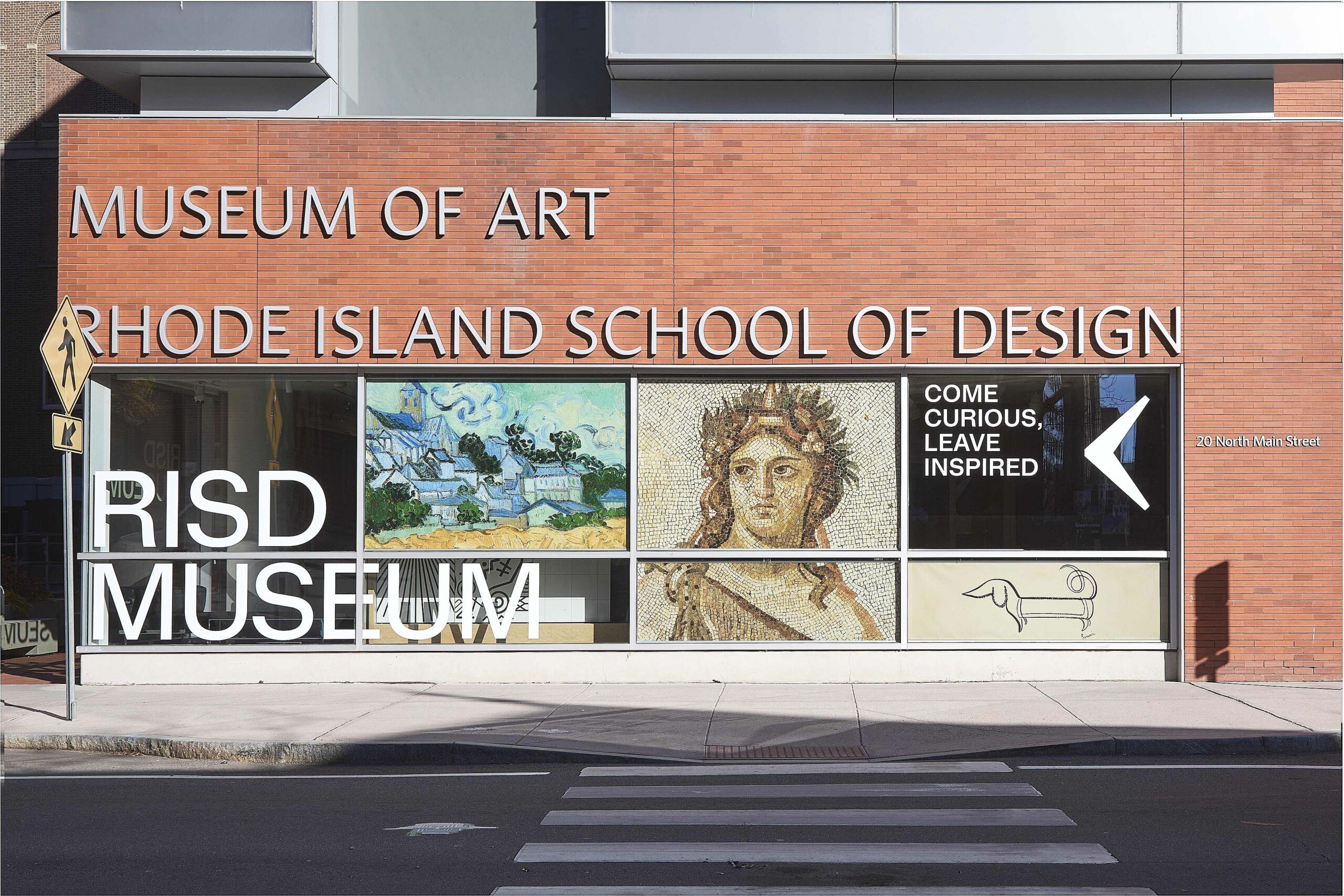
Museum of Art, Rhode Island School of Design, Providence.
How does this new role differ from your previous one as director of individual giving at the Norton Museum of Art?
I will always be grateful to the Norton and the many colleagues, mentors and friends who opened doors and helped shape my understanding of the art world and the essential role museums and cultural spaces play in it. RISD presents a new and exciting opportunity for me as it combines two passions — higher education and museums. I’m the product of a liberal arts education and would not be in the field I am today if it weren’t for the lifelong curiosity I fostered during my time at Denison University and the countless ways in which my education was transformed by having access to the collection at the Denison Museum.
The RISD Museum is among the oldest college art museums in America. It has a unique responsibility of serving RISD students, faculty, staff and alumni while also being the largest art museum in the state of Rhode Island. It is critically important that we strengthen RISD’s educational mission while also reinforcing the Museum’s role as a cultural anchor and vital resource for arts access and creative exploration for increasingly diverse local, regional and global audiences. It’s this confluence of audiences and academic missions that sets the RISD Museum apart from my previous experiences at other art museums, and it’s one of the things that excites me most about the adventure ahead.
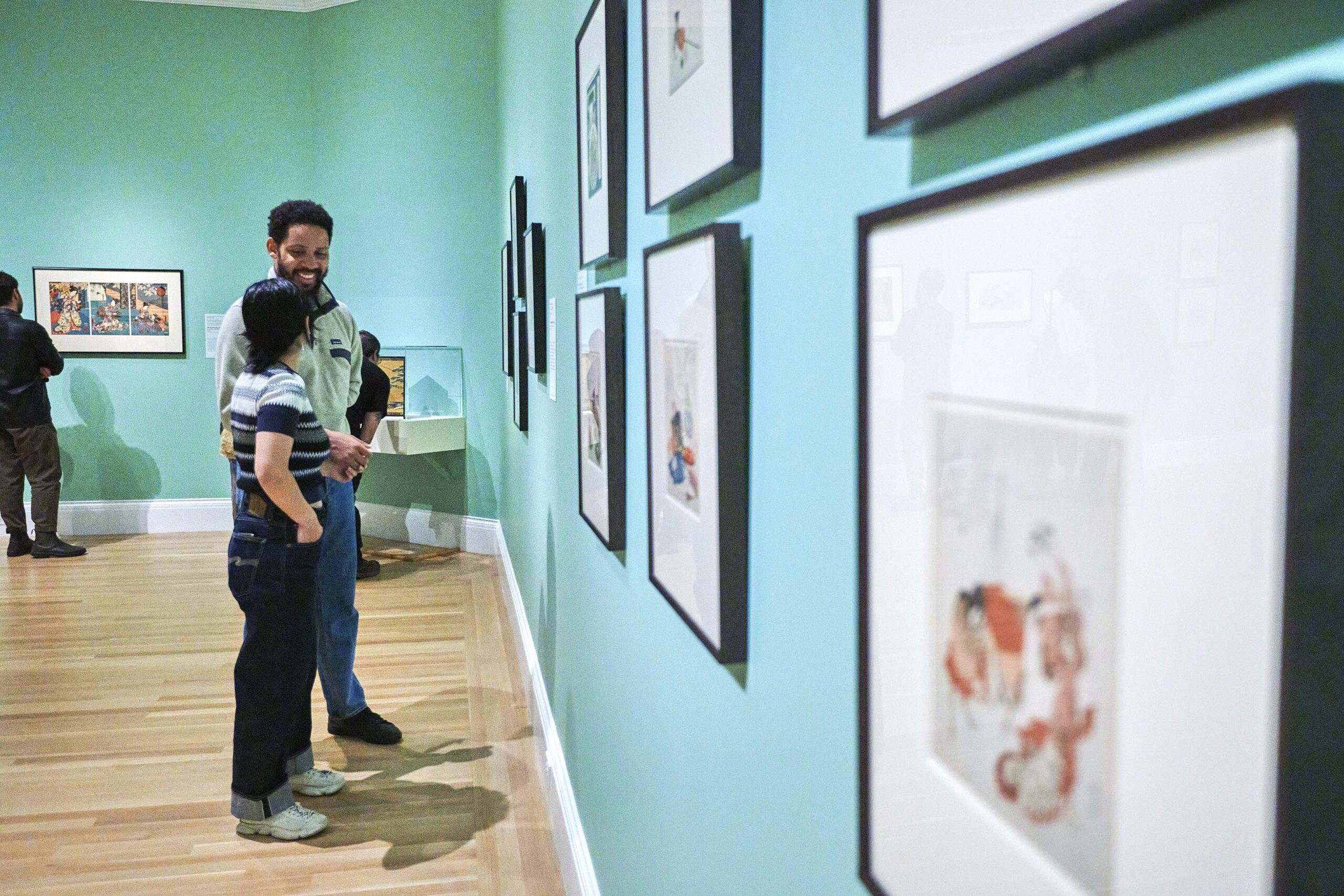
Opening celebration: “The Artistry and Reunion of Two Surimono Albums,” May 21, 2026. RISD Museum, Providence, R.I. Photography by Glenn Turner.
It seems as though you’ve entered the RISD Museum at a pivotal time, especially in terms of developing new fundraising strategy. What are some of your goals for this process as you begin your time here?
Learning our story and the stories we’ve been entrusted to safeguard is step one. It’s looking back in order to look forward. We can’t chart for the future unless we take time to really examine the histories of the Museum, the college, the communities we serve, the collection, policies, successes and challenges. That’s when the real magic happens and we ask ourselves who do we want to be, and how do we get there?
The RISD Museum is asking these questions and has been actively engaged in this important work since 2025 when it announced its five-year strategic plan. At a time when art museums are fighting to stay relevant and most institutions are struggling to bring annual visitorship back to pre-pandemic levels, the RISD Museum has seen increased record attendance every year since 2020. Intergenerational audiences are responding to the realignment and reimaging of the Museum’s mission, vision and values centered on a commitment to innovation, inclusivity, creativity and understanding. And there is still so much more we can do.
As someone with an arts background, the idea of fundraising initially seemed so foreign and out of place to me within the creative process. But at its core, fundraising is relationship building. Success is measured in dollars and cents, but financial goals would not be attainable without authentic human connection and the alignment of individual passions and institutional mission so that together we can work to safeguard visual histories. Collaborating with colleagues, board leadership, donors, members, collectors, docents, volunteers and community stakeholders is paramount, especially as I’m becoming more familiar with the philanthropic ecosystems of the RISD Museum and the many communities we serve.
The museum world is much smaller than perhaps most people realize. It isn’t six degrees of separation but two, even one degree in most cases. I’m quickly learning this same principle applies to Providence and Rhode Island at large, which makes the journey ahead all that more exciting. This collaboration will be key to charting and achieving the financial sustainability needed to support the RISD Museum’s visionary future.
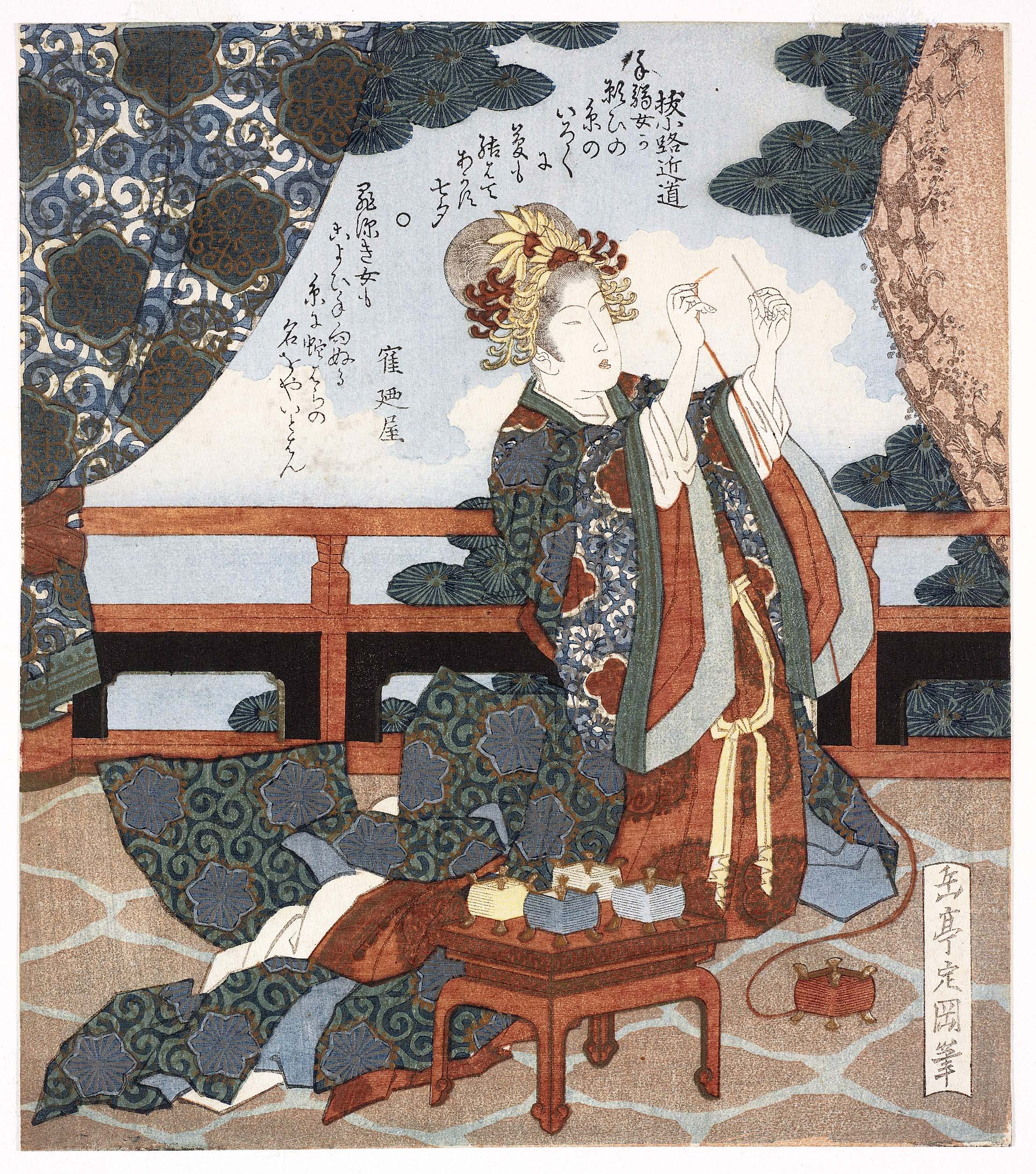
“A Woman with Spools; A Chinese Woman Examining Thread” by Yashima Gakutei (Worked in Edo and Osaka, Japan, 1786-1868), 1820s. Gift of George Pierce and Pauline Pumpelly Cabot Metcalf. RISD Museum, Providence, R.I.
You have an extensive background in art history, including your bachelor’s and master’s degrees. How do you incorporate your knowledge in that field into positions such as this one?
I never imagined my career in museums would be on the financial side of things, but it certainly helps to love what you do and be pleasantly surprised along the way. Museum fundraising continues to evolve, as it has over the last several decades, and extends far beyond keeping the lights on. A significant focus of my work is also supporting the RISD Museum curators in their efforts to expand the Museum’s collection.
One thing we don’t often talk about is how a work of art finds its way into a museum collection, which is predominately through gifts of art. Works available at auction are — in a majority of cases — unattainable by museums, as funding is limited and directed towards the museum’s annual ambitions and expenses. The curators routinely review the Museum’s collection, identifying artists, genres and movements that are not represented in our galleries. These collection development plans help us understand the many ways specific new works of art would allow the Museum to expand upon the current conversations our collection inspires.
Being able to pull on my art historical training and work alongside the curators to create strategies for identifying funding and gift opportunities to acquire new works of art is one of the most exciting parts of my role. It also opens the door for more thoughtful conversations on the financial and spatial requirements for proper collections care and storage, and the responsibilities of museums as stewards and safeguards of cultural heritage at a time where arts access, education and support is rapidly diminishing.
What are you looking forward to the most as you take on this new role?
I’m already so deeply inspired by the passionate and committed museum professionals I’m fortunate to now call my colleagues at the RISD Museum. The thoughtful and inquisitive nature that drives their work also encourages deeper, more meaningful conversations addressing some of the biggest challenges facing art museums today. RISD is a community of innovators and industry leaders. I’m honored to be part of their cohort as we work diligently to create positive change in a place of inspiration, education and connection, and look ahead to the next 150 years.
—Kiersten Busch