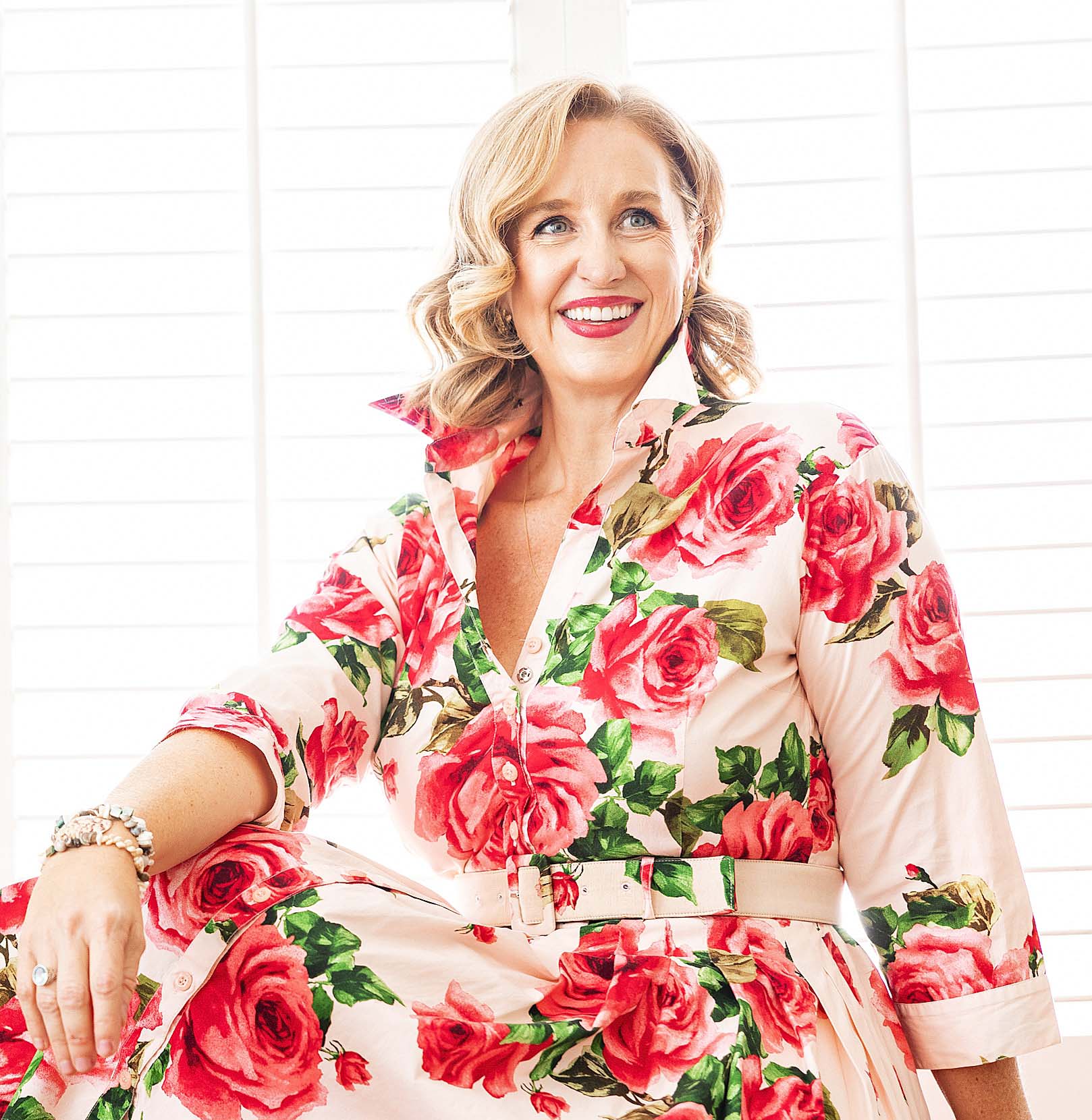
Kipton Currier, owner of East Coast Expositions, was not thwarted when Mother Nature tried to ruin her very first antiques show back in January, dumping snow and icy rain on Richmond, Va. She shortened the Virginia Antiques Expo’s run, but buyers and dealers still went home happy. Antiques and The Arts Weekly was curious what inspired her to tackle her first show, a decision she made back in August, a mere six months before its debut, so we decided to find out!
How did you get your start with collecting and antiques/design? What kinds of objects or collecting categories most personally interest you?
I sometimes joke that I was hit with a “midlife antiquing virus” — perhaps at Winterthur, or maybe at the Foire de Chatou outside Paris. What began as curiosity quickly became fascination.
I’ve always loved beautiful objects, but adding “old” to that equation changed everything. Age brings narrative. It brings stewardship.
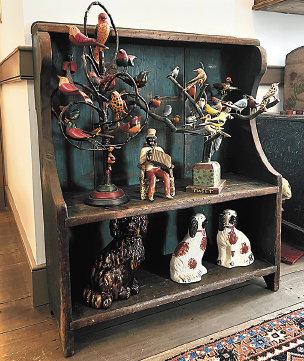
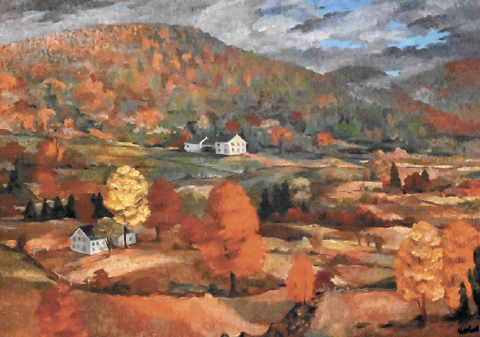
I’m especially drawn to antique animals, hand-painted objects, works on paper and pieces that reflect extraordinary craftsmanship. American-made also matters deeply to me — legacy, quality and story are interconnected. My love affair with American antiques is still in its early chapters, and that’s part of the excitement. The more I learn, the more I realize how much there is to preserve and reinterpret for modern living.
How did you turn from being a collector to running an antiques show promoter?
In June 2025, while antiquing in Morehead City, N.C., I stopped in the shop of Nell Thompson of Seaport Antique Market. I mentioned I was from Richmond, and she said, “I wish they would bring back the antiques shows to Richmond.”
That simple comment stayed with me.
At the time, I was evaluating the next chapter of my professional life. I began researching the industry — past shows, current models, demographic shifts and consumer trends. What I saw was opportunity: strong dealer talent, loyal collectors and room to present the experience in a way that felt immersive, celebratory and relevant to a new generation.
Within six months, East Coast Expo launched with roughly 3,000 attendees despite a snowstorm forecast. The intention was not just to host a show but to build a platform that honors tradition while embracing thoughtful modernization.
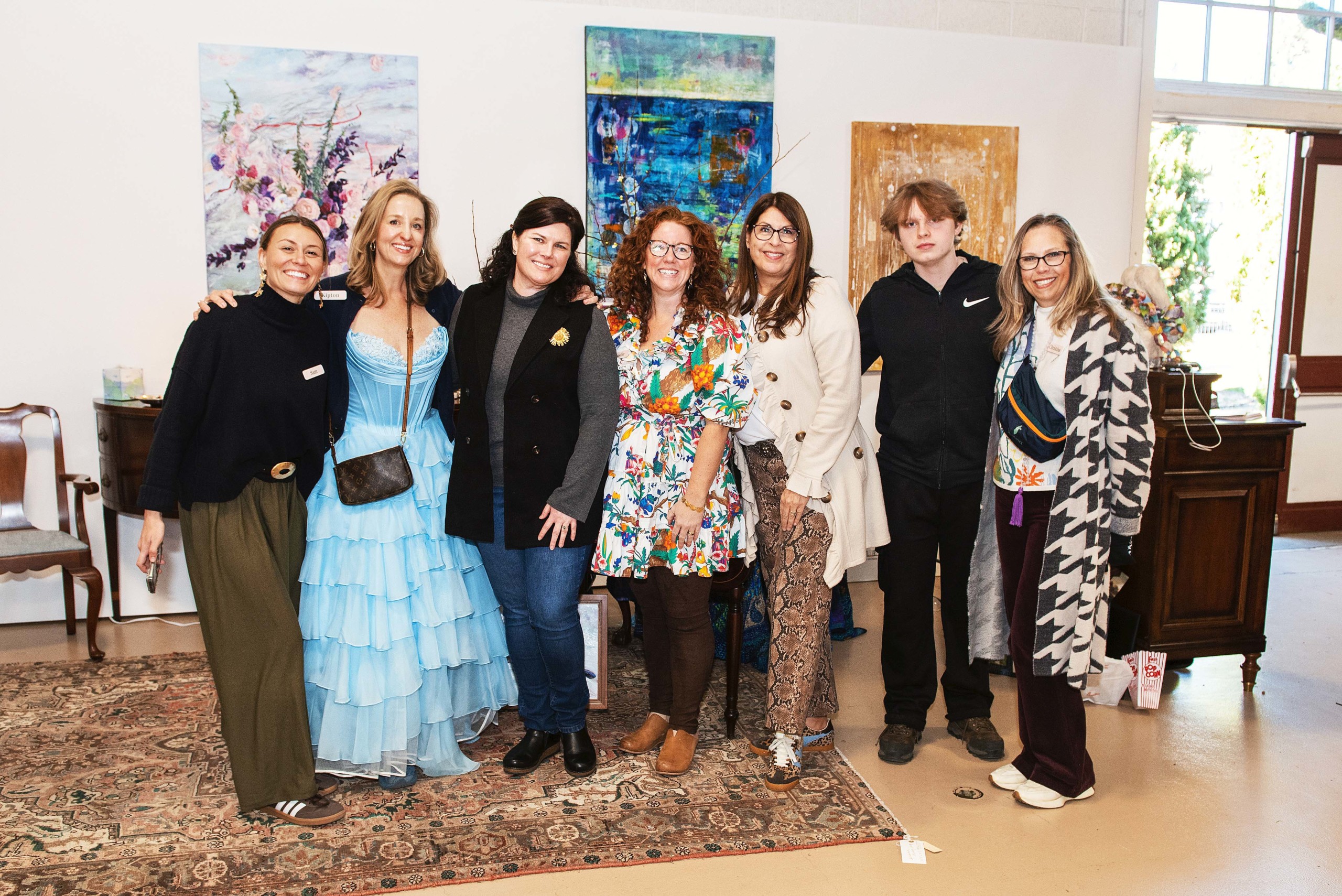
Kipton Currier (second from left) takes a minute to relax with friends, family and her show support team on opening day at her antiques show in January. Photo courtesy of Kate Grossman.
You have a strong business background. How did those skills translate into running an antiques show?
Each step informs the next.
My background is in building and launching initiatives across sectors. I tend to approach projects through both a creative and structural lens — vision first, then disciplined execution.
Running an antiques show required every part of that skill set: recruiting and supporting dealers, building relationships, designing a marketing strategy that extended beyond traditional advertising, forecasting budgets, managing logistics and shaping a brand identity that felt distinct.
On the surface, an antiques show is about objects. Behind the scenes, it’s about trust, systems and long-term positioning. I was fortunate to draw on prior experience to build something cohesive from the start — with infrastructure designed not just for a successful inaugural year but for sustainable, repeatable growth.
What was the biggest challenge in running your first antiques show?
Entering a well-established industry without preexisting dealer relationships required humility and speed.
In six months, I recruited 85 exhibitors — dealers, artists, artisans and performers — none of whom I knew before August 2025. Building credibility quickly meant listening carefully, communicating clearly, and honoring the expertise of the dealer community.
The support I received was extraordinary. Dealers offered advice, introductions and guidance throughout the process. That collaboration became one of the most meaningful parts of the experience.
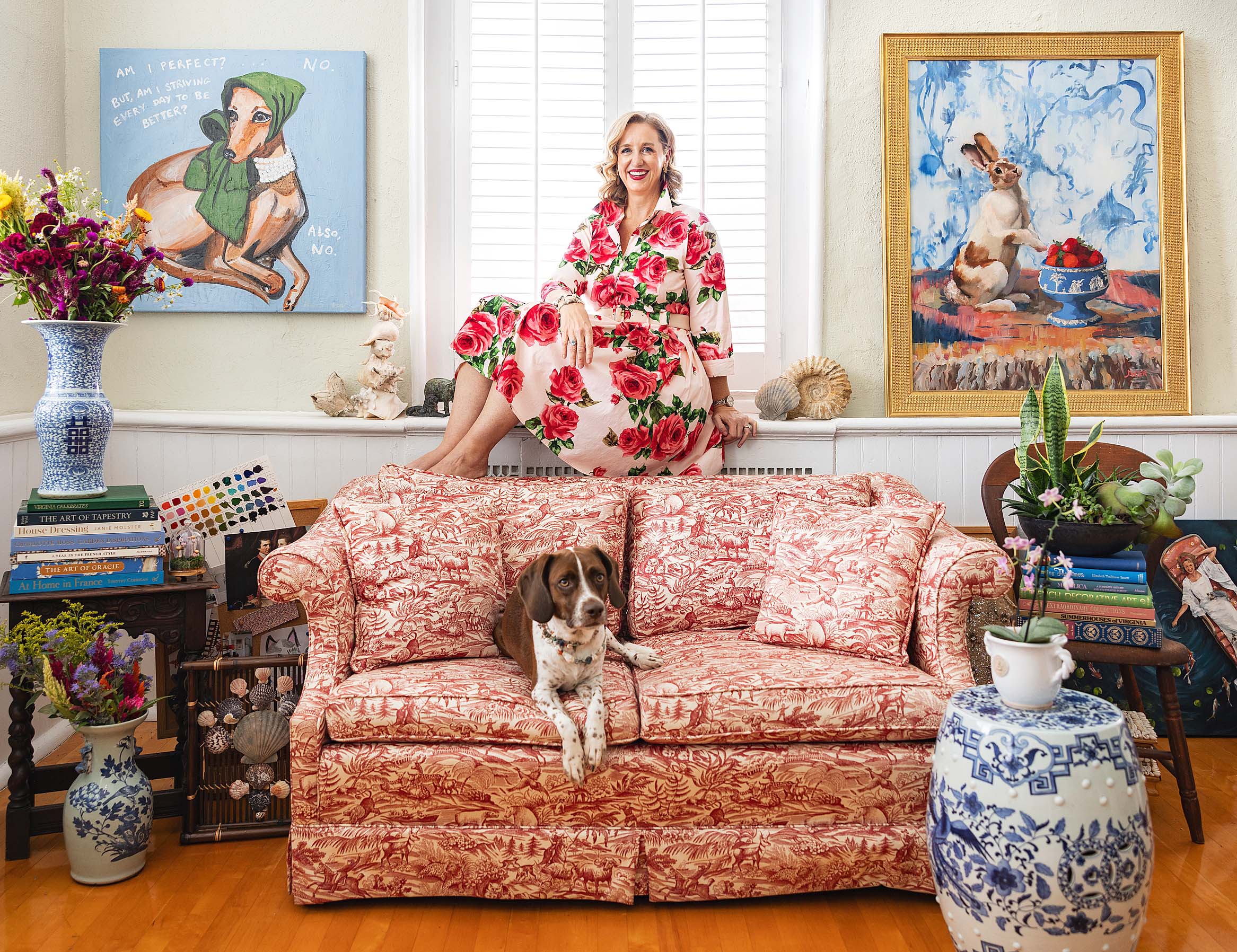
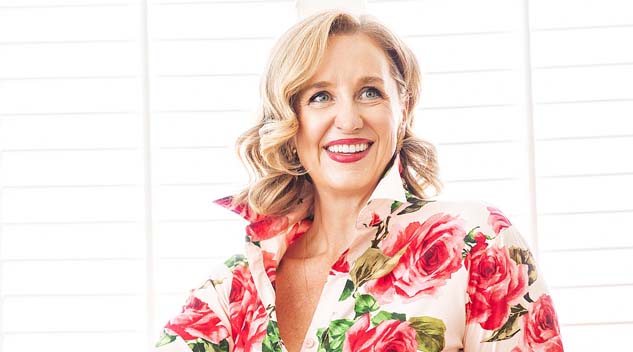
Kipton Currier poses in her office with her dog Elon. Photo courtesy Double Image Studio.
What was your favorite moment of that show?
Opening morning.
You never know if people will come to something new. That uncertainty can be unnerving — and motivating.
When the general admission doors opened, there was a line several hundred people deep stretching toward the racetrack. More cars were still pulling in. I walked the line and thanked every guest personally — I was grateful for each and every guest.
For me, that moment wasn’t just about attendance. It was about affirmation — that there is real appetite for antiques and design when the experience feels inviting, celebratory and thoughtfully curated.
What will the future bring for East Coast Expositions? More shows planned?
The next East Coast Expo: Antiques, Art & Design will take place September 17-20 , in Richmond, Va. It will remain our flagship event and continue to grow in depth and presentation.
Long term, I see opportunity to expand thoughtfully — partnering with strong regional markets and continuing to evolve in ways that support dealers while welcoming new collectors into the fold.
We are still early in the journey. That’s what makes it exciting.
—Andrea Valluzzo