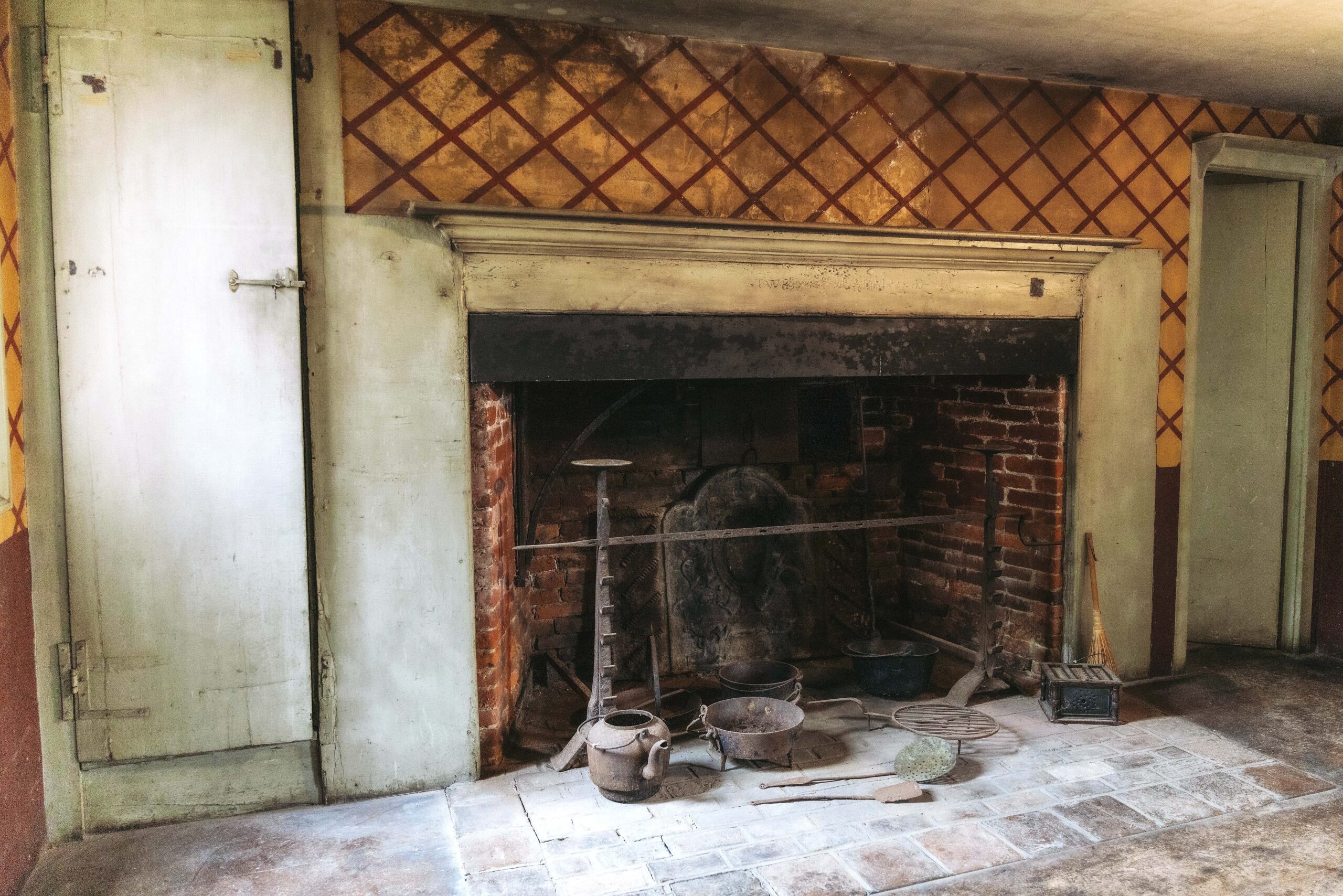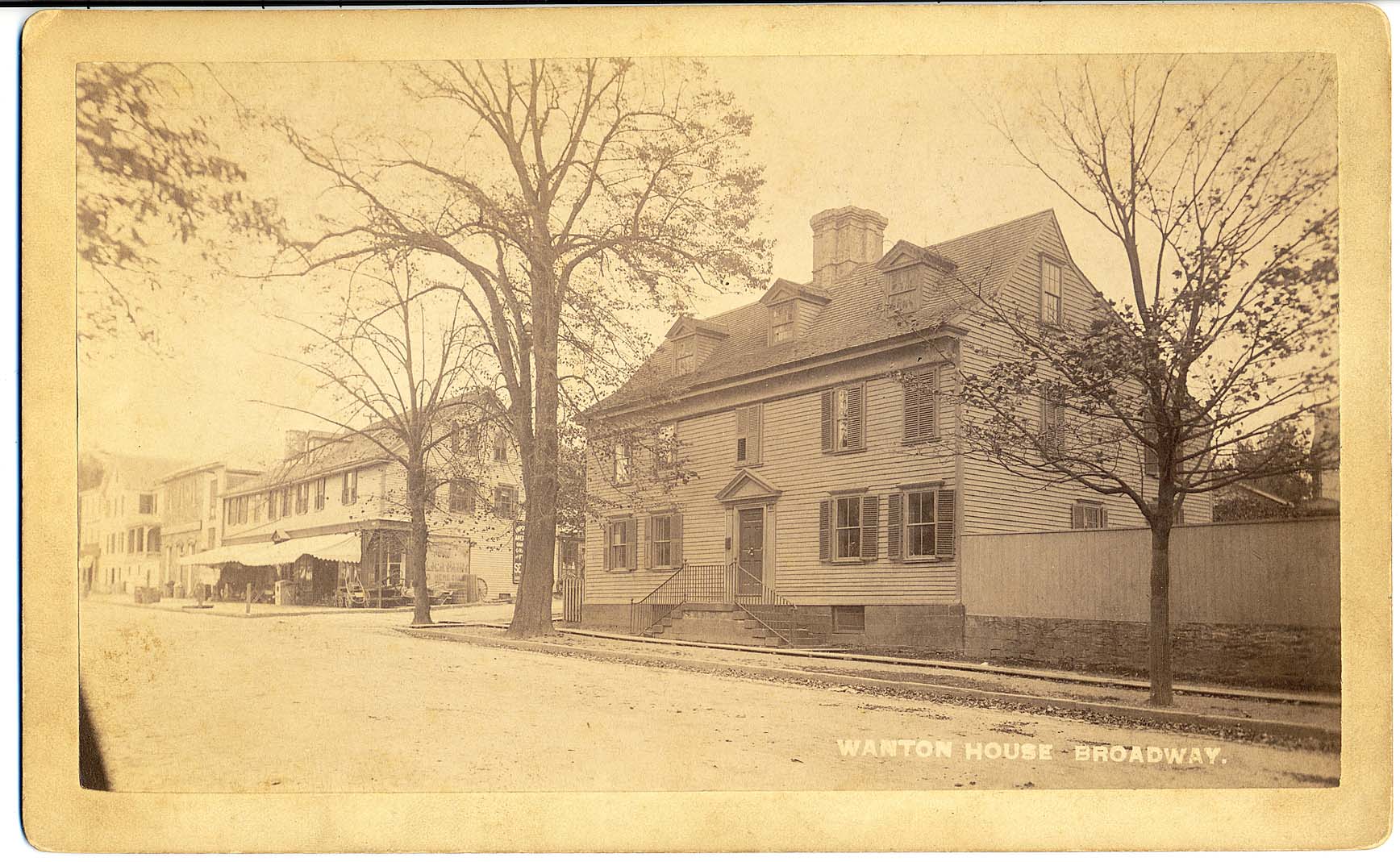
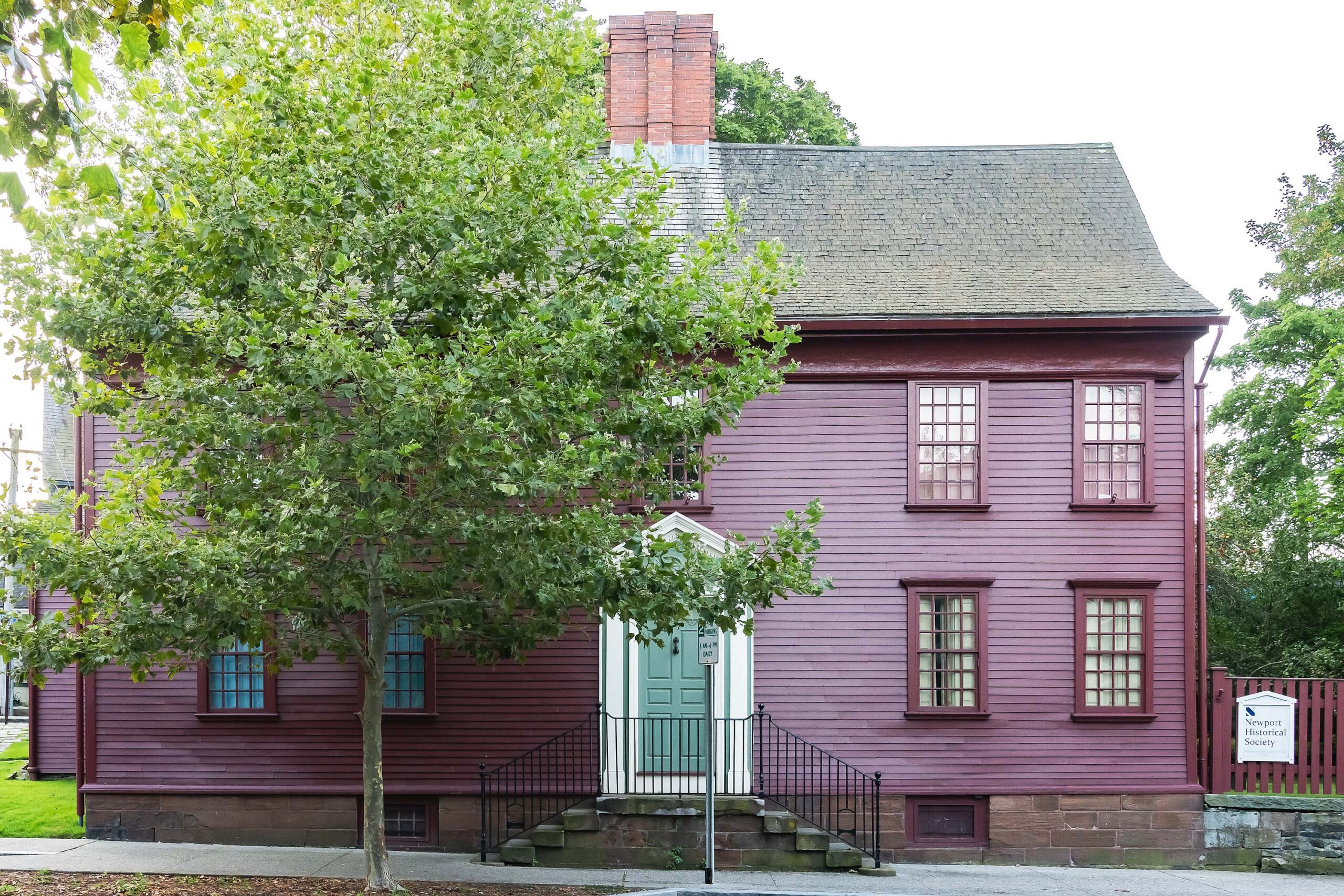
The Wanton-Lyman-Hazard House is the oldest documented surviving home in Newport. Located at 17 Broadway, it is within steps of other noteworthy historic properties, like The Colony House. Shannon Hammond Photography.
By Carly Timpson
NEWPORT, R.I. — As a coastal trade city revered for its secular freedoms, a crucial battleground early in the American Revolution and later a summer retreat dripped in Gilded Age opulence, Newport has a rich history with infinite narratives to explore. However, when addressing these histories, the stories of Black individuals have often been omitted. With a bustling harbor that became a hub for transatlantic trade and grand “cottages” owned by the exceptionally wealthy, it should be no surprise that Newport was rife with enslaved laborers. But their stories long went untold.
The Newport Historical Society (NHS) has been working on telling these stories for several decades now, and with the opening of the Edward W. Kane & Martha J. Wallace Center for Black History in the historic Wanton-Lyman-Hazard House, there is now a dedicated space for scholarship, education and remembrance. With a formal ribbon cutting on Juneteenth (June 19) and a full day of grand opening events on Saturday, June 20, the Newport Historical Society invites the community to take part in the opening of the Center for Black History, ushering in the next wave of reflection, learning and connection in Newport, celebrating the contributions of Black Newporters throughout history and today.
“The Center for Black History has been in the works for several years. It started as a collaboration between the Newport Historical Society and a number of grassroots Black history organizations in Newport that have been working together collaboratively to find a real space to tell the story of Black history in Newport,” shared Rebecca Bertrand, NHS executive director.
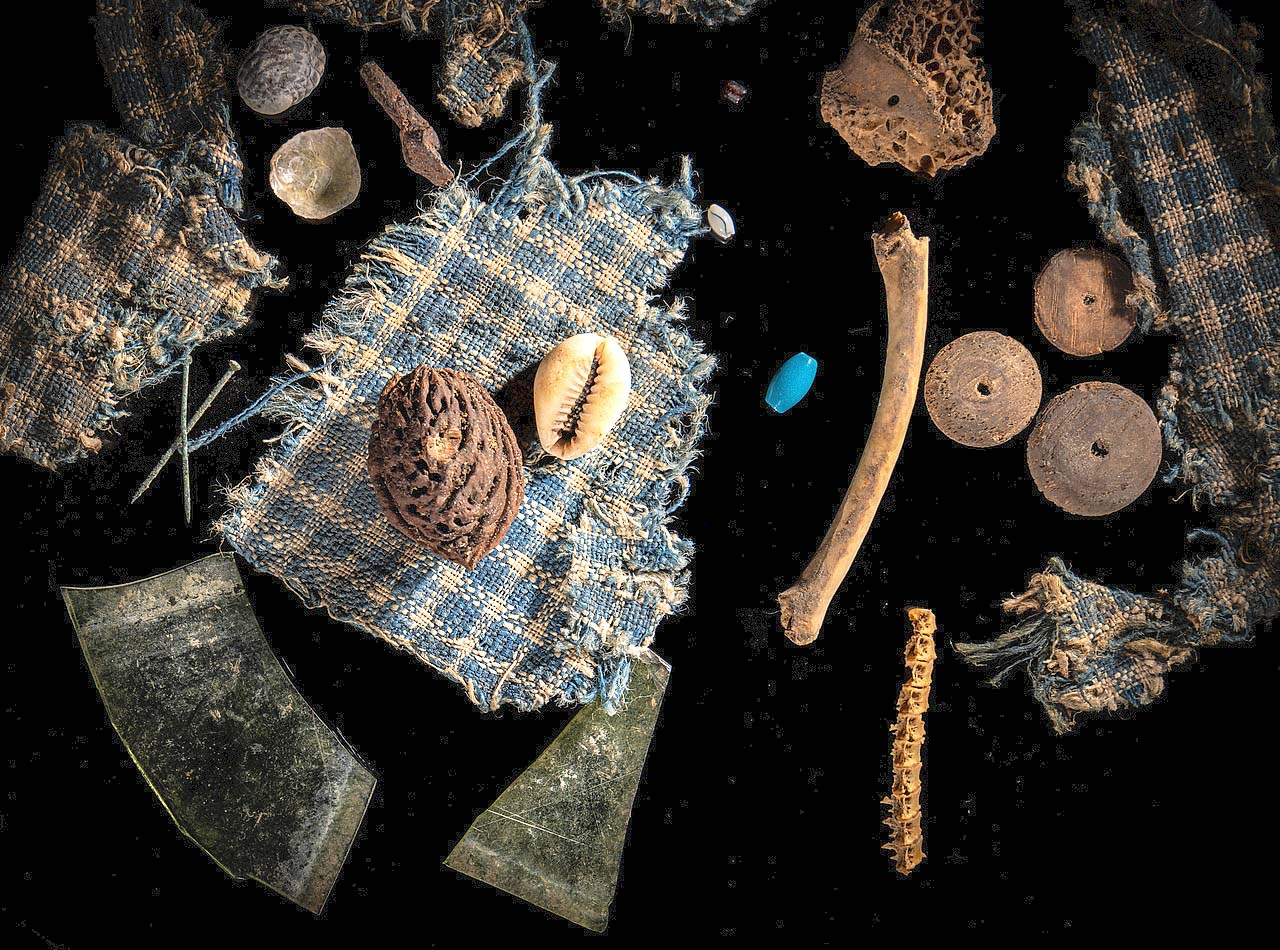
Nkisi, or spirit bundle, found at the Wanton-Lyman-Hazard House during renovations in 2005. Courtesy of Mystic Seaport Museum, photo by Joe Michael.
The Wanton-Lyman-Hazard House had been closed for regular tours since the 1990s, “So there needed to be a lot of work done to first restore the house, and then to bring new life to it and make it a space that could be ready for exhibitions, to have ADA accessibility and to do work landscaping the grounds,” Bertrand explained. Embarking on the project in earnest in January 2024, there was a capital campaign to raise funds for restoration, building exhibition spaces, hiring its director and “to make it a really spectacular place and a new attraction for Newport.”
In addition to a leading gift from Ed Kane and Marty Wallace, the Center’s capital campaign project was backed by significant federal funding from Rhode Island Senator Jack Reed, who announced his support publicly in 2024, saying: “The Wanton-Lyman-Hazard House has many important stories to tell about Newport, our nation’s founding and our evolution as a community and society. The Newport Historical Society is doing critical work preserving and sharing the history of this home and the people who lived here, and uncovering the stories that were too often pushed aside or forgotten. I am proud to deliver this federal funding to ensure the history of enslaved and freed Africans in Newport does not gather dust in the attic. We must preserve and share this history and make it accessible to the broadest audience possible.”
Built around the time of the transatlantic slave trade’s first arrival in Newport, ownership of the house has changed many times throughout history, all the way to 1927 when it was acquired by the Newport Historical Society.
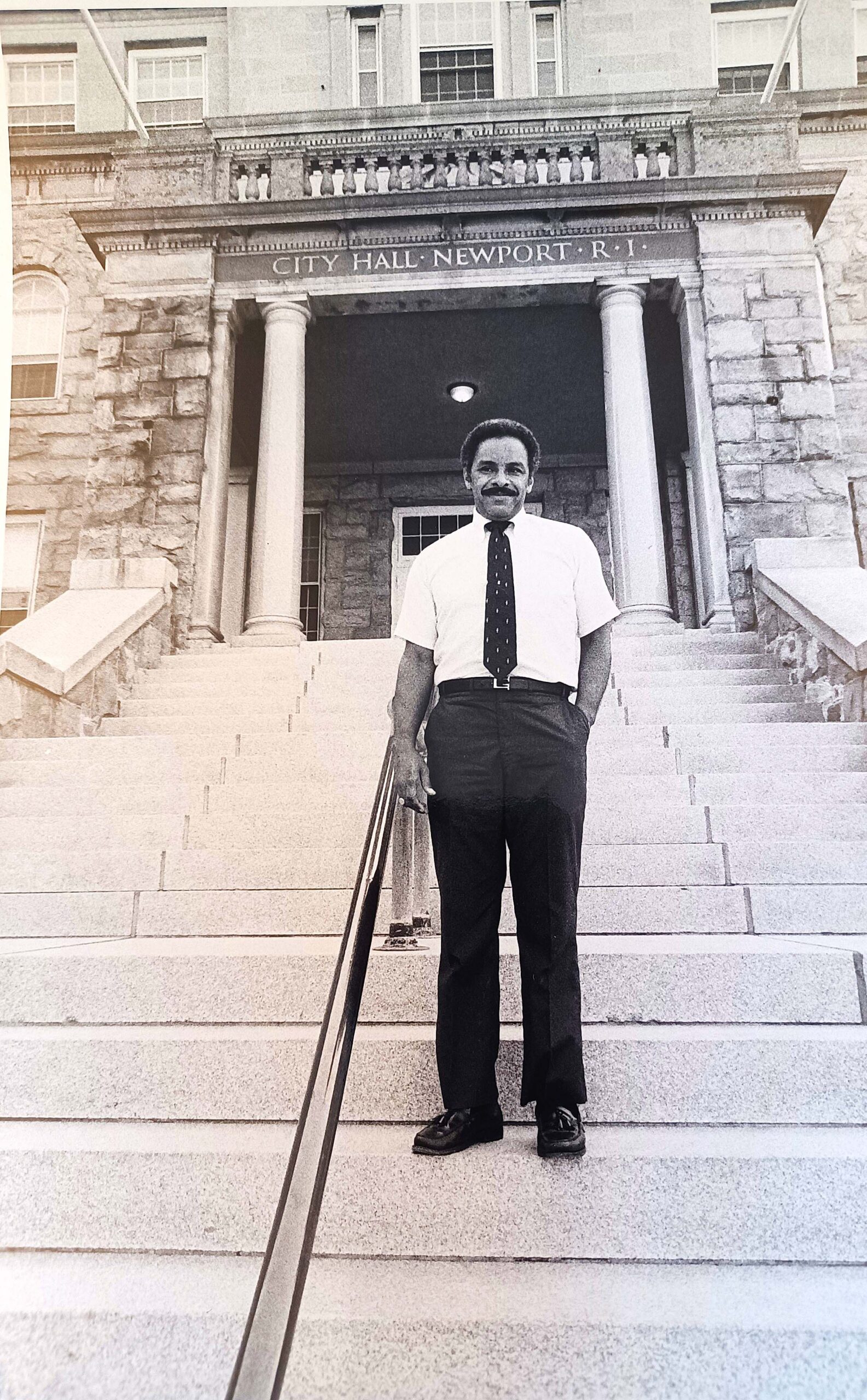
Paul Gaines (1932-2020), Newport’s first and only Black mayor, on the steps of Newport City Hall.
“It’s one of the real architectural treasures in Newport,” said Bertrand. “It’s one of the oldest documented houses in Newport, having been built in 1697, and, added in 1966, it was one of the first houses on the National Register. So, it really has an incredibly long history in Newport and has seen every part of American history, stood witness to so many pieces of Newport’s history.”
While the house has been part of the Newport Historical Society for nearly a century, the process of getting the Center off the ground really began about ten years ago when a coalition of organizations came together to lay the groundwork for the next chapter in the House’s history. In 2005, NHS representatives working at the House discovered a nkisi, or African spirit bundle, was discovered under the floorboards in the attic.
About 20 years after the discovery, Echoes From The Attic: Stories of Slavery and Freedom-Making in Newport RI (2026)was published. In an essay for the book, Dr Akeia de Barros Gomes, director of the Edward W. Kane & Martha J. Wallace Center for Black History and a Newport native, wrote: “It belonged to one of the enslaved in the house and speaks to the novelty and resonance of spiritual practice among the enslaved in Newport. It is the only nkisi bundle that has been identified thus far in New England, but because it was hidden, it is likely that other bundles were created and used.”
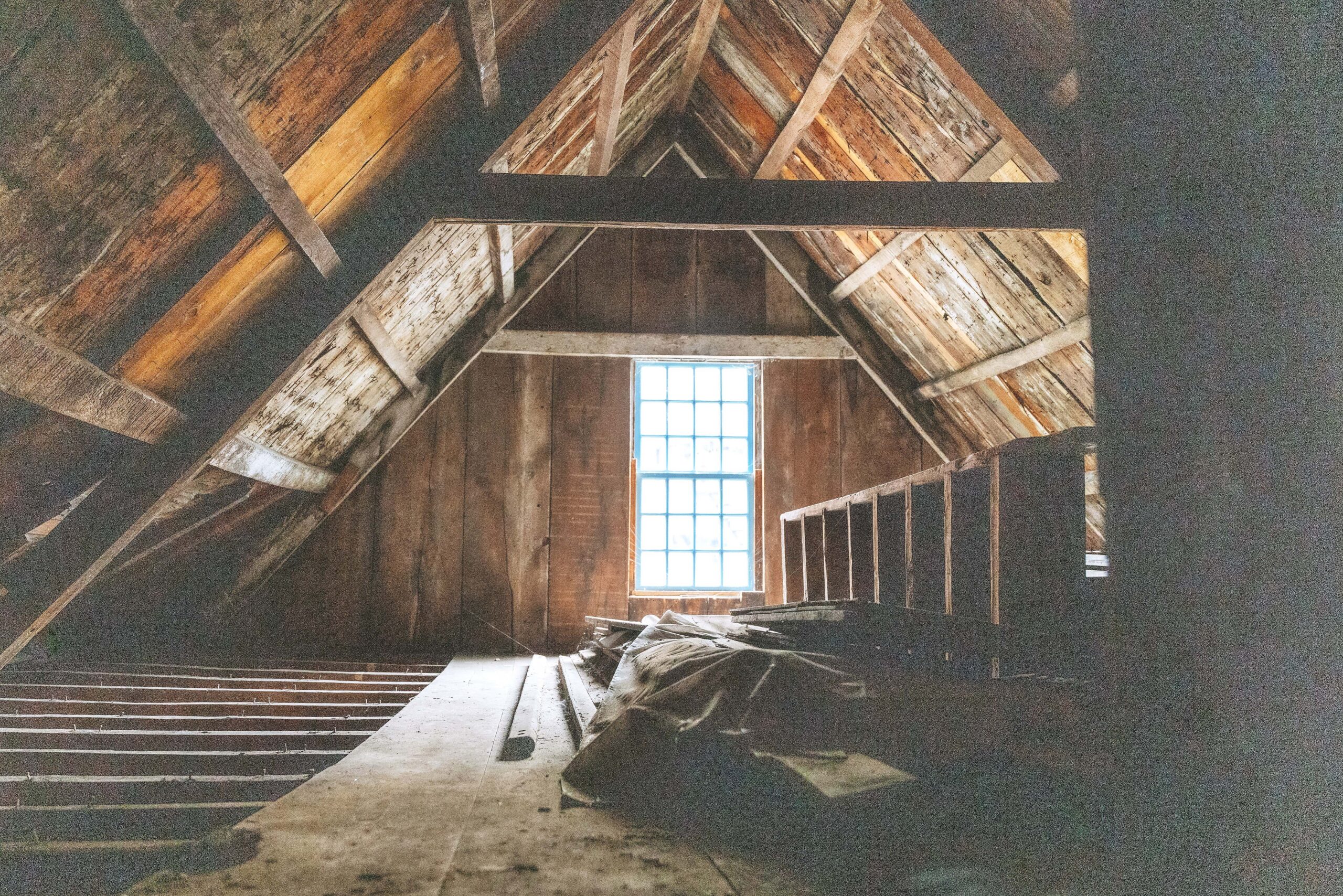
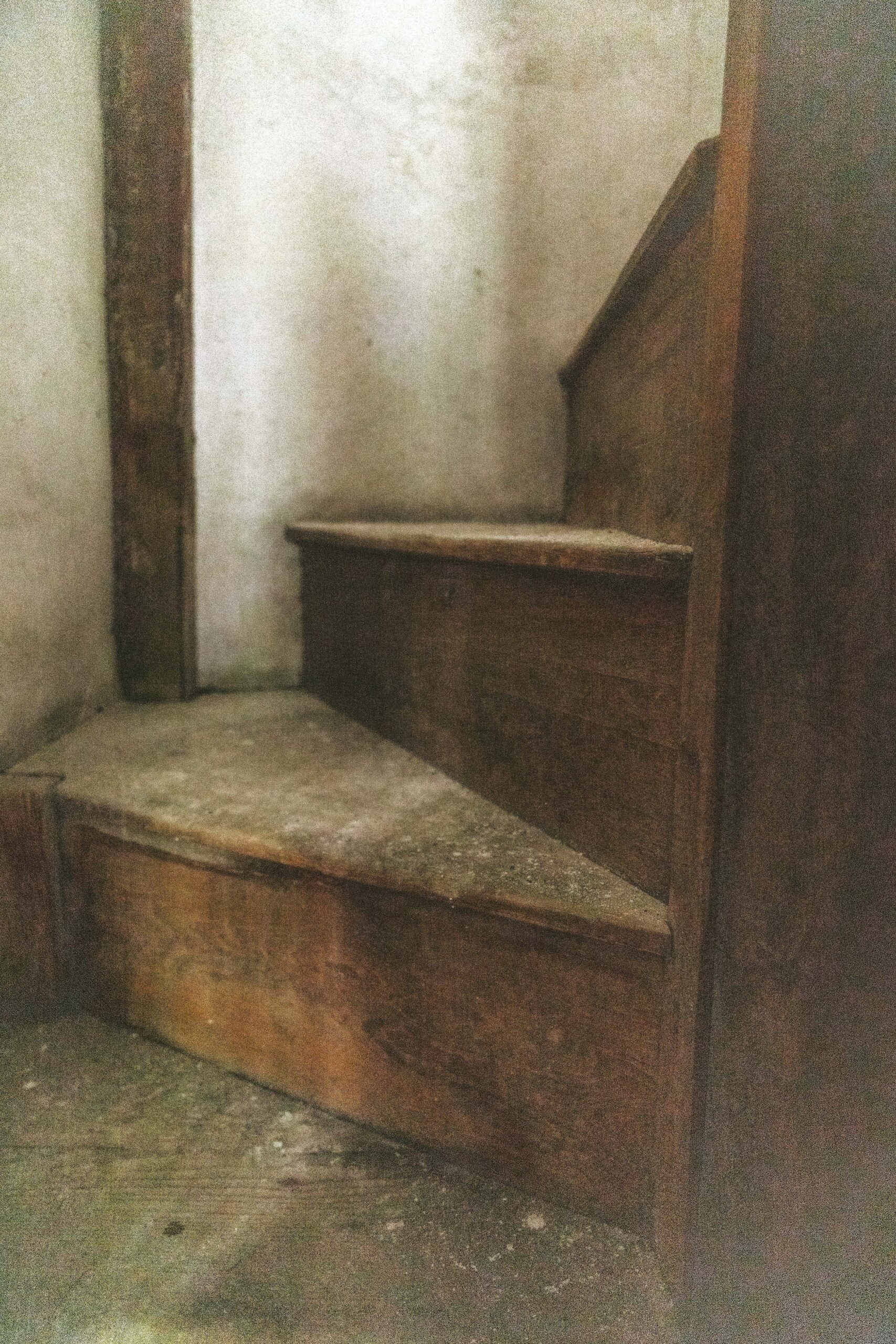
The Center’s attic is where enslaved individuals likely resided and is the site where a nkisi spirit bundle was discovered under the floorboards. Jennifer Manville Photography.
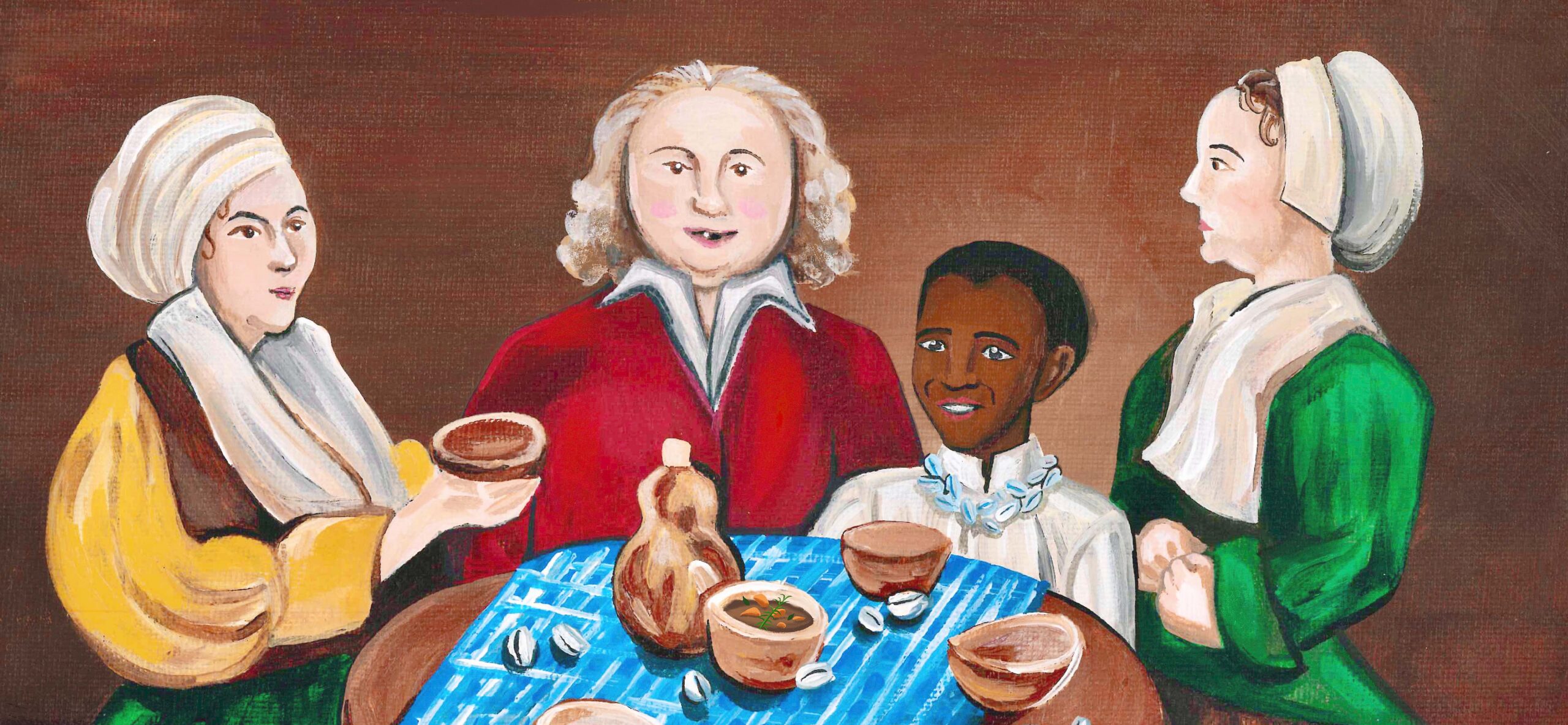
De Barros Gomes continued, “The nkisi bundle found in the attic of the Wanton-Lyman-Hazard House in 2005 speaks to Newport’s relationship with the global African diaspora, the simultaneous erosion and formation of Black identities, the creative adaptation of African spiritualities and the choices and freedom-making of the enslaved in Newport.” Highlighting the efforts of individuals to hold on to the threads of diaspora, one of the strongest symbols within the nkisi was a cowrie shell. Oher items with the nkisi included cloth, broken glass, a fruit pit, a tooth, nails and pins, all of which could have been sourced in the home. However, native to the Indian Ocean and West Africa, the cowrie shell was transported across the Atlantic and landed in Newport, ultimately making its way to the floorboards of the Wanton-Lyman-Hazard House.
This bundle tells the story of an individual’s choices, their spirituality, connections to their ancestral history and their agency in freedom-making within the systems of enslavement. But it also tells the story of a community, the survival and persistence of culture. The simultaneous erosion-formation of identity of Africanness, Americanness and otherness is bundled up in this nkisi, a voice from history waiting to be heard.
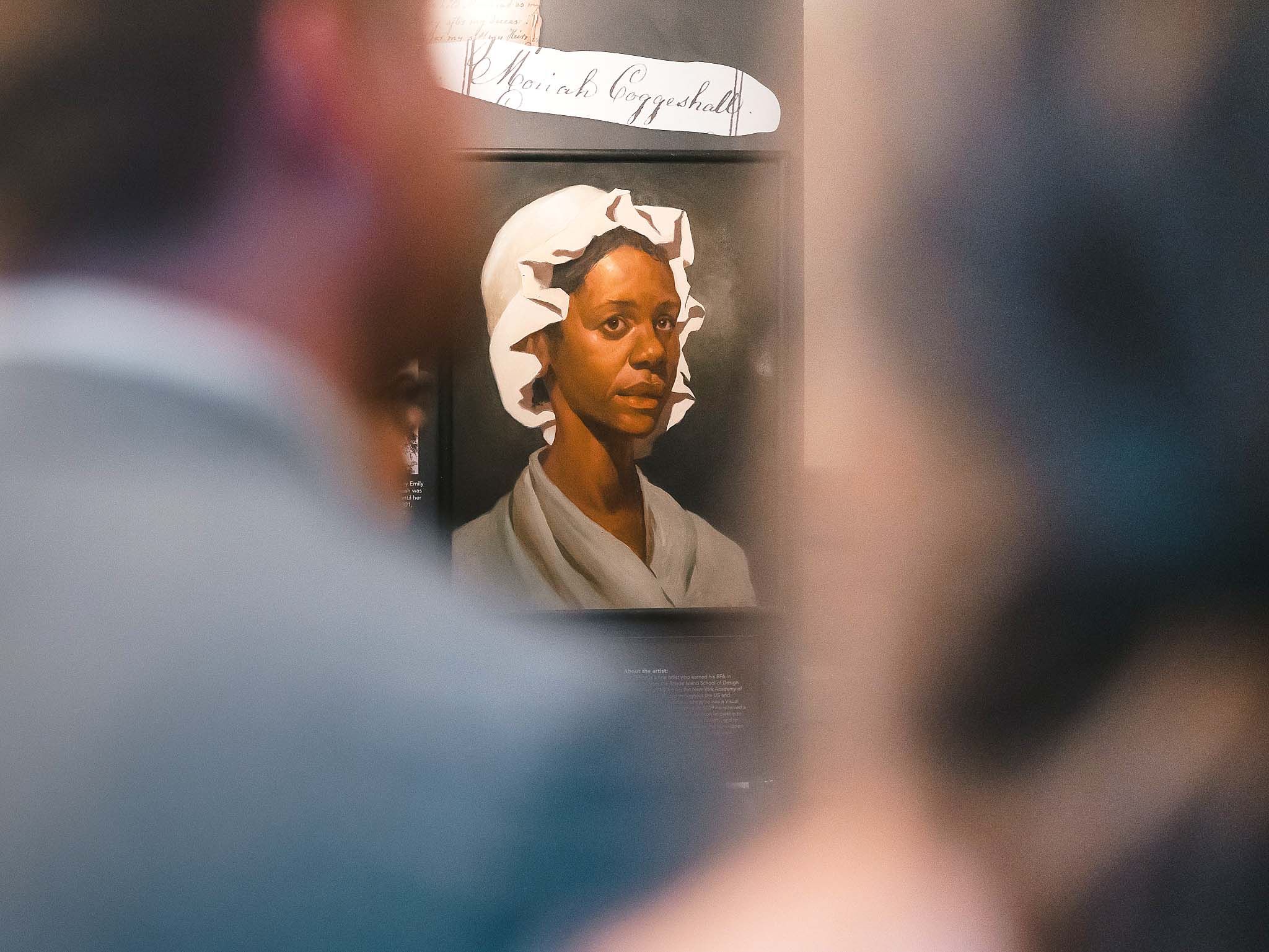
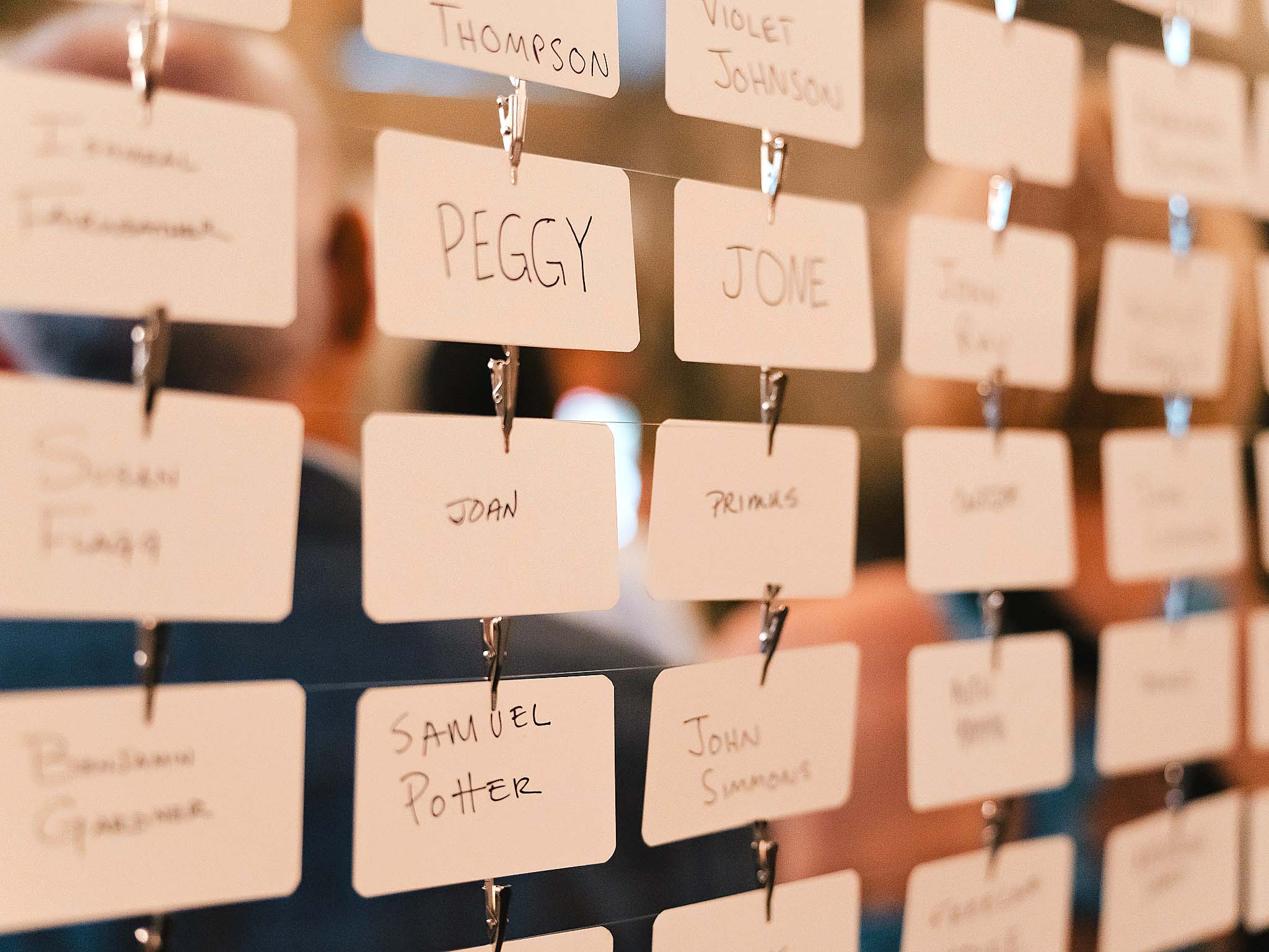
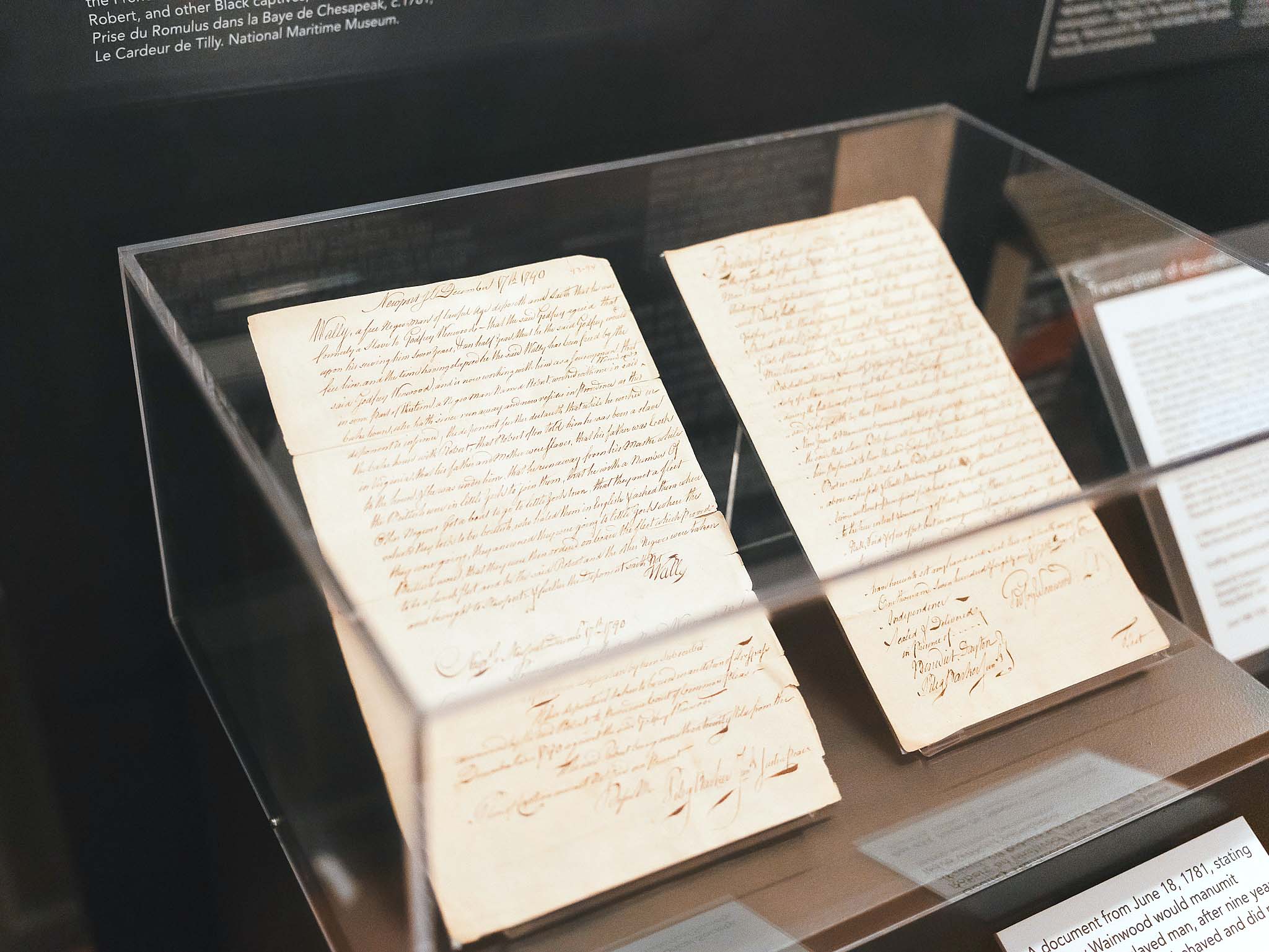
As the house changed ownership many times throughout the years, the creator of the nkisi is not certain, though researchers have identified several individuals who were enslaved in the home. The recovery of the bundle prompted further research into the lives of the people who lived and worked within the home, thus setting off a chain reaction that included digitizing and recording more than 4,000 documents that center Black and Indigenous people in the Voices from the NHS Archives; the “A Name. A Voice. A Life: The Black Newporters of the Seventeenth-Nineteenth Centuries” exhibition at NHS — which was a recipient of the American Association for State and Local History’s Award of Excellence in 2024 — and the eventual founding of the Edward W. Kane & Martha J. Wallace Center for Black History.
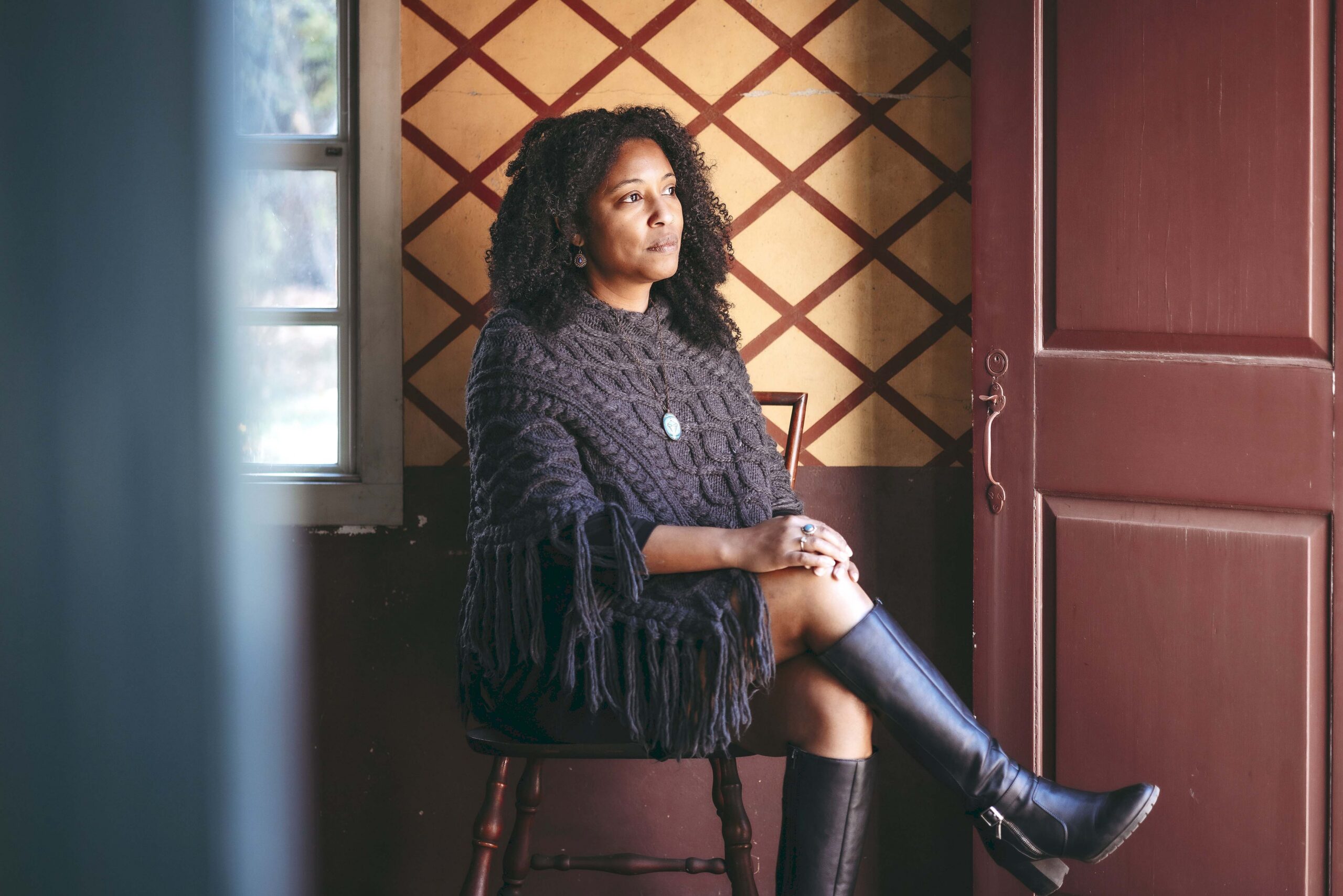
Dr Akeia de Barros Gomes, a native of Newport and director of the Center for Black History. Jennifer Manville Photography.
Through the research conducted for the Voices database, individuals who were all enslaved by owners of the Wanton-Lyman-Hazard House — such as Bristow, Jenny and Casan (enslaved by Ann Conklin, second wife of Martin Howard) and Cardardo (enslaved by John G. Wanton) — were identified and recorded in history and their lives will be further explored in the Center.
While these historic details are crucial to telling the story of the house, Black history is ongoing and continues to be created every day. In effort not to just dwell on painful Black stories, De Barros Gomes emphasized the importance of community members telling their own stories. Newporters, such as the widow of Paul Gaines, New England’s first and Newport’s only Black mayor, have contributed artifacts and documents, and contemporary art by Black and Indigenous artists will hang on the walls and in the gardens.
De Barros Gomes half-joked, “I think every time I bump into someone, they have a story that they want me to share or a belonging or an object they want me to include. So, I don’t think we’ll ever be wanting for stories from the contemporary community.”
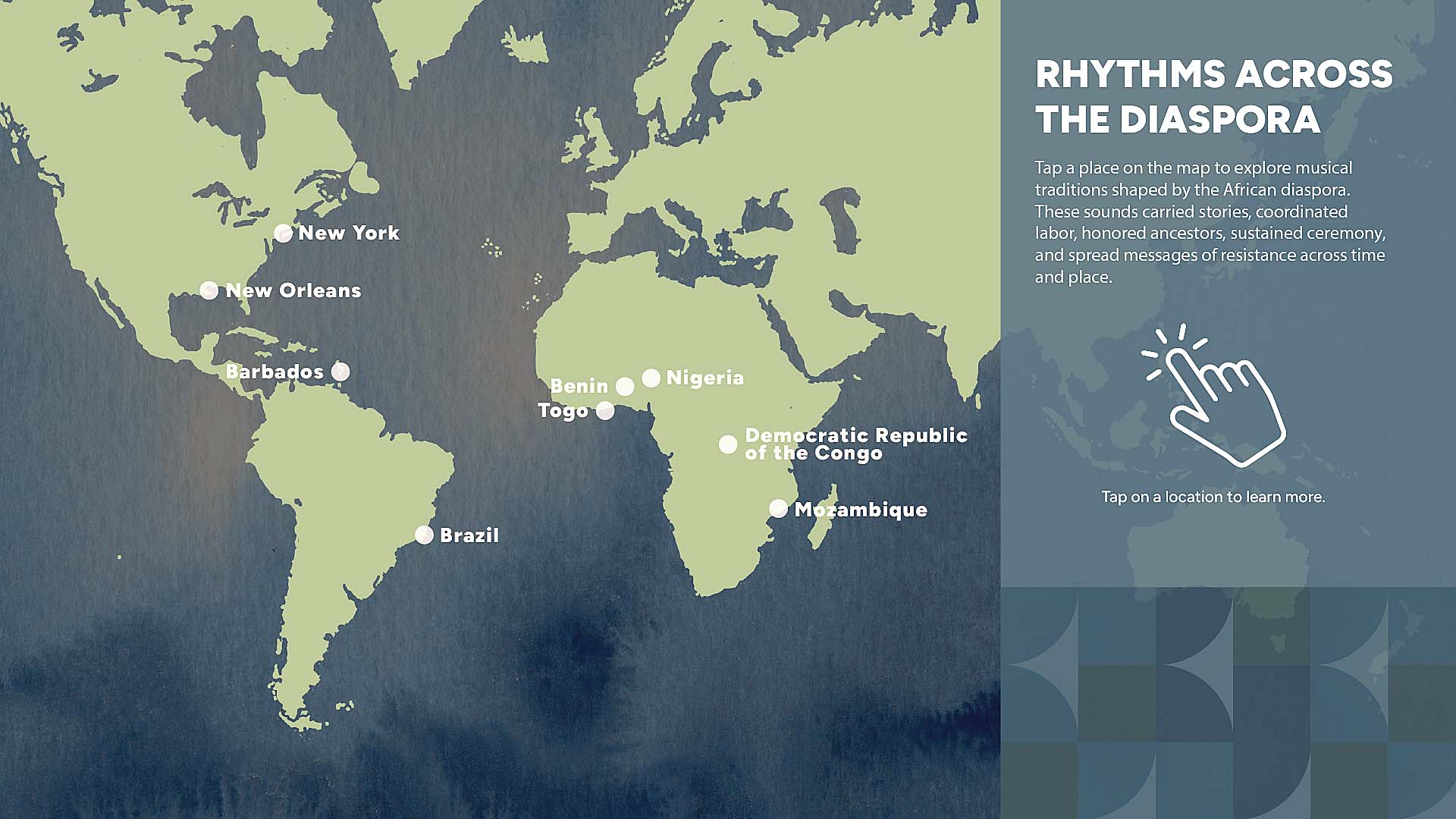
The Center has entry points into Black history for all ages and interests, including music lovers. An interactive display allows visitors to explore — and listen to — African influence on music around the world.
The Center’s commitment to honor and uplift Indigenous peoples as well as the Black community goes as deep as the building itself, as SmokeSygnals, a Mashpee Wampanoag firm, was hired as part of the collaboration working on the renovation and transformation.
The final result is an accessible space featuring room for exhibitions and lectures integrated within the historic home on the first floor, a scholar space dedicated to research on the second floor and an outdoor sculpture garden. When the doors open to the public, they will travel through rooms exploring the particulars of Newport stories to an exhibition that explores Newport in the world, another that focuses on the contemporary community and then outside to the sculpture garden, which De Barros Gomes called “a place for reflection and to think about Black history in the future.”
The Newport Room will focus on the people who were enslaved in the house and stories of freedom-making throughout the landscape of Newport. The second exhibition space highlights Newport’s role in the transatlantic slave trade, telling stories not only of the trauma and violence but also the birth of diaspora — looking at Newport’s role in the Black diaspora and positioning Black Newporters as part of an extended family.
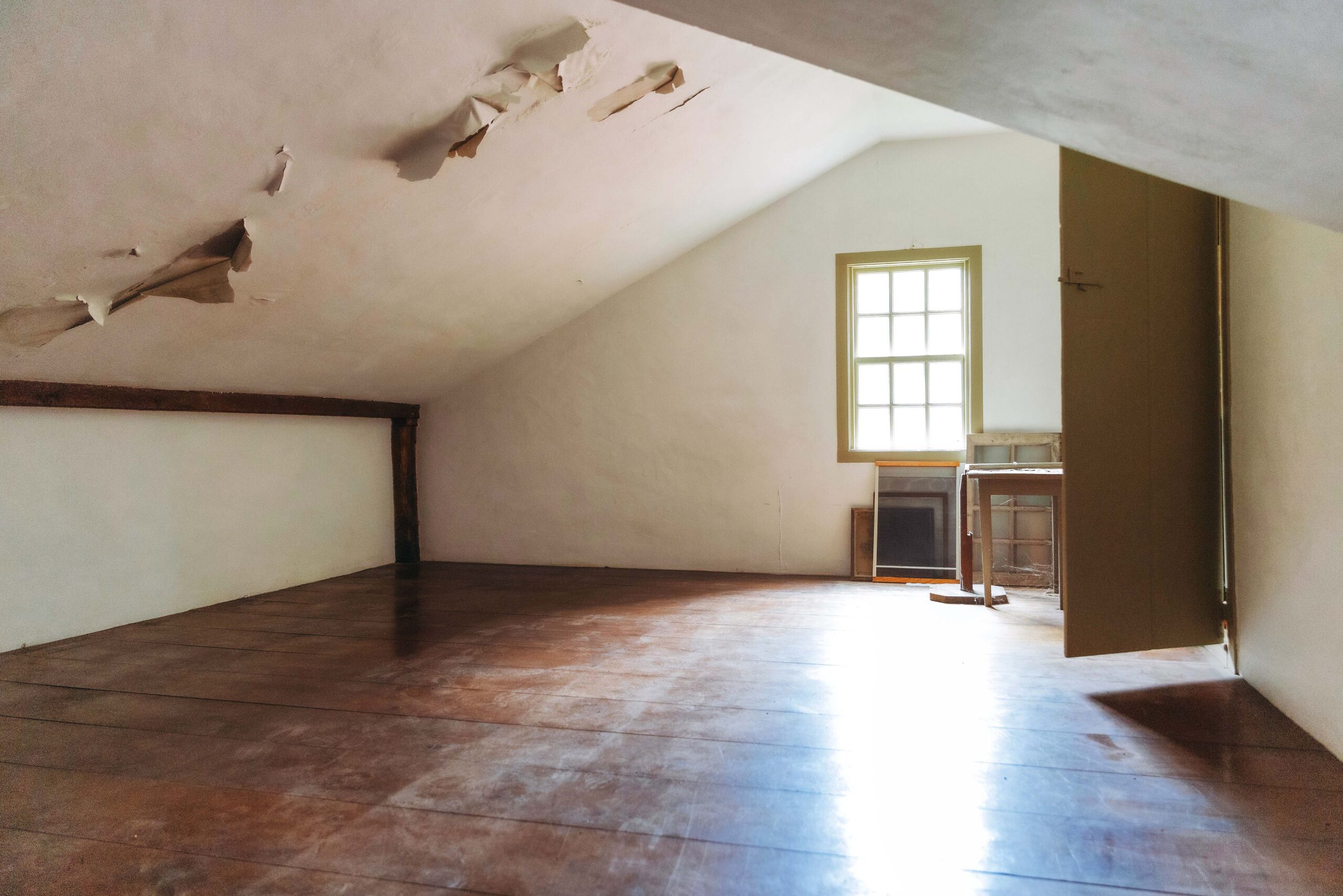
Upstairs in the Wanton-Lyman-Hazard House, which will soon host the academic and research operations for the Center for Black History. Jennifer Manville Photography.
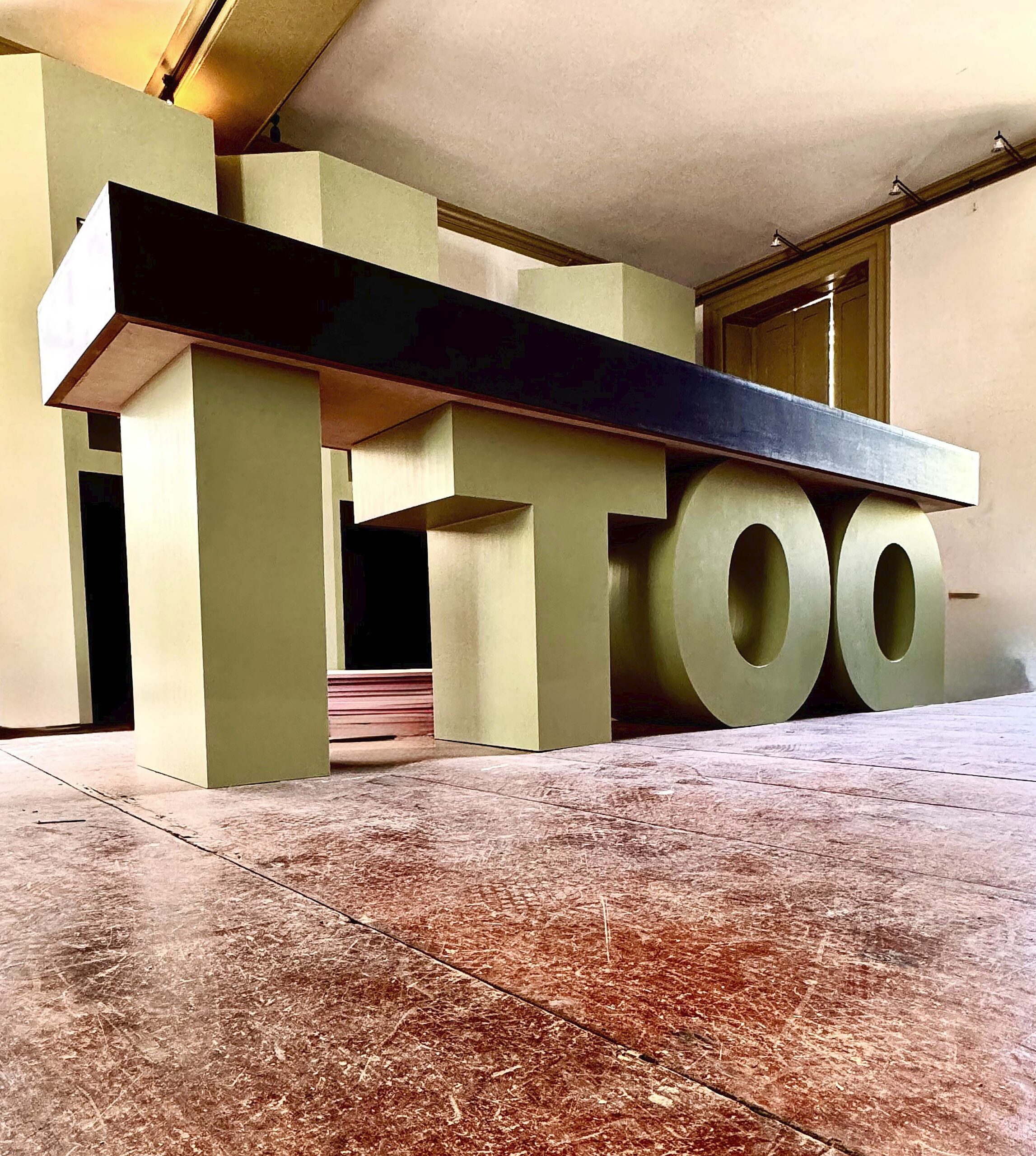
The third space is “an homage to the contemporary community, and also, in light of it being the 250th, the exhibition is called ‘I, Too,’ based on the Langston Hughes poem. It looks at how throughout our history here, the Black community in Newport, despite often being shut out of a lot of the American dream, has always upheld American ideals of service, community and family, creativity in the arts and industry and entrepreneurship,” commented De Barros Gomes. “It’s this like sweeping narrative of those four components of Newport’s Black community from the beginning up until today.”
“We’ve got contemporary Black artists featured in the creativity case. We have stories of Black businesses from the era of Newport slavery through the present. And so it’s this insistence upon our place in the national narrative, in the Newport narrative, but it’s also this insistence that we are still here and you might not, on a typical tourist route, see our communities here because, of course, there’s that history of being pushed out and the marginalization of low income and black communities on this landscape. But we are here, right? And we’ve got stories to tell. So we wanted to make sure that third exhibit gave voice to that.”
The sculpture garden also tells a layered story. Part of the space is Dinah’s Garden, “a tribute to a girl who was enslaved on the property by a woman named Elizabeth Pratt, who had a house on the property separate from the Wanton-Lyman-Hazard House. She ran a shop and enslaved Dinah.” De Barros Gomes added that they know Dinah’s name and part of her story because they discovered her bill of sale that stated her name and described her as a young girl.
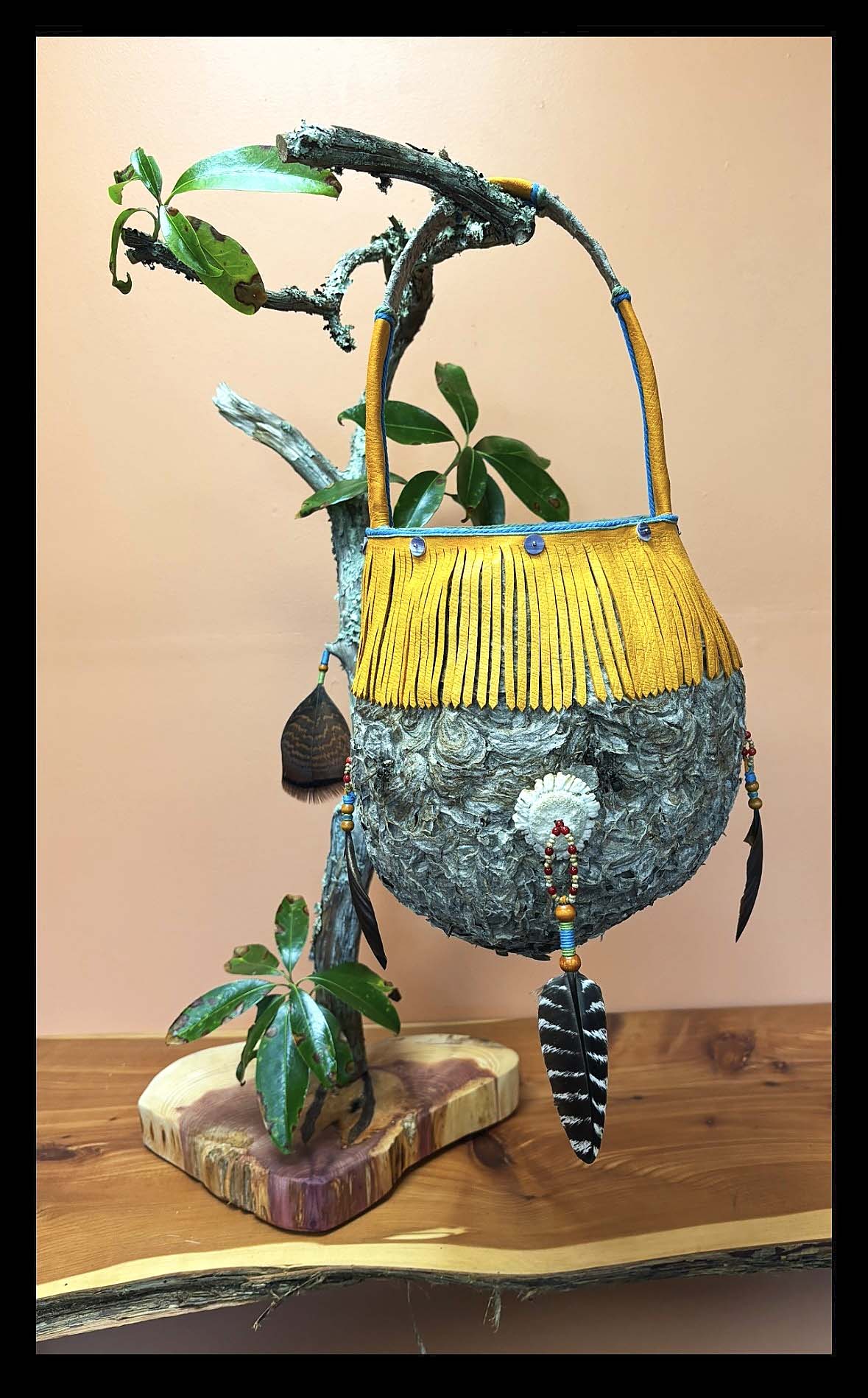
“Beeing” by Robin S. Spears, Jr (Narragansett Indian Tribe), 2025, beehive, deerskin, cedar, laurel, antler, turkey feathers.
Another element is a sculpture by Jean-Marc Superville Sovak called “Six of the First,” which comes from an archive of a slave ship manifest that survived due to a court case involving the ship. “There was a legal case, and as a result you see something that you hardly ever see: the African names of the enslaved on that ship are listed because of the court case,” De Barros Gomes said. The six women named on that manifest are the focus of the sculpture, which is a stylized rendition of a painting that depicts King James and his wife being kicked out of England. This monument was donated to NHS by Tony and Tracy Weisman and was produced for the Jamestown Arts Center 2022 Biennial Outdoor Arts Experience. Up until now, it had resided outside of the NHS headquarters at the Richard I. Burnham Resource Center.
Three wire sculptures by Kristine Mays will also dance throughout the garden. Inspired by the movements of Alvin Ailey’s compositions, the other three pieces from Mays’ “Hush Harbor” installation are in the collection of the National Museum of African American History & Culture in Washington, DC, “So we’re in good company,” added De Barros Gomes.
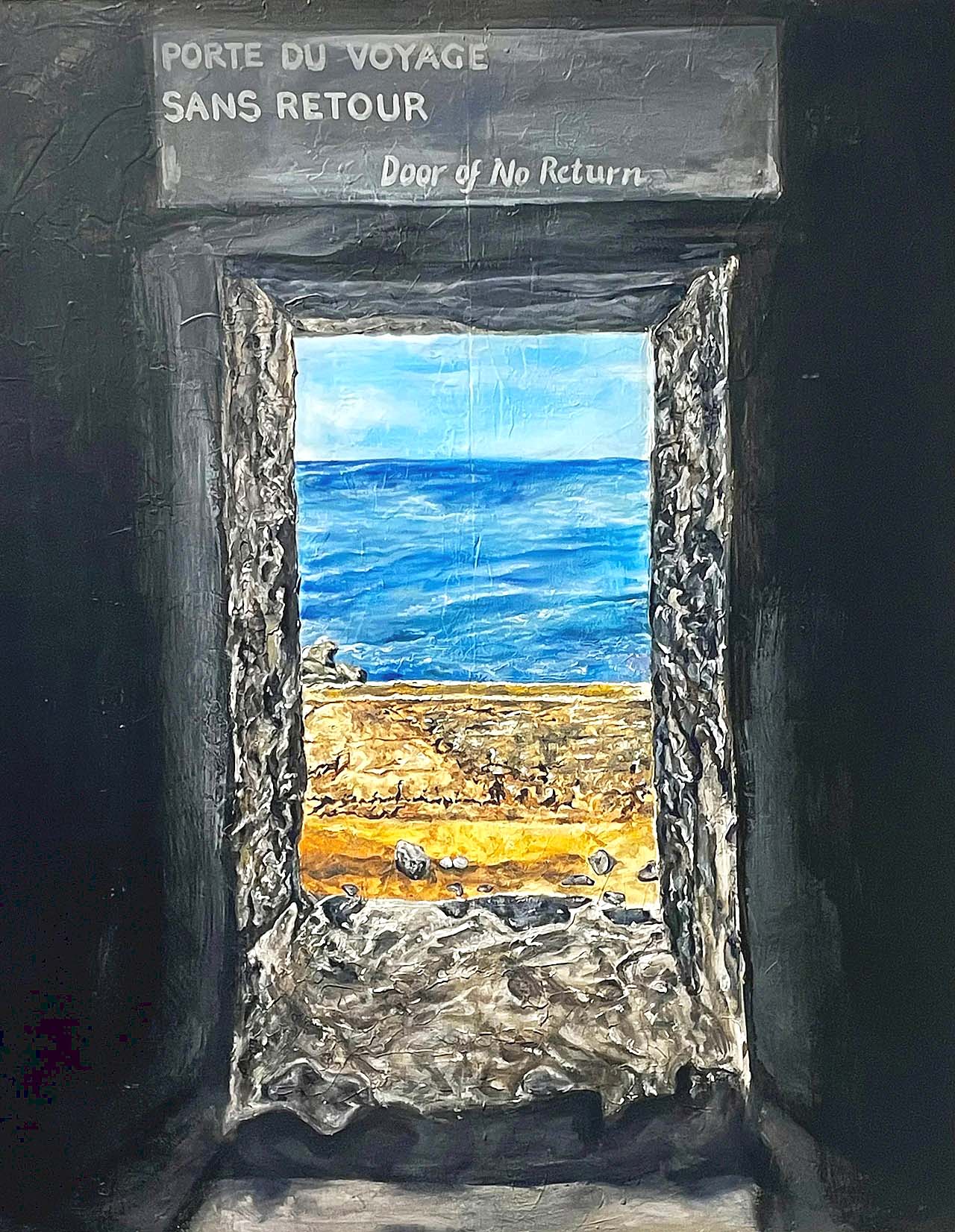
“Porte Du Voyage Sans Retour (Door of No Return)” by Jayna Dias, 2024, oil and acrylic on wood.
Given that the Center is such a long time coming, there is no shortage of events on the schedule to kick off the inaugural year, including programs with the local schools, presentations, artist demonstrations, book talks and much more.
The three-day opening weekend will begin with a ribbon cutting at the Center on Friday, June 19, at 10 am. Saturday’s festivities at the Center include a free family day and open house from 10 am to 5 pm, featuring spoken word storytelling, dance performances from Soul Value in Providence, R.I., and crafts. Saturday evening, the Opening Celebration cocktail party at the Great Friends Meeting House will feature a presentation by scholar Heather McGhee, author of The Sum of Us: What Racism Costs Everyone and How We Can Prosper Together, and fireside chat with De Barros Gomes. To round out the weekend, there will be an interfaith celebration at the Center on Sunday, June 21, at 1 pm.
The Edward W. Kane & Martha J. Wallace Center for Black History in the Wanton-Lyman-Hazard House is at 17 Broadway. For information, www.newportblackhistory.org.