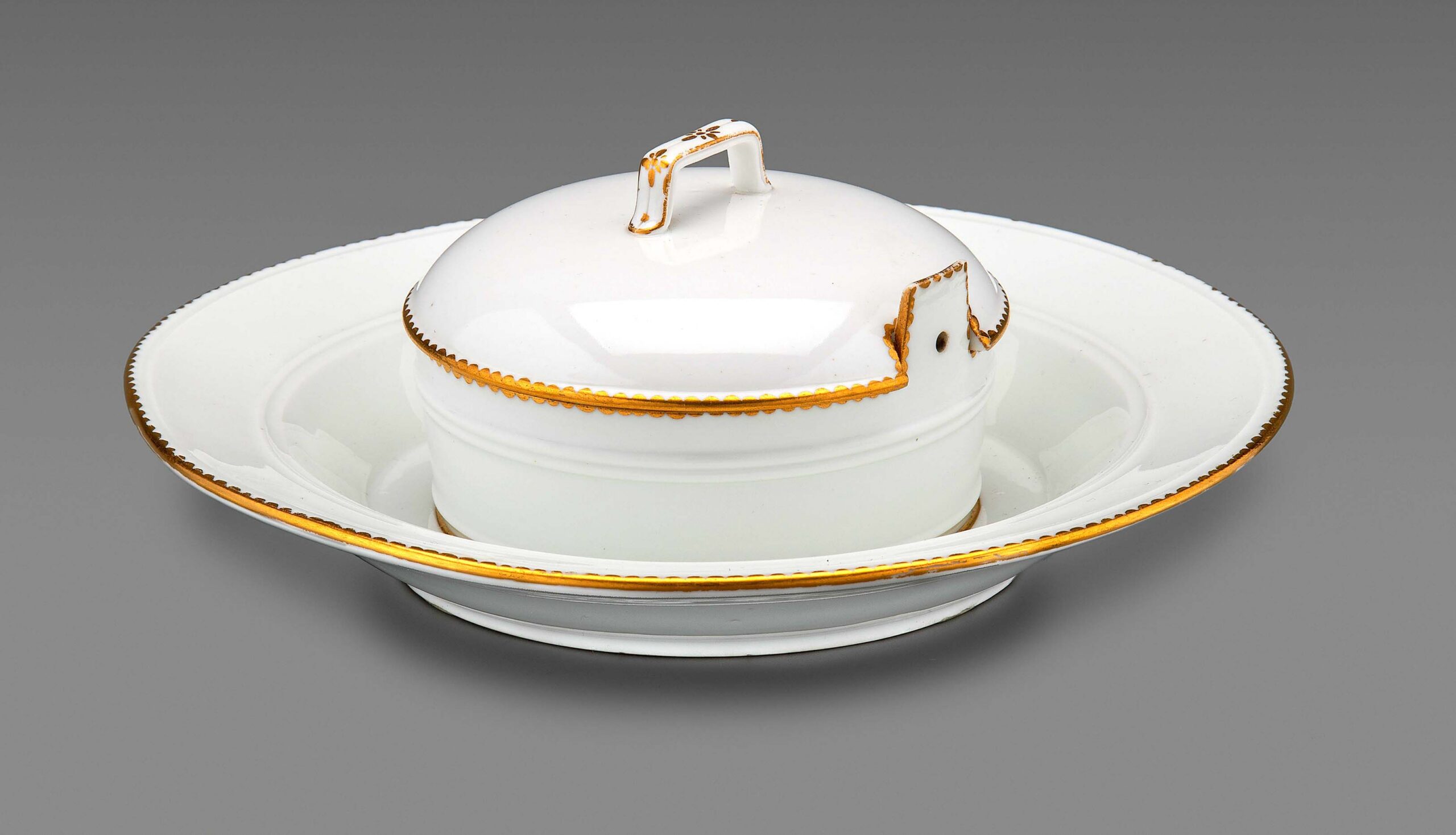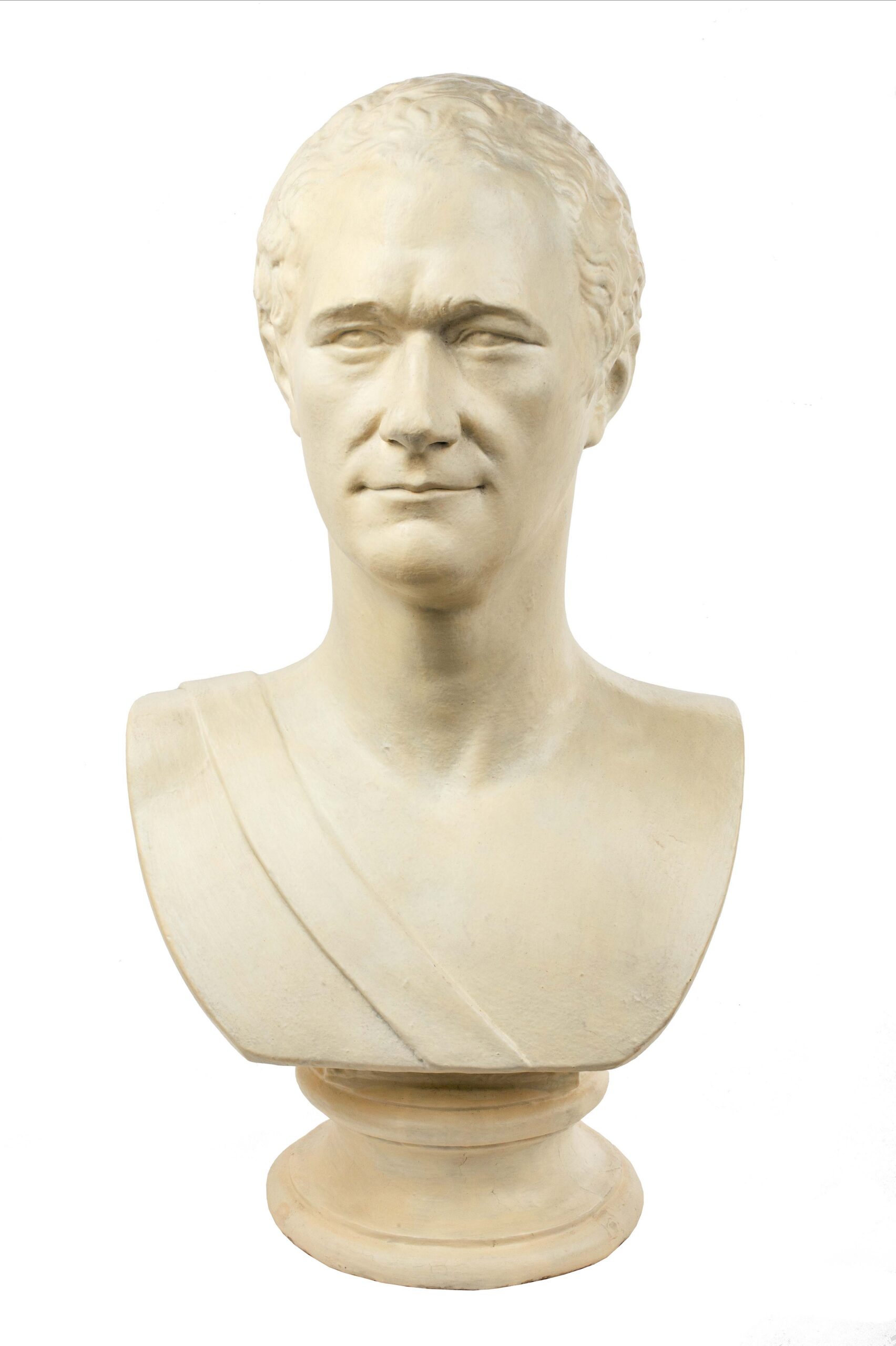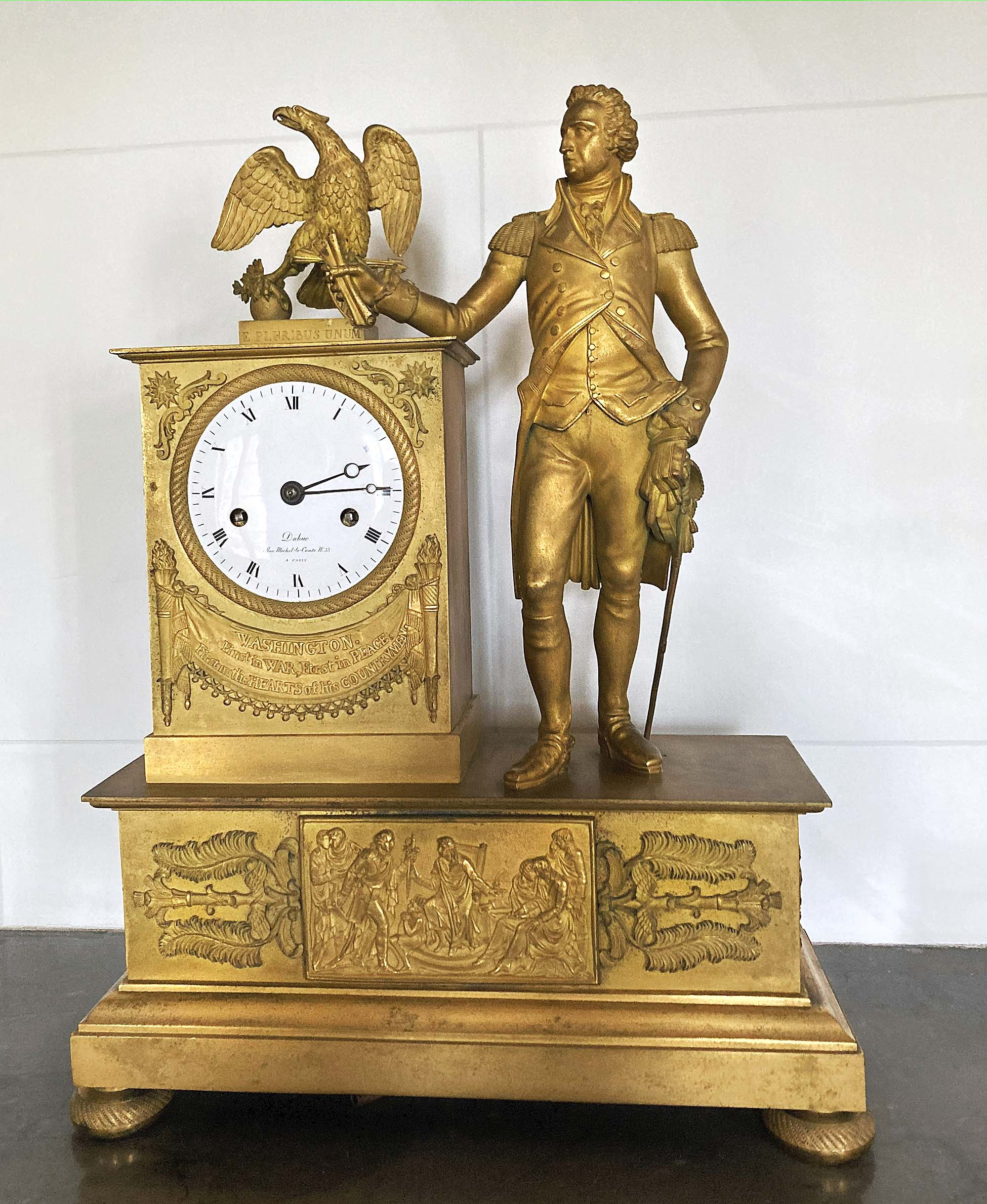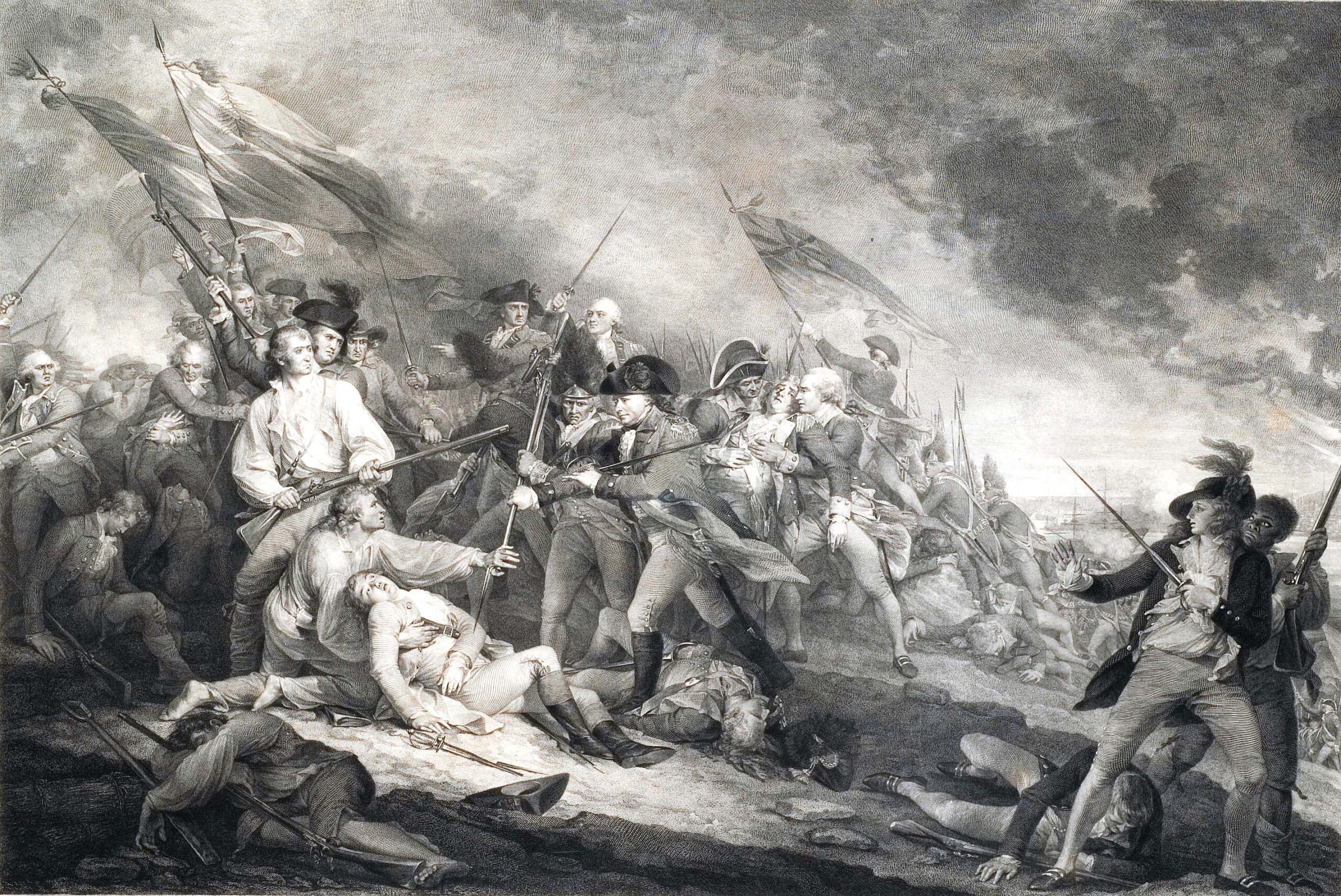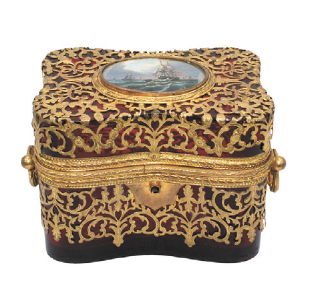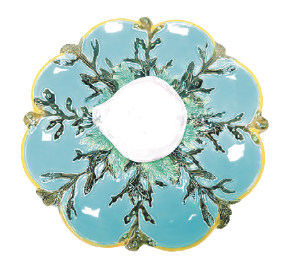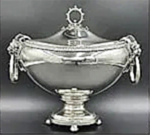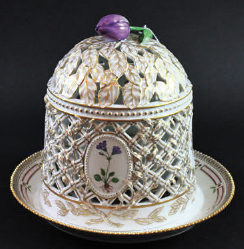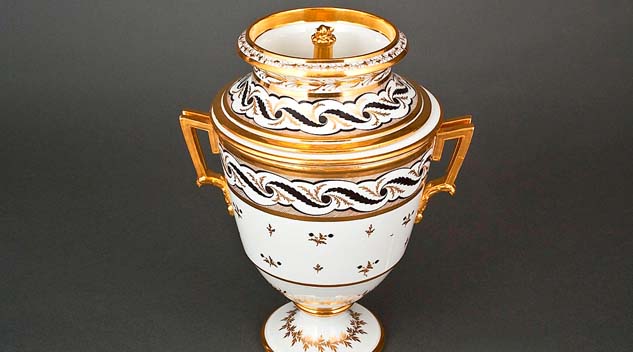
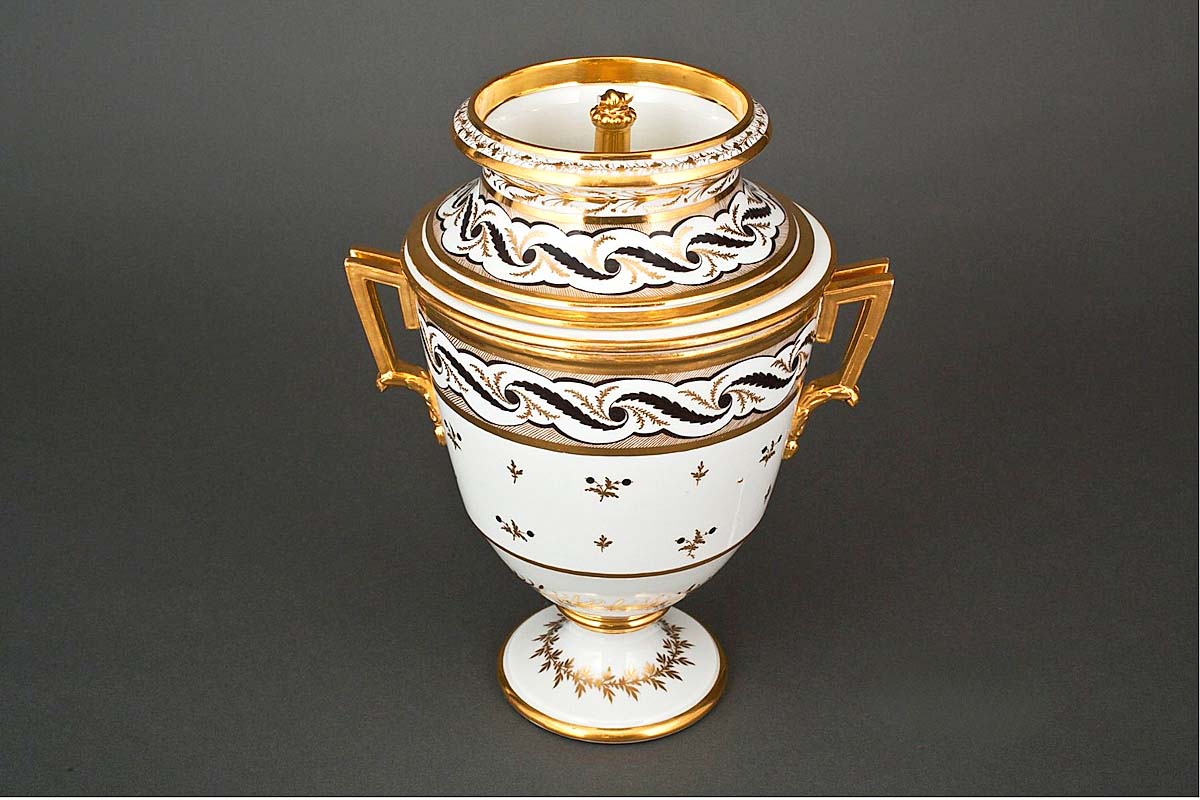
Dessert cooler from the Livingston Service, Darte Frères (Paris, active 1795-1825), circa 1804, porcelain, 10⅛ by 10½ inches. New York State Office of Parks, Recreation and Historic Preservation, Clermont State Historic Site, gift of Alice Delafield Livingston, CL.1979.41.49.a-.c. Clermont State Historic Site and John Jay Historic Site are two of 218 historic sites and parks administered and operated by New York State Office of Parks, Recreation and Historic Preservation; Kathy Hochul, Governor.
By Andrea Valluzzo
KATONAH, N.Y. — The founding of the United States 250 years ago brings to mind moving speeches given in churches or legislative halls, epic battles fought or soldiers suffering cold winters at Valley Forge. A new exhibition at the Katonah Museum of Art wants visitors to picture something else entirely: a dinner table.
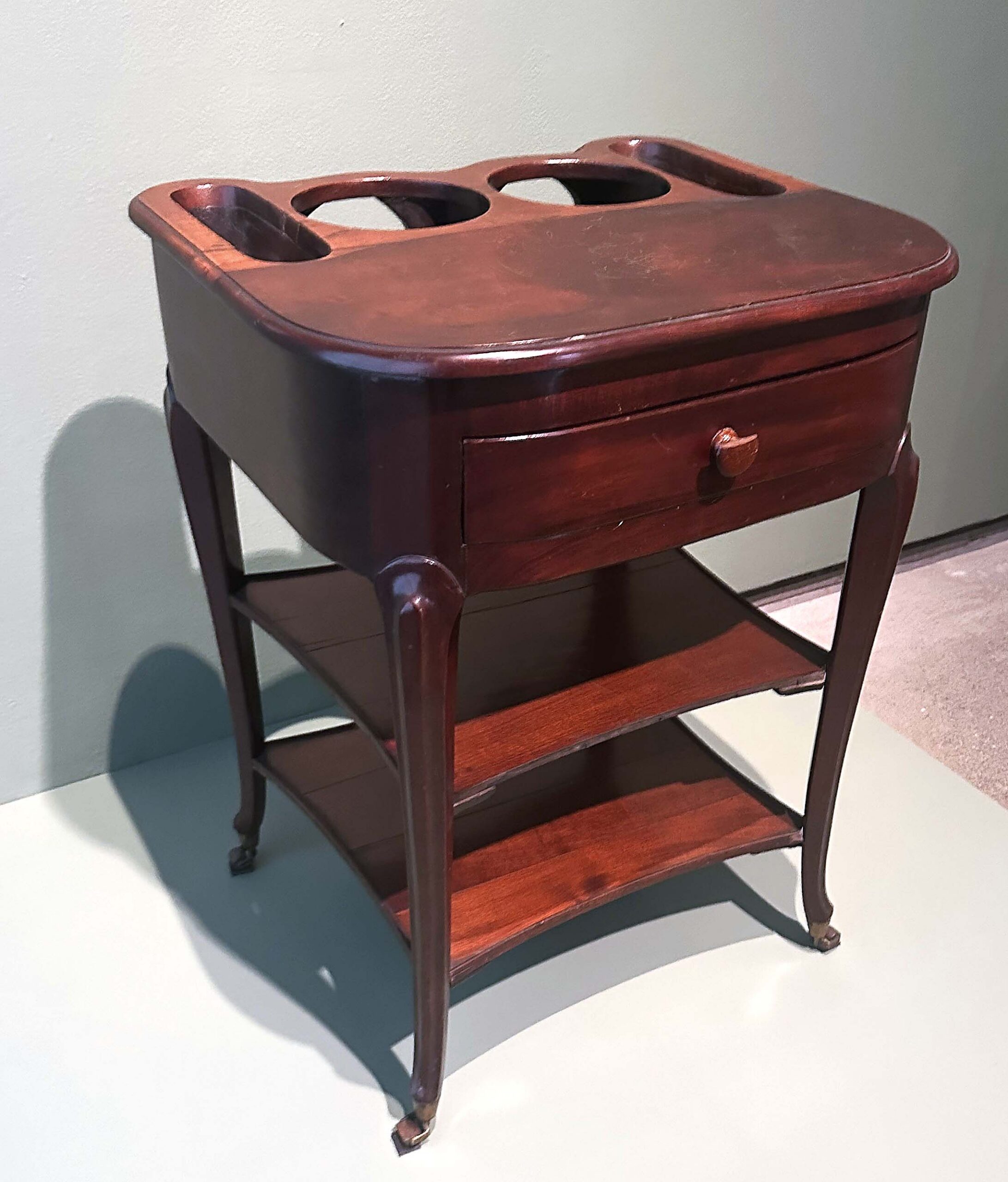
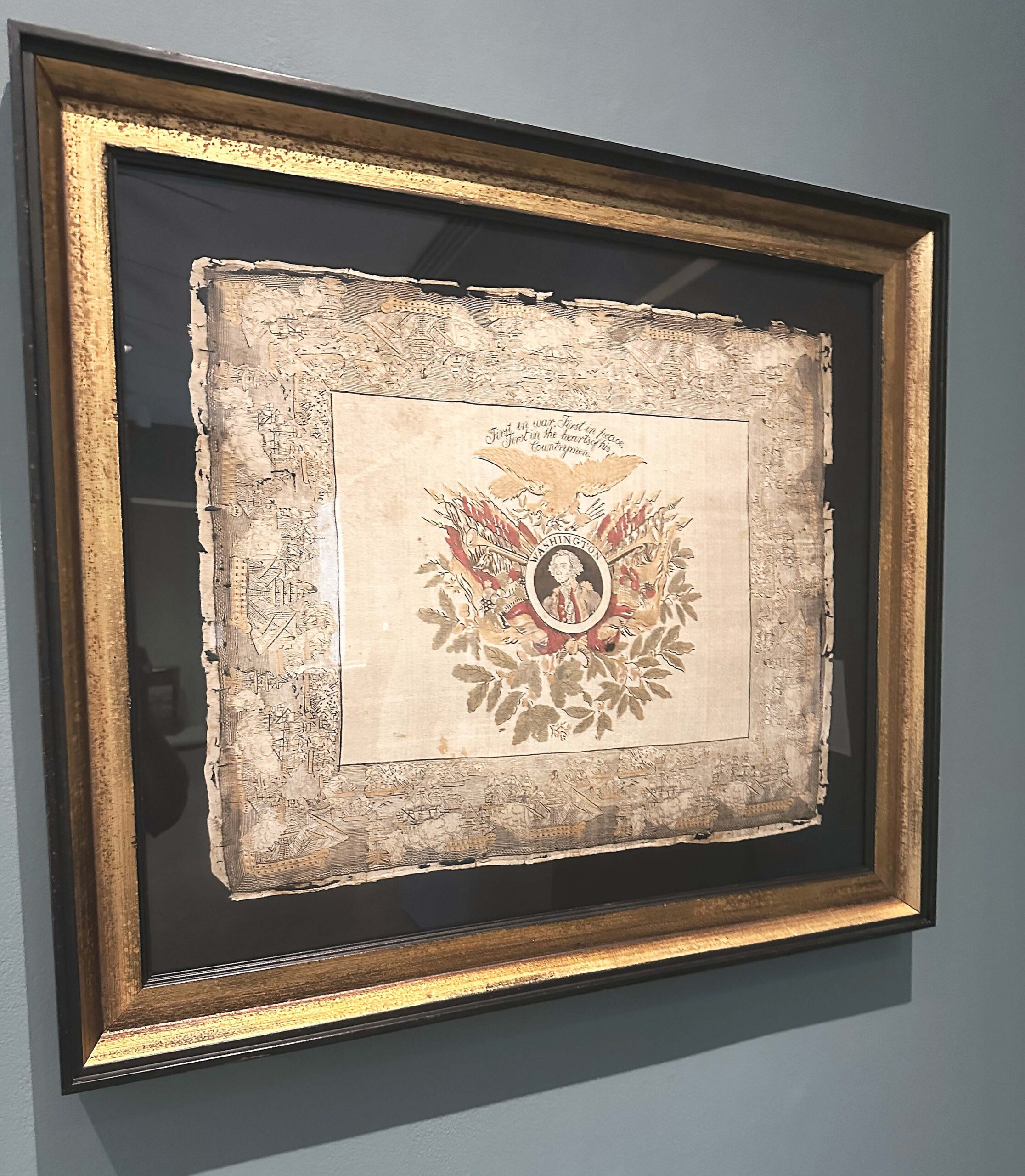
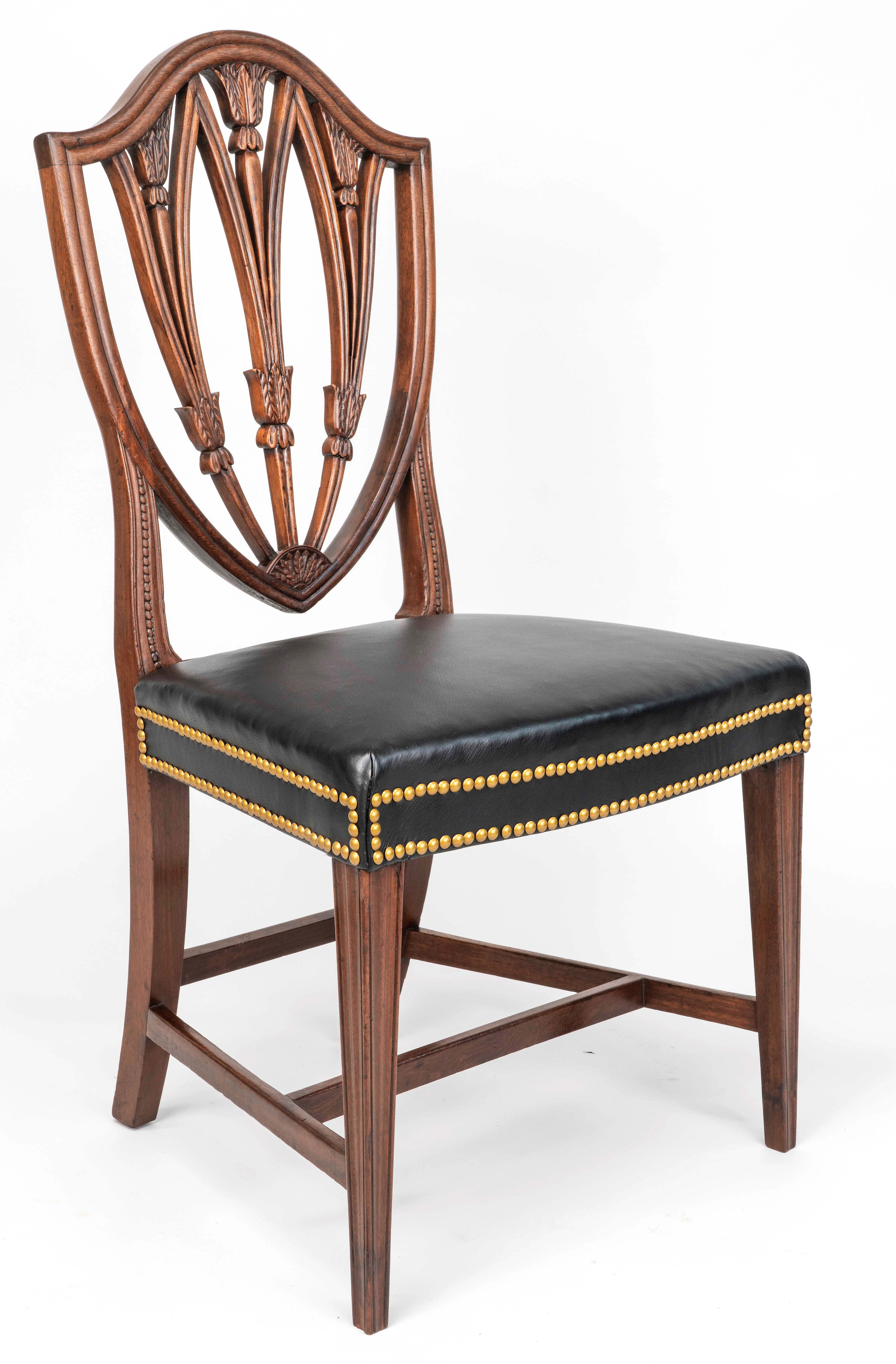
“Diplomacy at Home: The Domestic Lives of the Founding Families” runs through October 4 and features some 50 objects. The exhibition is a partnership between the museum, the Friends of John Jay Homestead and the Richard Hampton Jenrette Foundation. Occupying both galleries of the non-collecting museum, this loan exhibition focuses on furniture, porcelain, letters and other personal effects to tell a more intimate version of a familiar story.
Grant Quertermous, curator and director of collections at the Jenrette Foundation, is guest curating the exhibition, which draws objects from the John Jay Homestead’s own holdings as well as loans from institutions including the Montpelier Foundation, the Thomas Jefferson Foundation at Monticello, Mount Vernon, the New York Historical, the Museum of the City of New York, Preservation Long Island, Winterthur Museum, Garden and Library and others.
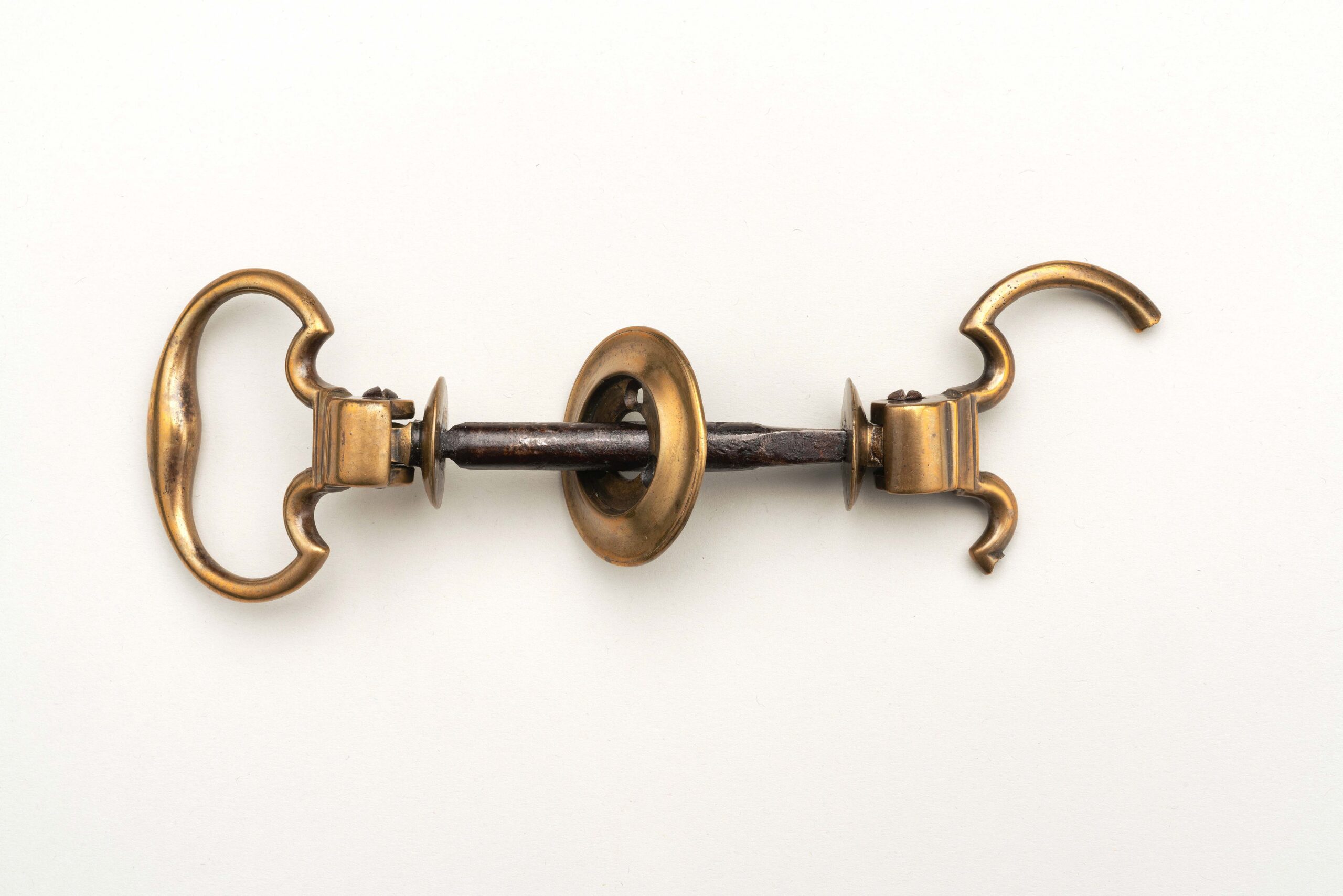
Door handle, Eighteenth Century, brass and iron, 8 inches long. Museum of the American Revolution, Philadelphia, 2003.00.0225. This chamber door handle comes from the home that George and Martha Washington lived in as the Executive Mansion in Philadelphia between 1790 and 1797.
Quertermous said his goal was to use decorative arts to examine the personal side of the men and women historians call the founders — the objects they owned, sat on and wrote with — rather than the public record alone.
“Each object can really be used to tell a story,” he stated. Sometimes that story is a triumph; sometimes it is a struggle. Either way, he argues, these objects are woven into the fabric of the nation’s history.
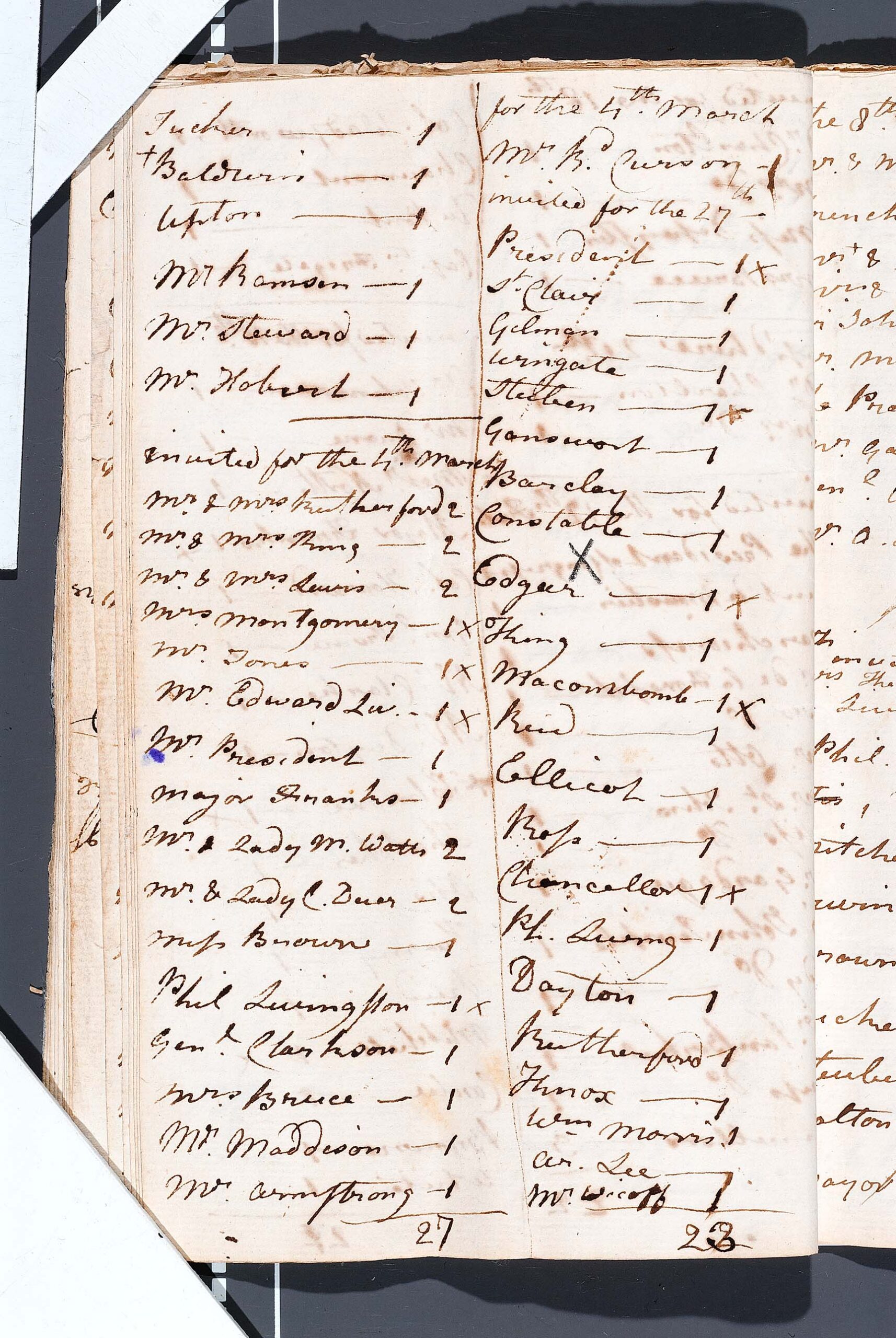
One of the show’s centerpieces is a bound guest register kept by Sarah Jay, wife of the first chief justice, John Jay, recording everyone who dined at their home. The list amounts to a who’s who of the early republic, with George Washington’s and Alexander Hamilton’s names among the entries — evidence, Quertermous said, that these dinners were used to build political alliances both within and across party lines.
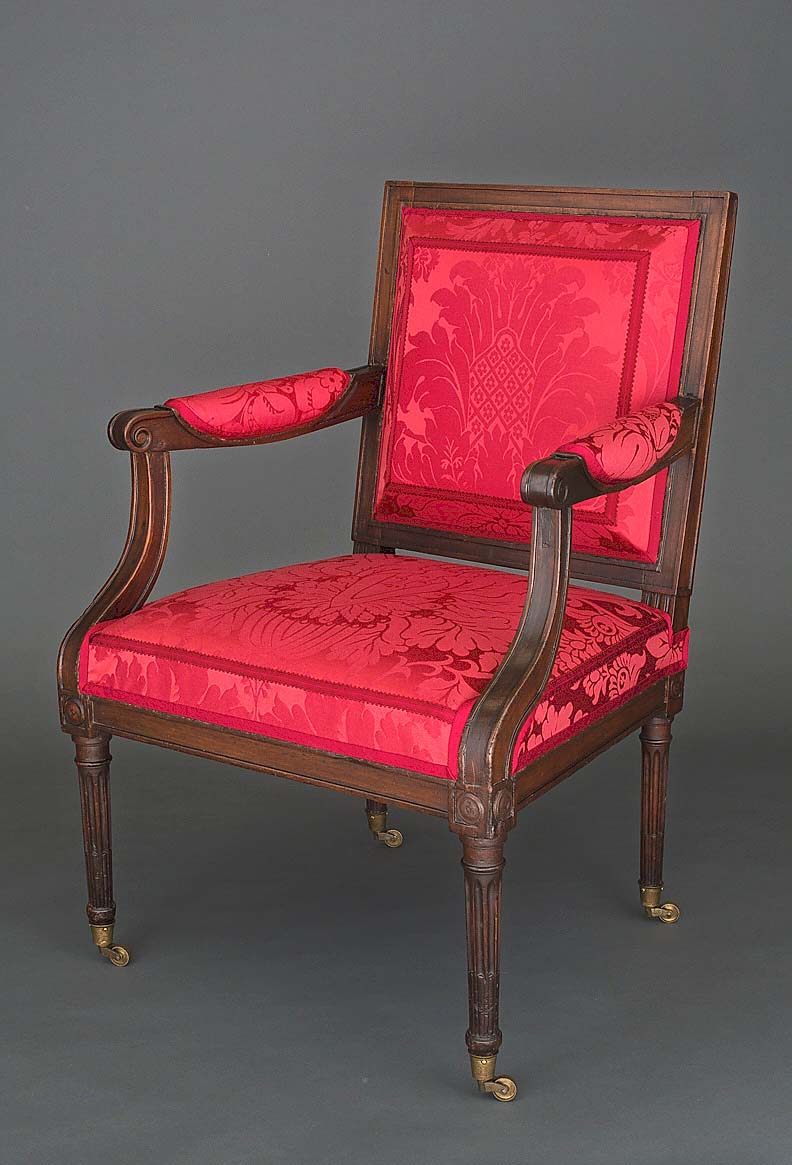
That idea of politics conducted over a meal extends to one of the exhibition’s more theatrical objects: a chair from the suite reported to have been in Thomas Jefferson’s dining room during the famous 1790 negotiation among Jefferson, James Madison and Hamilton — the so-called dinner table bargain later immortalized in the Broadway musical Hamilton. Shown in Hamilton, the Virginians agreed to back Hamilton’s plan for the federal government to assume state Revolutionary War debts, in exchange for locating the new national capital along the Potomac. Visitors can look at this chair and — to borrow a lyric from that musical — imagine being “in the room where it happened.”
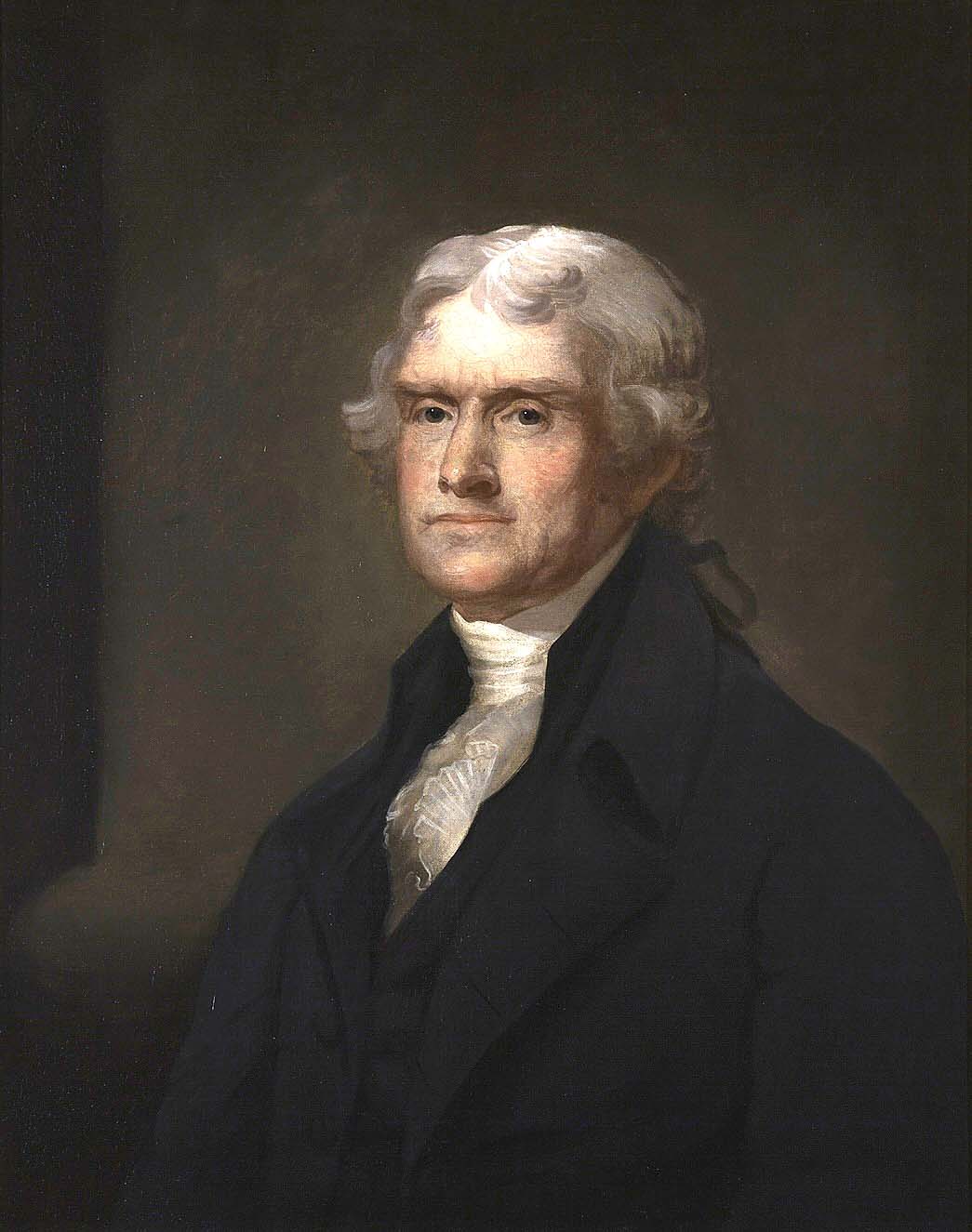
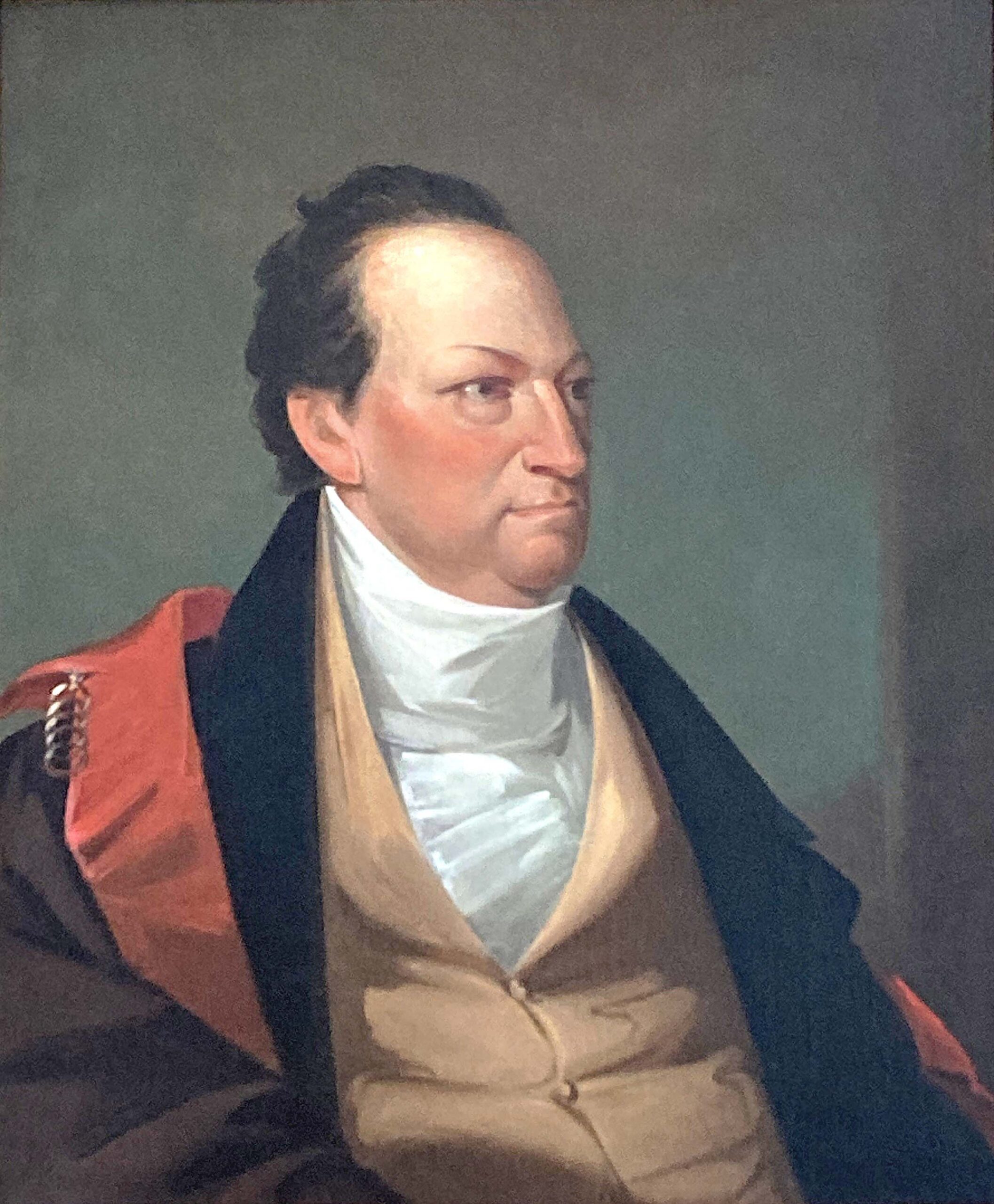
“Thomas Jefferson” by Ezra Ames (American, 1768-1836) after Gilbert Stuart (American, 1755-1828), after 1820, oil on canvas, 30 by 26 inches. Courtesy of the Richard Hampton Jenrette Foundation, 1986.009.
In lieu of the oft-quoted “founding fathers,” the exhibition organizers deliberately chose “founding families” to make an important point and acknowledge the outsized influence of women such as Martha Washington, Sarah Jay and Abigail Adams, who served as advisers and hostesses and, in many cases, invented the social rules of the new republic as they went. Martha Washington, Quertermous said, effectively defined the role of first lady, helping her husband establish how a president should entertain — even as basic a question as what to call the office was still being litigated. When John Adams, then vice president, floated grandiose titles like “His Excellency,” Washington settled the matter by choosing the plain “Mr President,” a title that has stuck ever since. These women were more than wives, they served as confidants and advisors as well as astutely performing needed roles of domestic hostesses, helping the early republic flourish through domestic diplomacy and defining social standards of the time.
The Livingston family, which was an affluent Hudson Valley family in this era, is represented with several objects, including Robert R. Livingston’s writing desk and porcelain. He was a lawyer, politician and diplomat from New York who served on a committee that drafted the Declaration of Independence. Holding high office in the New York State legal office, he unfortunately had to return to New York before he could sign the famous document. He also served as minister to France in the early 1800s, and objects connected to his brother Edward, who later held the same post, are also showcased. Between the two of them and their brother-in-law John Armstrong, the Livingstons supplied three American ministers to France — and each returned home with furniture and porcelain acquired abroad.
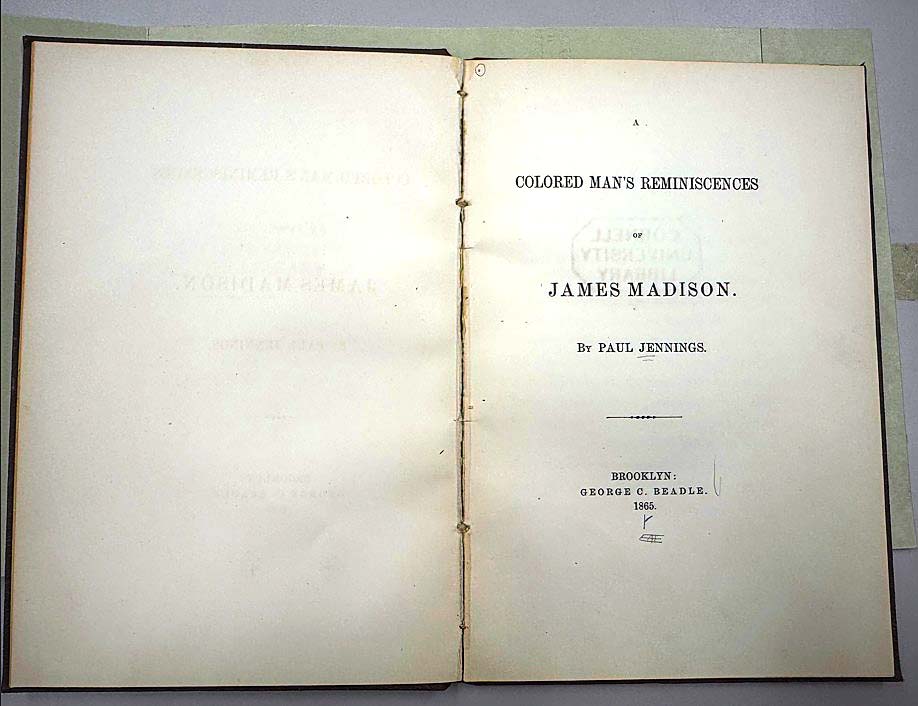
A Colored Man’s Reminiscences of James Madison by Paul Jennings (American, circa 1799-1874), G.D. Beadle, Brooklyn, N.Y., 1865, 8 by 5½ inches (bound, closed). Division of Rare and Manuscript Collections, Cornell University Library, Rare Books E342 J54.
The exhibition does not shy away from the darker undersides of many affluent Colonial households and includes the stories of enslaved people. An 1861 publication titled A Colored Man’s Reminiscences of James Madison was written by Paul Jennings, who served as President Madison’s valet before gaining his freedom. Jennings’ account includes a first-hand description of Dolley Madison’s efforts to save a portrait of George Washington during the British attack on the capital in August 1814, as well as his presence at Madison’s deathbed decades later. A small door handle from the president’s house in Philadelphia, where the Washingtons enslaved as many as nine people for daily domestic work, and an engraving depicting an enslaved man believed to be William Lee standing near the Washington family round out that theme. “Jennings’ memoir is really significant because it offers this unique perspective on American history by someone who was enslaved by a president of the United States,” Quertermous explained. “And you think about all the hands that touched this door handle.”
Quertermous also singled out the exhibition’s letters, a reminder of just how differently people communicated in the era before texts and emails. One letter John Jay sent his wife from London is labeled to show it took three months to cross the Atlantic — meaning a single exchange could easily consume half a year.
This exhibition is aptly timed, as many others have been this year, to coincide with America 250 and aligns with the Hampton Jenrette Foundation’s initiatives, he added. “And it’s a great way to really look at the founders through material culture.”
The Katonah Museum of Art is at 134 Jay Street. For information, www.katonahmuseum.org or 914-232-9555.