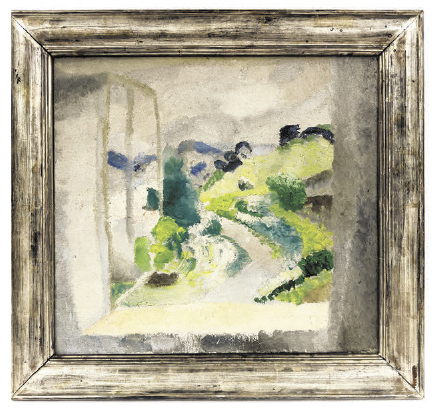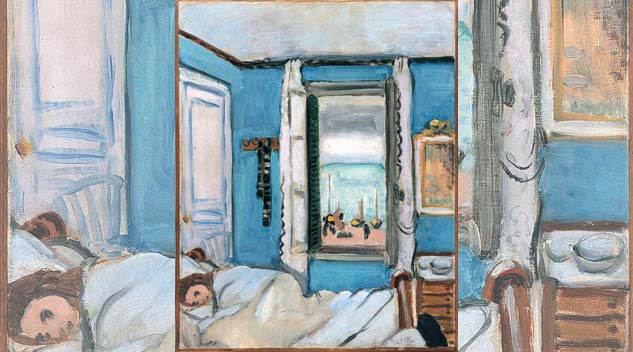
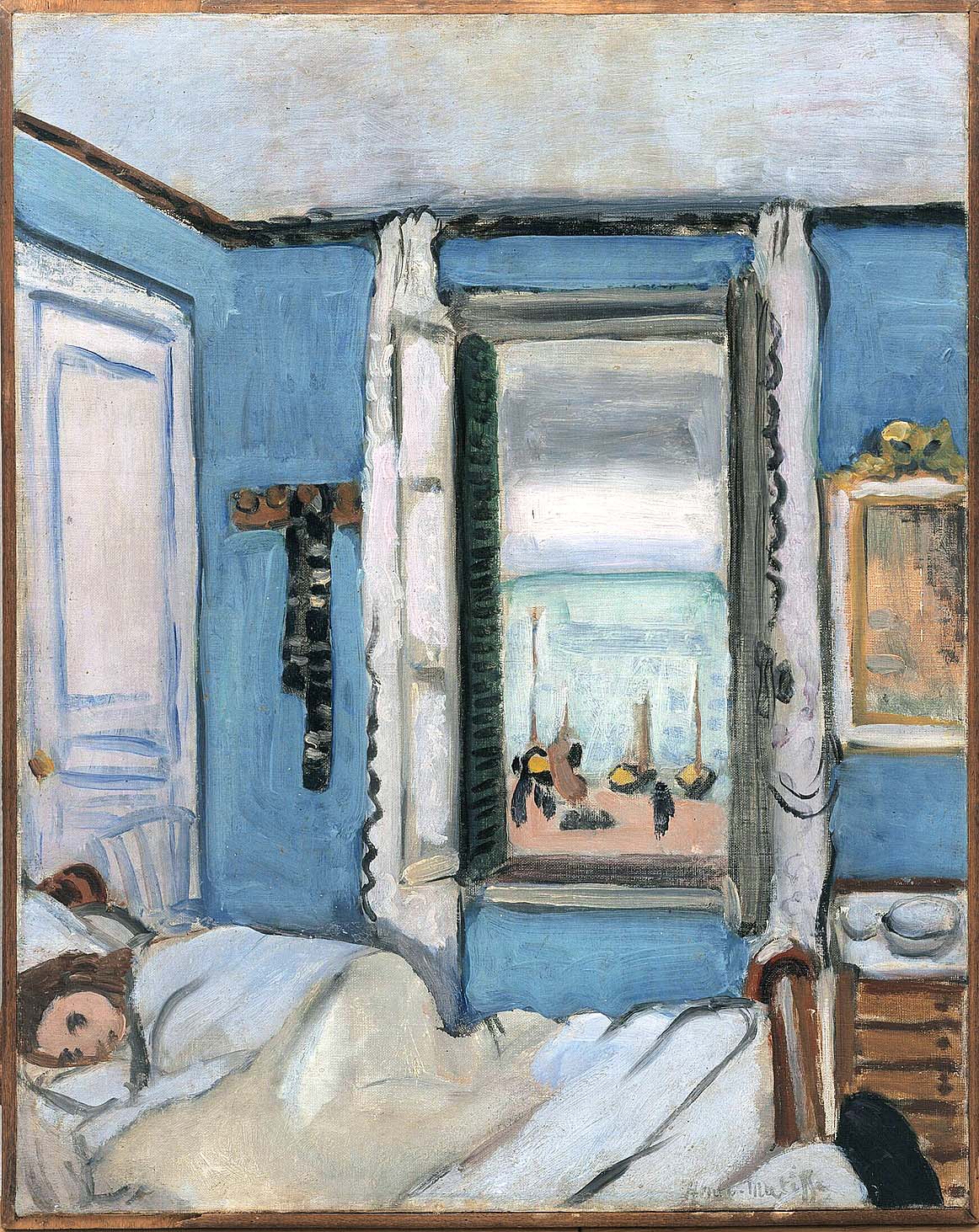
“Interior, Étretat” by Henri Matisse, 1920, oil on canvas. Private collection. © 2026 Succession Matisse / Artists Rights Society (ARS), New York.
By James D. Balestrieri
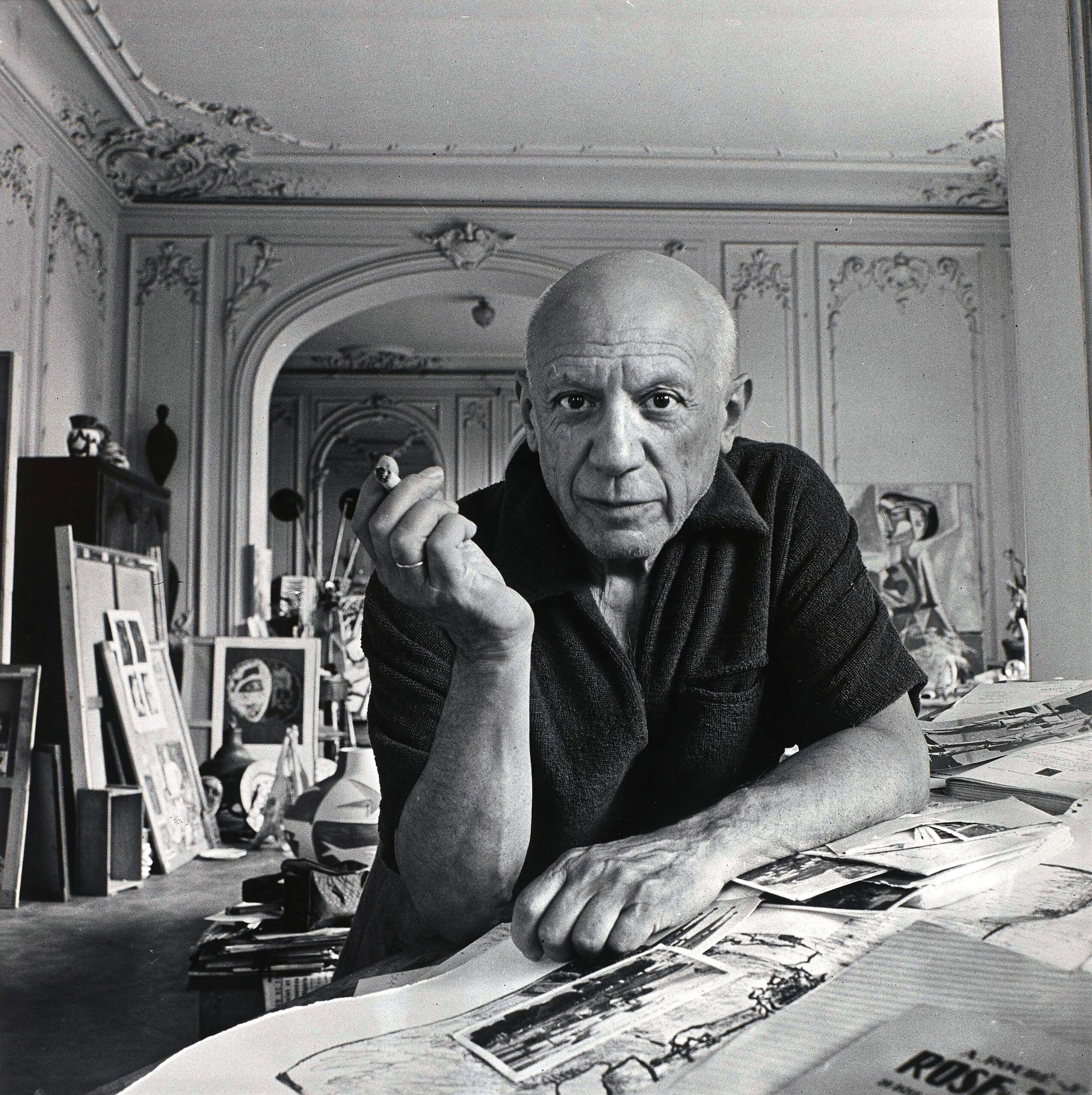
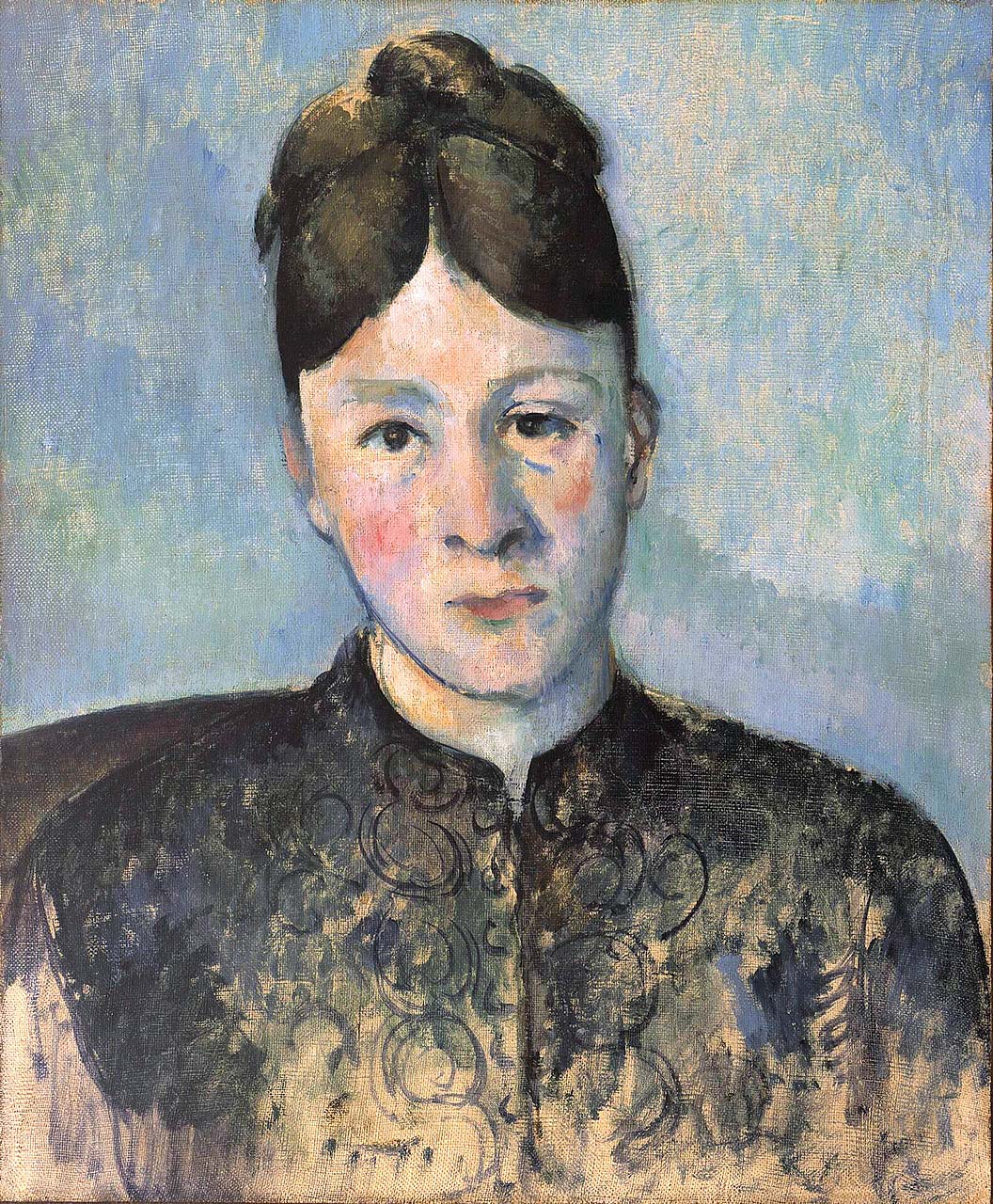
HOUSTON — Modernism and its bevy of handmaiden-isms — Cubism, Precisionism and so on — have been with us so long that they have become part of cultural fabric, not just of the West, of Europe and the Americas, but of the whole world. Copied, adapted, alluded to, parodied, turned into decor, household goods and fashion, the forms that Picasso, Klee, Matisse and others wrested from their own experience and imaginations were, at one time, new and exciting, and even, to the established aesthetic and political order, threatening. In order for Picasso to become Picasso, Klee to become Klee, Matisse to become Matisse, there had to be champions, dealers such as Heinz Berggruen, whose collection of artworks by Pablo Picasso, Paul Klee, Henri Matisse and other Modernist masters forms the new exhibition “Picasso–Klee–Matisse: Masterpieces from the Museum Berggruen,” on view through September 13 at the Museum of Fine Arts, Houston (MFAH).
Berggruen, who amassed his collection from the proceeds of his Paris gallery after World War II, was born in Berlin in 1914, the year of the start of the First World War, and he studied journalism and art in Germany and France. In 1936, he won a scholarship to the University of California, Berkeley, leaving Nazi Germany just before Hitler’s final consolidation of power and campaigns of persecution and empire. Berggruen took a job at the San Francisco Museum of Art (SFMOMA), where he saw and became entranced by Klee’s work. According to the exhibition didactics, Berggruen served in the US Army in Europe, remained there after the war and settled in Paris to work at the newly formed UNESCO.
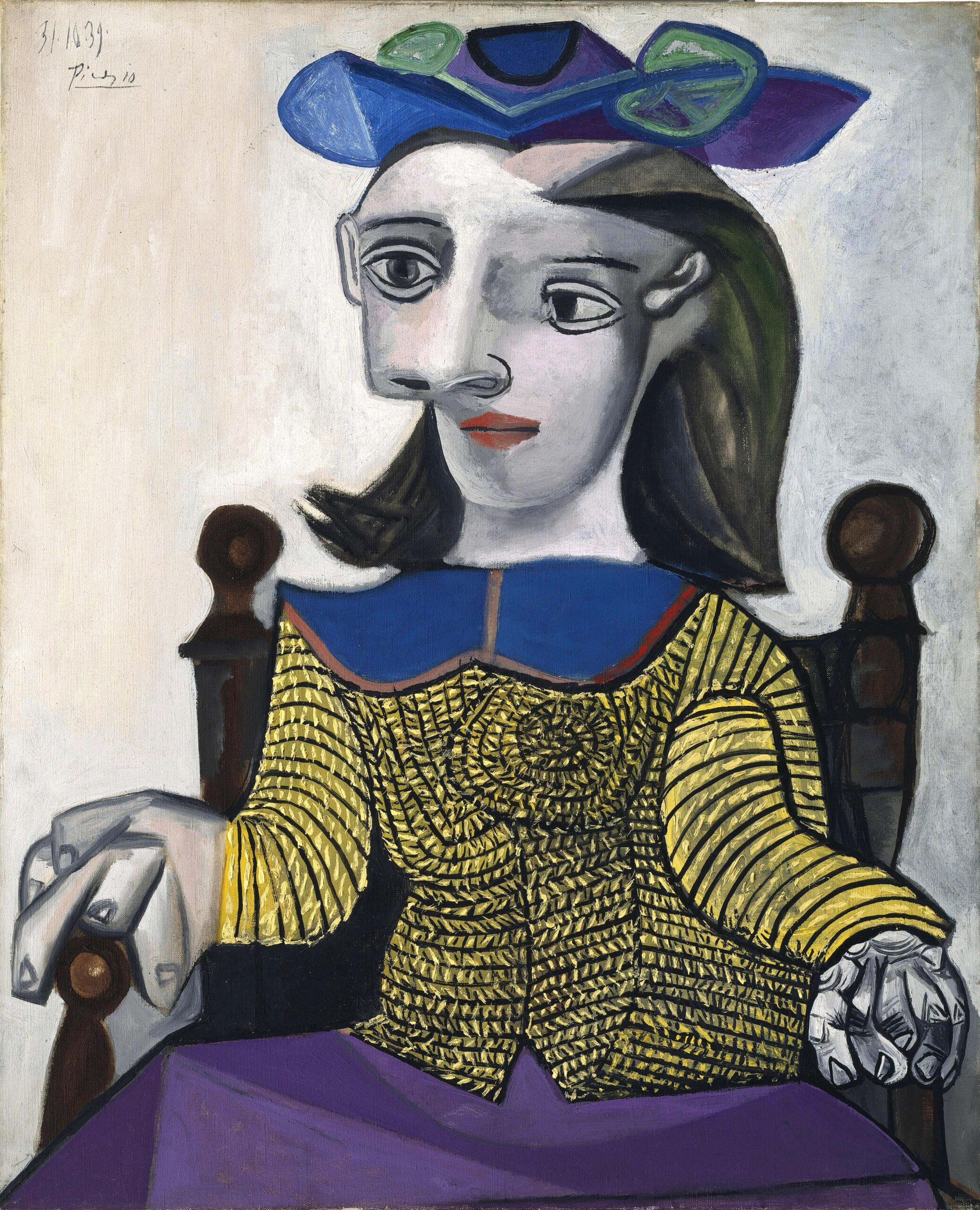
“The Yellow Sweater” by Pablo Picasso, 1939, oil on canvas. Museum Berggruen, Neue Nationalgalerie, Berlin. © 2026 Estate of Pablo Picasso / Artists Rights Society (ARS), New York.
After the sale of an album of Toulouse-Lautrec lithographs, he committed to dealing in art. In 1952, he devoted his gallery’s first major exhibition to Klee. The Galerie Berggruen became an oasis for students and curators and celebrities seeking the latest graphics by Picasso, Marc Chagall, Henri Matisse and Joan Miró. The gallerist’s interest in printmaking and publishing was a means to working with and representing artists all the while forming a collection of his own. “He became known for his brilliant eye for iconic works by these now-revered European masters,” the museum’s press materials added.
While the Berggruen Museum undergoes much-needed upgrades and restoration, the collection is on tour in this exhibition, organized and curated by Gary Tinterow, director and the Margaret Alkek Williams chair of the MFAH, who knew and worked with Berggruen for more than 20 years.
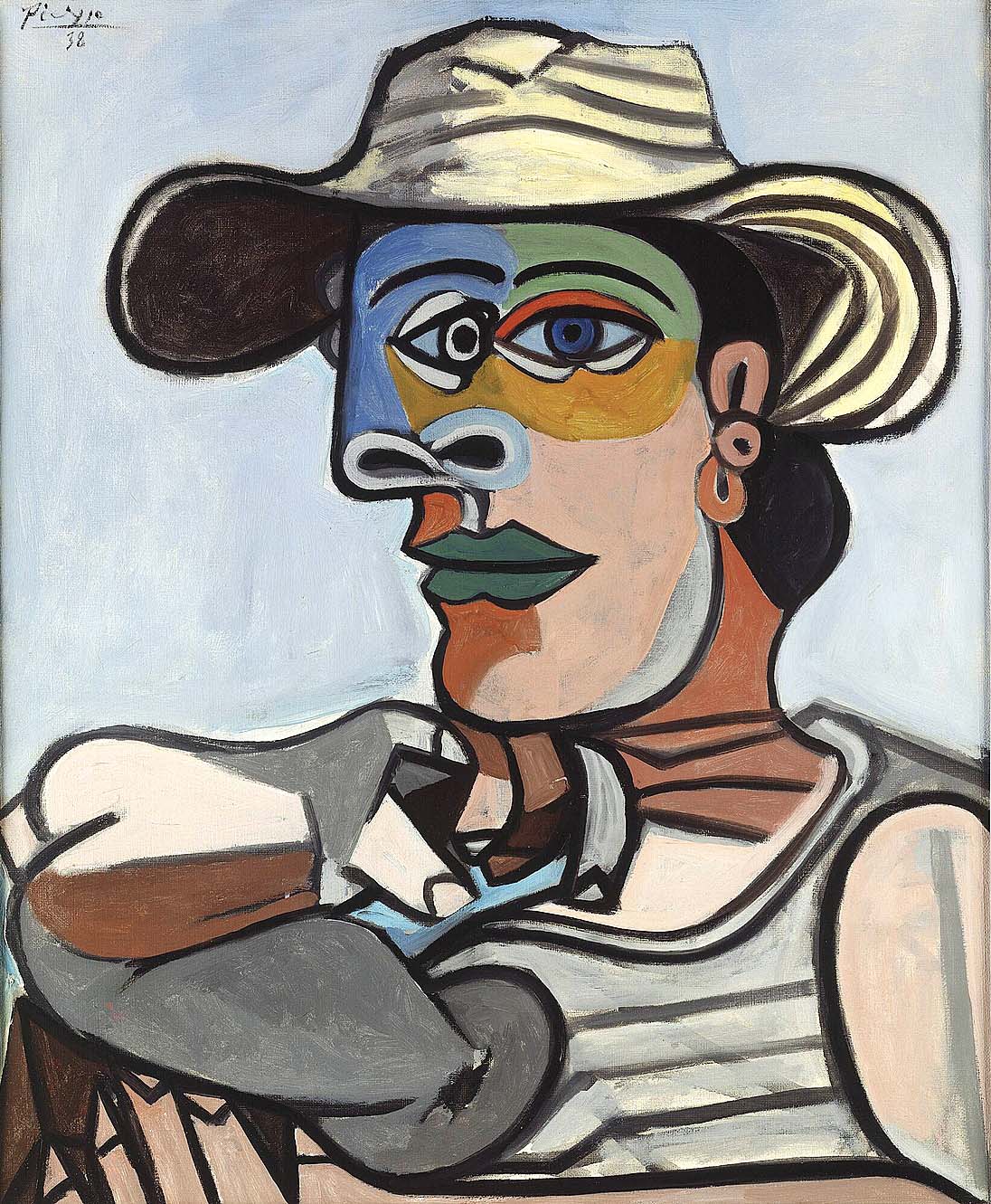
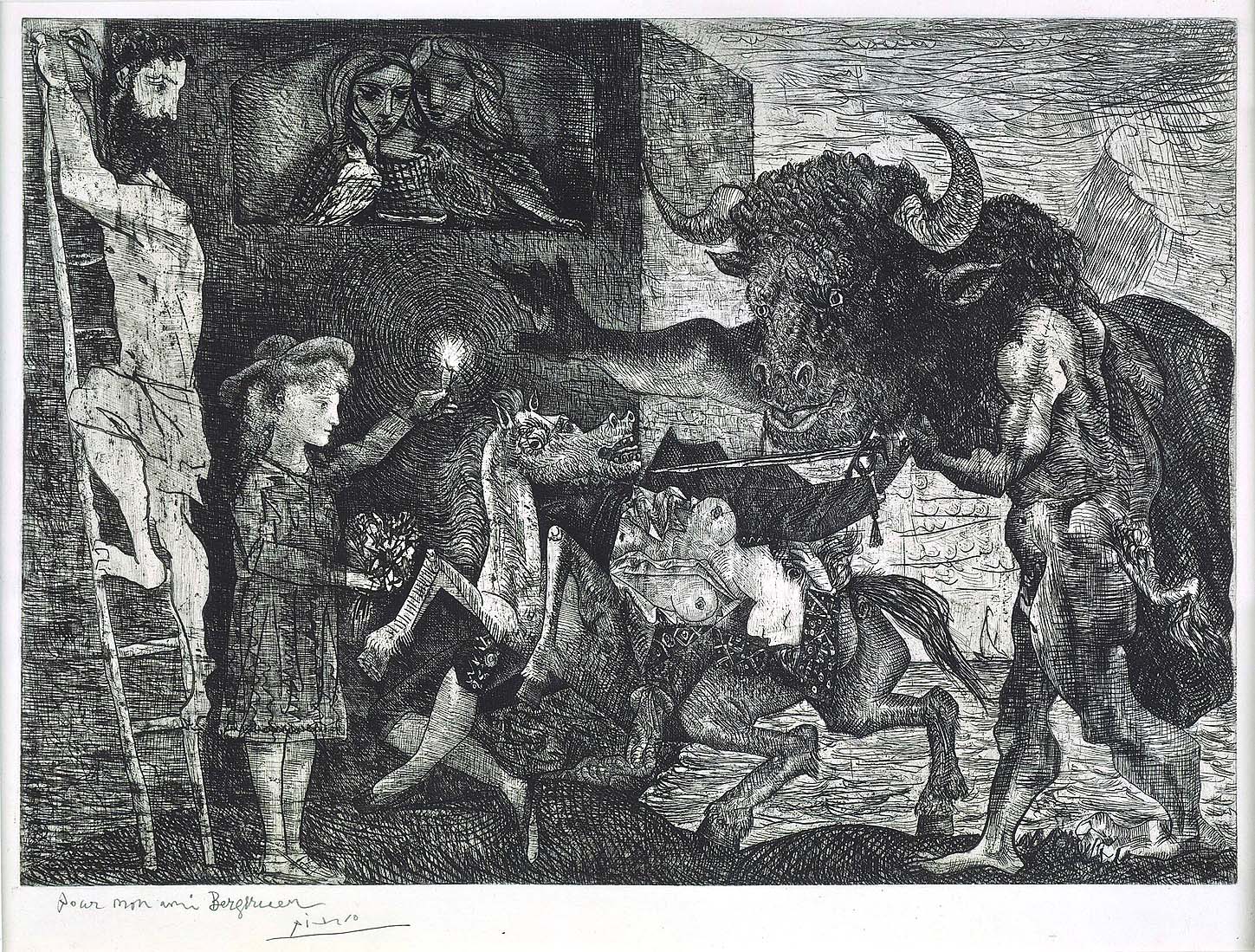
Bergrruen met Picasso through a mutual friend, Surrealist poet Tristan Tzara. Berggruen’s admiration for Picasso is reflected in his collection, which spans the early Blue Period works and extends through to the end of the artist’s life, though, as the exhibition reveals, Berggruen had a particular interest in Modernist portraiture.
Picasso’s “Still Life before a Window, Saint Raphaël” (1919) integrates the still life and landscape, interior and exterior, Classicism and Cubism, demonstrating the artist’s restless desire to combine and remake forms, genres, styles. As Berggruen said of this work, one of his favorite Picassos, “The delightful feature of this blue and pink painting is its fusion of late-Cubist forms and a decidedly Classical-Naturalist feeling. It is what I would call a ‘happy’ painting.” Painted on his honeymoon, Picasso’s blue here is not the somber, introspective hue of the Blue Period; it’s the beach, the sun, newness and freshness.
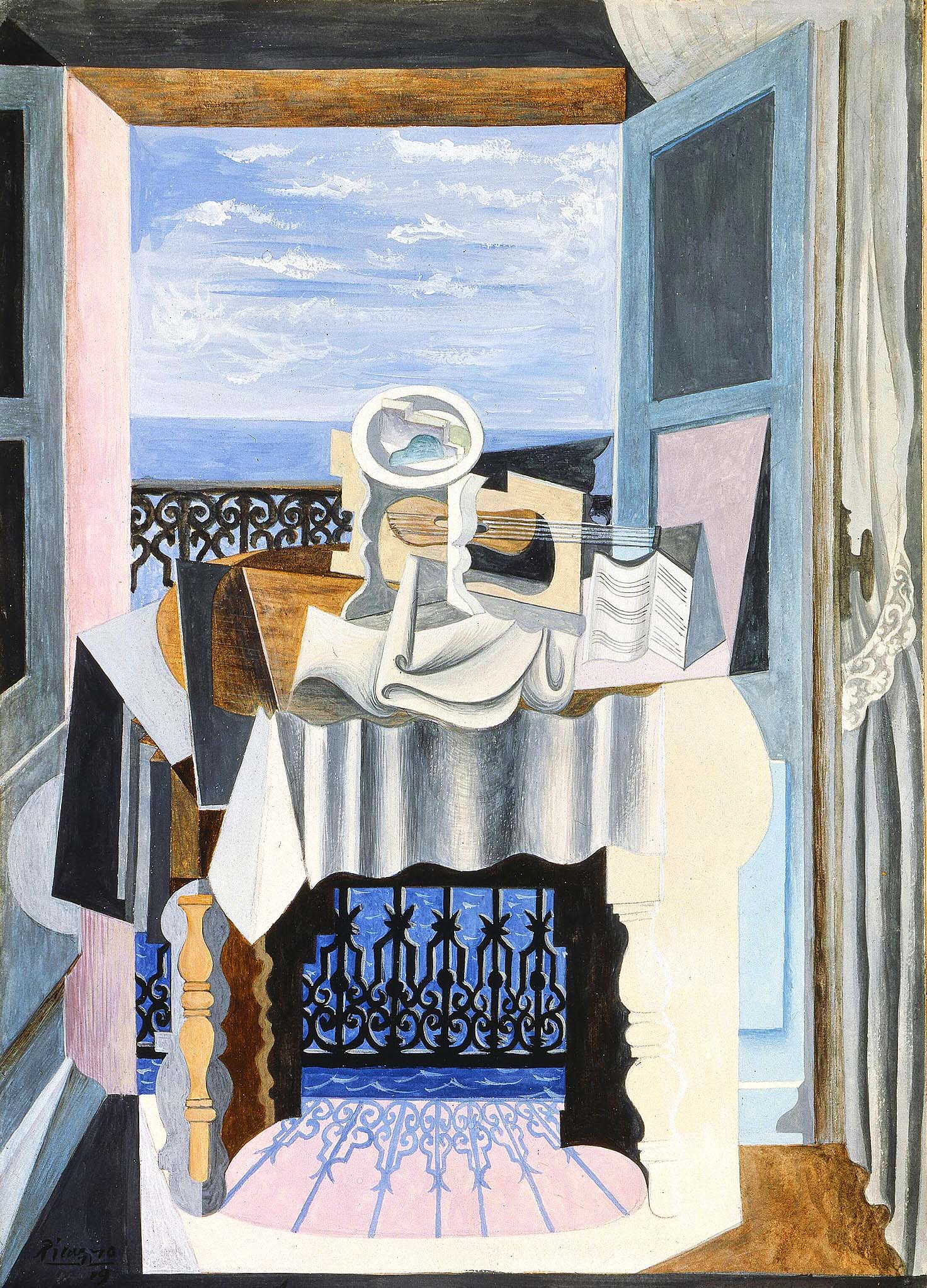
“Still Life before a Window, Saint Raphaël” by Pablo Picasso, 1919, gouache and graphite on paper. Museum Berggruen, Neue Nationalgalerie, Berlin. © 2026 Estate of Pablo Picasso / Artists Rights Society (ARS), New York.
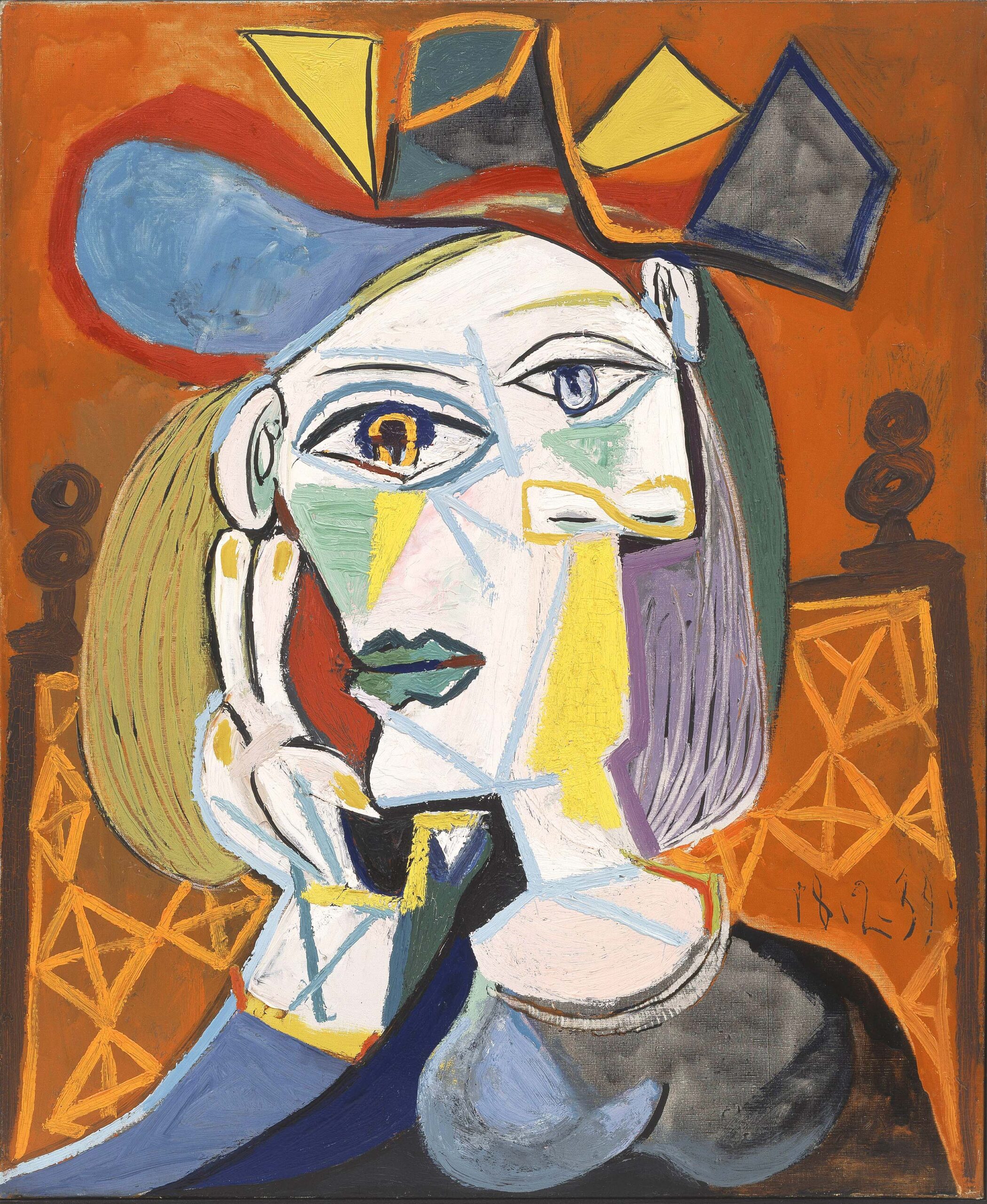
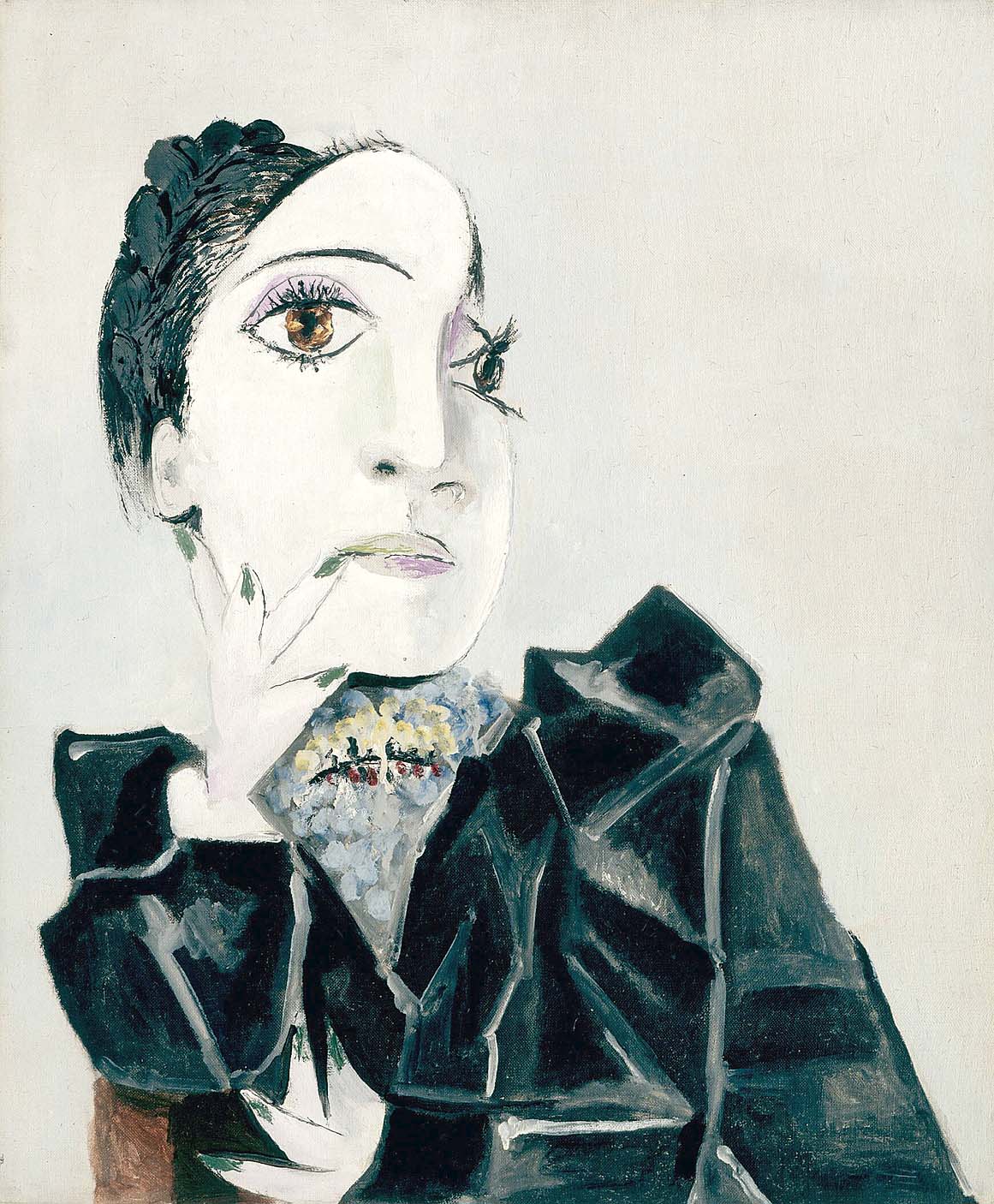
Two portraits featuring Picasso’s lover, model and muse, Dora Maar, “Dora Maar with Green Fingernails” (1936) and “The Yellow Sweater” (1939), present Maar in radically different guises, as if, in Picasso’s eyes, her identity would shift even as he labored to capture her in full, in the round on a flat surface. Maar was “an accomplished photographer” when Picasso met her in 1935, and it is worth noting that she kept “Dora Maar with Green Fingernails” until her death in 1997. Here, with her white face turned away, large eyes and puffy garb, she assumes theatrical identity that recalls commedia dell’arte characters, transforming mimetic representation into pantomime.
By contrast, in “The Yellow Sweater,” Maar almost seems childlike, a girl whose posture and costume suggest discomfort at having to sit still while the rope-like knit that keeps drawing the eye away from the face and hands becomes a maze, a trap, and the painting seems like an illustration for a version of Charlotte Perkins Gilman’s haunting short story “The Yellow Wallpaper.”
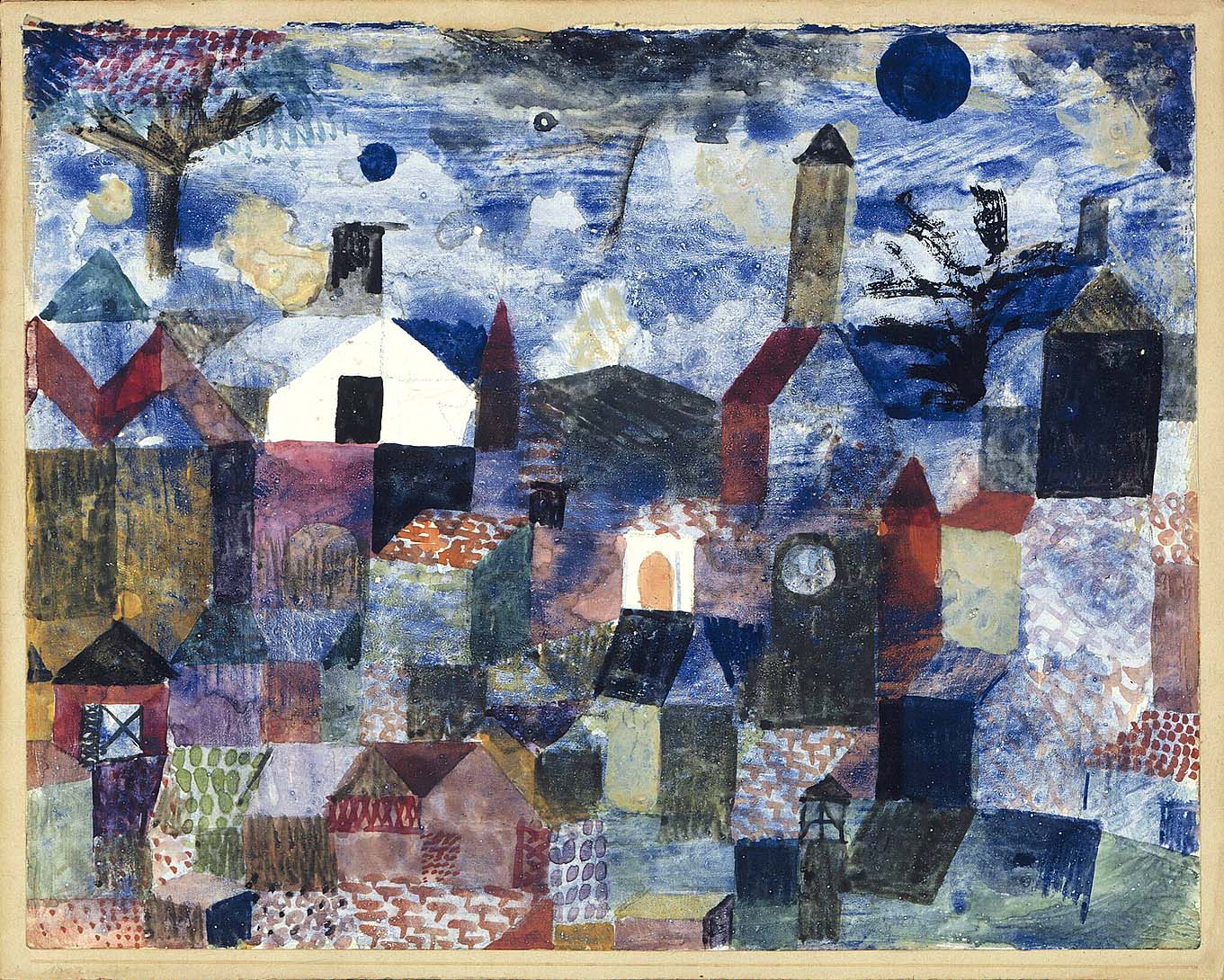
Klee’s “Blue Mountain” (1919) isn’t about landscape; it’s about the abstractions of shapes and the categories, the ways of seeing that underpin landscape. Near and far; symmetry and asymmetry; shadow, as in the shadows of clouds; light that shines through those clouds; light in general — its persistence, disruptions, changes; reflections and mirages, real and imagined. Looking at “Blue Mountain,” the eye wants to make a landscape out of what it sees, purely on the basis of a title that may or may not, intentionally or unintentionally, mislead. But it swiftly stops wanting realism where none is to be found. Instead, the eye accepts what is there, moving and being moved through and among the patterns and randomness, taking a voyage of its own, all its own, on its own. For instance, the yellow squares that seem to sit on top of the bands and cross the triangular fields almost become — and then retreat from — the shapes of suns: suns rising, sinking, punctuating, spilling over. Once you notice them, they keep receding and advancing in the picture plane, yellow squares that never rest.
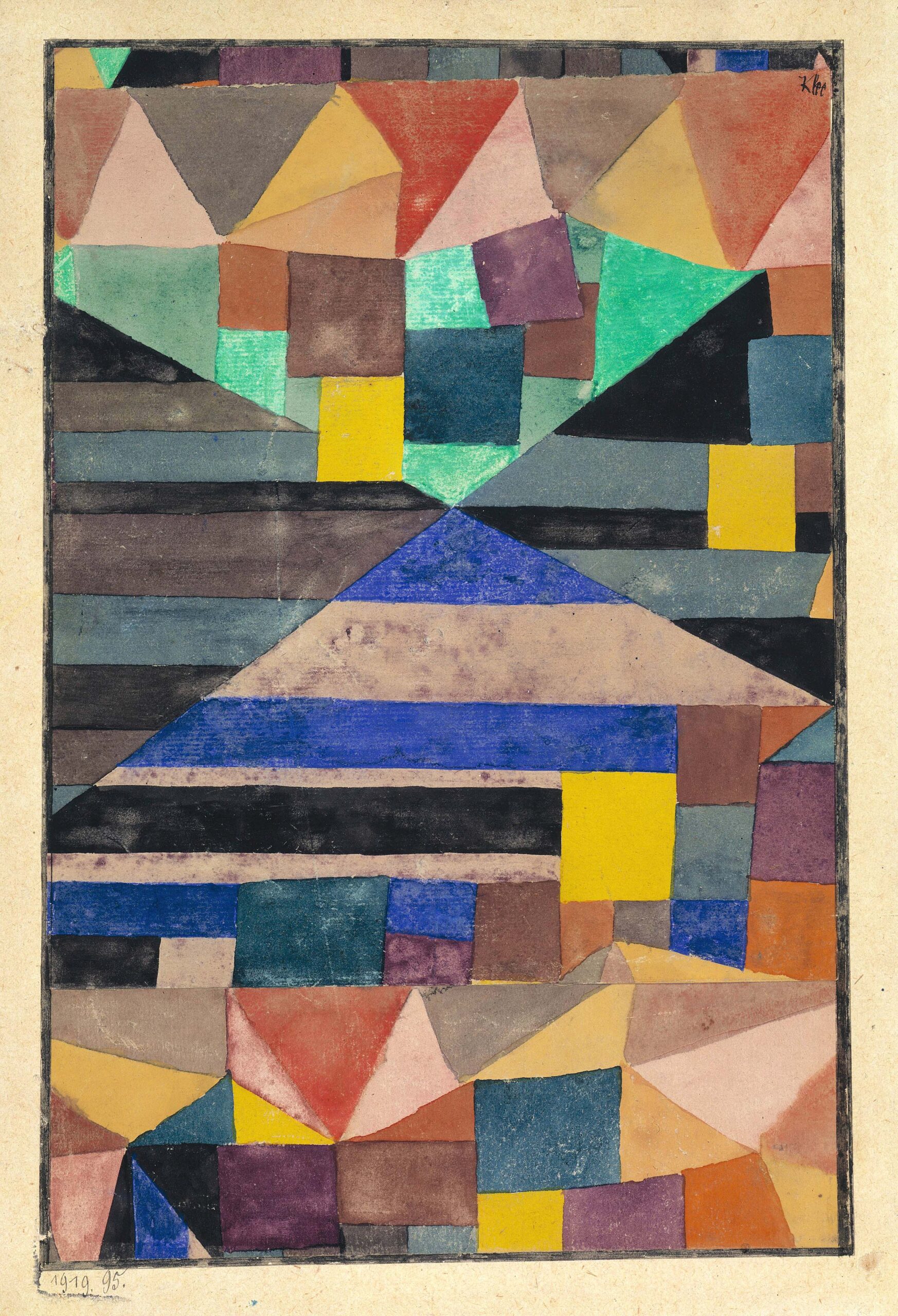
“Blue Mountain” by Paul Klee, 1919, watercolor, gouache and graphite on paper on paperboard. Museum Berggruen, Neue Nationalgalerie, Berlin.
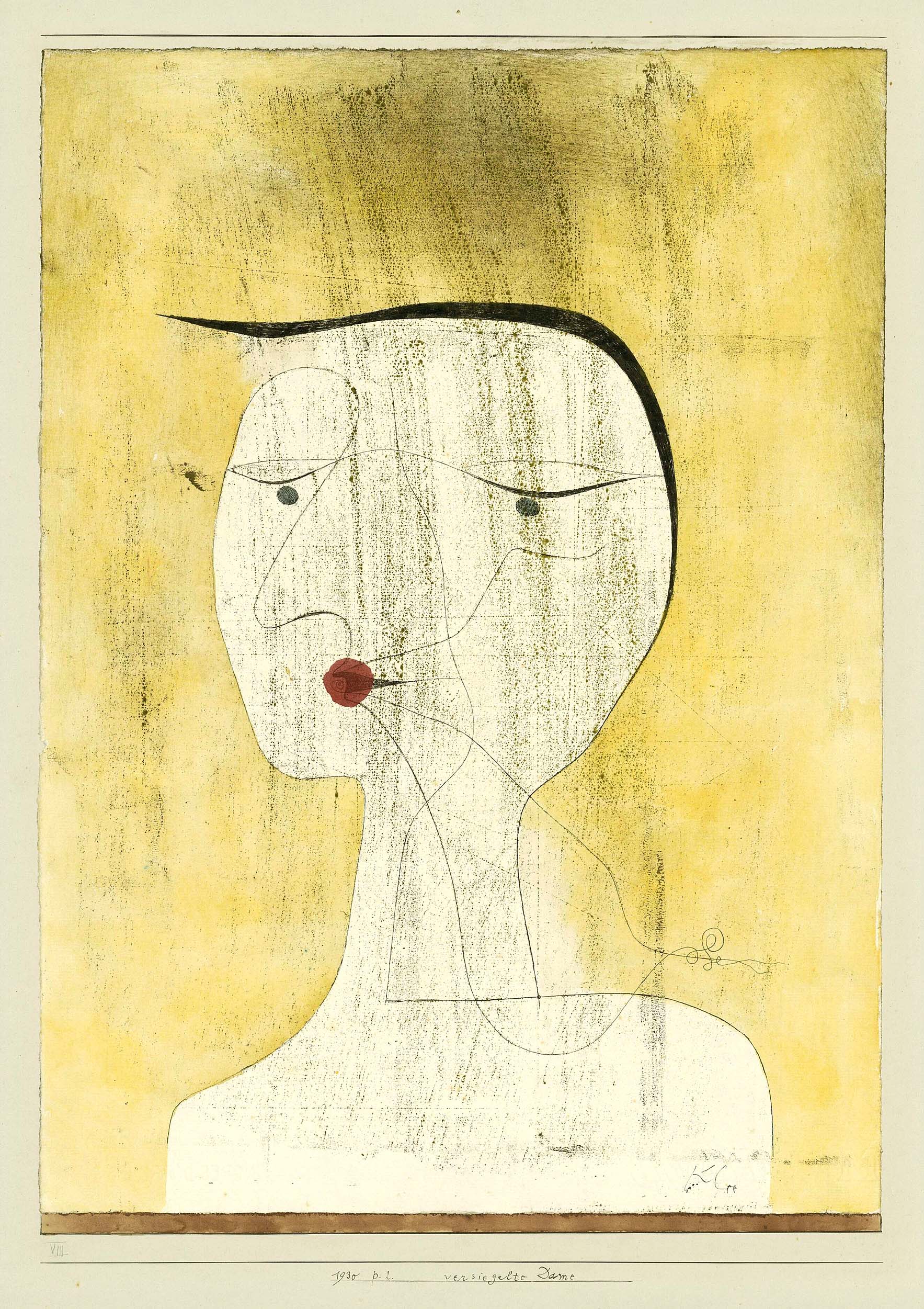
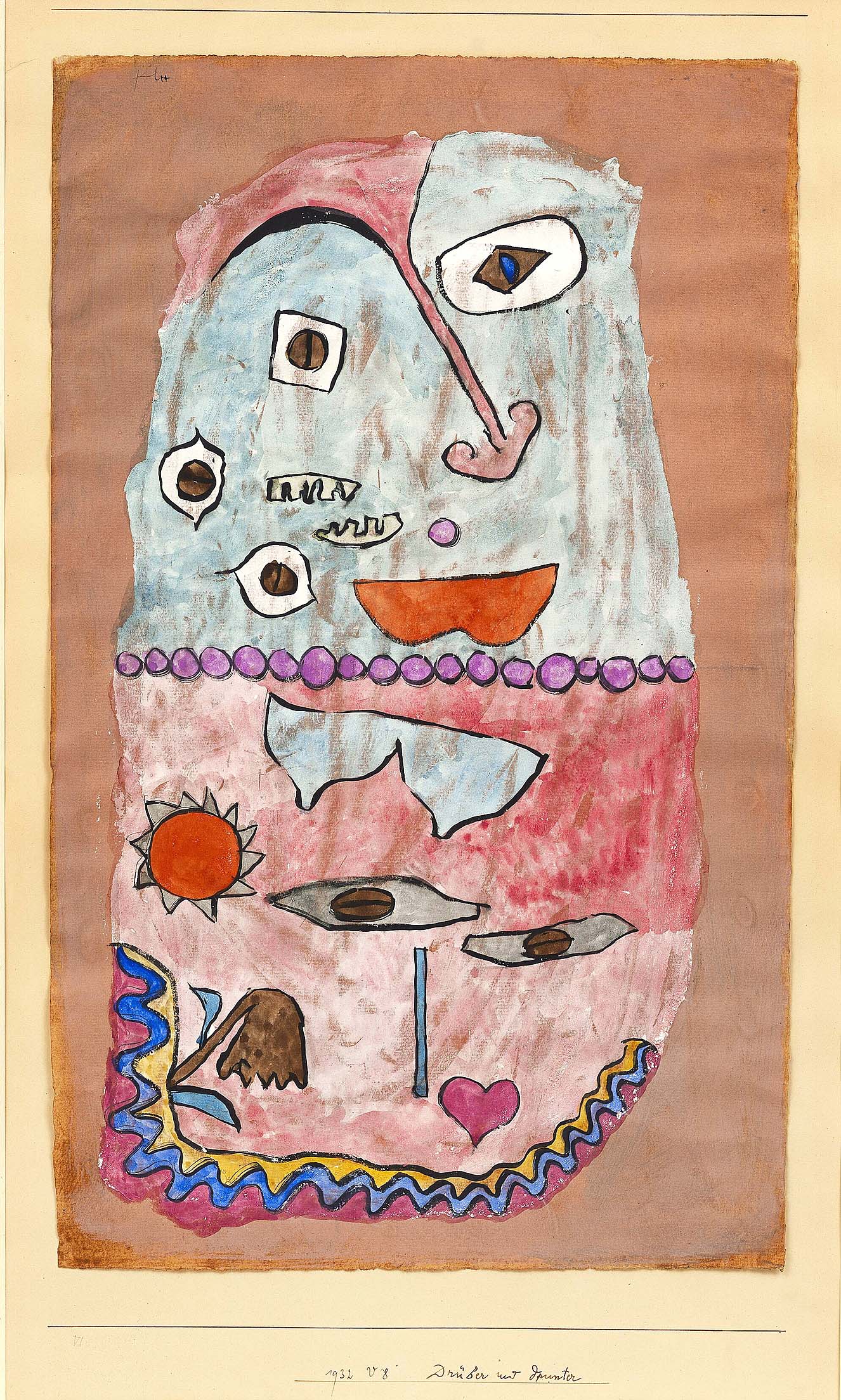
“Sealed Lady,” a 1930 work, adds inside and outside to the categories of landscape as the thin outline of the woman, a membrane really, that might be thin as a cell wall, contains wisps of other faces, while a whisper or breath escapes her lips and trails off. Painted two years later, “Above and Below” seems to combine the reflective aspects of “Blue Mountain” with the contained portraiture of “Sealed Lady.” Figure as landscape, landscape as figure: substitution is a crucial practice of Modernist facture.
Berggruen’s works by Matisse demonstrate both the artist’s evolution as he sought to reduce his compositions to essential forms and colors and his determination to continue to make art through the debilitating illnesses that plagued his final years. Painted just a year after Picasso’s “Still Life before a Window, Saint Raphaël,” Matisse’s “Interior, Étretat” (1920) shares some of what might perhaps be termed post-World War I optimism. The woman on holiday sleeps in, lulled by the lapping of the sailboats at anchor just beyond the window. You can almost hear the bells on the masts ringing in soft, atonal harmonies, music the sea composes. The room is spare, as resort rooms are, but the blue of the walls and coverlet is the blue of the ocean, and the white of the door and curtains is the white of wave tops. The two works, Picasso’s and Matisse’s, form a fascinating pair and offer insights into Berggruen’s taste.
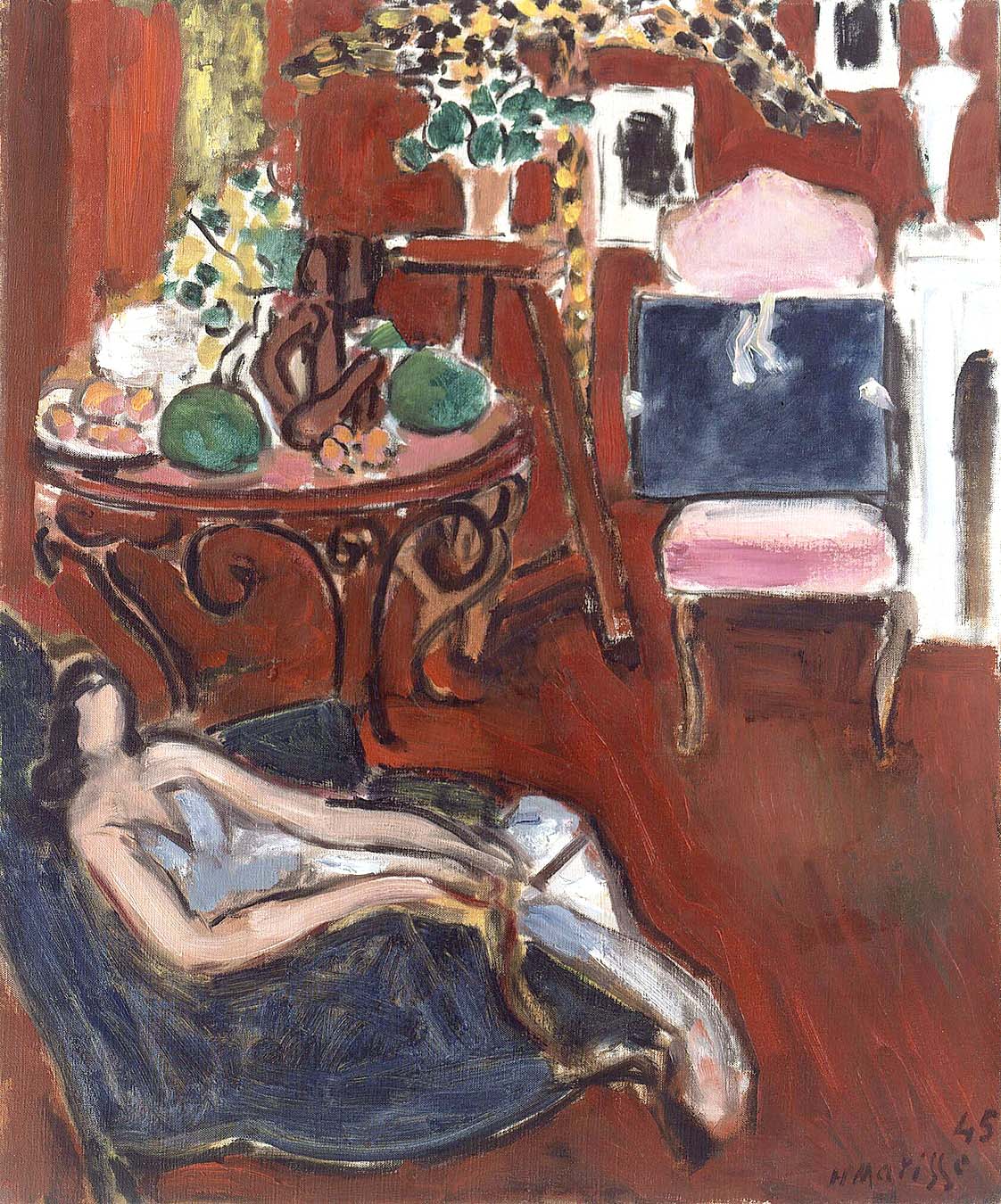
“The Blue Portfolio” by Henri Matisse, 1945, oil on canvas. Museum Berggruen, Neue Nationalgalerie, Berlin. © 2026 Succession Matisse / Artists Rights Society (ARS), New York.
By 1945, Matisse had lived through the Second World War and had gone through harrowing surgeries. He had also developed his mature style, as evidenced in “The Blue Portfolio.” Dominated by blood and wine reds, the painting combines still life and figurative work in the form of the studio picture, a genre unto itself. With the model reclining in the foreground, the viewer is left suspended, wondering whether this is the scene the artist intends to paint, or does it reflect a moment of relaxation between poses? Thick black outlines and areas of white left unpainted move and stop the eye of the viewer. We take the work in it its flatness, then apply perspective, then move back to flatness. It is the very essence of modernism.
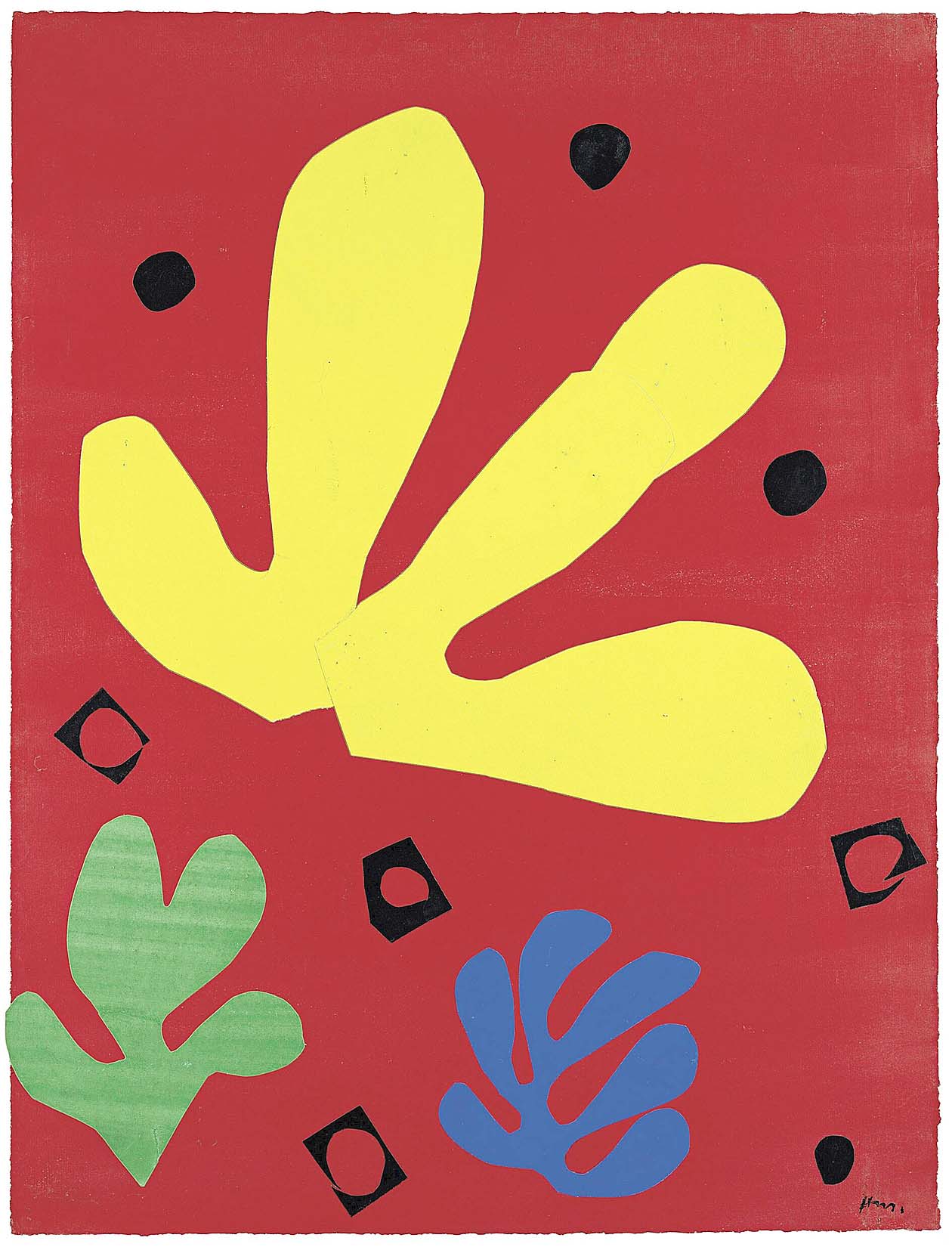
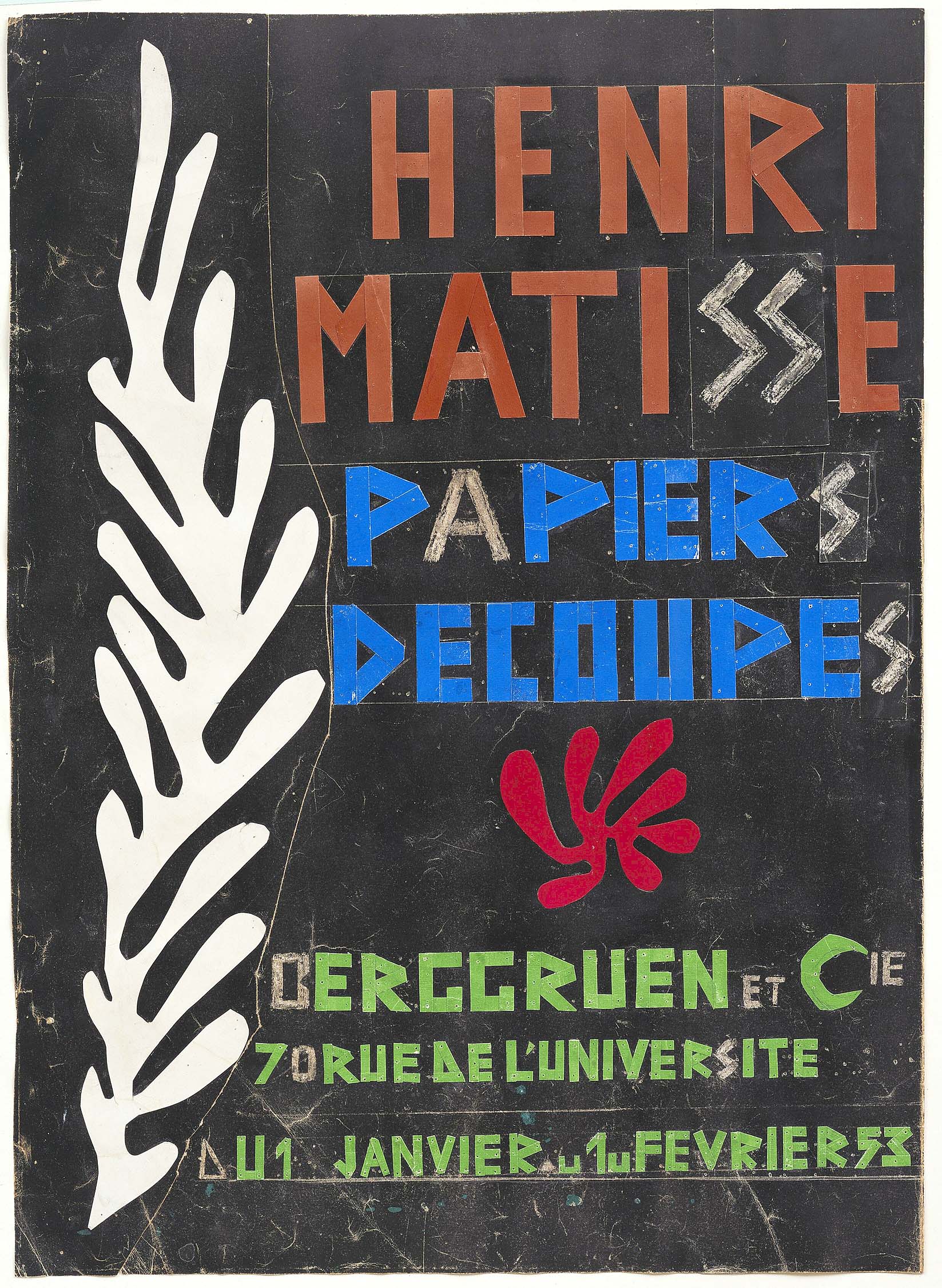
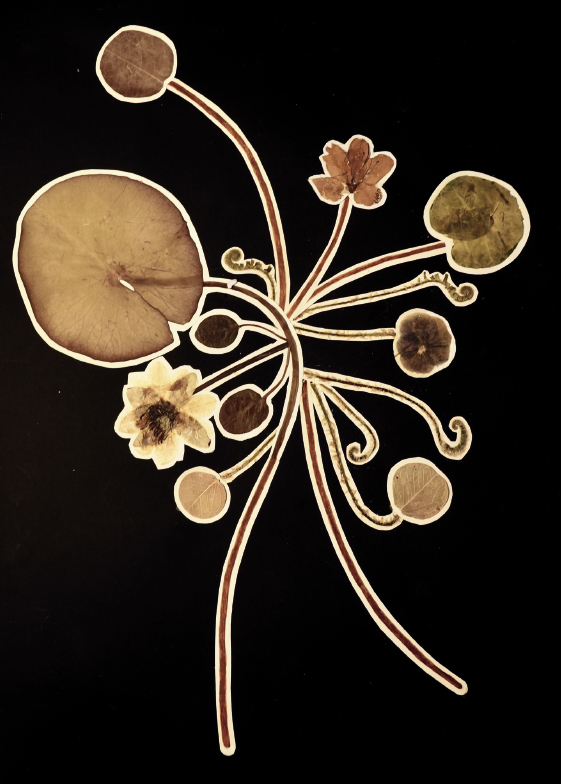
Berggruen was an early advocate of Matisse’s cutouts, and “Vegetal Elements” (1947) is an ideal example of what the artist called “painting with scissors.” The organic forms that Matisse created, from fonds suggestive of ferns and lush, undersea worlds, to dancers that seem to spring from idylls out of our mythic imagination, have somehow become elements of humanity’s collective dreamscape. It is as if they were always there, but it took Matisse to unearth them and give them shape.
I would argue that Modernist masters like Picasso, Klee and Matisse transformed the “point of view” into the “facet of view,” moving the viewer’s eye — and the art of painting itself — from the single dimension of mimetic representation of reality, that had dominated Western art since the Renaissance, to the dual dimension of surfaces and depths, the seen and the hidden, represented at the same time on the same plane, the same canvas. The point became the plane and artists like Picasso, Klee and Matisse polished this plane into a facet, as if existence itself were a new raw mineral, one that they transformed into jewels — jewels that Henri Berggruen amassed and strung into a dazzling array.
The Museum of Fine Arts, Houston, is at 1001 Bissonnet Street. For information, www.mfah.org or 713-639-7300.