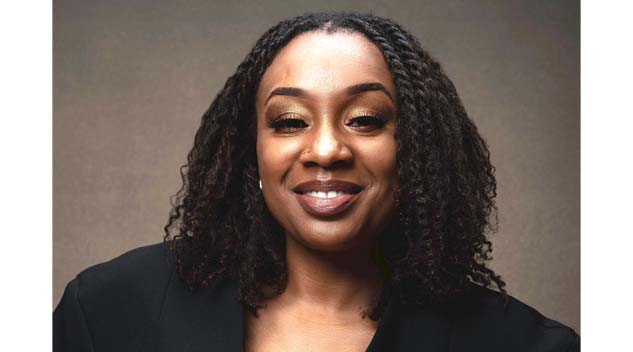
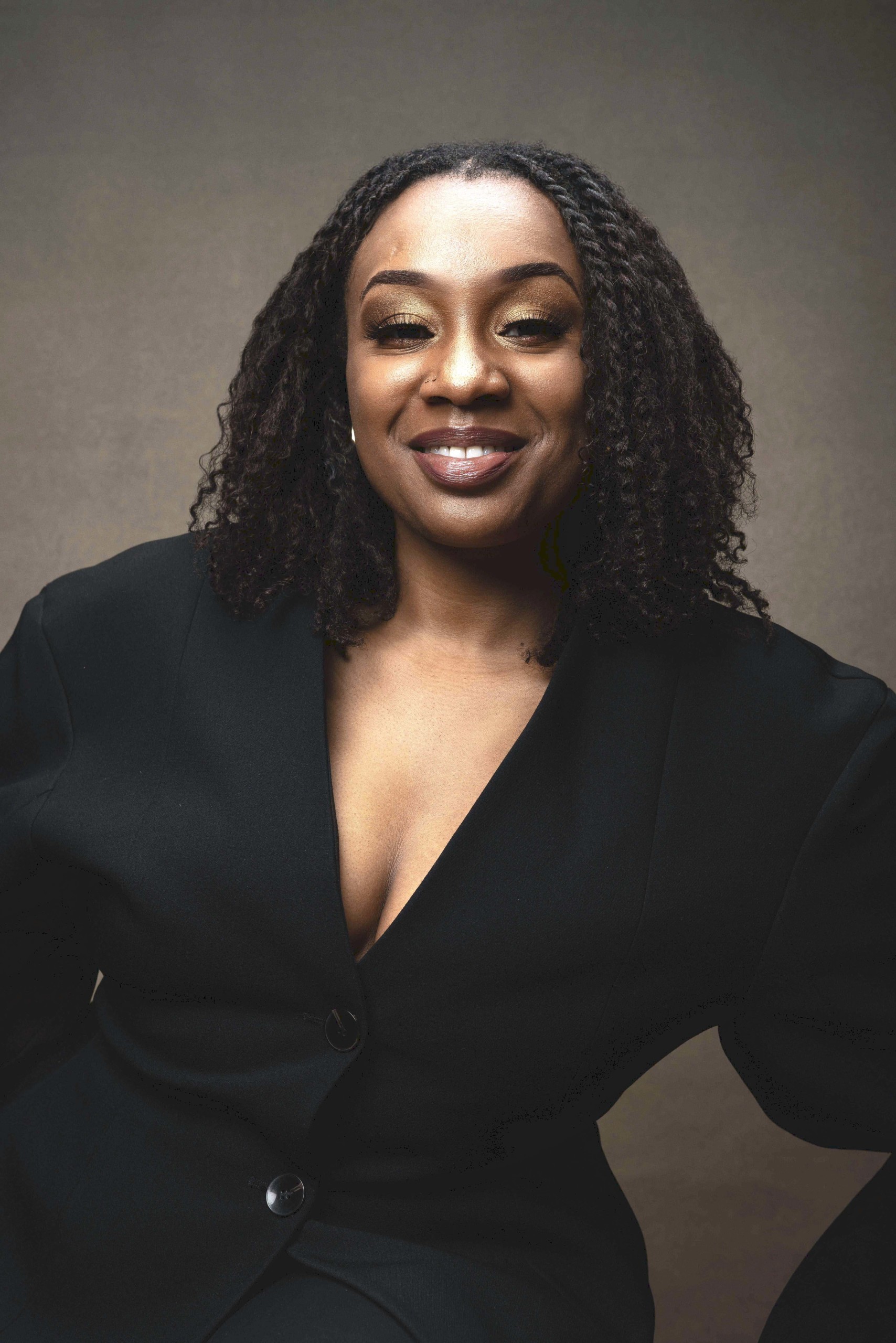
Back in December of 2025, the San Francisco Museum of Modern Art (SFMOMA) and the Museum of the African Diaspora (MoAD) announced Cornelia Stokes as the inaugural assistant curator of the art of the African Diaspora. Stokes, who has more than a decade of experience in the art and museum fields, began her position on January 5 and will hold it for three years. When Antiques and The Arts Weekly caught wind of her appointment, we reached out to Stokes to learn a little bit more about what to expect from her new position, and what she’s looking forward to most.
Congratulations on your new position as the assistant curator of the art of the African Diaspora at SFMOMA and MoAD. Can you explain to our readers a little bit about what your position entails?
Thank you. The role is a joint, cross-institutional position shared between the San Francisco Museum of Modern Art and the Museum of the African Diaspora. I envision my work centering on cross institutional exhibitions, artist-focused programming and community engagement related to the art of the African Diaspora.
What does it mean to you to be the first person to take on this joint role with SFMOMA and MoAD?
Holding the inaugural curator title is both an honor and a responsibility. It signals a shared commitment by SFMOMA and MoAD to rethink how institutions collaborate and is a testament to all the work I did before this role.
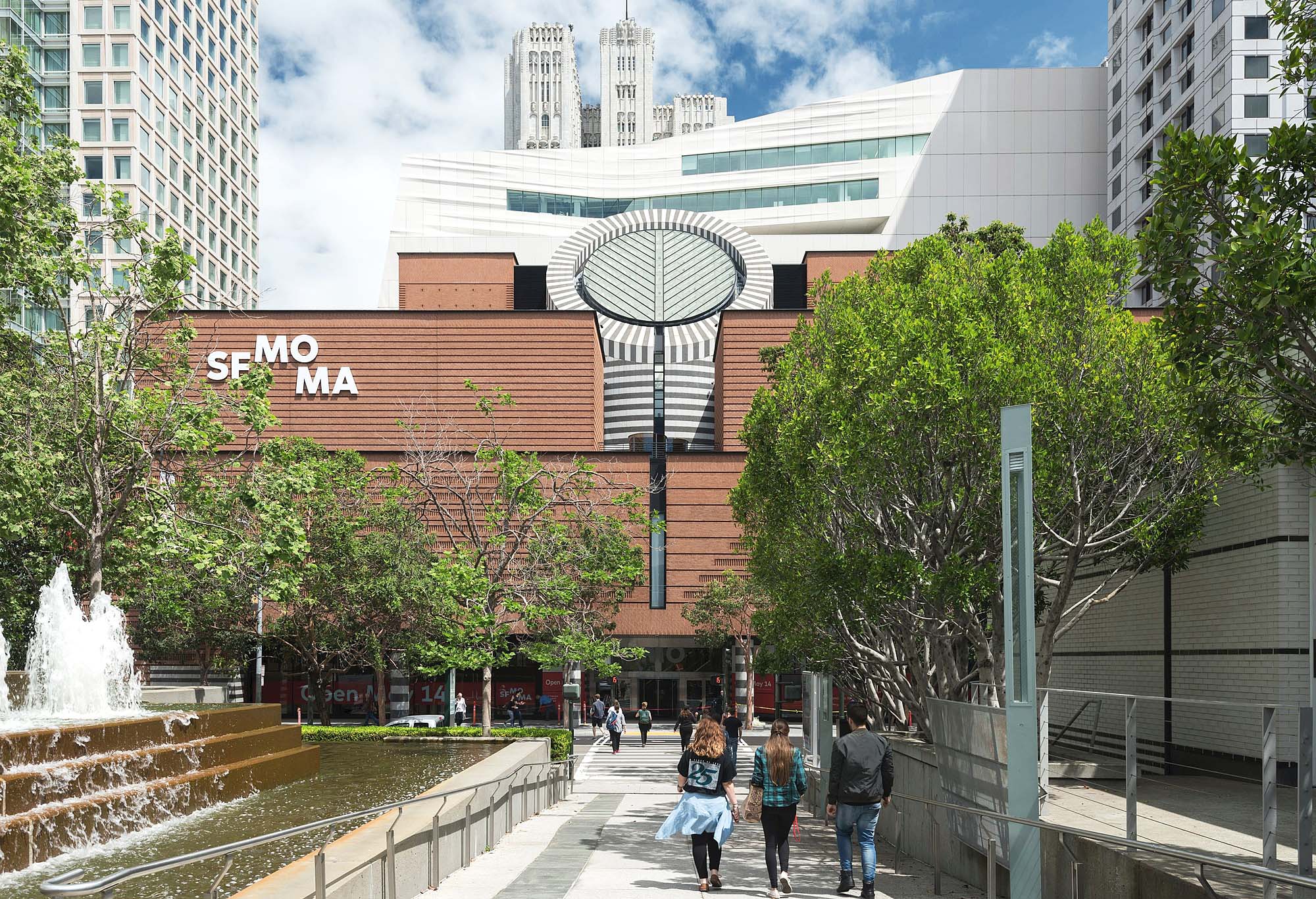
SFMOMA, view from Yerba Buena Gardens. Photo by Jon McNeal © Snøhetta.
You have over a decade of experience in the art and museum fields, which includes your previous position at Emblazon Arts. What skills and lessons will you take with you from that role, or others, coming into this new one?
Through experiences with Emblazon Arts I’ve sharpened my ability to move between vision and execution — to imagine ambitious projects while remaining attentive to logistics, resources and people. I learned a lot about the importance of building trust while navigating various institutional structures.
I understand that you have a deep belief in utilizing curating as a tool for civic engagement and curatorial transformation. How do you plan to do that in this role?
I see curating as a way to meet people where they are. In this role, civic engagement begins with asking who is being centered, who is being invited into the conversation and how museums can function as spaces for reflection rather than authority alone.
The plan is still being developed as I learn the strengths of each museum.
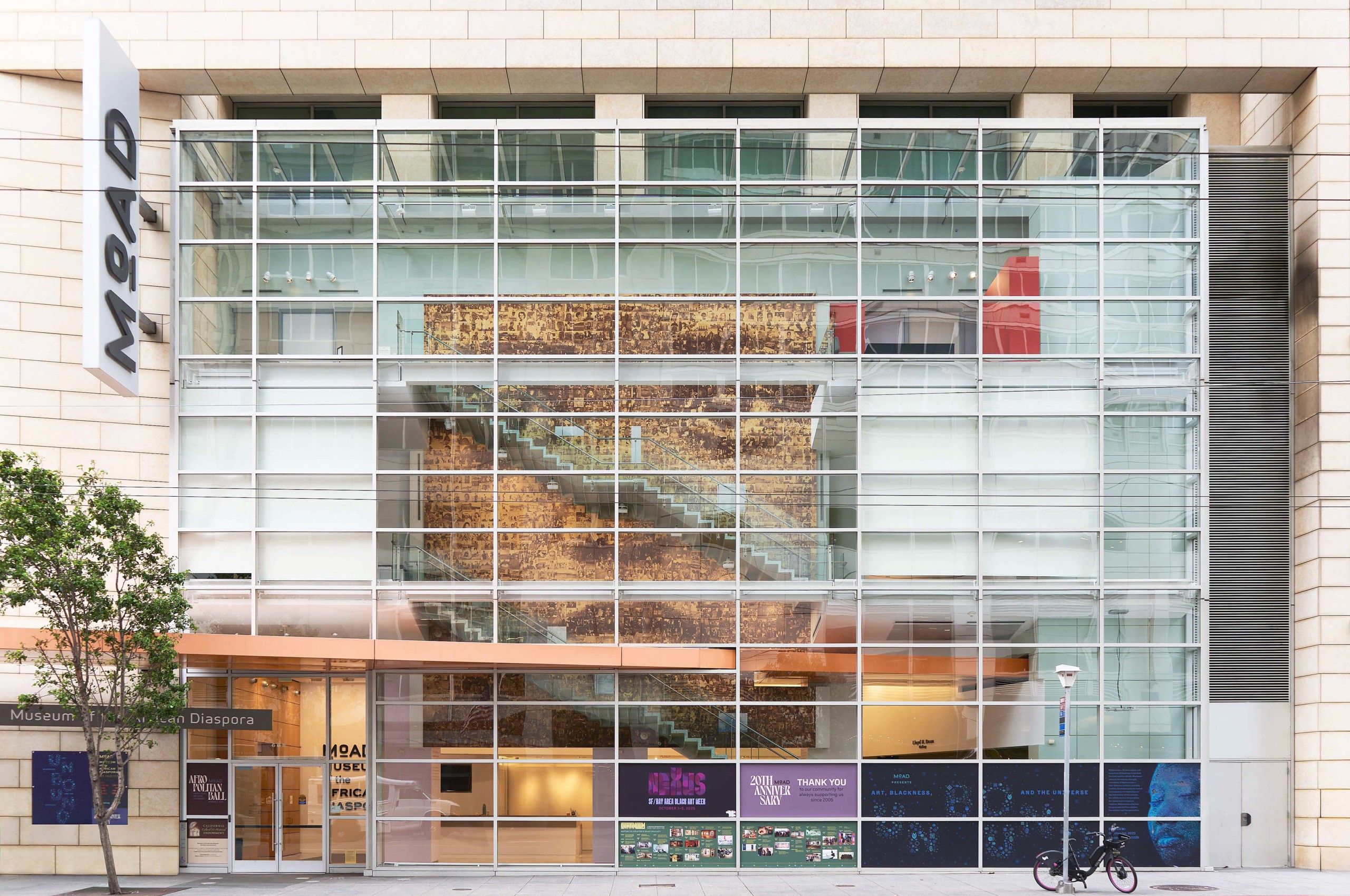
MoAD Exterior. Photo by Josef Jacque, courtesy of MoAD.
What aspects of the job are you looking forward to most, as you are currently onboarding?
I’m most excited about learning — learning the rhythms, histories and cultures of both institutions, and building relationships with colleagues, artists and community partners.
I’m also looking forward to the long-term thinking this role allows. The three-year structure creates space to move beyond immediacy and toward projects that are thoughtful, research-driven and lasting.
—Kiersten Busch