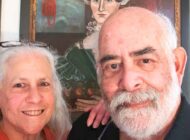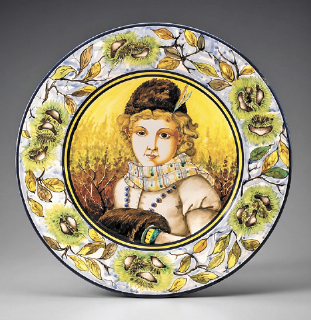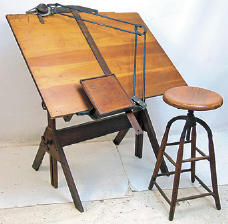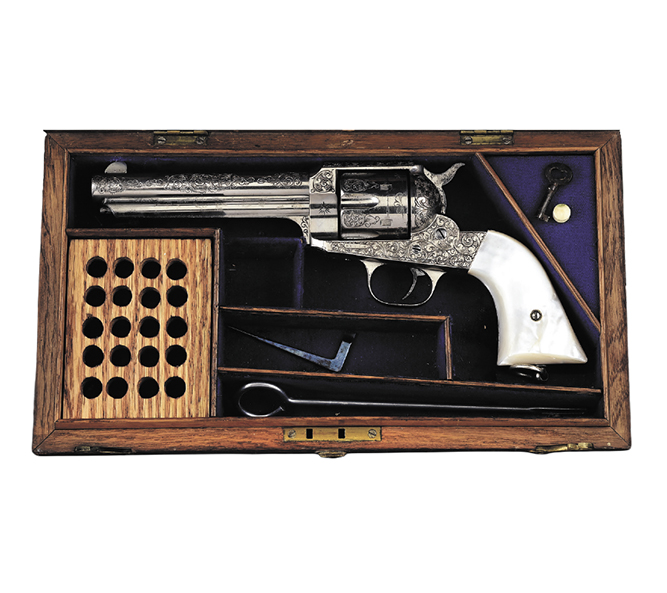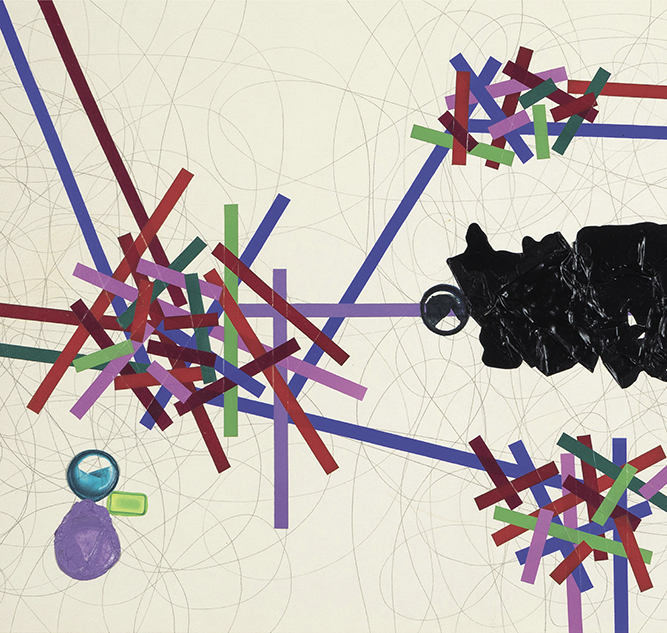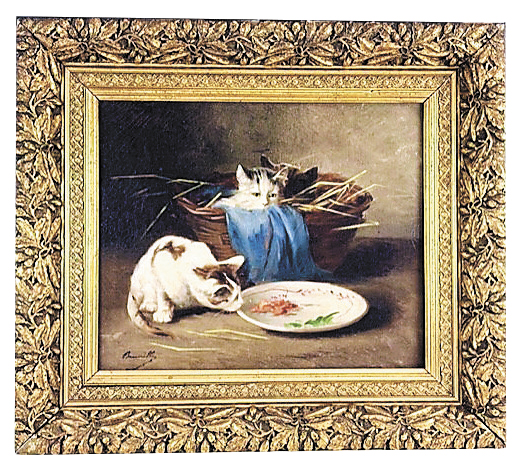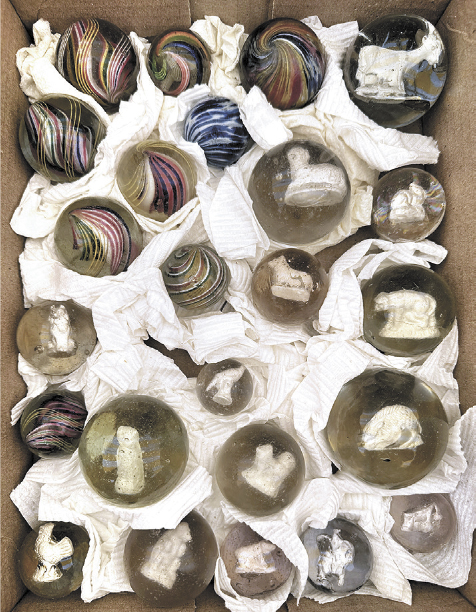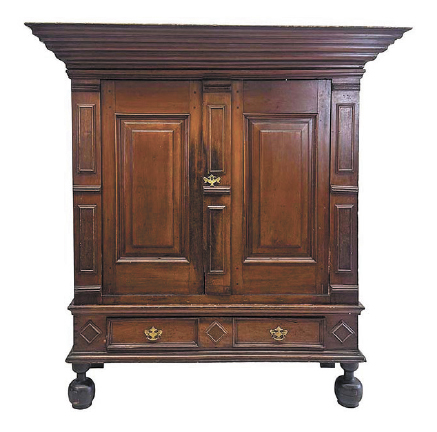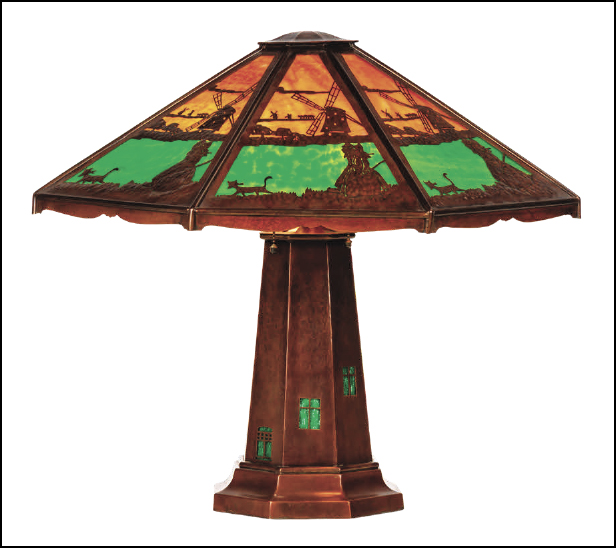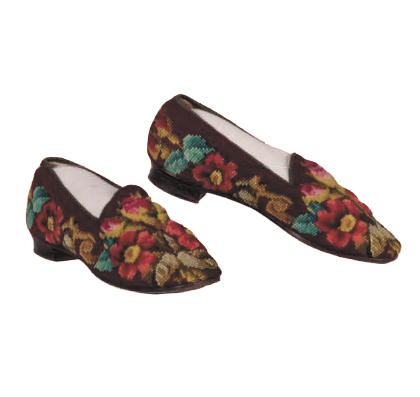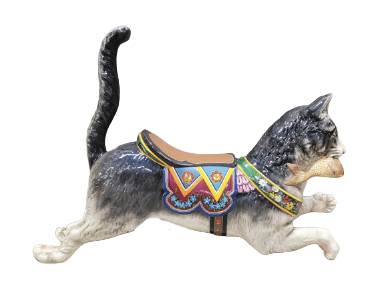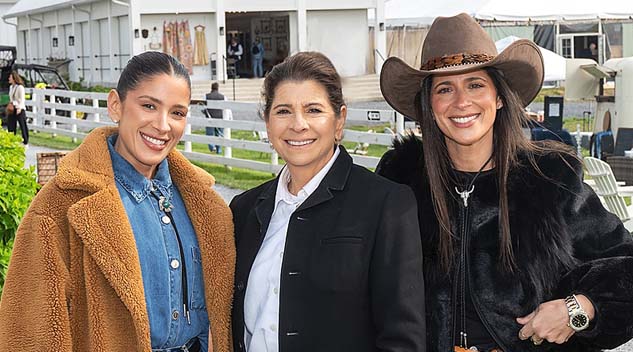
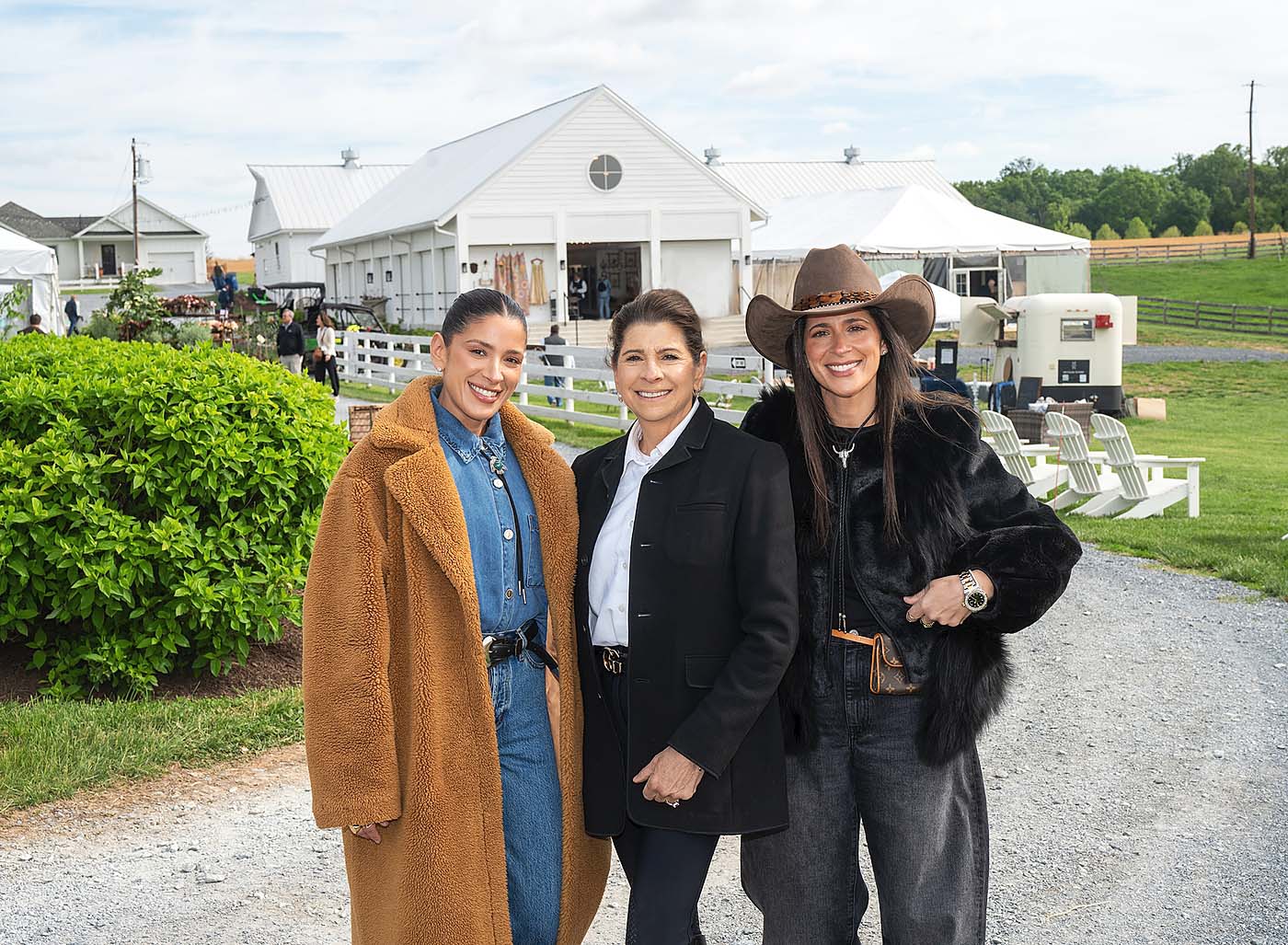
Festival director Joy Siegel (center) stands with two of her daughters, Cydney Siegel Studner (left) and Amanda Siegel (right). Hilary Schwab Photography.
Joy Siegel, the powerhouse behind The Mid Atlantic Antique & Garden Festival, started saying she wanted to run an antiques show in Maryland more than 20 years ago. Her dream came true when she launched the show’s first edition in Poolesville in the fall of 2022, where it now takes place twice a year. She and her husband, Jon, their adult children and a cadre of family members and volunteers transform a family farm into what she likes to call the “Round Top of the East Coast.”
What inspired you to start an antiques show?
I love antique shows. There were no shows any longer in our area from the time of Covid. I own this beautiful event venue, and it was a cross between my love of antiquing and the lack of a local market that inspired us to do it. I’ve actually had a 25-year desire to create a show. Many dealers could tell that from long, long ago. I would say, “One day I’m going to start a show, and I’m going to invite you.” Tom and Butch from Jewett-Berdan, they laugh now because they say they remember me telling them years ago, “One day I’m going to have a show in Maryland.”
And they were like, “Okay, call me.” I’ve kept books and names of people that I wanted to invite to the show for years and years that I’ve been antique shopping. And really once Covid cleared up, it just seemed like the ideal time to put this dream into action.
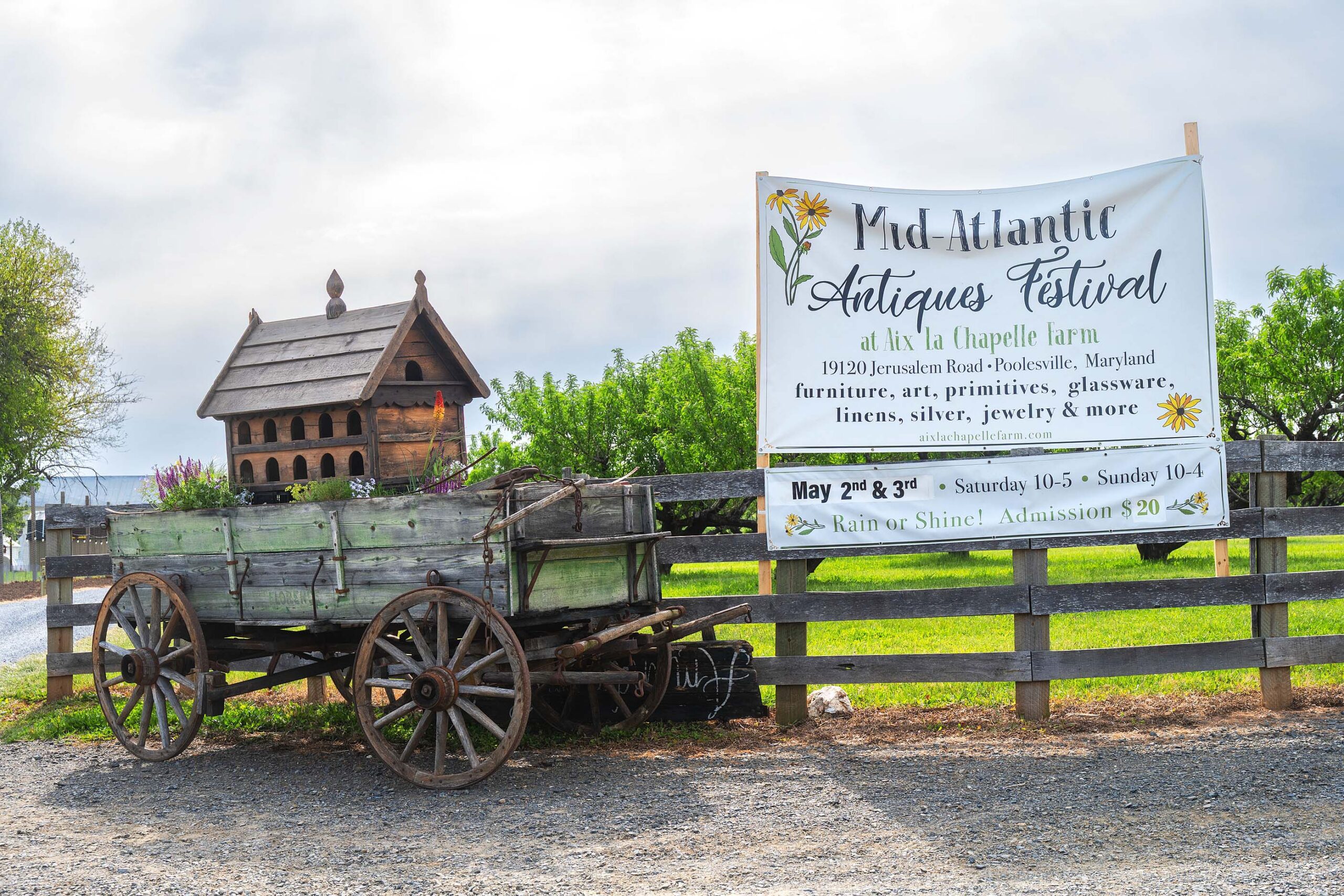
Hilary Schwab Photography.
You’re having your tenth edition this fall. How has the shown grown?
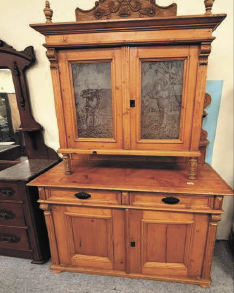
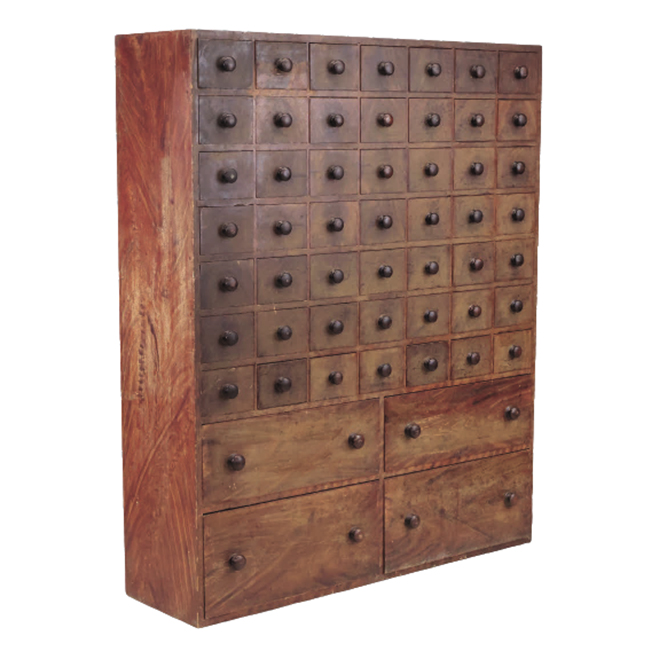
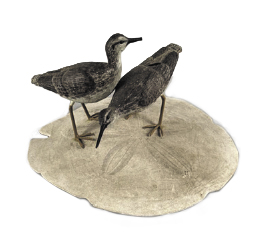
It’s actually grown both in size as well as in scope of material offered. I would say initially our show was heavily folk art and Americana; it’s now more diverse. We include a number of dealers in Continental material. We also have dealers focusing in antique and vintage garden material as well as items of interest to the gardener, whether it’s plant material or spectacular tools and all things to support the gardener.
So, I would say the show has really expanded. Initially, it was very Americana and now it’s much more diverse. And size-wise, we started with maybe around 30 dealers; that might even have been pushing it. It might’ve been 28. In our last show, we had over 65 booths.
It’s really hard to count dealers because several of our dealers take really large booths. They love a larger booth, and so we do our best to accommodate. We’ve added three buildings since we first started, and this last show had an additional three tents. We have the buildings thoughtfully curated as far as the mix of dealers. It really makes a lot of sense to shop, and you can wander from building to building and enjoy. All the setups have walled booths, but they’re all very different. Some have very high walls like those in our beautifully restored dairy barn with 30-foot soaring ceilings. Very pretty.
Are you also growing in terms of dates?
Yes. That’s our biggest change: starting in November we’re going to go from a two-day show to a three-day format [November 6-8] at the request of our dealers and our shoppers. The design trade would really love to come during the workweek, so we are going to meet that request. And starting the day after the spring show, our phone started ringing with dealers inquiring about availability.
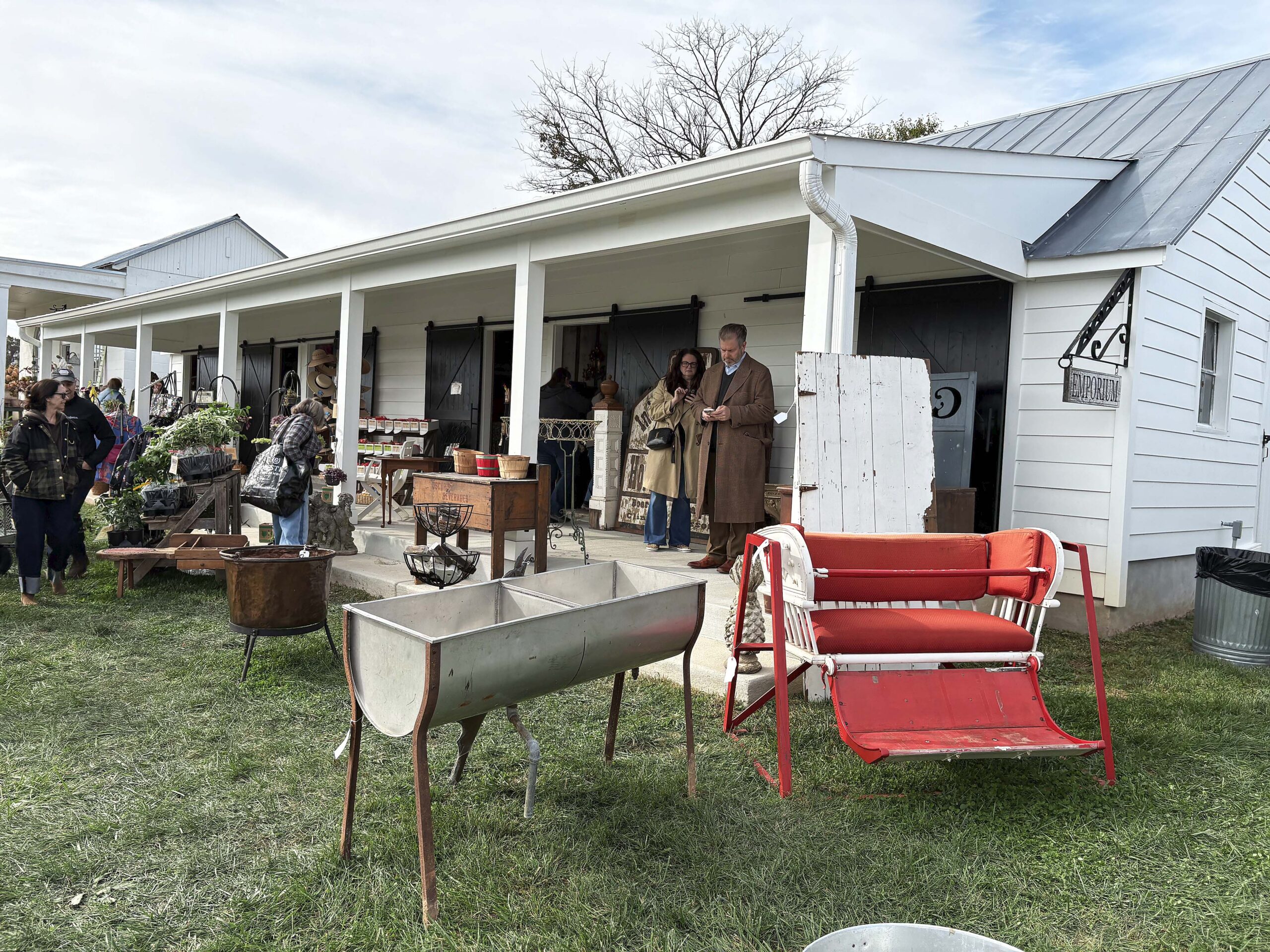
The show will return November 6-8 for its first three-day run. Madelia Hickman Ring photo.
What is your vision for your shows?
We want to offer quality material in all categories that a buyer could purchase, and when their look or interest changes, it’s of a high enough quality that they can find a resale market for this material. I also look for dealers that are both highly knowledgeable in their field but that are also kind and open to the buying public. I do find we have a lot of buyers that have never encountered an antique show before.
I always look for antique dealers that seem super interested in saying, “Hi, let me tell you about one of my favorite pieces,” or, “Hi, let me tell you about something that you’re admiring,” and giving a little bit of the history and the knowledge of the material that they’re looking at. I think we have many dealers that meet that definition and that’s truly what I look for. When I’m shopping a show myself, if a dealer comes up to me and seems very approachable and starts chatting about what I’m looking at or says, “Can I tell you something about, one of my favorite pieces in my booth?” I just light up because that’s what I want to know. Antiques shoppers have a thirst for learning about unique material and about things that they can begin to collect.
We welcome all buyers who are new to the antiques world. Because we don’t have many shows in our area, we are looking to introduce them to the world of antiques. And in the future, we are going to have little art chats and chats about collecting. We want to provide access to beautiful material and give people access points into the field rather than having them think antiques are this intimidating, untouchable thing.
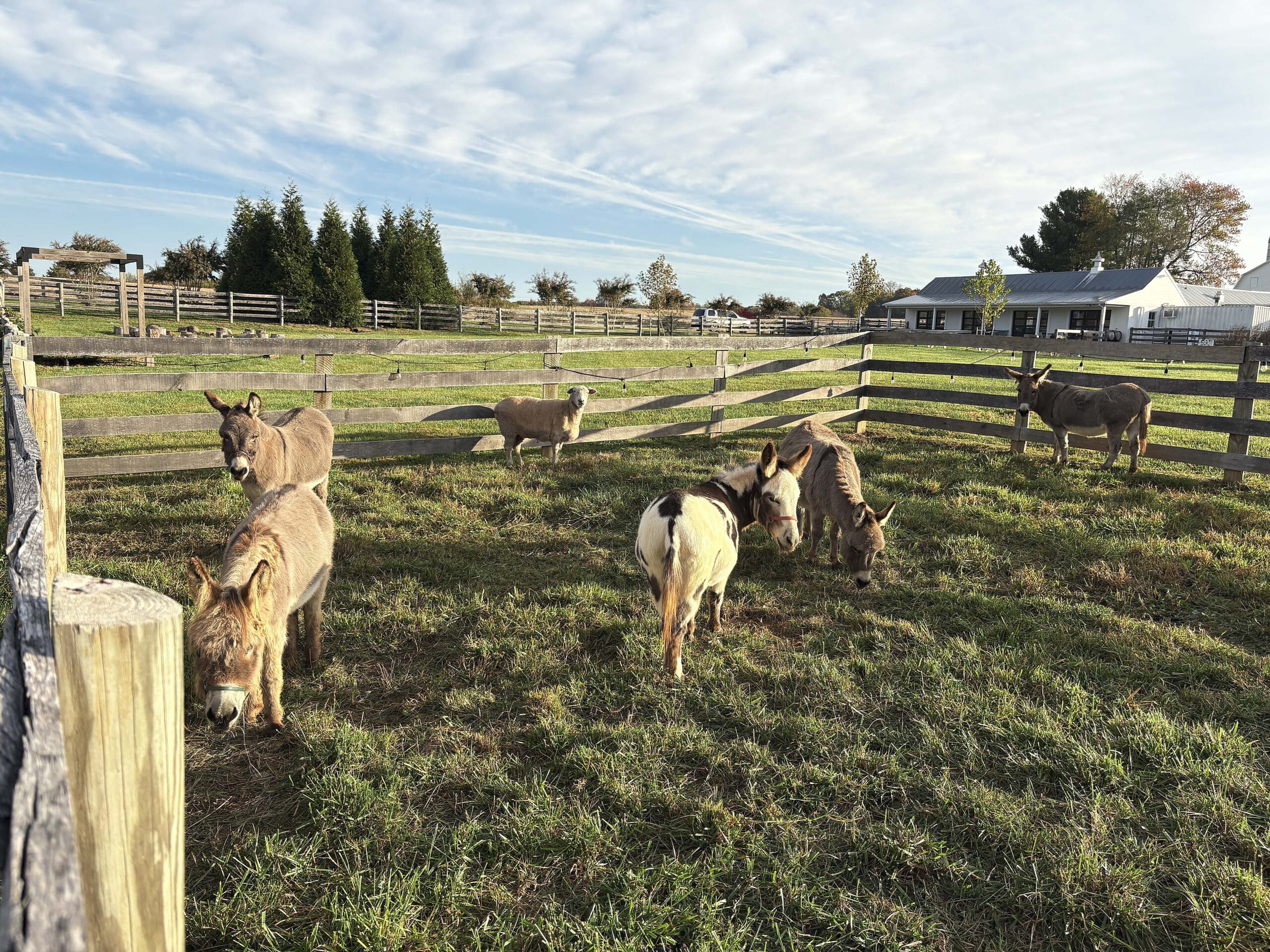
One of Siegel’s goals in running these shows is to able to turn her non-profit animal rescue and farm into a federally-approved animal sanctuary. Madelia Hickman Ring photo.
What is your favorite part of running a show?
My favorite part of running a show is becoming great friends with my dealers. My second favorite part is seeing the throngs of people arrive on opening day and having so many people rush me and tell me how wonderful and beautiful this is. So that makes me really happy.
The business involves your whole family. What’s that like?
I couldn’t do this without their help. My husband, Jon, is 100 percent in this equally. He jokes that he’s a physical plant, but he’s so much more than that. He makes sure our show gets all set up with his construction crew and he fixes every little disaster — everything from a popped circuit to somebody who can’t back their trailer up. He does it all.
And we’re definitely a team. Because this is a nonprofit, we’re trying to run this as inexpensively as we possibly can. So all of our children and much of our family, including in-laws and cousins, come and volunteer at some point between the setup, running the show and even during breakdown. So we probably have a dozen or more family members that come and help us to put the show on, and we have a lot of volunteers too. It takes a lot of time.
—Andrea Valluzzo