Vin Cipolla. Image courtesy Anthony LeDoux, Red Eye Photography.
Historic New England CEO and president Vin Cipolla was closely involved as the organization planned the development of the just-opened Historic New England Center in Haverhill, Mass., a future-facing model to bring together collections stewardship, exhibitions, public engagement, conservation, education and preservation leadership. We reached out to learn more.
Tell us about the role of Historic New England Center.
The Historic New England Center opened to the public on June 27, marking the first public phase of our transformative vision for Haverhill. Located in the historic Burgess Building, one of two former shoe factory buildings at the heart of our campus, it is the first major public gateway to Historic New England’s extraordinary collections and a significant new cultural destination for the Greater Boston area.
The Center is designed to bring preservation, exhibitions, collections, education and community life together in one place. It will feature rotating exhibitions drawn from our collections of more than 125,000 artifacts and 1.5 million archival documents along with talks, public programs and partnerships. It is both an entry point to Historic New England’s work overseeing 38 museums and landscapes, and a catalyst for Haverhill’s ongoing revitalization.
How does the new Center represent a model for the future in the preservation field?
The Historic New England Center reflects an expanded understanding of preservation and its role. Historically, preservation organizations focused primarily on caring for collections and protecting places. We believe preservation must also create opportunities for engagement, learning and civic life.
The center transforms a former industrial site into a vibrant cultural district where collections are not hidden behind closed doors, but become active resources for communities. By combining preservation, public programming, adaptive reuse and community partnerships, we are demonstrating how historic assets can generate social capital, support economic development and help post-industrial cities imagine a new future.
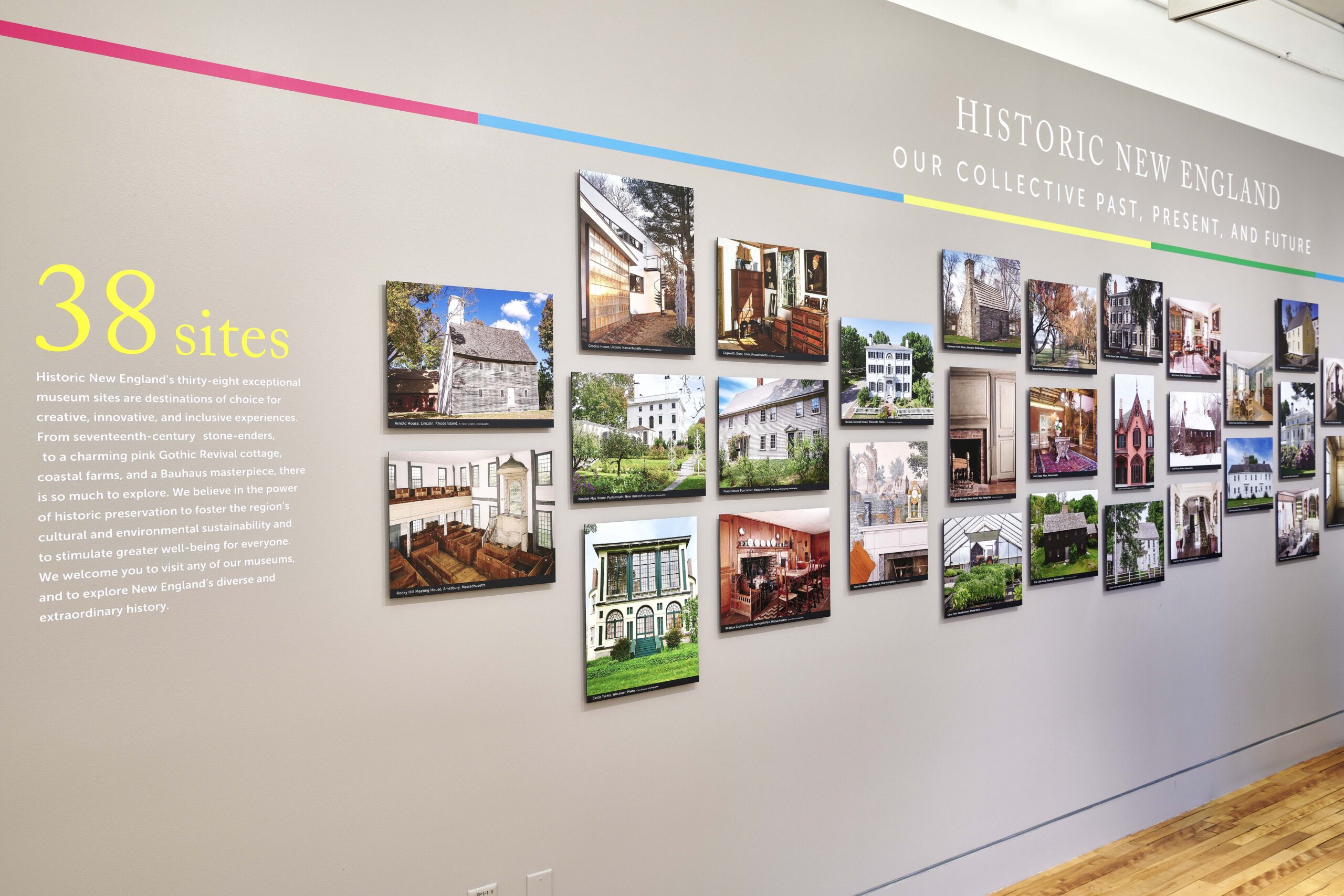
“Shoe Stories” exhibition installation view. Image courtesy Historic New England, by Neil Dixon.
What kind of stories will you be sharing via exhibitions?
“Shoe Stories: Past, Present, Future” explores the many ways footwear reflects who we are — as individuals, as communities and as a society. Through objects, photographs, oral histories and digital storytelling, the exhibition examines the history of shoemaking in New England and Haverhill’s pivotal role as the former “Queen Slipper City.”
The exhibition centers stories of workers, immigrants, inventors, designers and entrepreneurs. It highlights makers of color and Indigenous artisans, explores sustainability and innovation and examines the global impact of the sneaker — perhaps America’s most significant contribution to footwear history. It also features extraordinary objects, from boots made for Beyoncé and shoes worn by Julia Child to work by Stuart Weitzman, Prada and contemporary New England designers.
Most importantly, the exhibition reminds us that everyone has a shoe story. Footwear is both deeply personal and profoundly connected to larger stories of labor, identity, creativity and social change.
As caretakers of one of the largest collections of New England artifacts, decorative arts, archives, textiles and historic objects in the country, how does Historic New England remain relevant to new generations?
We remain relevant by demonstrating that history is not static — it is alive and deeply connected to the issues people care about today. Our collections tell stories about immigration, innovation, work, community, design and resilience, all of which continue to resonate.
We also invite new generations to see themselves in these stories. Programs like the Heart & Sole Teen Shoe Design Competition — which challenged students to address contemporary issues such as mental health, environmental stewardship, affordable housing and inclusion through footwear design — are wonderful examples of how history and creativity can come together. By creating opportunities for participation and interpretation, we try to make the past meaningful to present and future audiences.
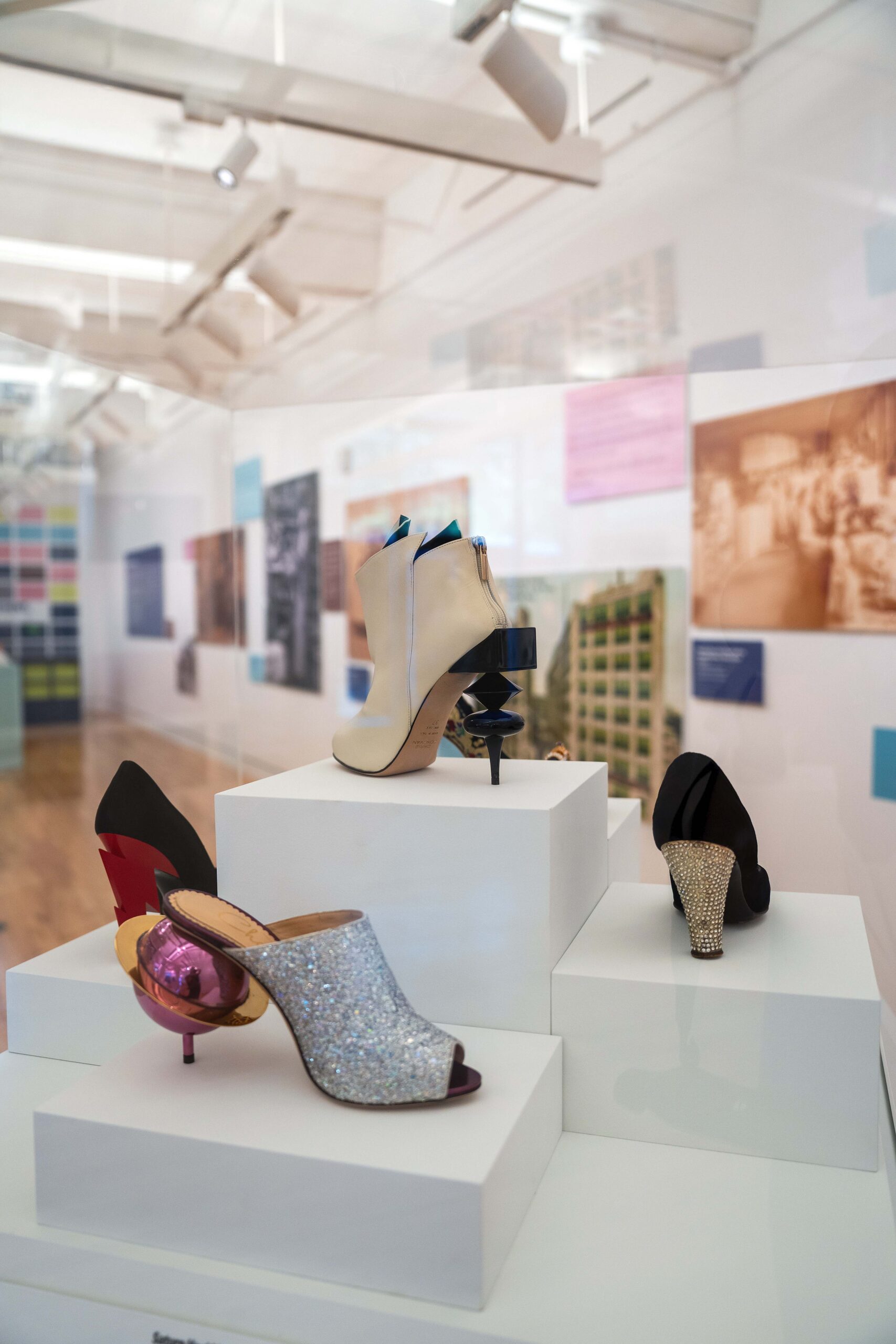
“Shoe Stories” exhibition installation view. Image courtesy Historic New England, by Kayla Ebner.
How can museums, collectors, auction houses, dealers and preservation organizations work together to ensure the stories embodied in objects continue to be shared?
No one institution can preserve our collective history alone. Objects acquire meaning through collaboration and shared stewardship. Museums, collectors, auction houses, dealers and preservation organizations all play essential roles in identifying, documenting, researching and preserving the histories that accompany objects.
The key is to think beyond ownership and focus on storytelling. By sharing knowledge, encouraging scholarship, supporting responsible collecting practices and creating opportunities for public access and interpretation, we can ensure that the stories embodied in objects remain vibrant and accessible.
How does the institution balance preservation with access?
We see preservation and access as mutually reinforcing, rather than competing priorities. Preservation ensures that objects endure, while access ensures that they remain meaningful. Our responsibility is to care for our collections according to the highest standards while also making them available through exhibitions, digital initiatives, educational programs and public experiences. The Historic New England Center embodies that philosophy by opening our collections headquarters to audiences in entirely new ways and creating opportunities for people to engage directly with the stories these objects tell.
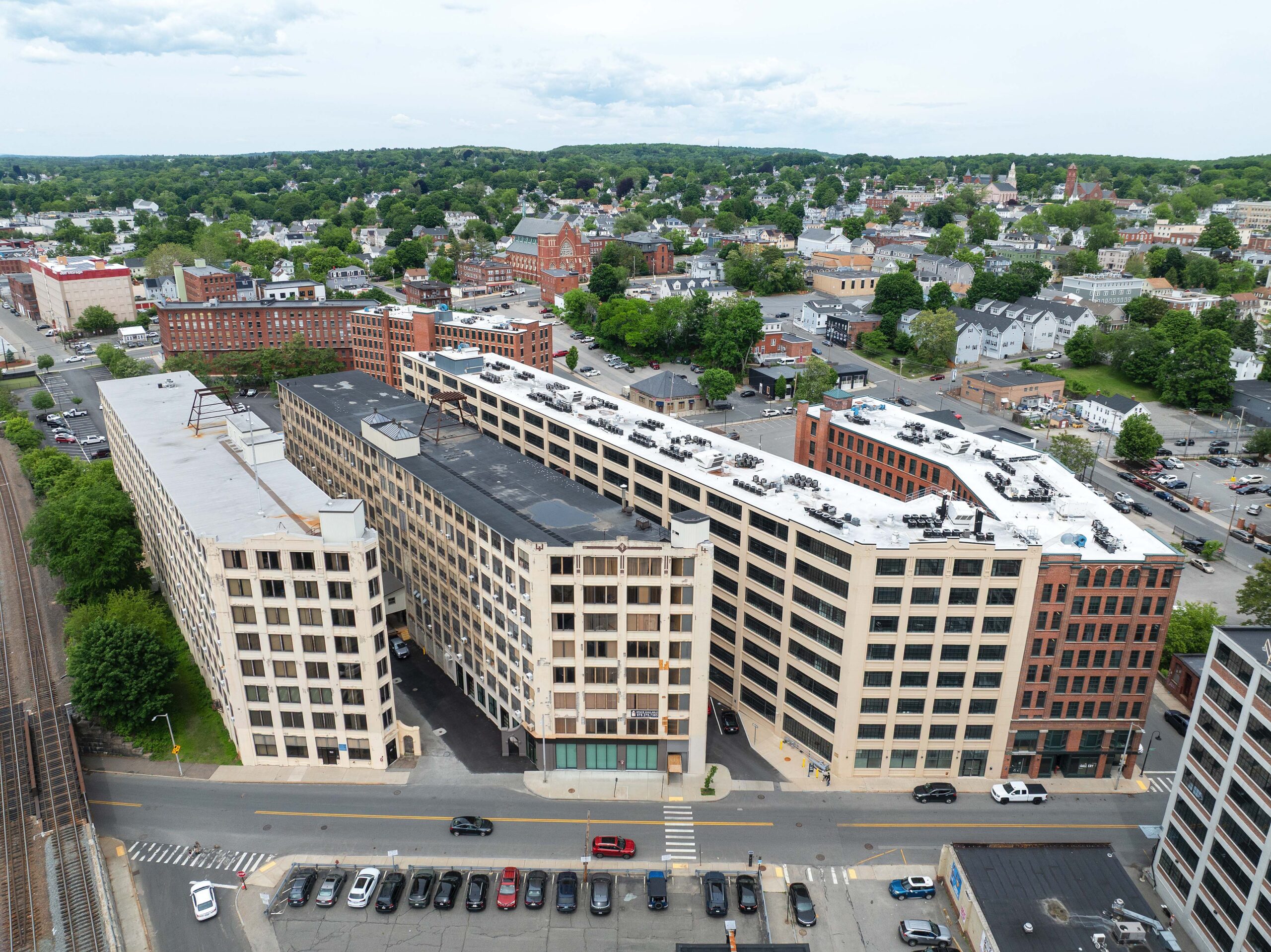
Historic New England Center. Image, by Kayla Ebner.
What role does technolgy play in expanding engagement with collections?
At the Historic New England Center, enhanced technology and digital storytelling are integral to the visitor experience. Technology allows us to reach audiences far beyond our physical sites and to tell stories in richer, more dynamic ways. It enables us to share oral histories, digitize collections, create new interpretive experiences and make our resources accessible to people who may never visit in person. More broadly, it democratizes access to history, inviting more people to discover connections between the past and the issues shaping our present and future.
—Andrea Valluzzo