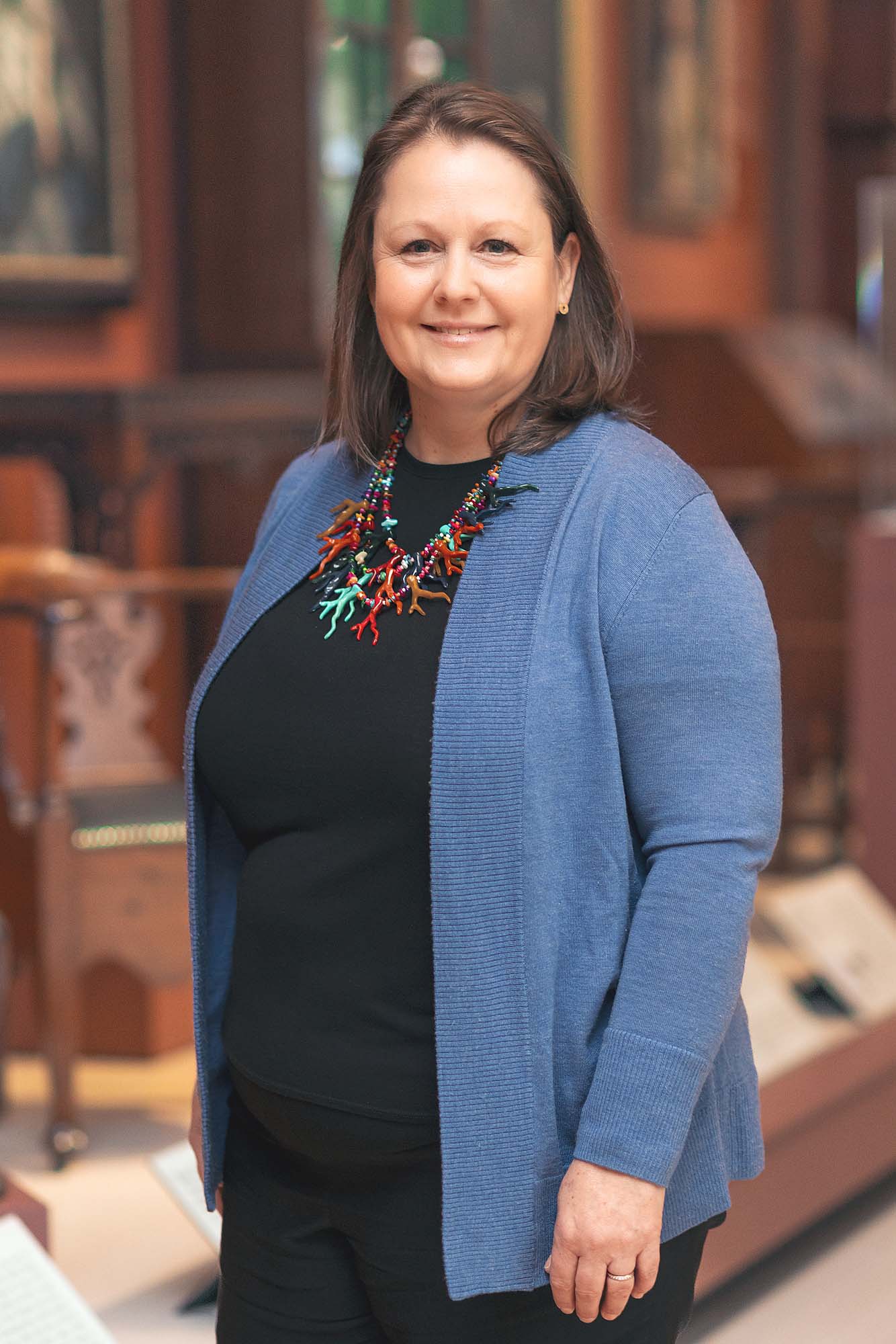
Courtesy Colonial Williamsburg, Brendan Sostak.
Laura Pass Barry took over as director of collections and deputy chief curator at Colonial Williamsburg in December, where she oversaw all curatorial matters for the Colonial Williamsburg Foundation. Holding degrees in art history and American studies from the College of Wooster and the College of William & Mary, she has curated many exhibitions for CWF. We reached out to learn more about this new role, but by press time it was announced that she had been named the Carlisle H. Humelsine chief curator.
Congratulations on your brand new appointment! How does this change your duties?
In this capacity, I will lead Collections, Conservation and Museums as vice president. While this is an extension of my recent efforts as deputy chief curator, which entailed oversight of the Foundation’s curators and curatorial efforts in the Art Museums and Historic area, I am excited to extend my responsibilities beyond curatorial efforts to include advocacy for Colonial Williamsburg’s extensive and world-renowned collections of fine, decorative and folk art, and the incredible team of people who oversee and work with this body of material.
You started at Colonial Williamsburg as a curatorial intern. When and in what directions has your career there evolved?
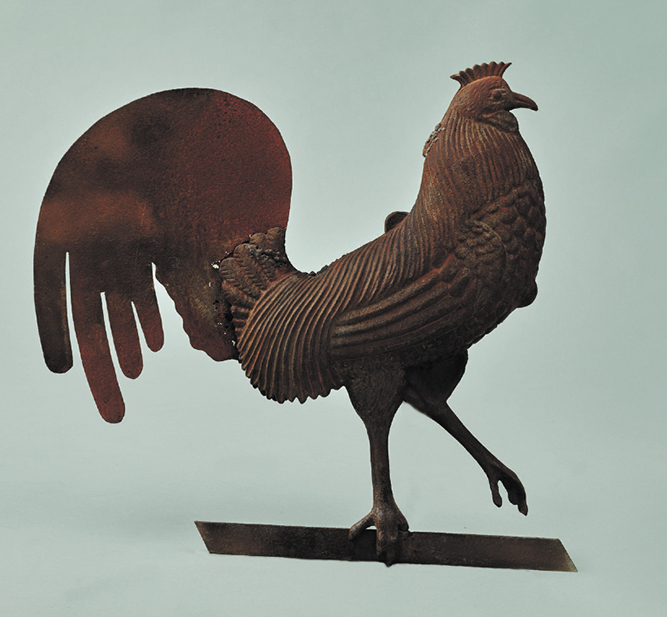
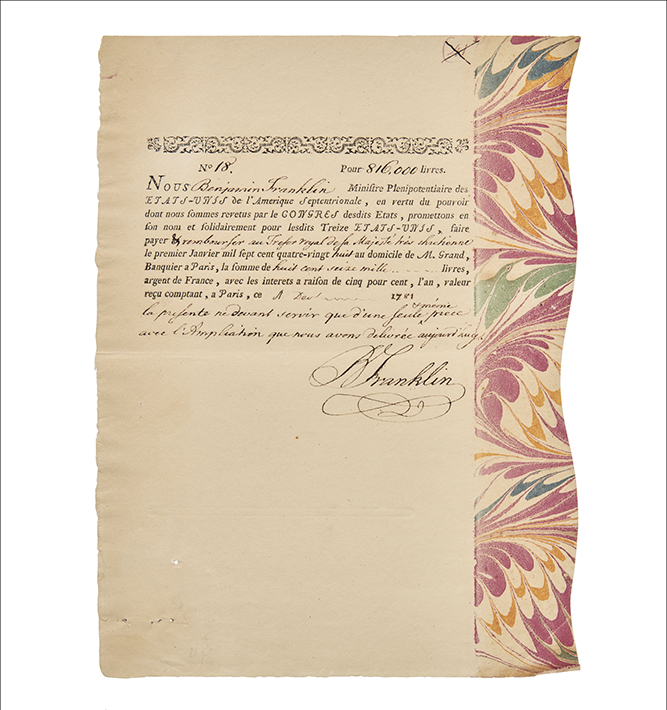
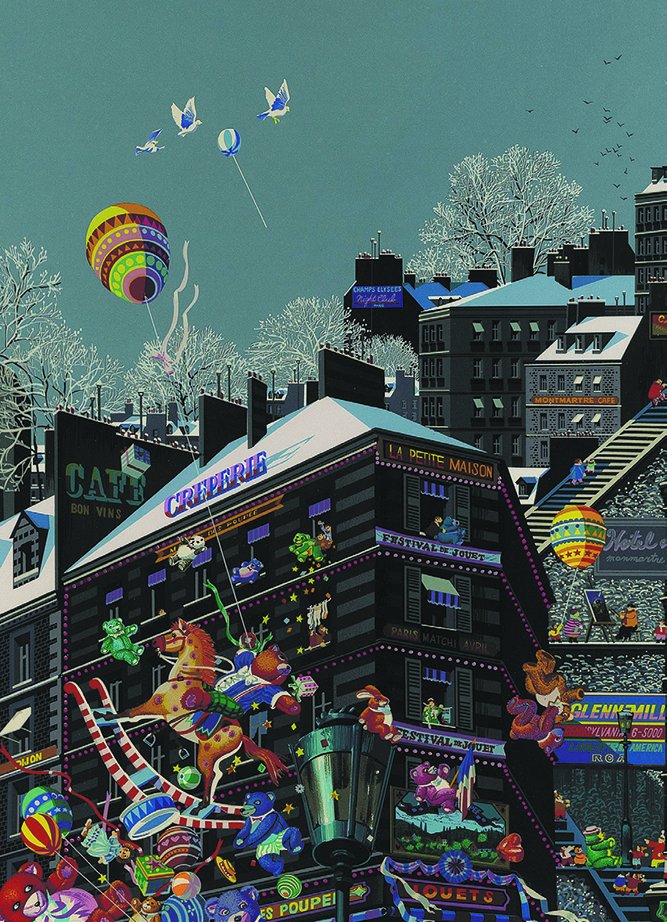
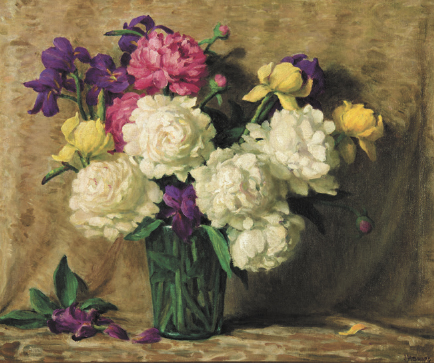
My first position with Colonial Williamsburg was a curatorial internship with the folk art collection over 30 years ago. Towards the end of that experience, a staffing change in another department prompted the need for someone to assist with a natural history exhibition. A loan exhibition that was recently on view at the DeWitt Wallace Decorative Arts Museum was coming to a close and former curator of prints, maps and wallpaper Margaret Pritchard asked if I could help her to develop a new installation for that space. When funding for my internship ended, I became her assistant curator. I worked in that capacity for several years, evolving through the ranks, eventually splitting my time between the graphics collection and paintings and folk art. When my colleague Barbara Luck retired from her position of curator of paintings after 40+ years, I was in the right place at the right time and took over her responsibilities. In many ways, my career at Colonial Williamsburg has come full circle — I am now responsible for the very objects that I originally came here to study.
What has kept you here?
Throughout my career, I have had the great fortune of meeting with the nation’s top scholars, collectors and dealers — the movers and shakers of our field. Those relationships and friendships were formed because of my work at Colonial Williamsburg, very deep connections made possible because of the strength of this place — the colleagues, collections, buildings, history and story. I am excited for this new opportunity to continue building upon this foundation and look forward to meeting new friends along the way.
With America’s semiquincentennial just a few months away, are you seeing more interest and engagement in specific areas or collections from the public?
Absolutely. There is great excitement across the Foundation from our Art Museum exhibitions and programming to new projects in archaeology, historic preservation and gardens to name a few. This time of the year is always popular with our rare breeds sheep program and the birth of our baby lambs as well as our beautiful gardens. In regards to the nation’s 250th, we have so many new and exciting initiatives on the horizon. This is just a sampling over the next few months:
The new Colin G. and Nancy N. Campbell Archaeology Center opened the end of April, debuting a one-of-a-kind facility that will provide open access to how our researchers preserve and analyze artifacts unearthed throughout our historic campus.
May 15 and 16, special programming will commemorate the Fifth Virginia Convention where delegates were instructed to motion for American Independence. NBC’s Today show will broadcast its third hour from the Historic Area.
June 15 and 16, we will celebrate the anniversary of the Virginia Declaration of Rights, a foundational document that set the precedent for future declarations of rights.
Noted storyteller Sheila Arnold will join us for Juneteenth commemorations.
Independence Day weekend will celebrate our nation’s 250th with musical and dramatic performances including a reading of the Declaration of Independence by Thomas Jefferson. We will be partnering with VA250 on an exciting program that evening, which PBS will broadcast live.
Later this year, we are set to reopen the Powder Magazine after extensive new archaeological and architectural investigation.
In October, we will debut the reconstructed African Baptist Meeting House and Burial Grounds for one of the earliest African American congregations in the United States.
We’ve also embarked upon a multi-year project to return the Governor’s Palace gardens to their grandeur, starting with restoration of the bowling green and orchard to the original vision of renowned landscape architect Arthur Shurcliff, who designed Colonial Williamsburg’s landscape in the 1930s.
Colonialwilliamsburg.org has so much more information on these events. This is in addition to our educational conferences and workshops — this June we are hosting a joint ceramics conference with the Museum of Early Southern Decorative Arts and a symposium on Historic Dress in November.
What’s next for Colonial Williamsburg?
This is a really exciting time to be at Colonial Williamsburg. I’m so honored to help lead us through this milestone anniversary and look ahead to new projects on the horizon. We have several new exhibitions opening this year at the Art Museums to include a “Declarations of Independence” exhibit, which will highlight several copies of the document, including Colonial Williamsburg’s rare William Stone printing; a “Mapping America” exhibition on early surveying techniques; and a rotation of the popular “Art of the Quilter” with new displays.
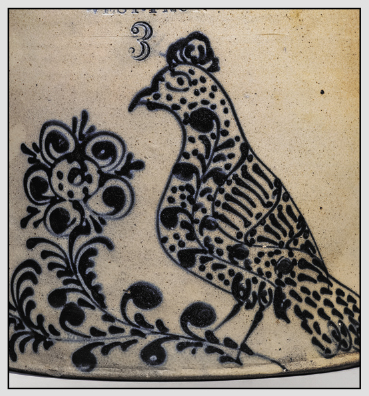
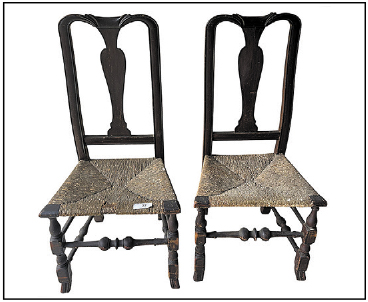
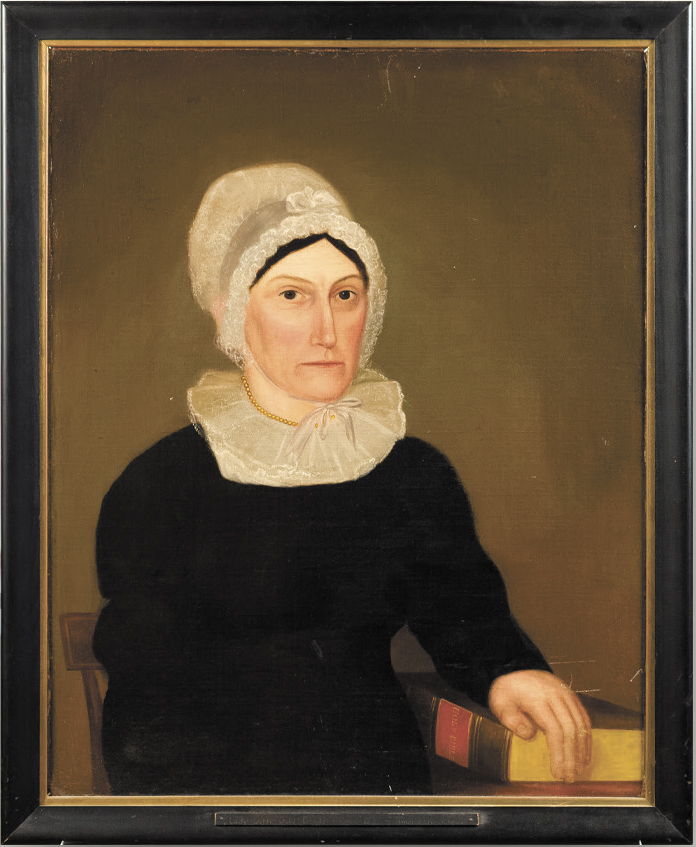
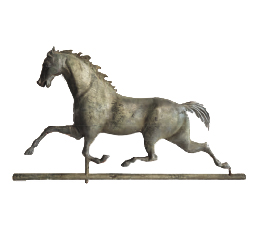
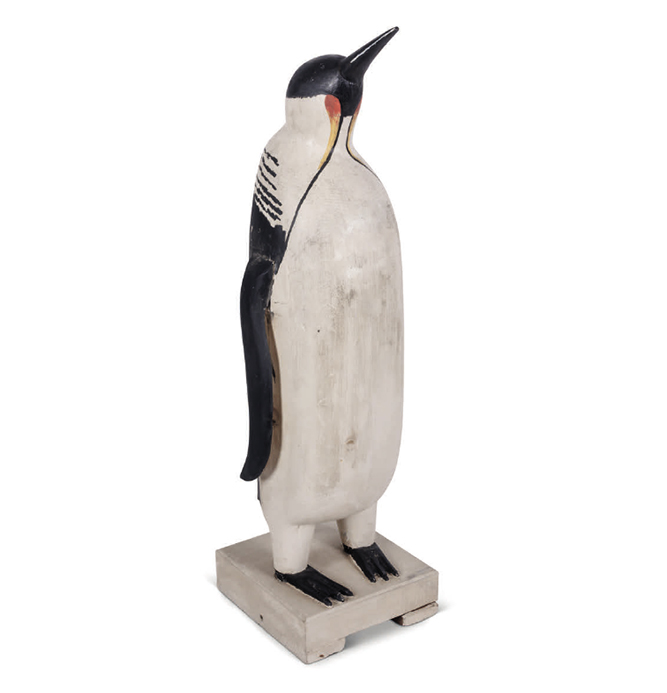
I’m especially looking forward to a collaboration with the Museum of Modern Art (MoMA) on an exhibition focused on Abby Aldrich Rockefeller’s American folk art collection. This show will run June 7 through August 2 in New York. The Colonial Williamsburg Foundation is lending nearly 50 objects towards this important installation that will explore Rockefeller’s role as the co-founder of MoMA and founder of the Abby Aldrich Rockefeller Folk Art Museum (AARFAM), specifically focusing on her efforts at promoting American folk material alongside modern art.
I am also excited about two forthcoming exhibitions here in Williamsburg set to open next March centered around the 70th anniversary of AARFAM. Both shows will acknowledge the origins of our collection’s namesake, her landmark gift in 1939, numerous instrumental exhibitions of American folk art, the celebratory opening of the museum in 1957 and beyond. We’ll have associated programming next year — it should be a lot of fun.
—Andrea Valluzzo