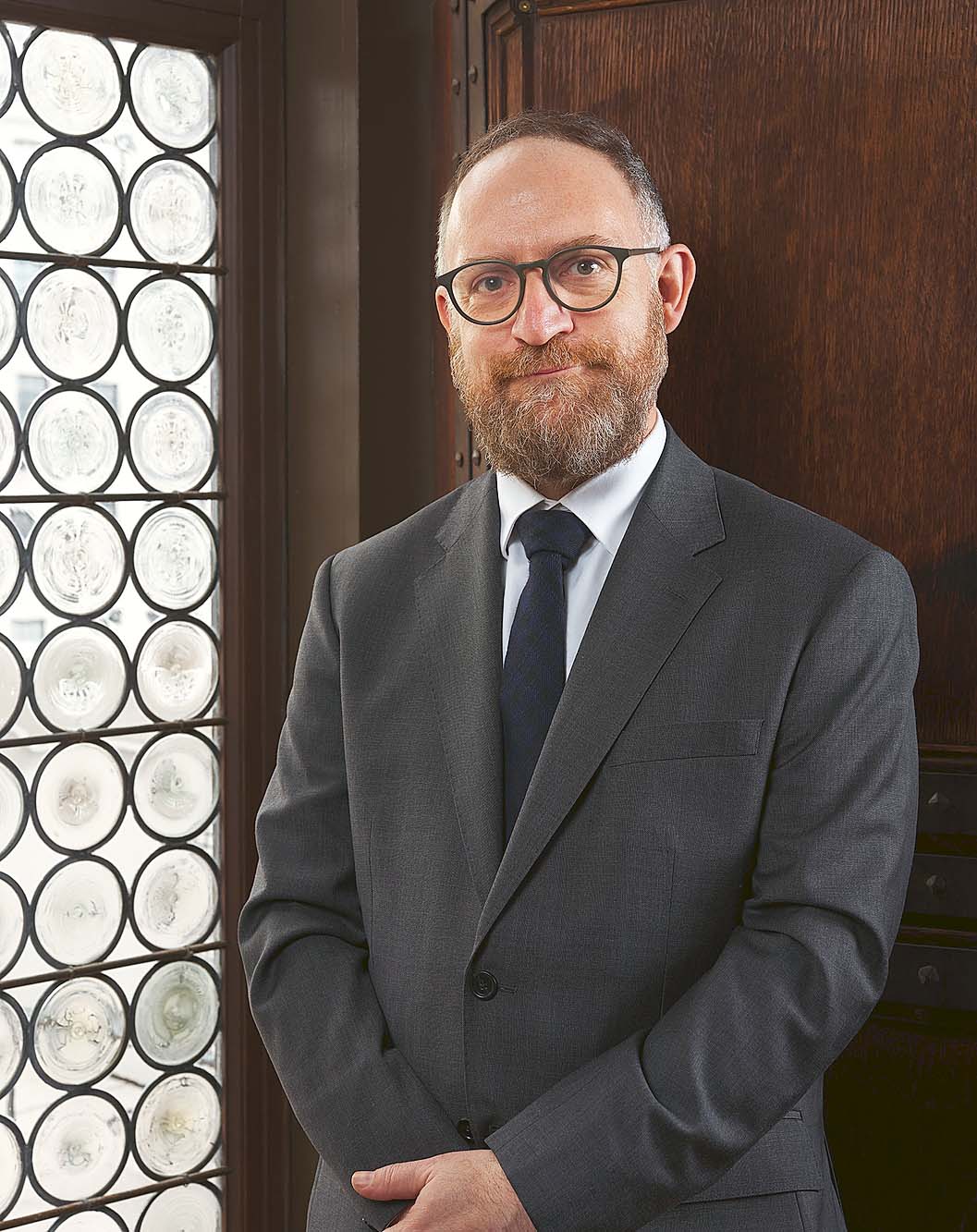
Luciano Johnson. Photo by Joseph Coscia, Jr.
In mid-March, The Frick Collection announced that Luciano Johnson was appointed as its Andrew W. Mellon chief librarian. Johnson, who has worked with the Collection since 2000, began overseeing the Frick Art Research Library in this role beginning on March 23, and when Antiques and The Arts Weekly found out, we reached out to him to get the scoop on his first month on the job, and what’s in store.
Congratulations on your appointment as the Andrew W. Mellon chief librarian at the Frick Art Research Library! How has the first month been?
The first month has been both exciting and deeply meaningful. Having spent much of my career at the Frick, stepping into this role feels less like arriving somewhere entirely new and more like taking on a broader responsibility for an institution and mission I care about tremendously. A large part of the first month has involved listening and meeting with staff across the library and museum to better understand where people see opportunities, challenges and areas for growth as we move into this next phase for the institution.
It has also been a valuable opportunity to reconnect with colleagues across the broader art history and library worlds, not only within museum and art research libraries but across research libraries more generally. One of the most important questions right now is how researchers’ expectations are changing. Scholars increasingly expect seamless digital access, interconnected resources and tools that allow them to move fluidly between collections, archives, images and data. At the same time, there is also a growing need for trusted institutions that can provide authority, context, provenance and long-term stewardship in an information environment that is becoming more complex and increasingly shaped by AI and large-scale digital systems.
Those conversations have been incredibly helpful in thinking about how the Frick can continue building on its strengths while remaining responsive to changing researcher expectations and evolving forms of access.
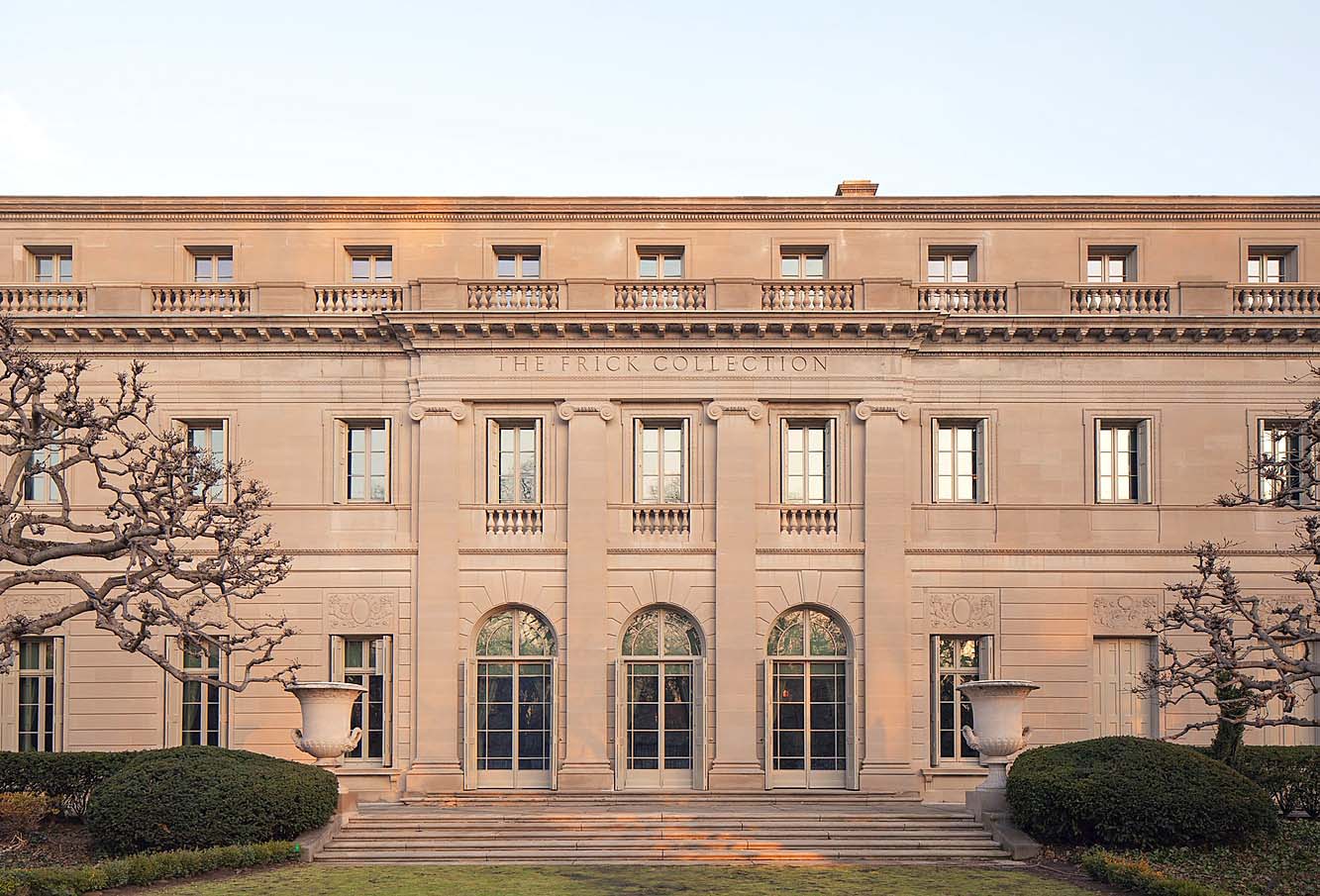
Fifth Avenue façade, The Frick Collection, New York City. Photo by Nicholas Venezia.
You’ve held various roles at the Library since 2000. How is this role different than those you have previously held?
I actually began at the Frick Art Research Library as a part-time receptionist, and some of my earliest responsibilities included registering new readers, filing written correspondence and doing data entry related to parts of the library’s photographic collections. That experience shaped a great deal of how I think about libraries and access. It was my first real exposure to the ways information systems, however simple they may seem, can either support or limit scholarship and discovery.
I also became fascinated by the researchers and scholars I encountered every day, as well as the remarkable history embedded in the collections and records themselves. I remember handling correspondence connected to John Dos Passos and realizing that the library was not simply storing books and photographs, but preserving an active intellectual history connected to generations of artists, scholars, collectors and researchers. The library’s collections also include correspondence and materials connected to Georgia O’Keeffe, which reinforced for me very early on how deeply intertwined the library is with the history of American art and scholarship.
Earlier in my career, much of my work focused on building and managing programs and infrastructure. I became heavily involved in digitization, imaging, digital preservation, design and creative services, all of which required thinking carefully about how collections are documented, organized, interpreted and made accessible.
This role shifts the perspective from primarily developing programs to thinking more holistically and strategically about the future of the library and its role within the institution and the broader research landscape. I’m spending much more time thinking about long-term planning, collaboration, organizational structure and how the library positions itself within a rapidly changing scholarly and technological environment.
This role also requires a broader outward-facing perspective. I’m engaging more frequently with colleagues across museum, art research and academic libraries to better understand shared challenges around access, trust, digital systems and the evolving needs of researchers.
You were very involved in the implementation of the Frick’s institution-wide digital asset management system, as well as other digital programming. What do you think is the importance of digitizing collections such as the Frick’s in this day and age?
Digitization is critical because it fundamentally expands access while also helping preserve fragile collections for the future. The Frick’s collections, archives and Photoarchive contain an enormous amount of art historical knowledge that extends far beyond what is visible in the galleries. Increasingly, researchers encounter institutions first through digital interfaces rather than physical spaces, so the quality, accessibility and trustworthiness of those digital resources matter tremendously.
Good digitization is not simply about scanning objects. It is about creating context, structure, discoverability and long-term stewardship for information. One of the major goals of systems like our digital asset management system is to connect images, metadata, archival records and institutional knowledge in ways that make collections more useful and discoverable for both scholars and the public.
I also think the role of libraries and museums becomes even more important in an environment increasingly shaped by AI and large-scale digital systems. Information is now being synthesized and redistributed at an extraordinary scale, which means institutions like the Frick have an important responsibility to provide authoritative information, provenance and context. Cultural institutions play a critical role in maintaining authority, provenance and trust in digital environments.
The AI group discussions are always especially interesting because the perspectives vary so widely. The library perspective has generally been to approach these developments head-on, understand both the guardrails and the opportunities and think carefully about what these technologies mean for researchers and information seekers more broadly. The goal is to use technology thoughtfully in ways that strengthen scholarship, preservation and access.
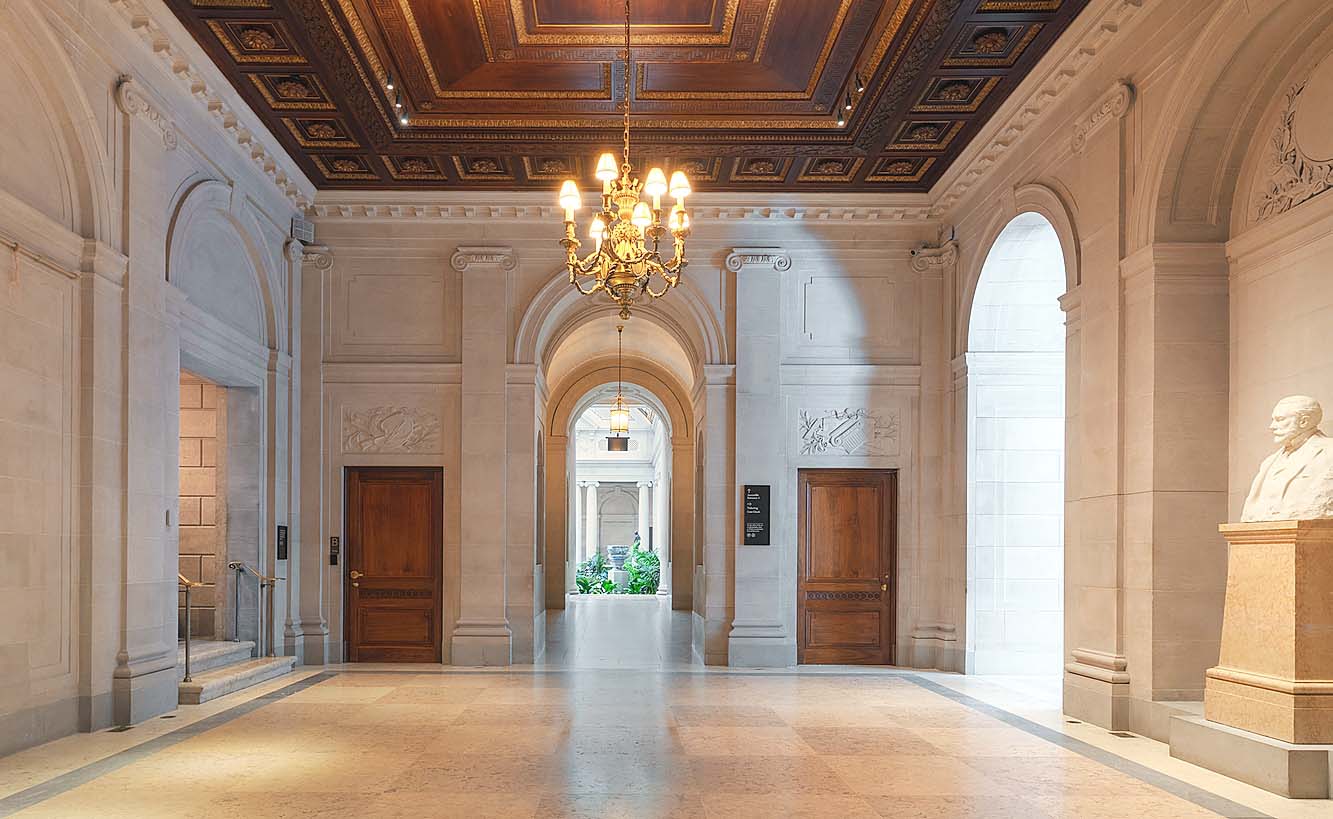
Entrance Hall, The Frick Collection, New York City. Photo by Nicholas Venezia.
You also helped establish the graphic design department that helped refresh the Frick’s branding in conjunction with its 2025 reopening. What was that experience like, and what was your inspiration behind the refresh?
That was an especially rewarding experience because it was about much more than aesthetics. Graphic design had long been part of the Frick’s operations, and my predecessor in my previous role, Don Swanson, was the institution’s first in-house graphic designer. But it became increasingly clear that the institution’s needs were expanding and that there was a real need for a more unified identity system, particularly as the Frick prepared for its reopening following the renovation project and the temporary move to Frick Madison.
We hired Carolyn Thomas as the Frick’s first full-time graphic designer, and her expertise and experience quickly helped us better understand both the scale of the institution’s graphic needs and the importance of developing a more cohesive visual identity system. As the project evolved, it became clear that alongside building a stronger in-house design program, we also needed outside collaborators who could help us think institutionally and strategically about the Frick’s identity during a major moment of transformation for the institution. Working closely with our marketing and communications department and the capital projects team, we found the right fit with Pentagram, particularly Abbott Miller and Michael Bierut, who understood both the character of the Frick and the complexity of the project.
One of the aspects I found especially rewarding was helping bridge that design work back to the library and collections. We were able to draw from archival materials, historical publications, typography and institutional records in ways that connected the identity more directly to the Frick’s history and scholarly character. My background in information science and digital systems also shaped how I approached the project, particularly in thinking about how digital media, collection information and interpretive systems could create stronger connections between the collections and the visitor experience. In many ways, the digital screens, interpretive media and information systems became another bridge between the institution’s research and collections and the public experience of the museum itself.
The challenge was to create a system that felt contemporary and highly functional while still respecting the institution’s architectural and historical character. We wanted the identity to feel elegant, restrained and deeply connected to the Frick itself without becoming nostalgic or overly decorative. Much of the inspiration came directly from the institution: its materials, typography, spatial rhythm and the balance between intimacy and monumentality that makes the Frick unique.
Importantly, the refresh was not simply about a logo or visual style. It was about creating a cohesive operational identity that could function across signage, exhibitions, print, digital platforms, visitor experience and communications. The reopening created an opportunity to rethink how the institution presents itself holistically and how design can support clarity, accessibility and the visitor experience while still reflecting the Frick’s scholarly and cultural identity.
What are some goals that you have in mind as you continue to establish your footing in this position?
One of my primary goals is continuing to strengthen the library’s role as a central part of the Frick’s intellectual and cultural identity. The Frick is somewhat unusual in that the museum and library are not separate entities working alongside one another, but parts of a single institution where scholarship and research form the backbone of the organization itself. A large part of the Frick’s reputation has always been tied to its commitment to rigorous research, connoisseurship, preservation and intellectual inquiry, and both the museum and library contribute to that shared mission as stewards of cultural heritage.
A major focus moving forward is improving and expanding our digital systems and research infrastructure. Increasingly, digital collections are becoming primary research environments in their own right, particularly for scholars working across institutions and disciplines. That means the quality of metadata, contextual information, interoperability and overall system design become critically important. My goal is to continue improving how researchers discover, connect and work with our collections while maintaining the rigor and authority expected from an institution like the Frick.
I’m also very interested in continuing to strengthen the Frick’s imaging capabilities and exploring how new technologies can responsibly support scholarship, conservation, education and accessibility. Imaging today extends far beyond straightforward documentation and increasingly intersects with digital preservation, advanced research tools, 3D technologies and new forms of interpretation and public engagement.
At the same time, sustainability and collaboration are extremely important. I think there are meaningful opportunities to collaborate with peer institutions, research libraries, museums and digital scholarship communities in ways that strengthen shared infrastructure and improve access for researchers more broadly.
I also want the library to remain actively engaged in broader conversations across cultural heritage and research institutions about digital scholarship, preservation and emerging technologies.
—Kiersten Busch