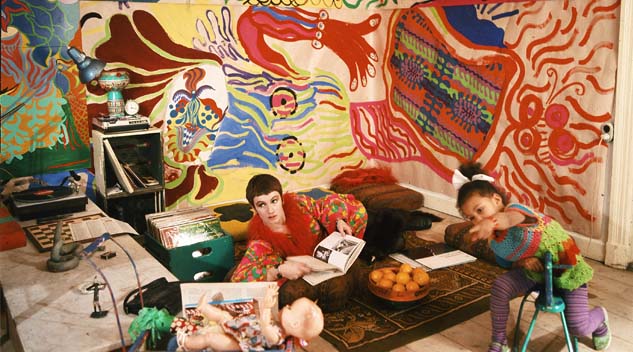
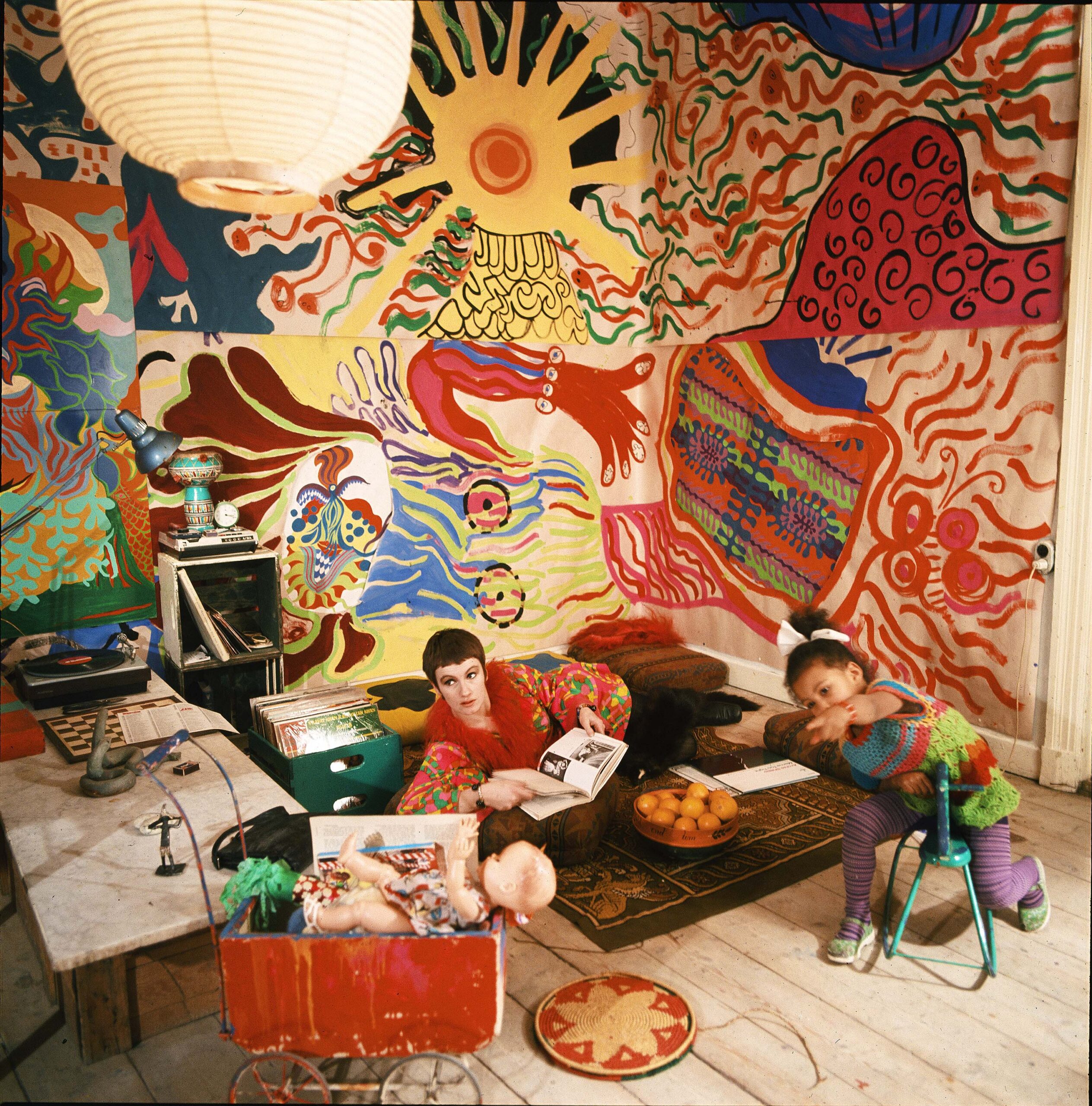
Moki and Neneh Cherry in their home in Gamla Stan, Stockholm, 1967. Photo by Sven Åsberg. Courtesy of the estate of Moki Cherry.
By Z.G. Burnett
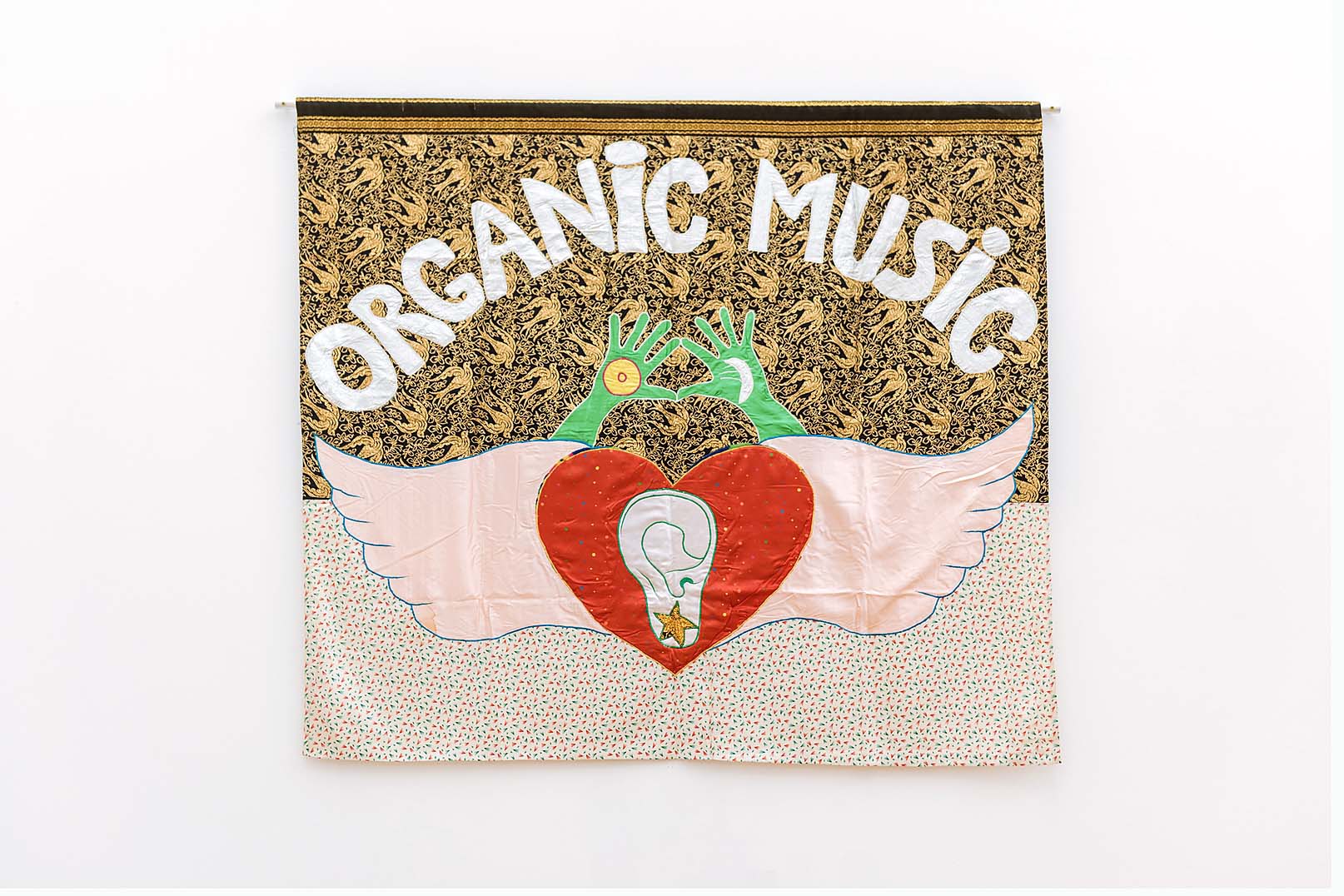
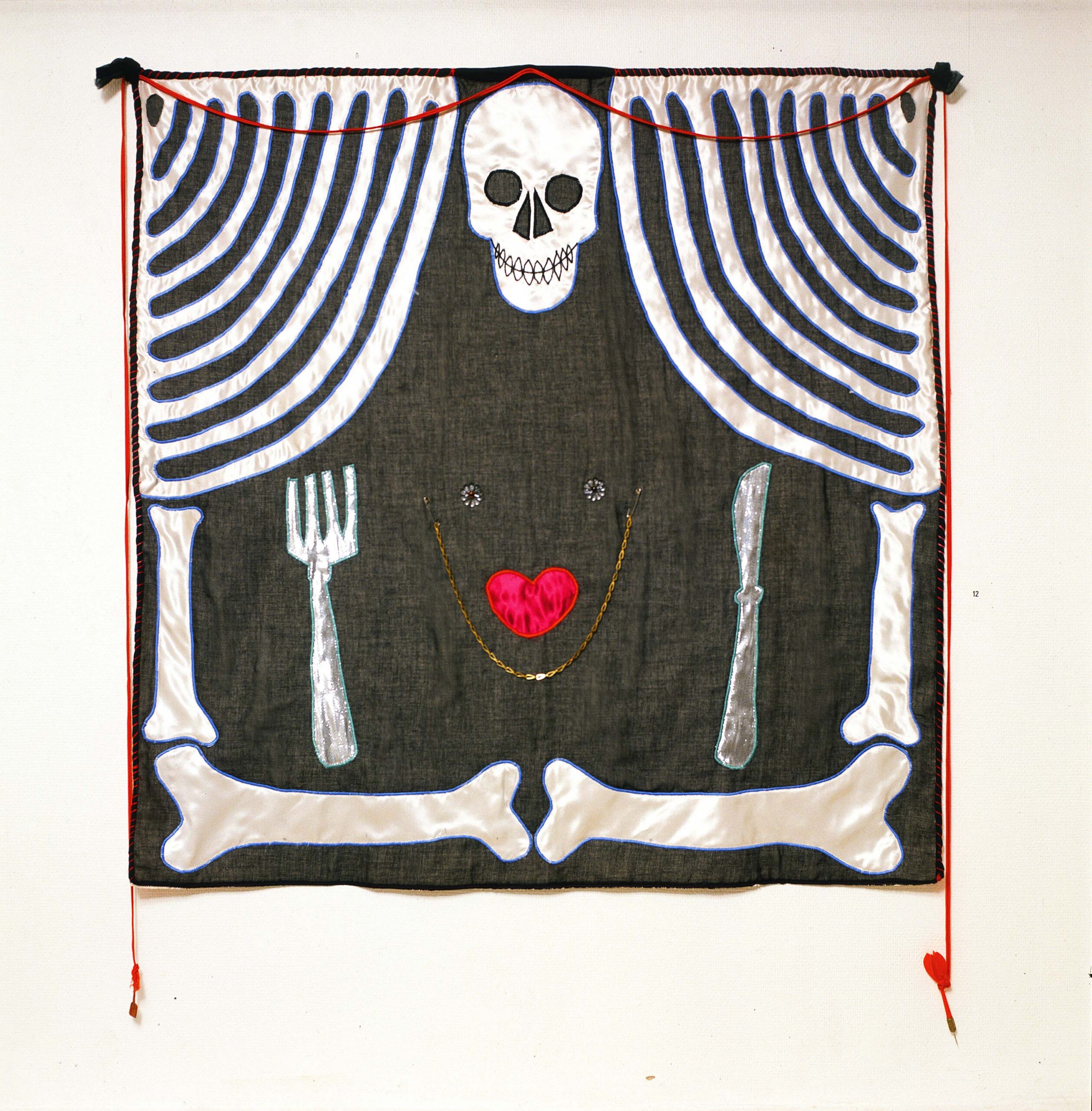
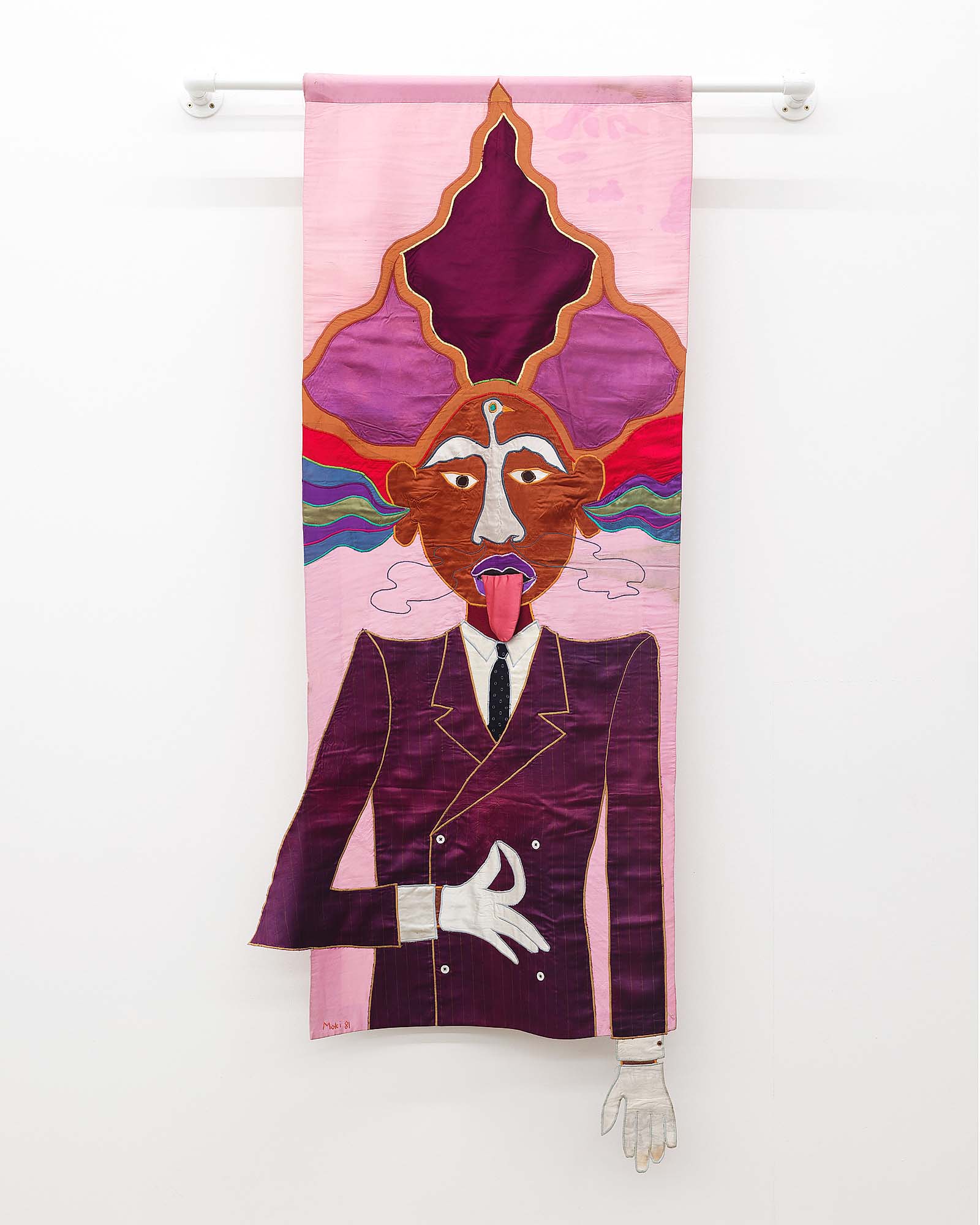
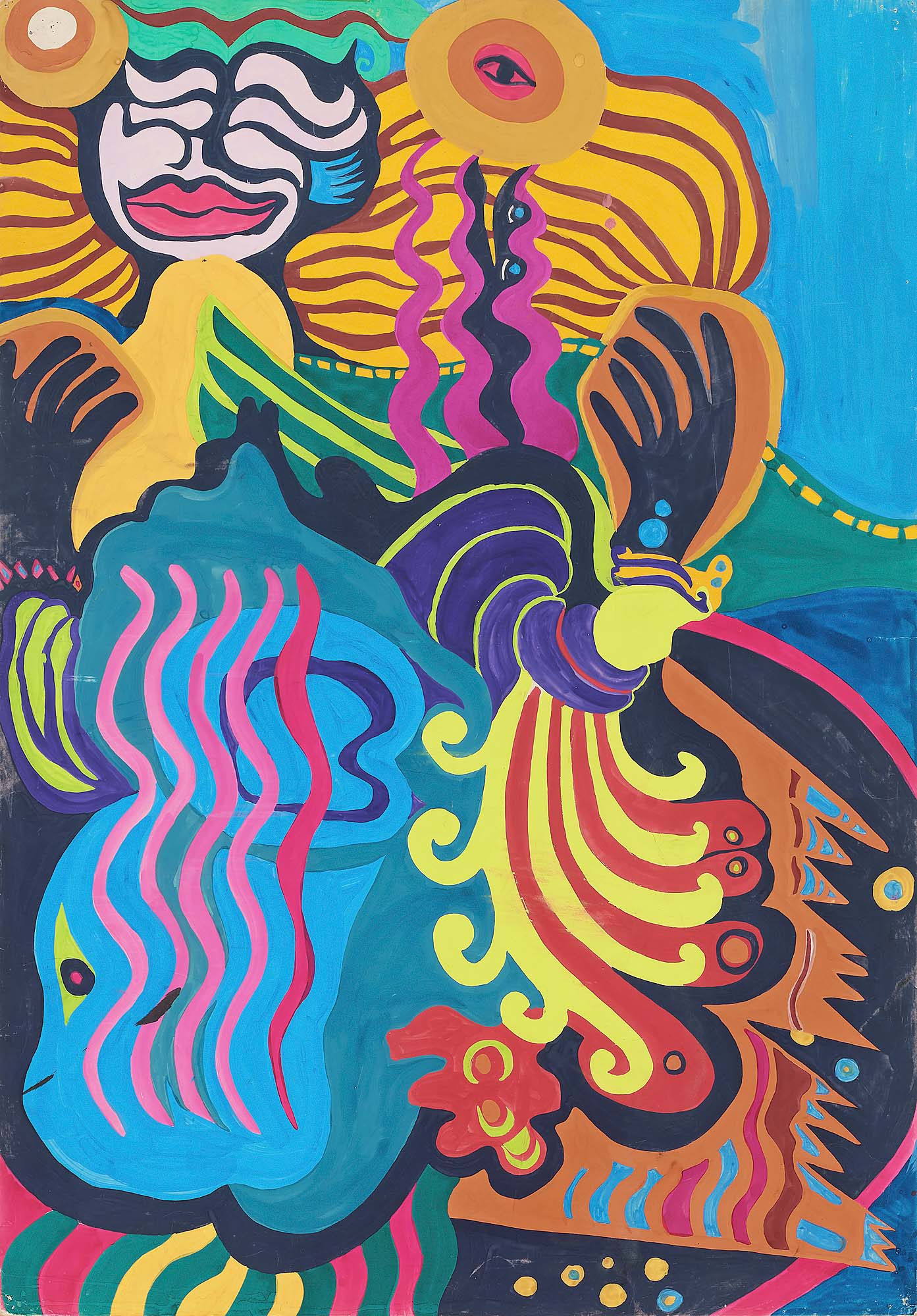
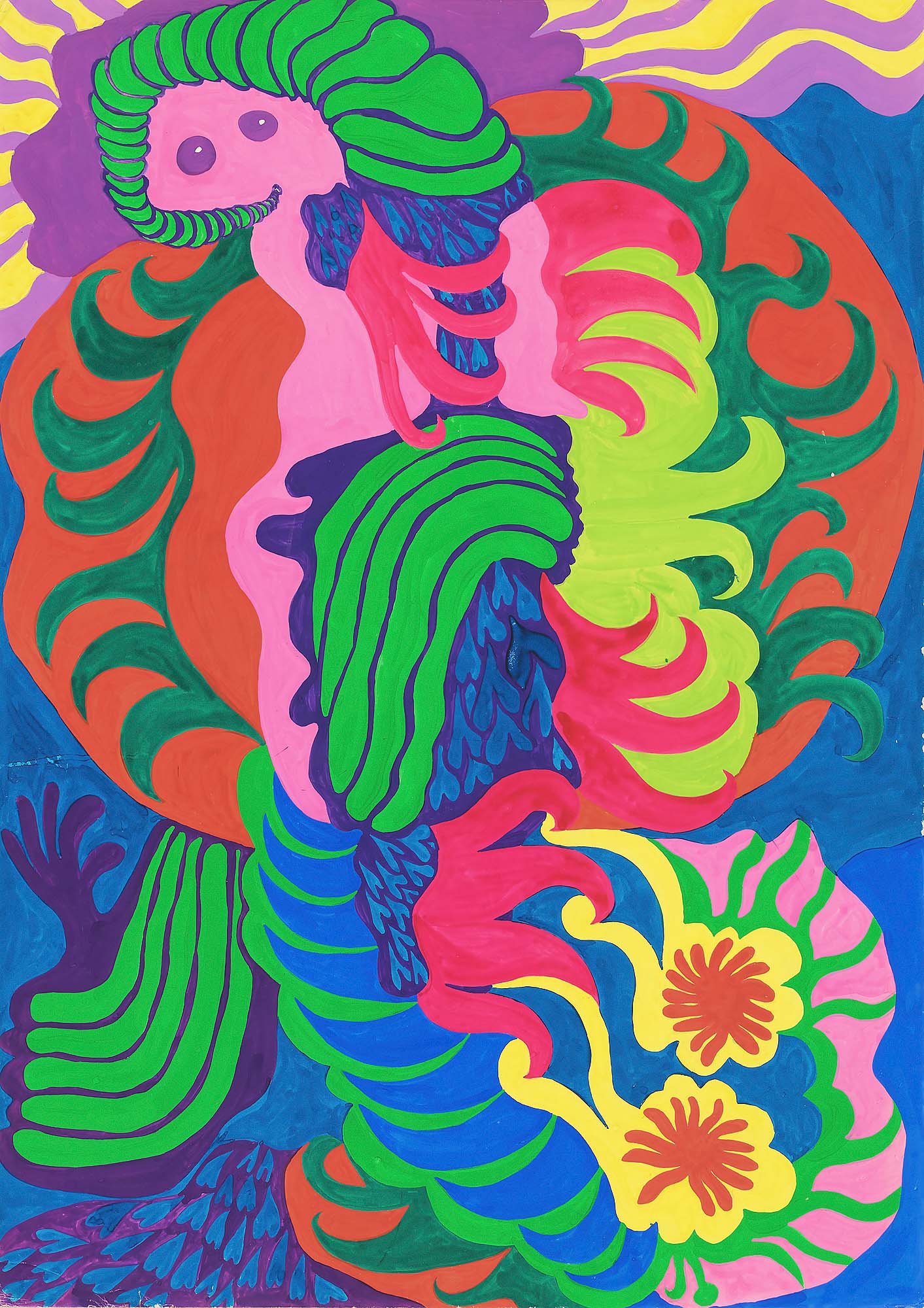
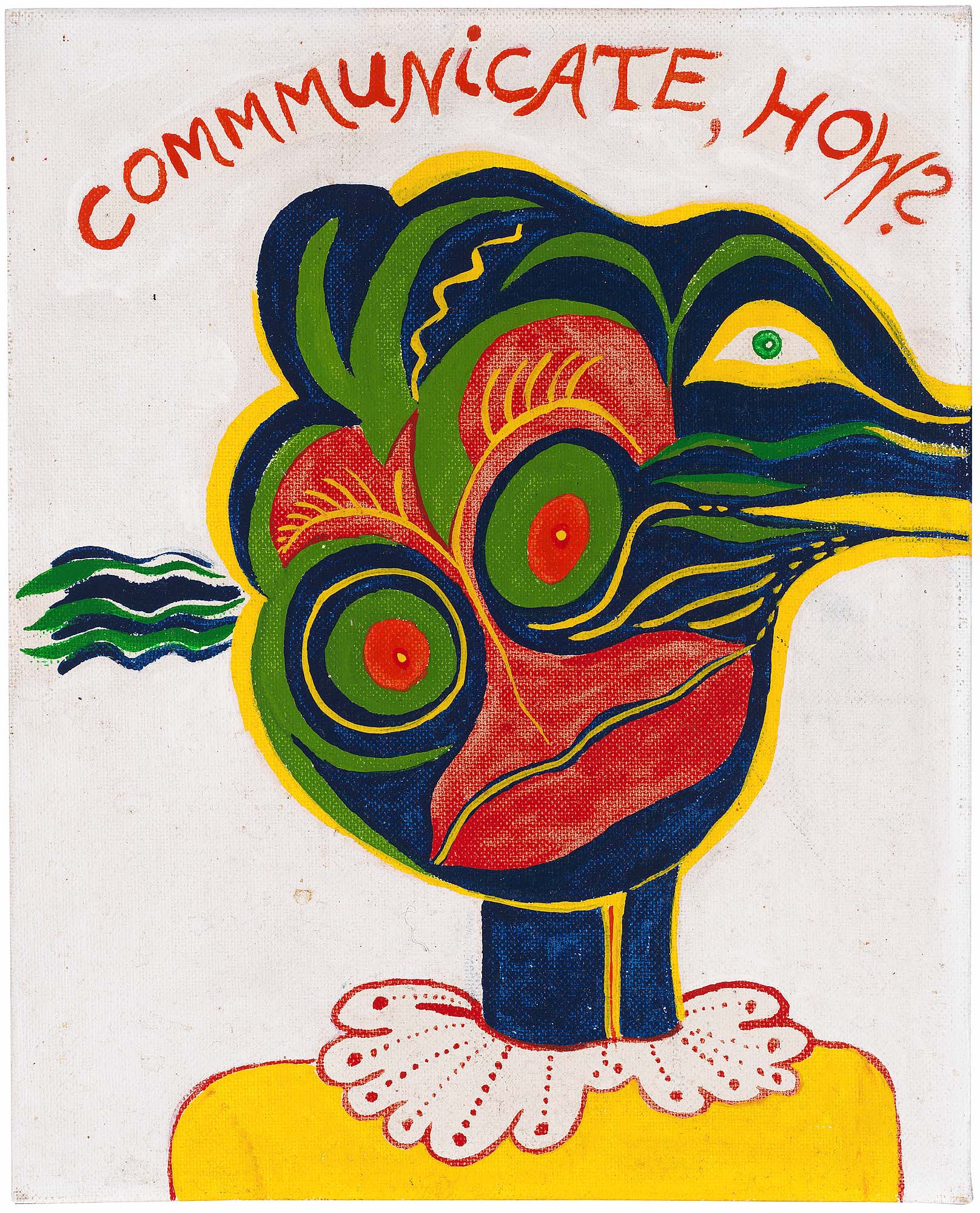
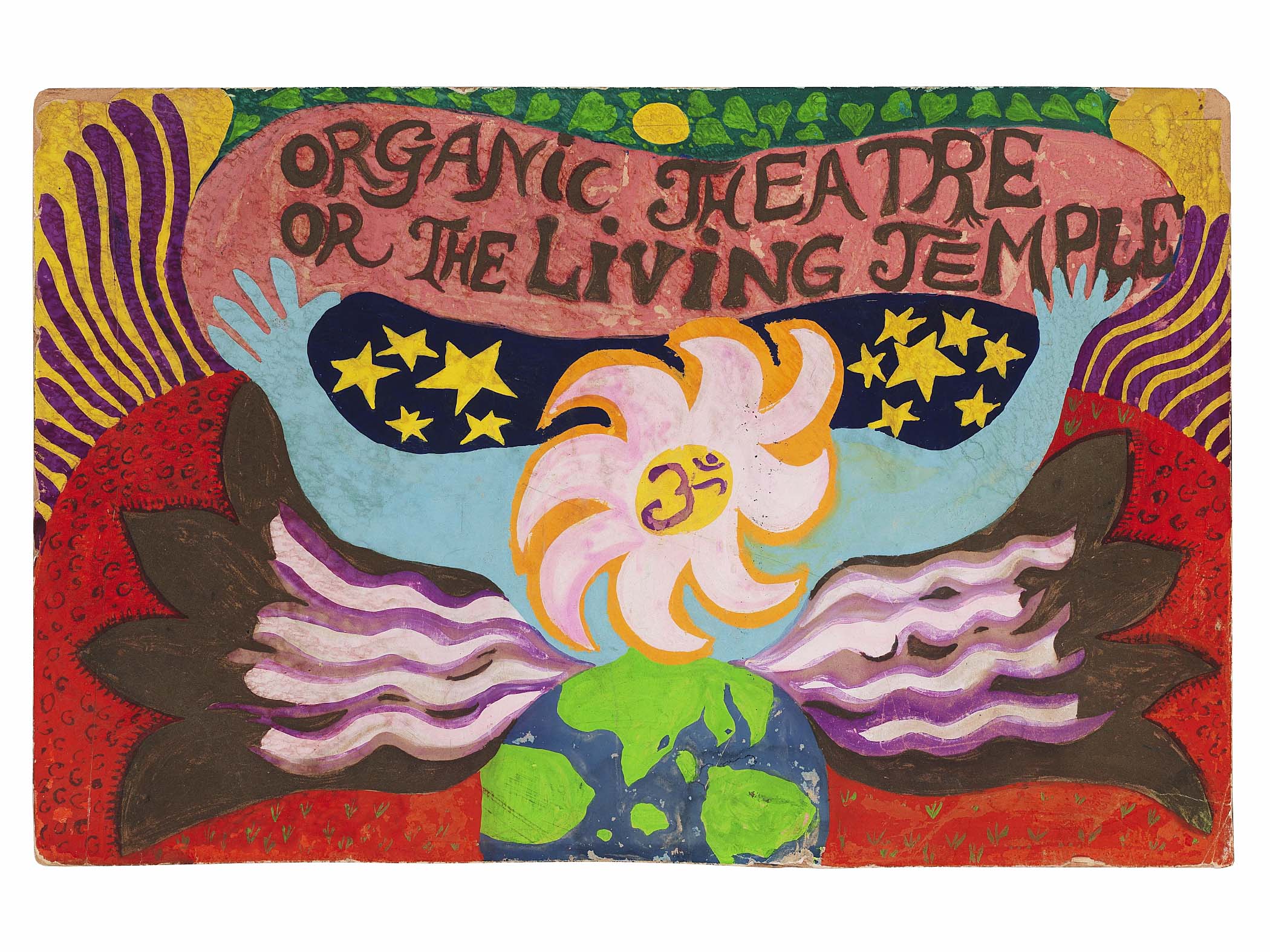
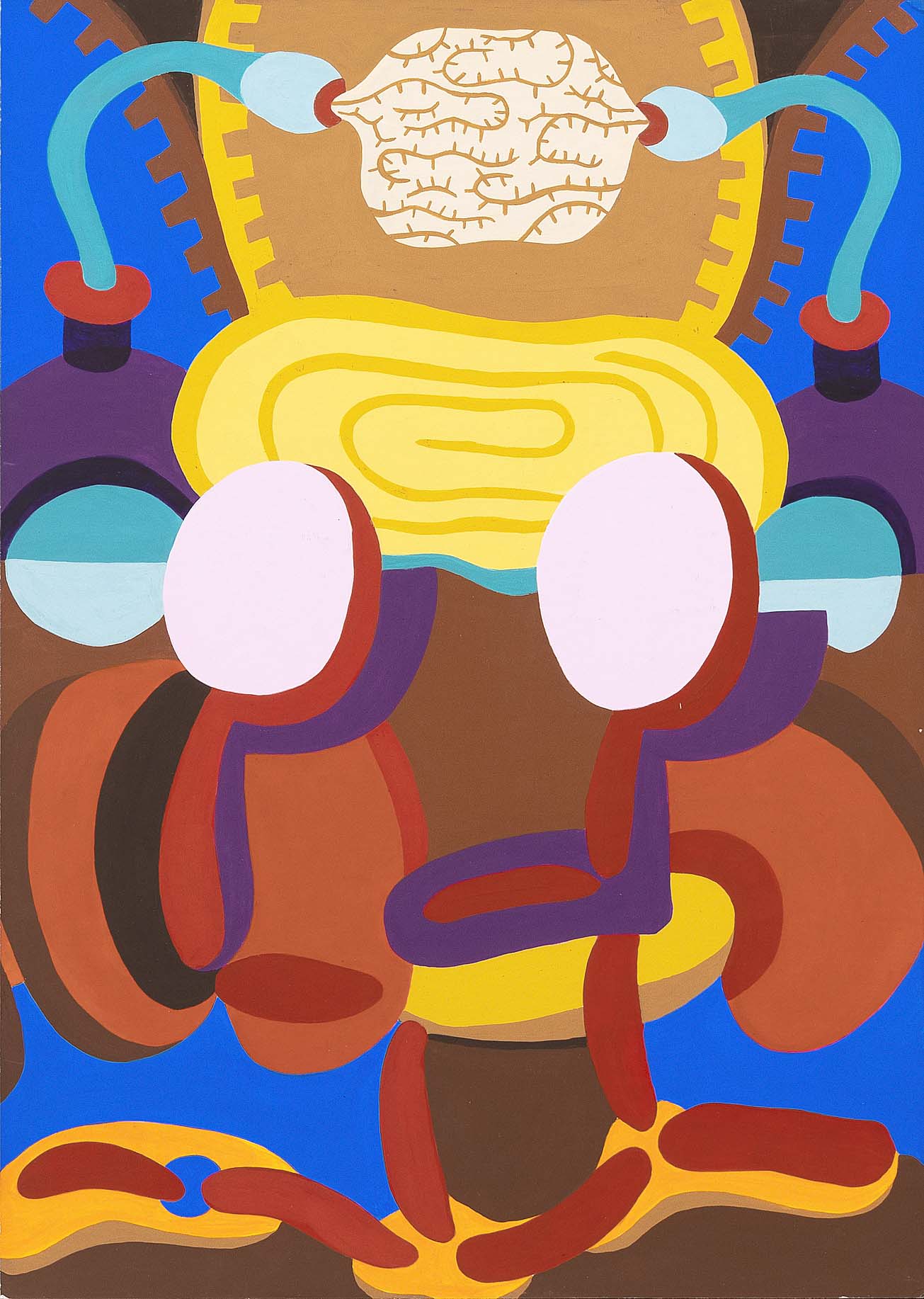
AUSTIN, TEXAS — The Contemporary Austin presents “The Living Temple: The World of Moki Cherry,” the largest retrospective in the United States to date celebrating Moki Cherry’s innovative and wildly colorful works of art. Building on the artist’s collaborative and multi-sensory approach, this presentation incorporates textiles, tapestries, paintings and drawings, concert posters, clothing, ceramics, sculpture, music, video and archival materials to explore her omnivorous and omnipresent creativity. Organized by Ars Nova Workshop (ANW), the Austin show follows a celebrated run in Philadelphia at the Fabric Workshop and Museum. Presented in the museum’s downtown Jones Center, “The Living Temple” is on view through January 17.
“We believe audiences in Austin will be excited by Moki’s imaginative, boundary-breaking work across media and her emphasis on collaboration, cross-cultural networks, and intergenerational exchange,” said Alex Klein, the Deborah Dupré head curator and director of curatorial affairs. “Visitors will be especially drawn to Moki’s work with her longtime partner, legendary jazz trumpeter Don Cherry through album covers, stage environments and children’s workshops. Above all, her creative spirit and her alternative vision for artistic practice between the home and the stage continues to provide inspiration for our present moment.”
Born Monika Marianne Karlsson in the Norrbotten province of Sweden in 1943, Moki’s early years were spent moving around Sweden to follow her father’s career. While attending Beckman’s School of Design, Stockholm, she met multi-instrumentalist musician and bandleader Don Cherry (1936-1995) during his tour with Sonny Rollins. After graduating in 1966, they reunited in New York City and began developing an interdisciplinary practice of multimedia art and performance that would develop through the rest of their partnership. Together, they coined the terms “Movement Incorporated” and “Organic Music” to evoke both new experiences and their roots in the natural world. These collaborations entwined music, theater, live performance and visual art to forge hybrid audiovisual spectacles brimming with life and social consciousness. Creating a total experience that defied genre, Moki and Don forged hybrid audiovisual spectacles that challenged hierarchies in music and art.
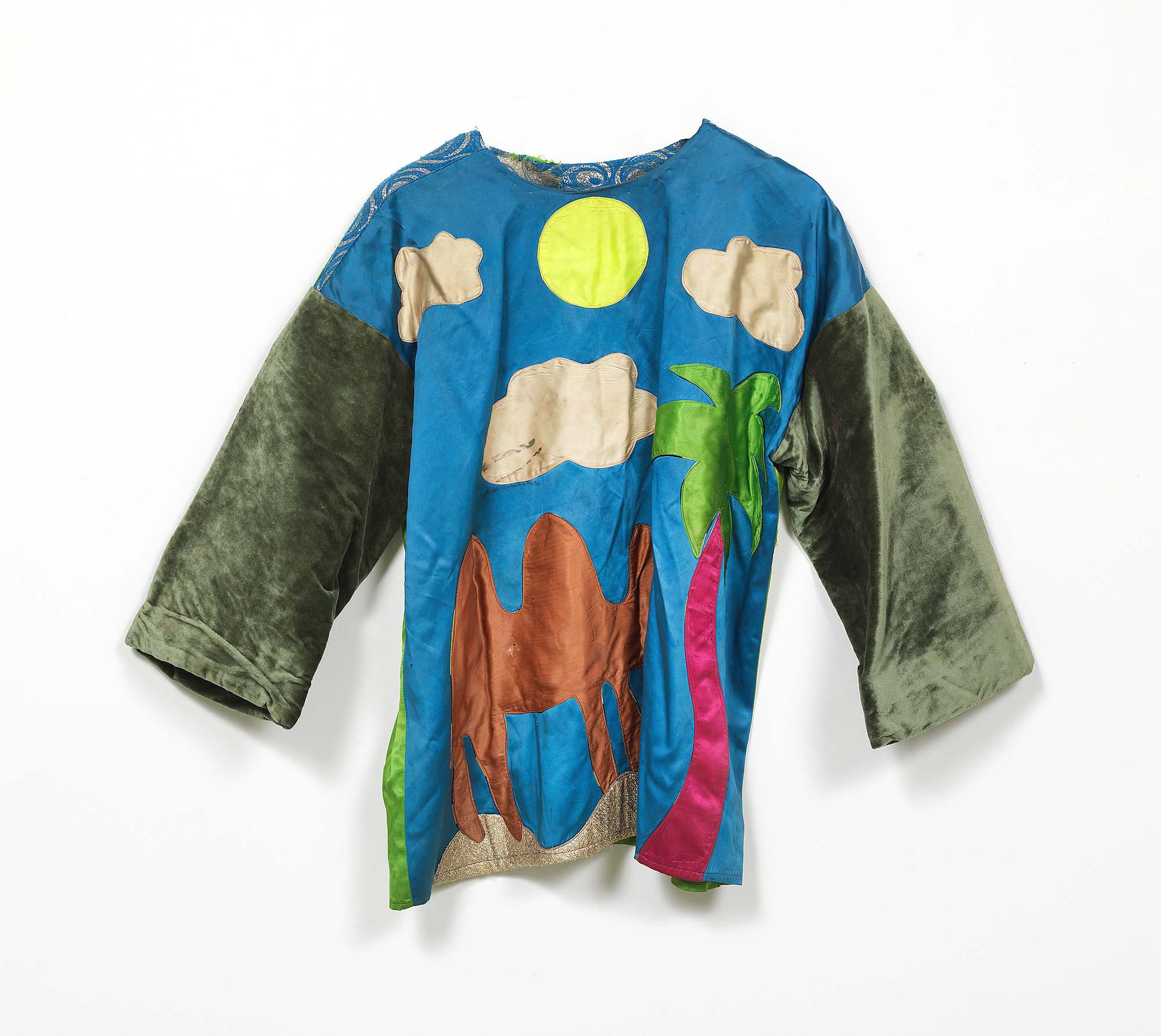
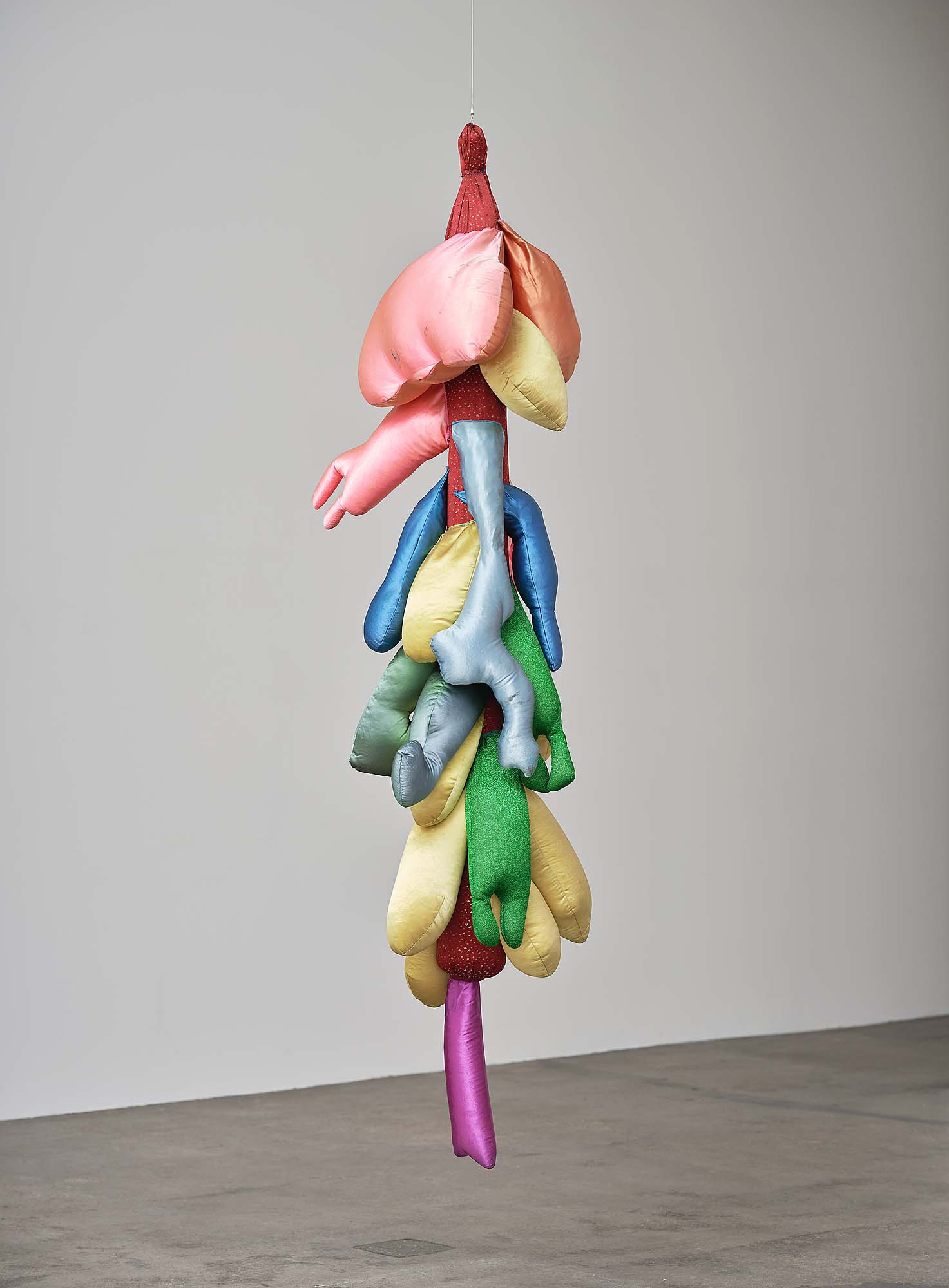
“Don Cherry’s Top” by Moki Cherry, 1969, mixed fabrics, 27-9/16 by 23⅝ inches. Installation view of “Moki Cherry Communicate, How?: Paintings and Tapestries, 1967-1980” at Corbett vs. Dempsey, 2021. Photo credit Tom Van Eynde.
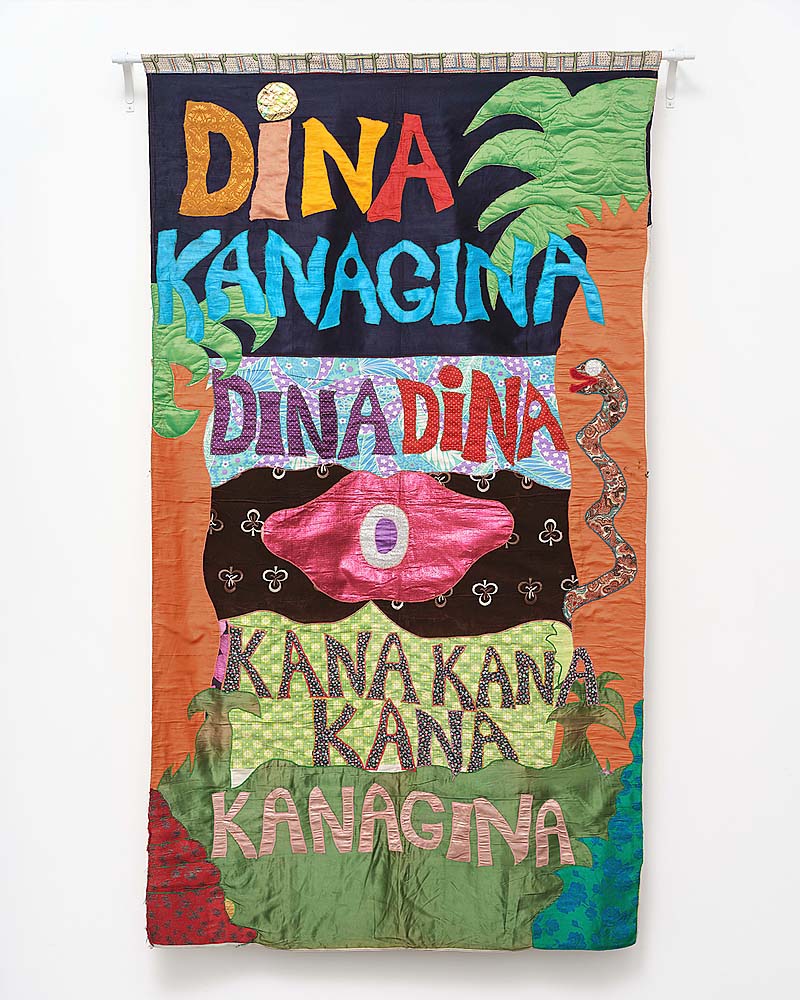
Art was fully integrated into her life as seen in her textiles like “Don Cherry’s Top,” a appliqué pullover she made in 1969 for her husband to wear during his Organic Music performances. Large-scale tapestries like the 1972 work “Dina Kanagina,” measuring 107½ by 59-1/16 inches, were part of works in this decade she made to serve as mobile backdrops for scene-setting, whether at a concert or a museum show.
“The Living Temple: The World of Moki Cherry” surveys how Moki’s radical, genre-defying vision proposed new models for creating, learning and collaboration that continue to resonate today. The exhibition is designed to tell the story of her visionary process “in a loose chronological order (with a few exceptions),” guiding through several thematic sections and introducing them to the critical arcs of Moki’s life and career. “Music inflected all aspects of the Cherrys’ lives together,” Klein added.
“Included in the exhibition will be a vinyl listening station where albums that either featured Moki playing or that featured her artwork, will be on continuous rotation.” The display features a trove of rare archival ephemera, including Super 8 mm films by Moki that document everyday moments from her life with her family offstage, and an excerpt from Ephraim Asili’s forthcoming film Don & Moki: Organic Music Society.
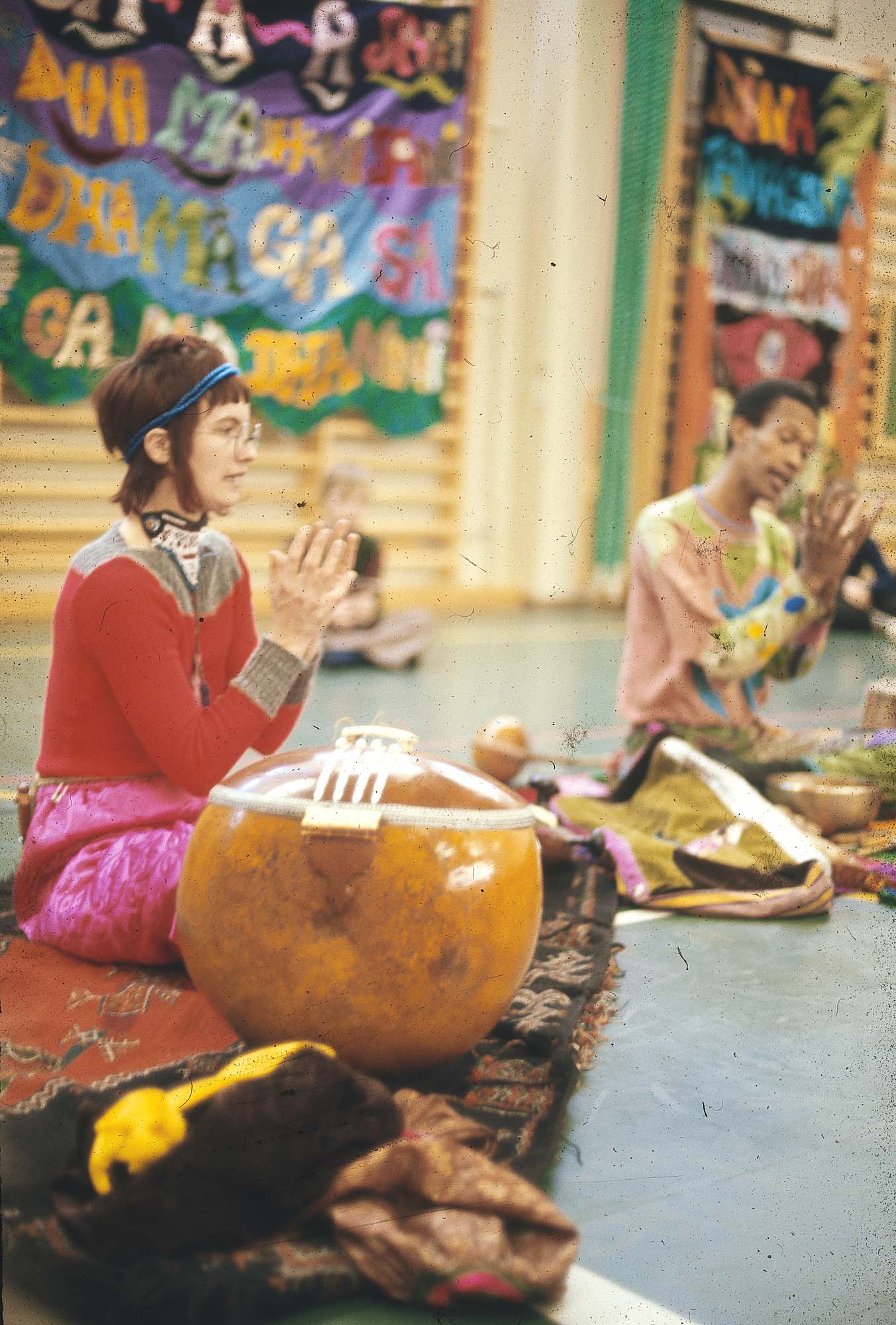
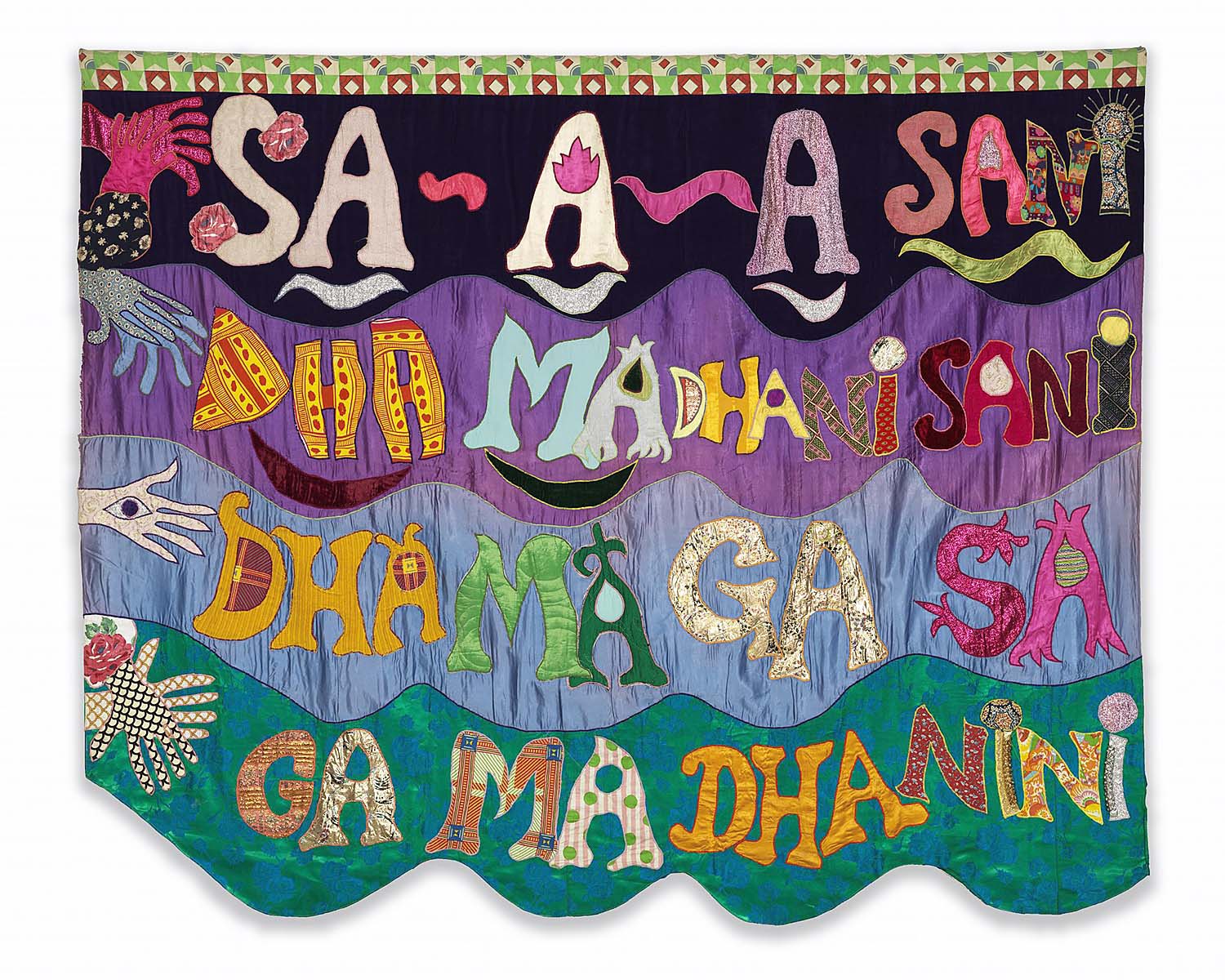
“Moki and Don Cherry teaching a school workshop, 1973.” Featured in the background: Malkauns Raga, 1973 (left); Dina Kanagina, 1972. Cherry archives. Courtesy of the estate of Moki Cherry.
Moki’s guiding mantra was “home is stage, stage is home.” Based in New York City and Sweden, the children that the Cherrys raised together, Neneh and Eagle-Eye, feature prominently in the archival documentation of home life and on stage. “They were often involved in performances and traveled with their parents around the world, including the multi-week residency at Moderna Museet in the exhibition, ‘Utopias and Visions 1871-1981,’” Klein explained.
This nomadic lifestyle infused Moki’s work with a sensibility that drew from global artistic traditions without being confined to a single cultural lineage. She integrated Swedish folk motifs, South Asian and African textiles and Indigenous craft practices to explore themes of ecology, spirituality and feminism. The family’s way of living itself was an act of defying borders, creating an art practice rooted in fluid, transcultural exchanges rather than nationalistic definitions of identity. The result became a “living temple,” an ordinary domestic space in function and extraordinary in spirit, that Moki built upon until her death in 2009.
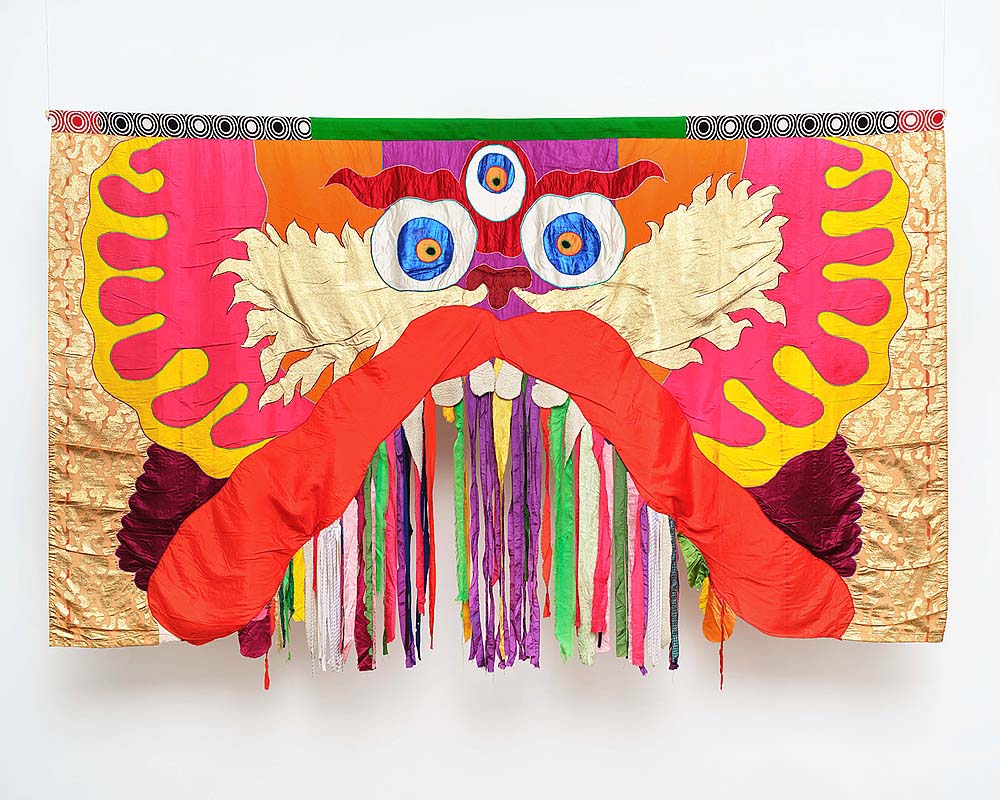
When asked about a favorite object in the exhibition, Klein responded, “I do not have a favorite work from the checklist per se, but I especially love the large scale, colorful, textile appliqué work ‘Title Unknown (Dragon),’ that prominently hangs in the video positioned nearby, documenting the Cherry family’s 1976 appearance on Italian television.” In this genre, Klein continued, “I also love the inclusion of the workshops with children both at La Salle Elementary in Los Angeles and in the six-episode show created for Swedish television… you really get a sense of Moki’s personality, the creative inspiration they found in childhood, and the Cherrys’ belief that bringing art and education together is beneficial for society.”
The Contemporary Austin’s Jones Center is at 700 Congress Avenue. For information, www.thecontemporaryaustin.org or 512-453-5312.