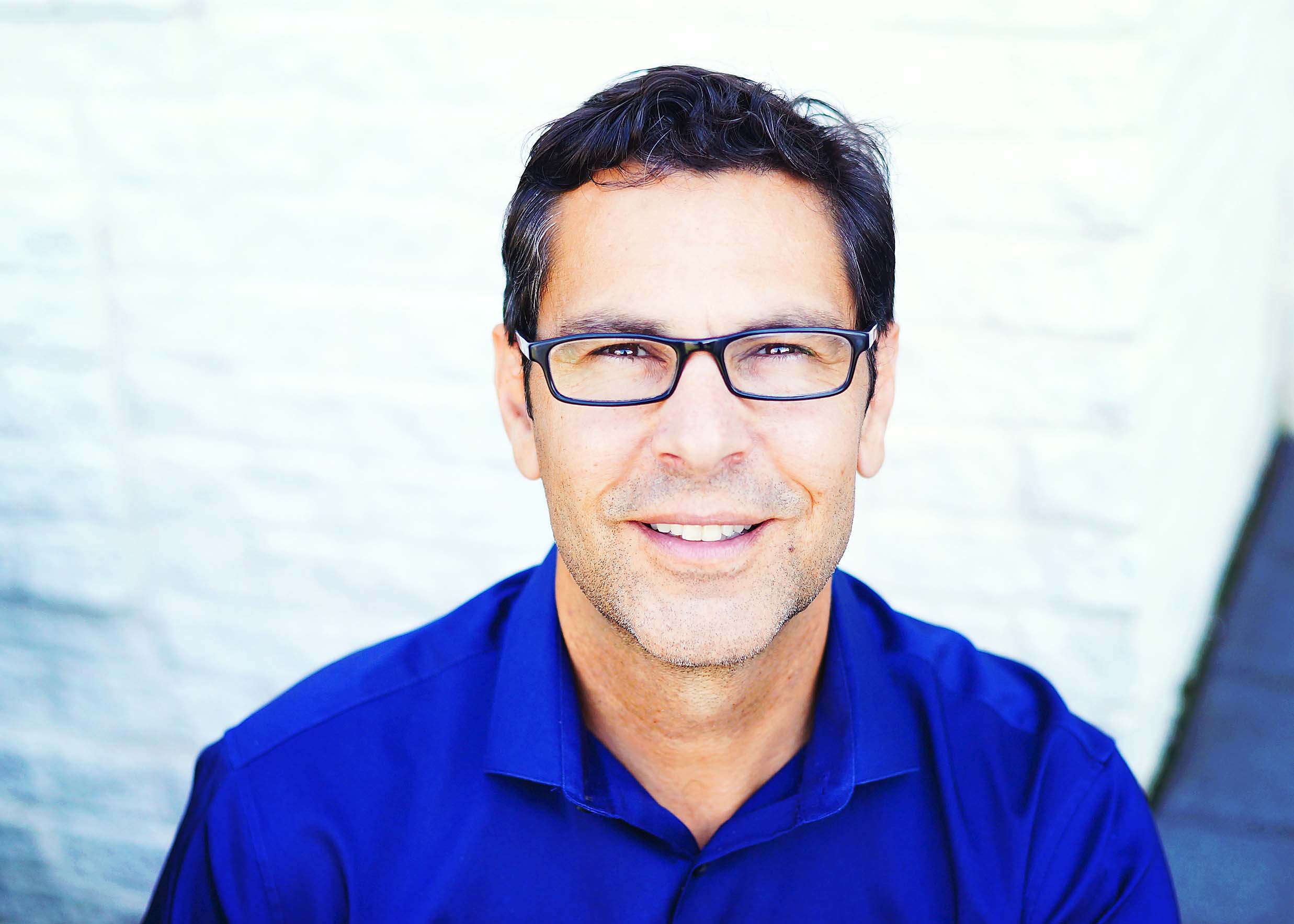
Formerly deputy director and then interim director of the Montclair Art Museum, Dr Todd Caissie (Osage), was appointed executive director of the museum earlier this summer, ushering in what the museum is calling a “people-centric era” of innovation, dynamic programming and partnerships. Bringing more than a decade of leadership across museum operations, arts education and cultural heritage, Caissie now oversees the museum’s artistic vision, operations and finances. Among his priorities are driving fundraising, membership and attendance, while amplifying programming at the museum. Upon hearing of his appointment, we reached out to ask about his vision for the future.
What drew you to the museum?
I learned about the Montclair Art Museum (MAM) through a consulting gig I had with them a few years ago where they asked me to help with the reinstallation of their Native American gallery. I was attracted to the museum by the people and its potential. It’s such a unique museum in the sense that it’s been around since 1914 — so it’s technically the first public art museum in New Jersey — but we do a lot of contemporary art.
Besides the Newark Art Museum, MAM is the only other major art museum in northern New Jersey. What is your collection like?
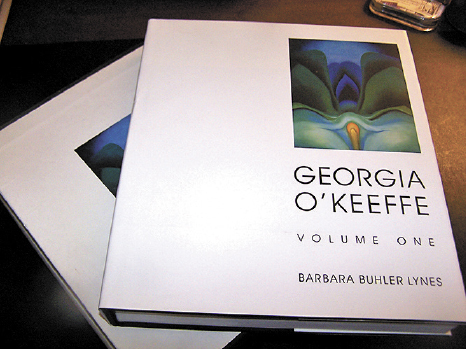
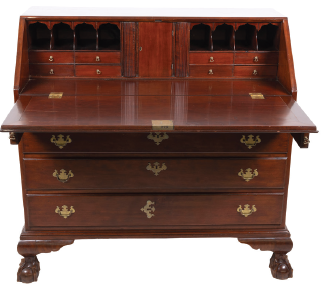
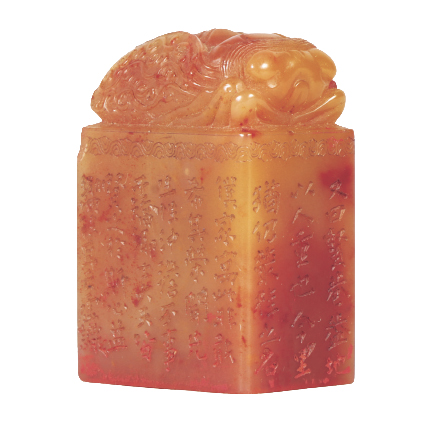
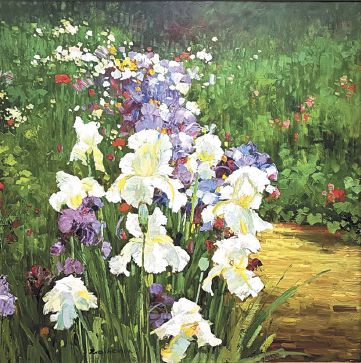
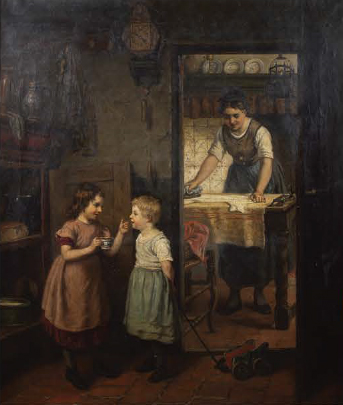
We have a permanent collection of more than 14,000 works, and that was one of the other things that attracted me because the museum is a hidden gem. A lot of people don’t realize the collection that we have. We focus exclusively on American and Native American art, so we don’t have any European or Asian art in our permanent collection. We have Whistlers, Andy Warhols, Hoppers, Sargent, Homer and there are Georgia O’Keeffes. There’s so many great works in our collection that a lot of people are very surprised by.
What are some of your short-term goals as executive director?
The museum has an art school, which is another thing that was interesting to me about being here because we have a full art school in the building for kids, but also for adults and that runs a gamut from ceramics to watercolors to acrylic and collage — all these different wonderful classes. One of my short-term goals is to create a scholarship for seniors. Most scholarships tend to be focused on kids, and we do have scholarships for kids, but I think there’s a lot of people in this general area that love art and want to take art classes and want to be intellectually stimulated but they can’t afford it. We’re in the process of creating some scholarships for seniors to take art classes. We’re looking to have more programming to be more involved in the communities that we serve and be more of a vibrant, open and welcoming museum.
What’s one long term goal?
More people and more partnerships. I’ve started a new partnership with an organization that supports foster kids to have them come visit the museum. We’re expanding our school tour program to have more schools bring their kids to the museum. It’s really about being out there in the community and having people feel like we are part of their community.
Another one of my long-term ambitions is to launch a center for art and wellness. That sort of dovetails with the scholarships for seniors, but it’s thinking, again, about art more broadly: art therapy, working with kids with special needs and having different types of art classes and programs and experiences in the museum. We do work now, for example, with a veterans group in Orange, N.J., where we offer classes for veterans with PTSD, as a therapeutic offering. It’s something we do well, and I think there is a lot of demand out there for this.
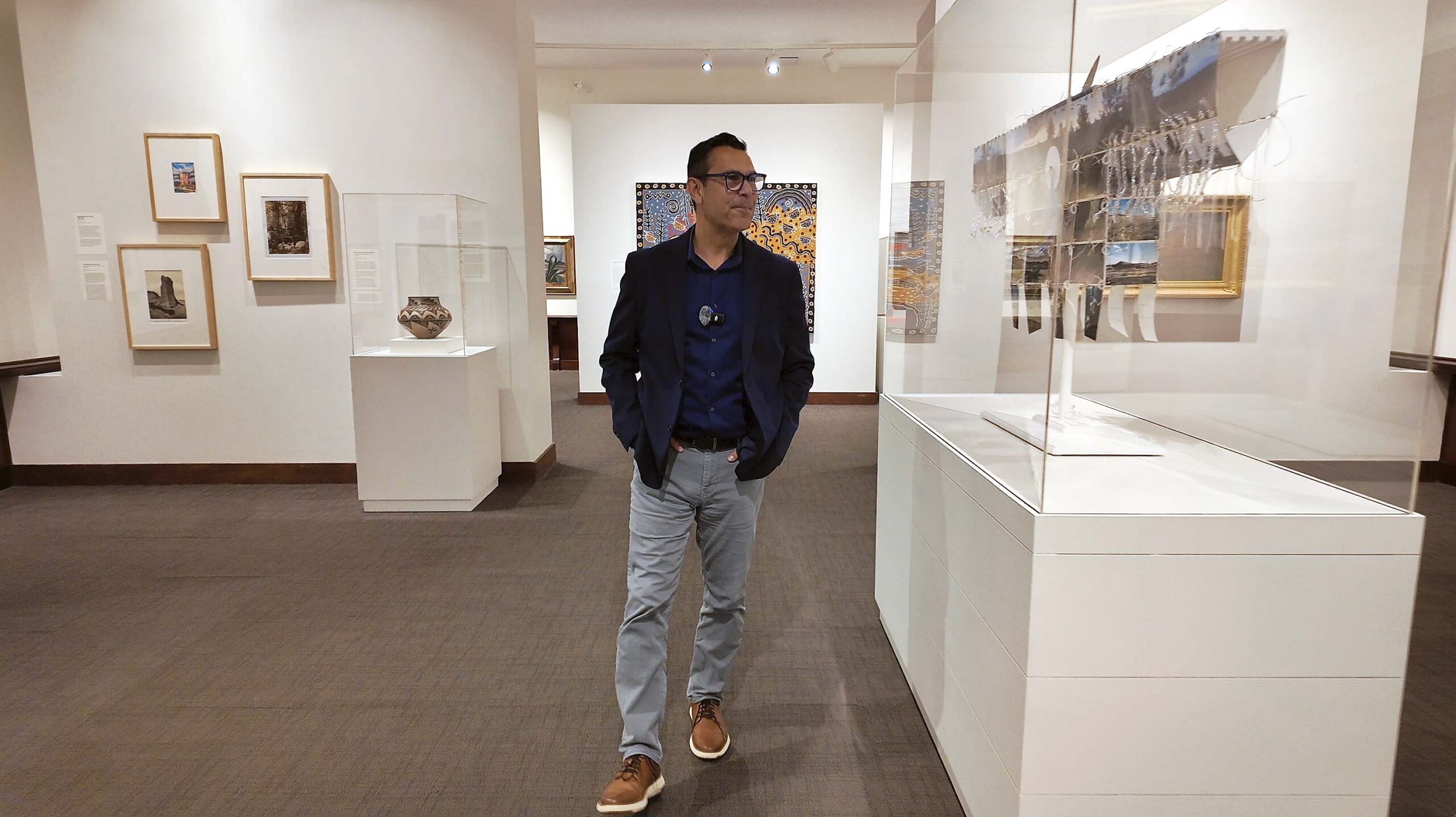
Todd Caissie peruses a recent exhibition on view in the museum galleries.
Keep this up and pretty soon you won’t be a hidden gem any longer.
I hope not! That’s my objective. We have a great show up now and our (Edward) Hopper is up on display again. We have an exhibition called “Shifting Terrain” where we had two of our curators, our curator emerita and a Native American curator, look at landscape art in our collection with different perspectives. It’s great to have all these masterworks that we had in our vault up on display again like the Hopper and our Jeffrey Gibson… That’s been exciting.
Tell us a bit about your journey to museum leadership.
I come from an unusual background for museum leadership. I started my career in corporate America running businesses in Japan and in New York City, so I have a business background. Then in my 40s, I went back to school to get a PhD in art history, cultural heritage and preservation studies, so I had a bit of a midlife crisis and decided I wanted to be Indiana Jones.
What is your leadership style like?
I have the academic background, but I do come from a business perspective, so I think a lot about organizational structure and processes and how to enable them. My leadership style is very supportive. I like to provide the people on my team opportunities to grow and expand, and be creative in a free-flowing environment where they feel empowered to take ownership of things. I think of it more as me supporting them in their endeavors rather than them supporting me.
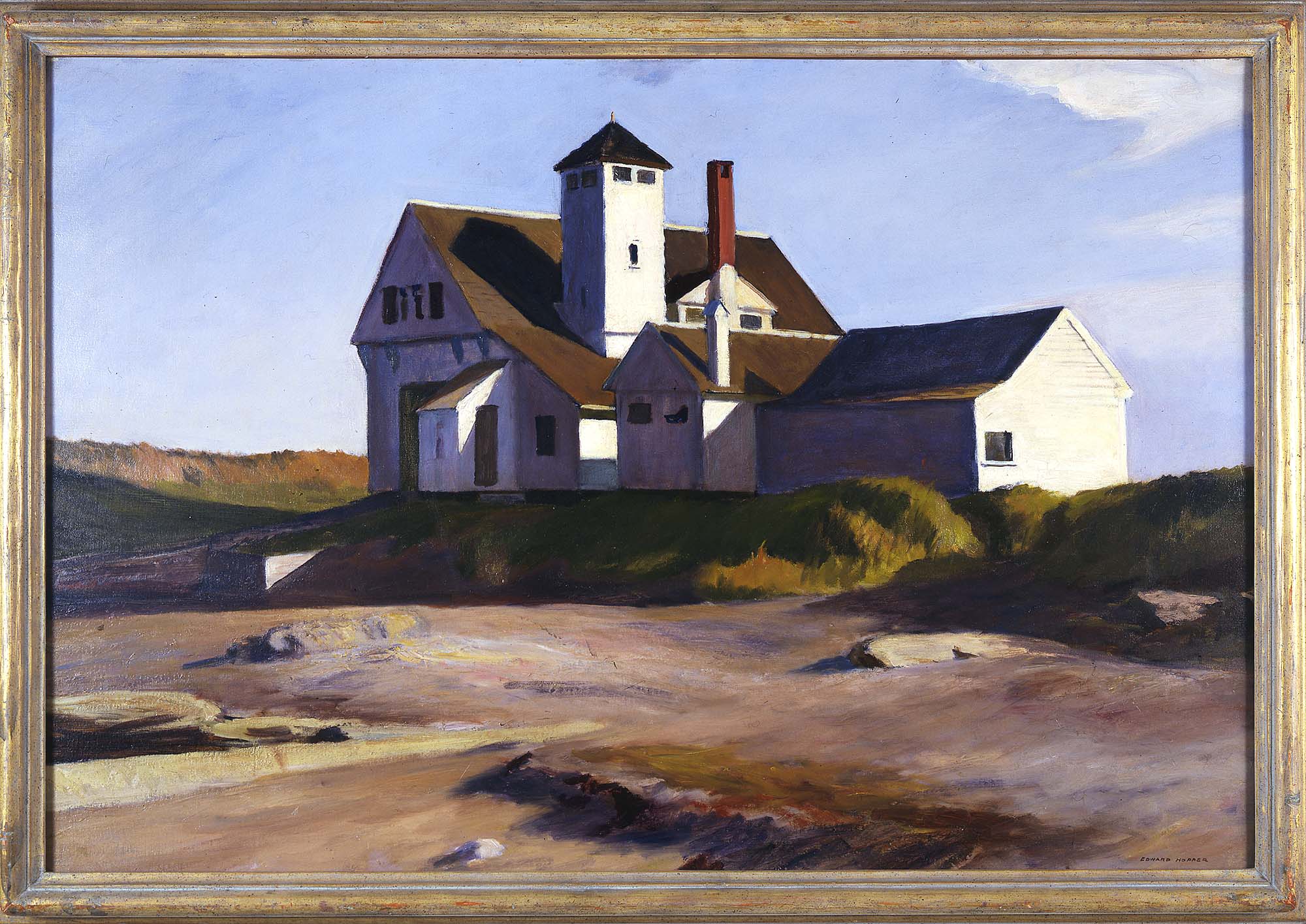
Among American artworks in the museum’s collection is “Coast Guard Station” by Edward Hopper (1882-1967), 1929, oil on canvas, 29 by 43 inches. Museum purchase; Picture Buying Fund, 1937.21.
What does a typical day on the job look like?
Well, I’m new, so I am trying to spend as much time as I can out in the communities having coffee and tea, meeting people and listening to people. I really want to find out what they need and what is important and relevant to the communities that we serve — to make sure that we are creating exhibitions and providing programming that fits what they want instead of just creating it and hoping that they come because we think it’s a great idea. So, I am spending a whole lot of my time building relationships and partnerships, talking to people, listening as much as I can and learning.
Are there any common threads in what people are telling you what they want from the museum?
The common thread that I do hear is they want a museum that is welcoming and one that is supportive of local artists and the local communities and kids. They talk less about education in the traditional sense and more about inspiration and discovery and being creative. I’d love for the museum to think of itself more as a hub for creativity not just fine arts. We have a wonderful building where we could have poetry, dance, music, art, and it can be more multi-sensory for kids, adults and different towns and demographics. We want to really make everyone feel like they’re welcome here, and I think in the past, that hasn’t always been the case just by the preconceptions of what a museum is like as an institution. It can be viewed as a little elitist, and we’re trying to break down those barriers. We are a museum of the past but also the present and the future.
—Andrea Valluzzo