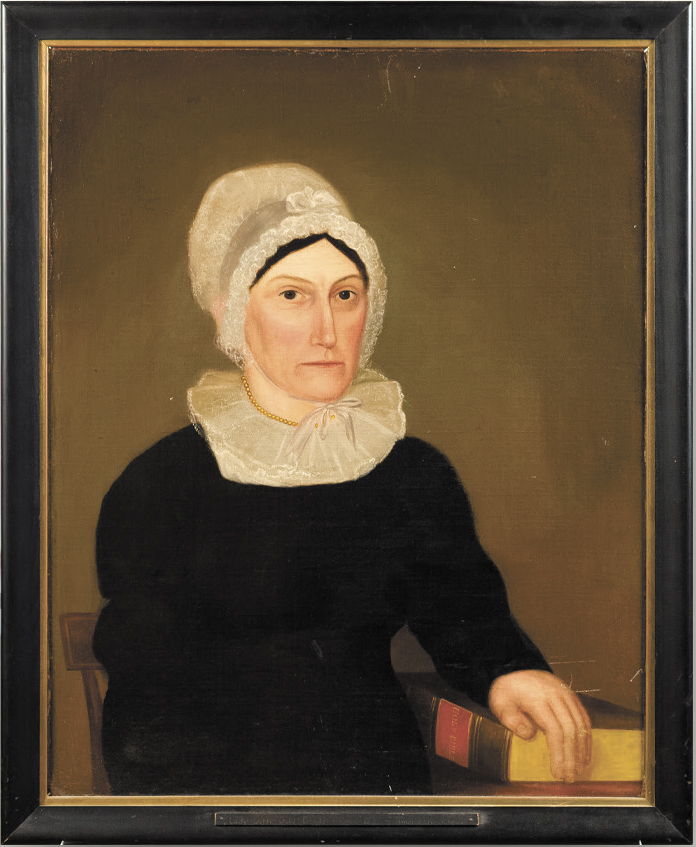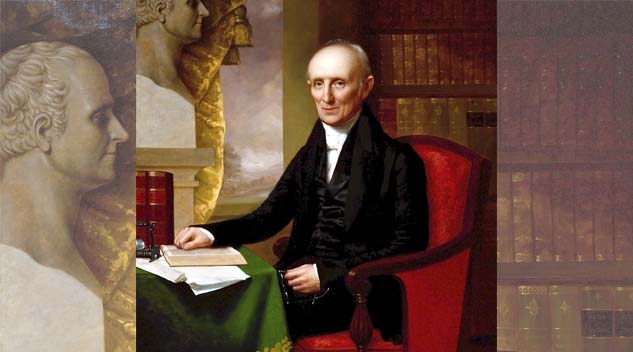
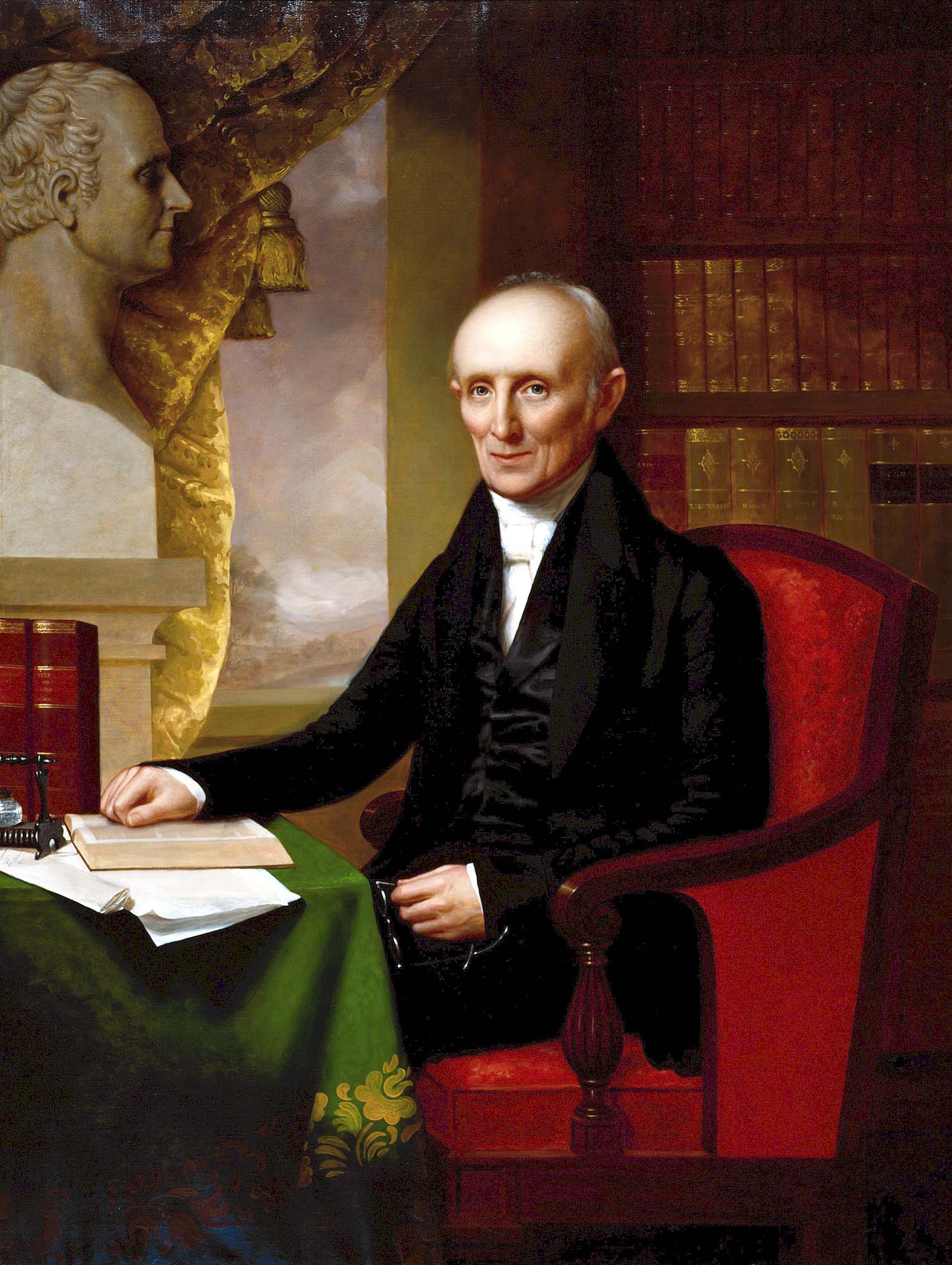
Portrait of Nathaniel Bowditch by Charles Osgood, 1835, oil on canvas. Commissioned by the East India Marine Society, 1835. M370. Peabody Essex Museum. Photo by Photo Mark Sexon/PEM.
By Andrea Valluzzo
SALEM, MASS. — It’s fitting that local and global histories are merging at the Peabody Essex Museum’s reinstallation of its historic East India Marine Hall in the same year that the museum celebrates the bicentennial of the hall’s dedication along with the country’s semiquincentennial and the 400th anniversary of Salem’s founding, when Roger Conant established a settlement at Naumkeag. Salem has long been a key part of the shipping trade, and many artifacts and objects, both man-made and natural, have made their way to the port city.
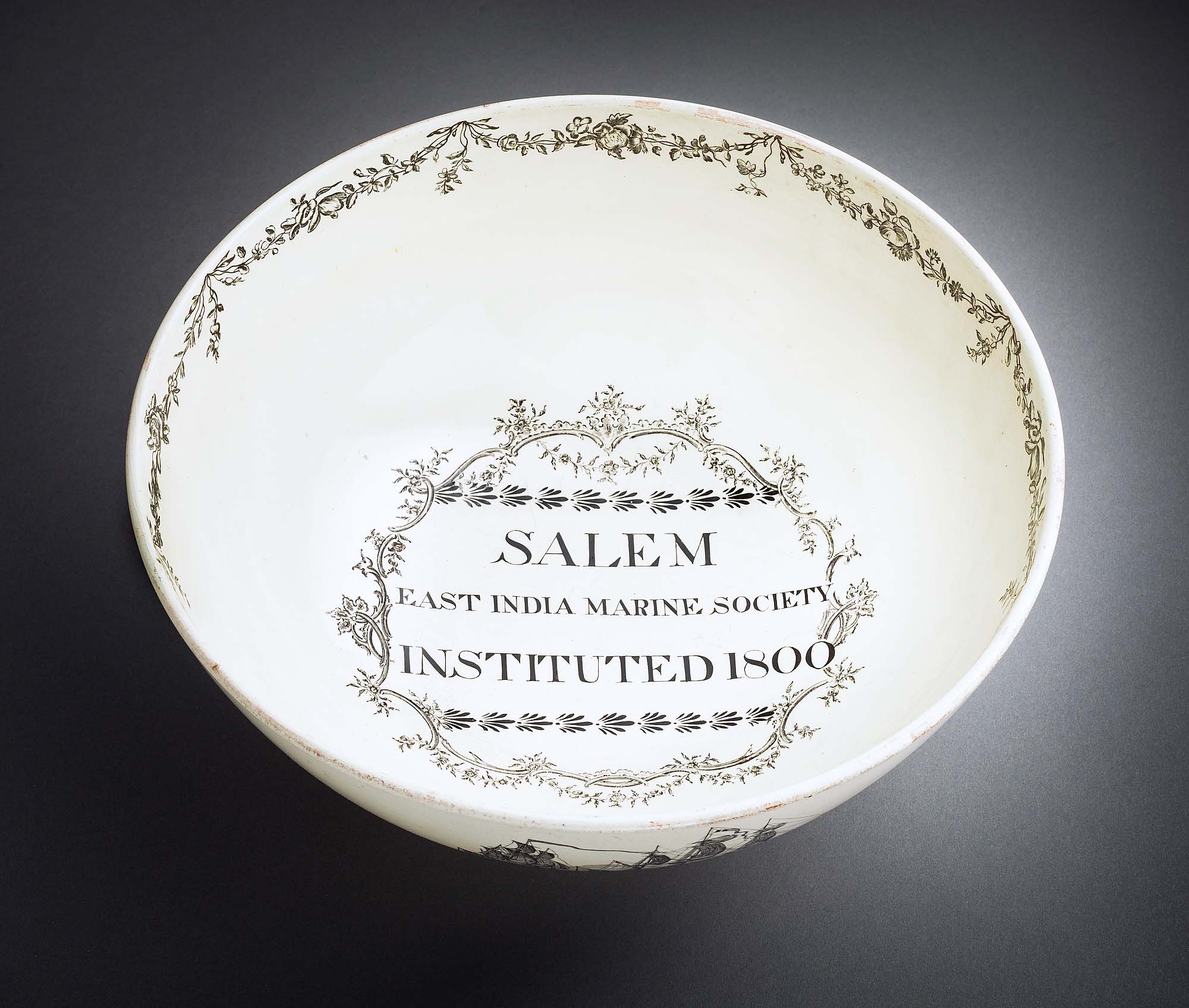
The East India Marine Hall has long been the heart of the Peabody Essex Museum, which got its start in 1799 when nearly two dozen sea captains from Salem formed the East India Marine Society with the intent to create a cabinet of curiosities of sorts, especially featuring “exotic” objects collected from their travels far across the Atlantic and Pacific while establishing new trade routes. Membership in the Society was restricted to seasoned seamen who had ventured beyond the Cape of Good Hope, South Africa, and Cape Horn, Chile, thus proving their skill and access to curious objects from all around the world.
Built in 1824-25 by the East India Marine Society, the hall was designed by architect Thomas Waldron Sumner in the Greek Revival style. Its most distinctive features are the tall, arched windows and the Nineteenth Century ship figureheads on display. It first served as the Society’s exhibition hall and hosted sumptuous meals among the seafarers sharing their oceanic adventures. It has housed countless special exhibitions for the museum since then, as well as being a popular venue for weddings and parties.
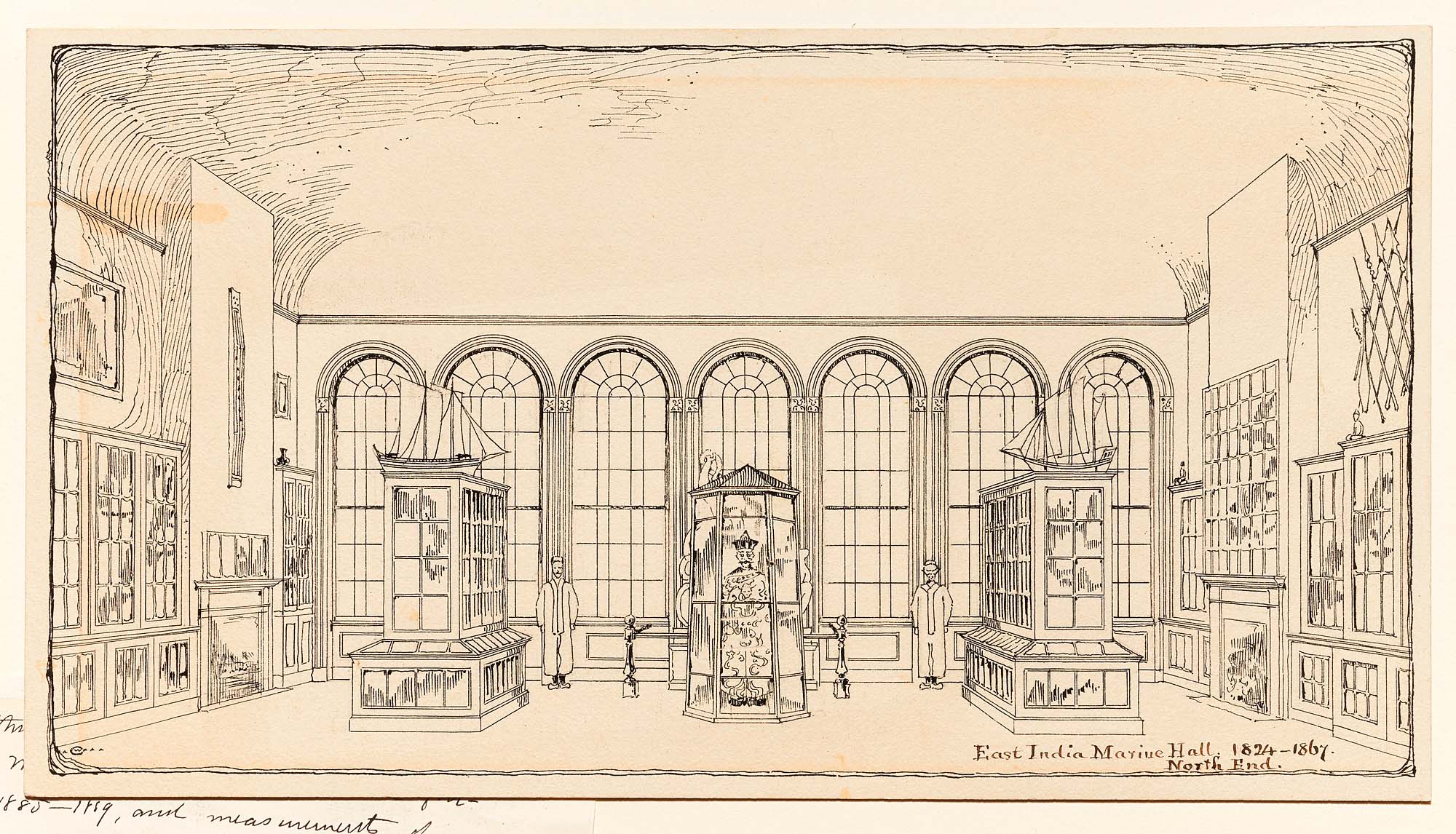
East India Marine Hall as it appeared 1825-67, looking north, by James Henry Emerton, circa 1879, ink on paper. Museum purchase, 1889. M303.4. Peabody Essex Museum.
A few years ago, the museum began planning to reinstall a snapshot of its sizeable collections in the East India Marine Hall, the oldest part of the museum, to celebrate the trifecta of important anniversaries to come this year. The East India Marine Hall had been closed since August and vacant since a 2017 renovation of the adjacent wing.
“Over the last 200 years, East India Marine Hall has been visited by people from all walks of life in the United States and across the globe — from American presidents to foreign travelers to the farmer in the town next door,” said Daniel Finamore, the museum’s deputy chief curator and the Russell W. Knight curator of maritime art and history. “From its inception, this space and these objects, collected by the museum’s seafaring founders, have elicited curiosity and wonder and transported visitors to places around the world.”
“The hall has always been the touchstone for people’s affection for the museum and for their recognition of why the museum is a unique institution. There’s no other place like it — no other museum has a history like this,” he added.
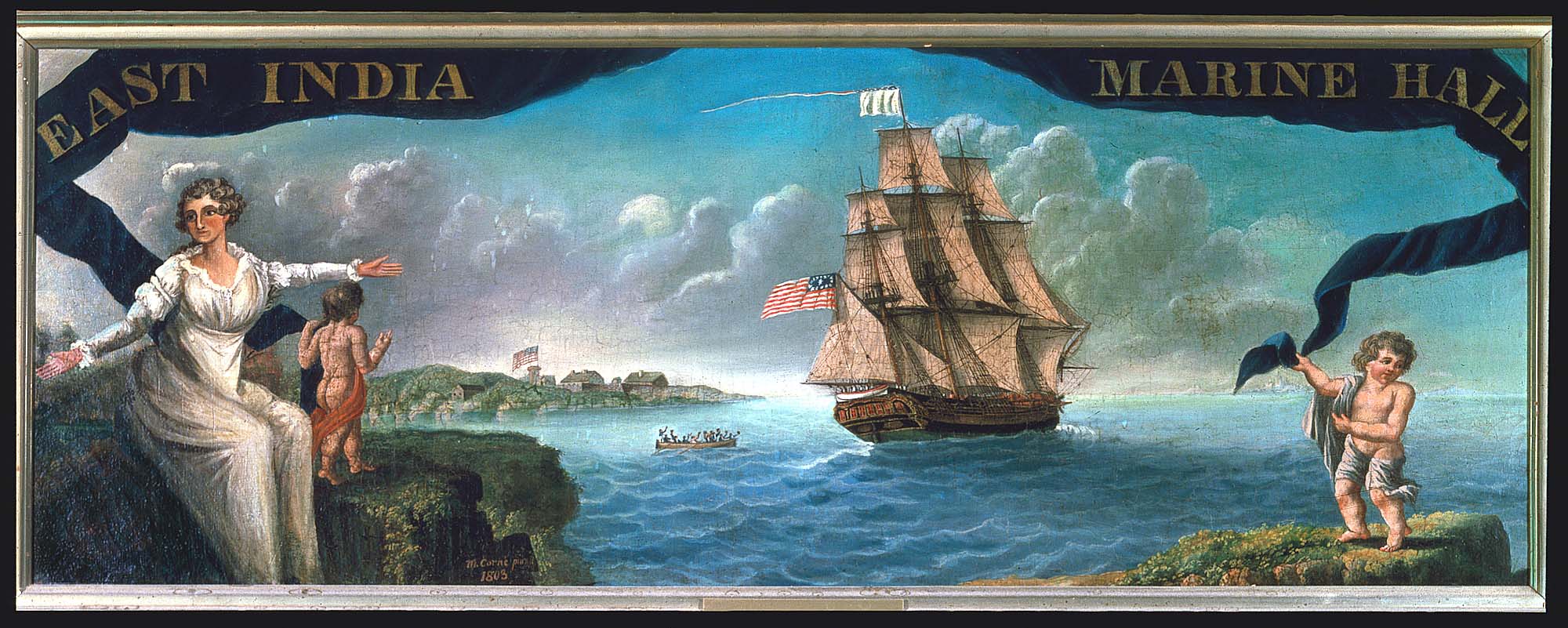
East India Marine Society sign by Michele Felice Cornè with lettering by Samuel Bartoll, 1803, oil on canvas. Commissioned by the East India Marine Society, 1803. M235. Peabody Essex Museum. Photo by Mark Sexton/PEM.
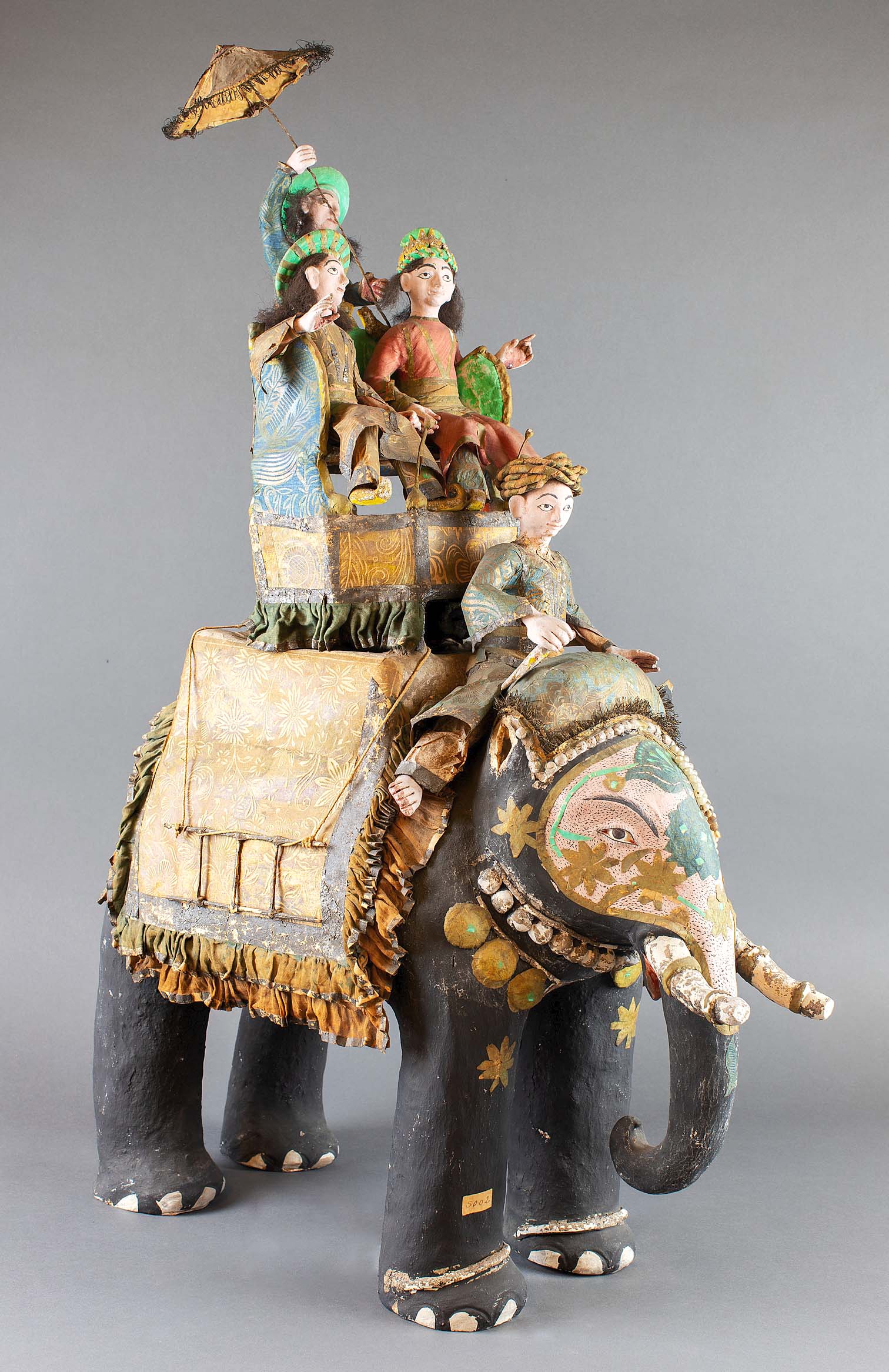
The museum pulled out all the stops and breathed new life into the historic space, showing off its collections in a new light in the spirit of the cabinet of curiosities the founding sea captains likely imagined when they brought these items home from their travels, while adding a new focus on storytelling. These artifacts could easily become static in a typical museum setting, stripped bare of their cultural histories and context; however, the new installation has regained their histories, thanks to an invigorating presentation that emphasizes multiple perspectives and voices. Adding context to the physical display of the objects, visitors can scan QR codes to hear directly from some of the people associated with these items, from early collectors to scholars, connecting the physical objects with their stories in audio form.
Striking a good balance between honoring the roots of this historic hall with modern storytelling creates an atmosphere where visitors can engage with the objects how they choose, wandering from one area to another, or perhaps going deep on one display for hours. In the vein of its founders’ intent, the Hall inspires curiosity, discovery and a way to explore the collections intuitively instead of moving down a line of display cases.
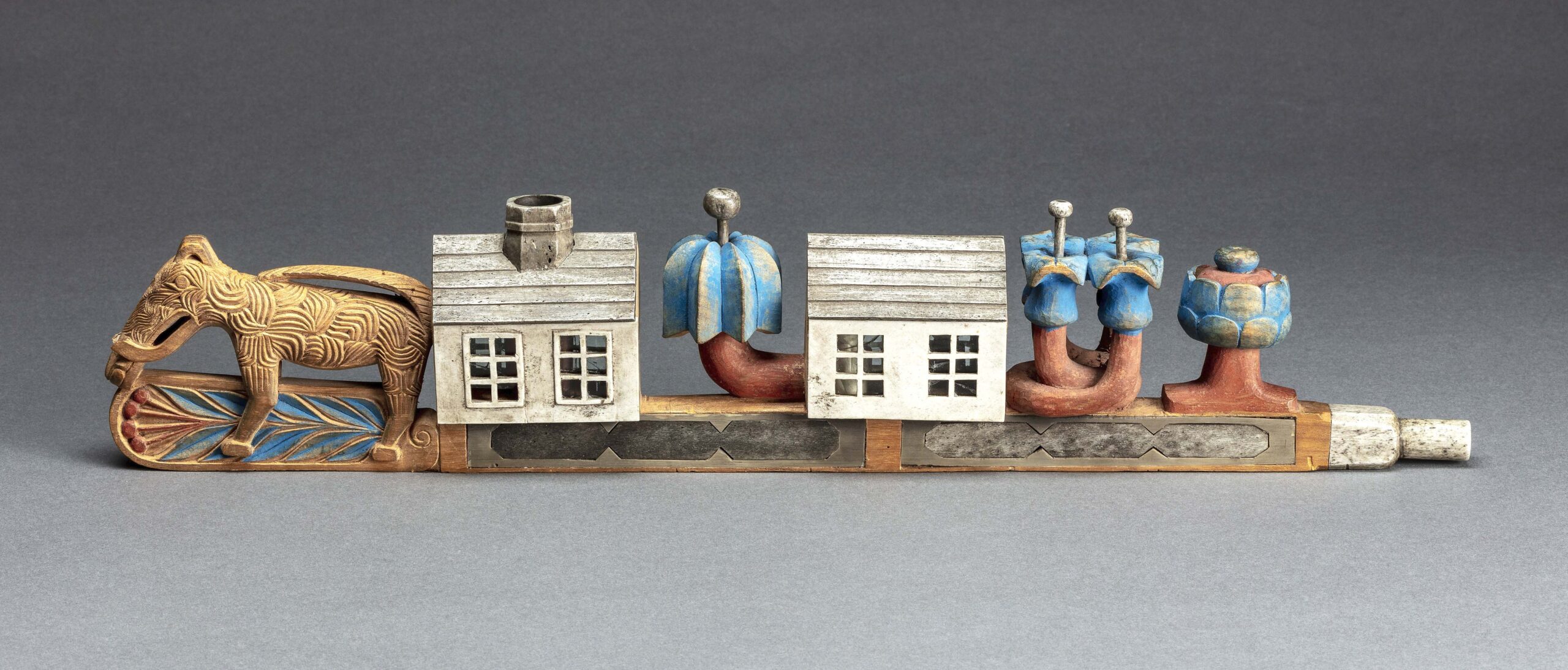
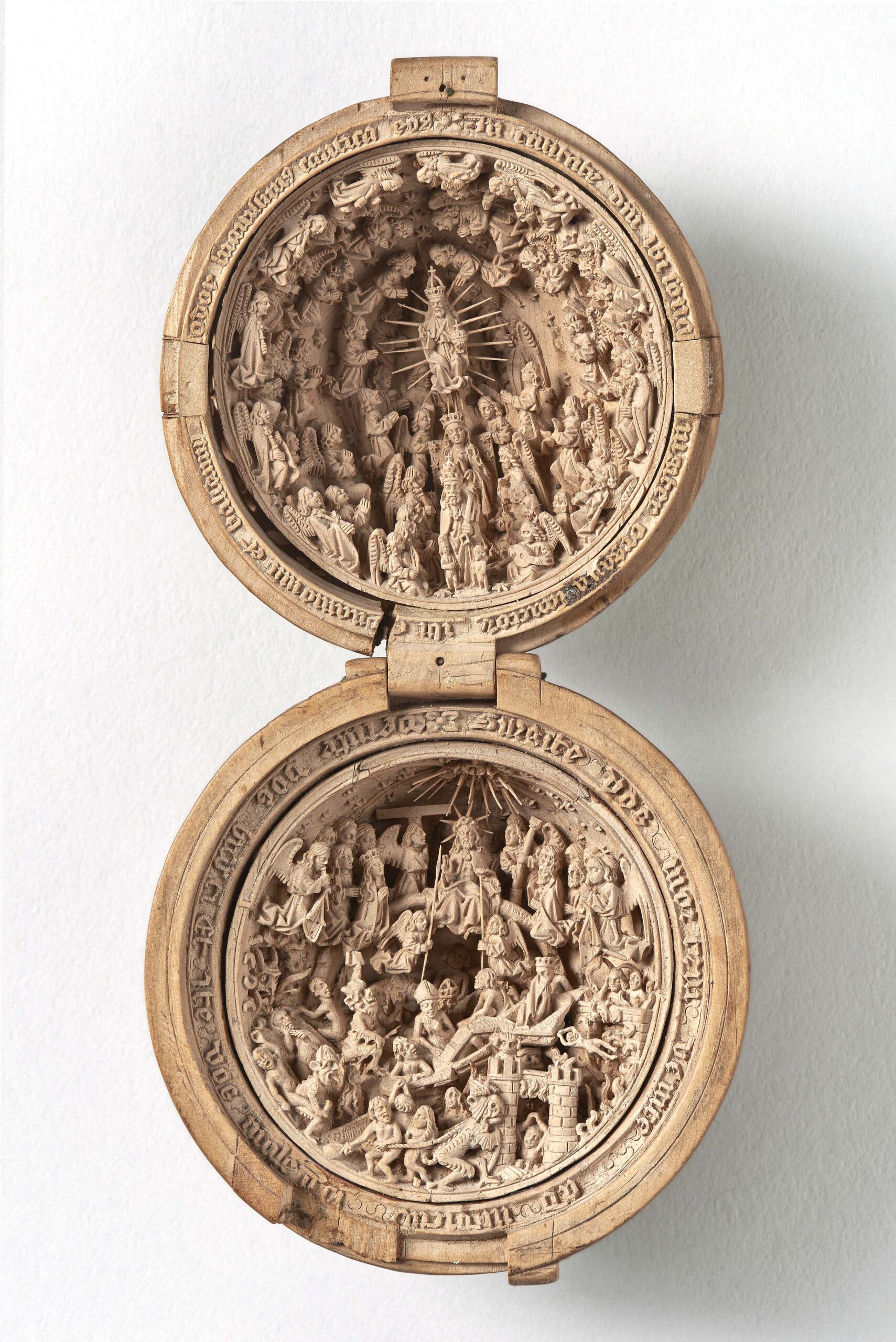
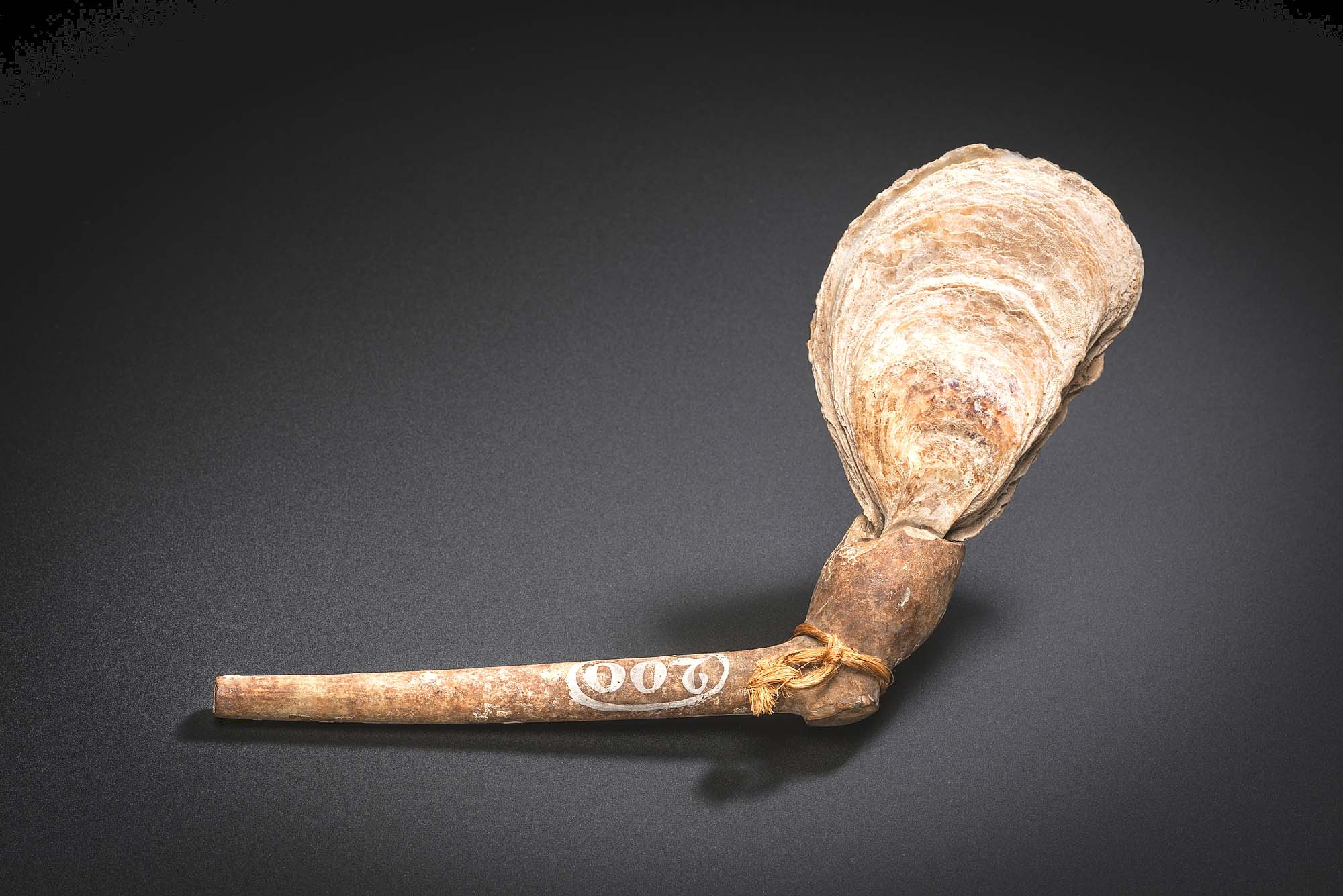
The museum retains a collection of about a million objects. The more than 430 items in the East India Marine Hall represent a cross-section of its global collections from its founding years and seek to recreate the feeling of discovery those in the Nineteenth Century first had when encountering them. One of the first, if not the very first, objects the captains brought into their museum — now featured in the reinstalled Hall — is a two-stem pipe from Indonesia. It was given to the Society in 1799 by Captain Jonathan Carnes, who made significant donations that helped form the nucleus of the Society’s collections. Privateer Carnes, who had earlier served in the Revolutionary War against the British and carried letters for John Adams, made his fortune helping establish the Dutch Spice Islands trade routes.
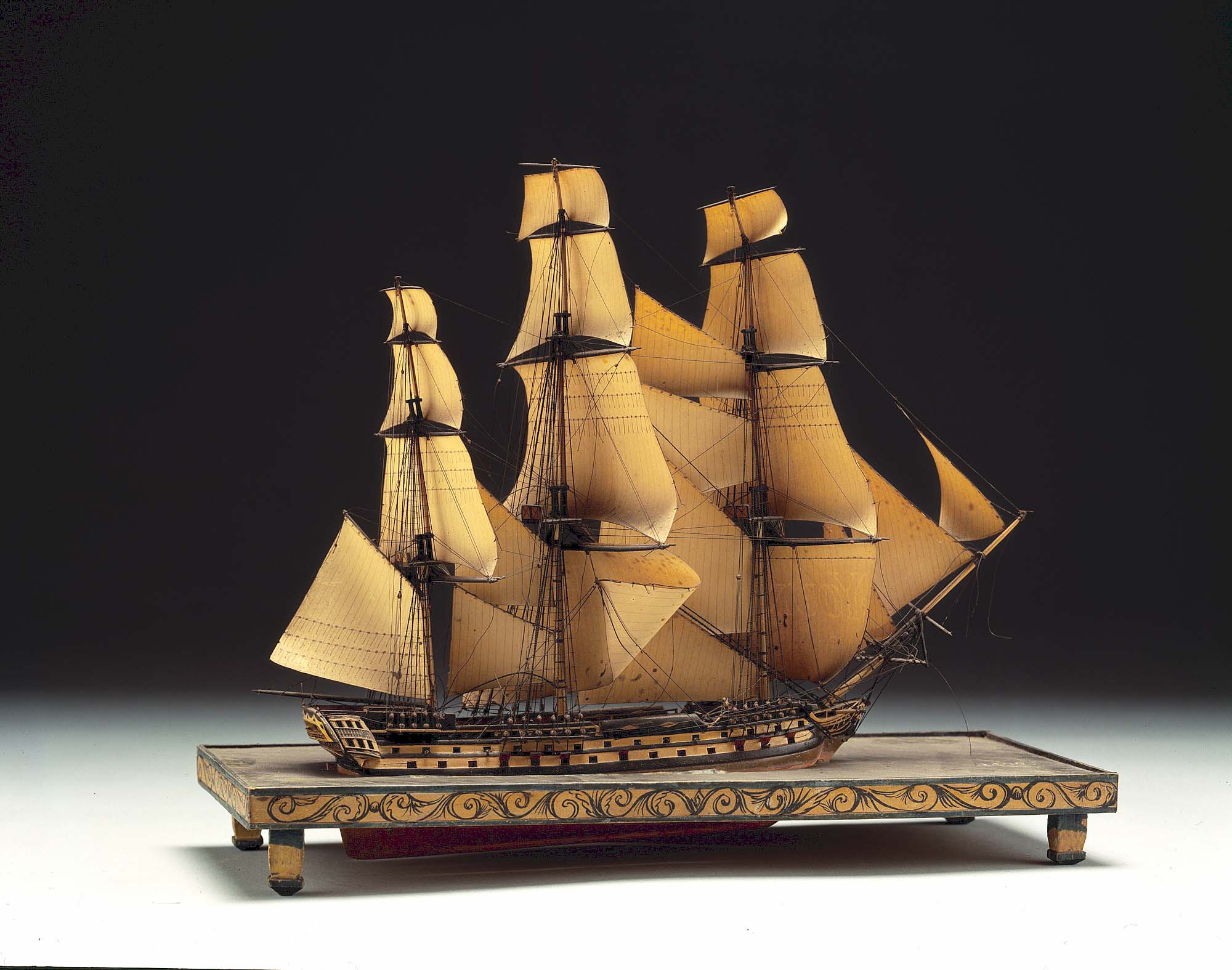
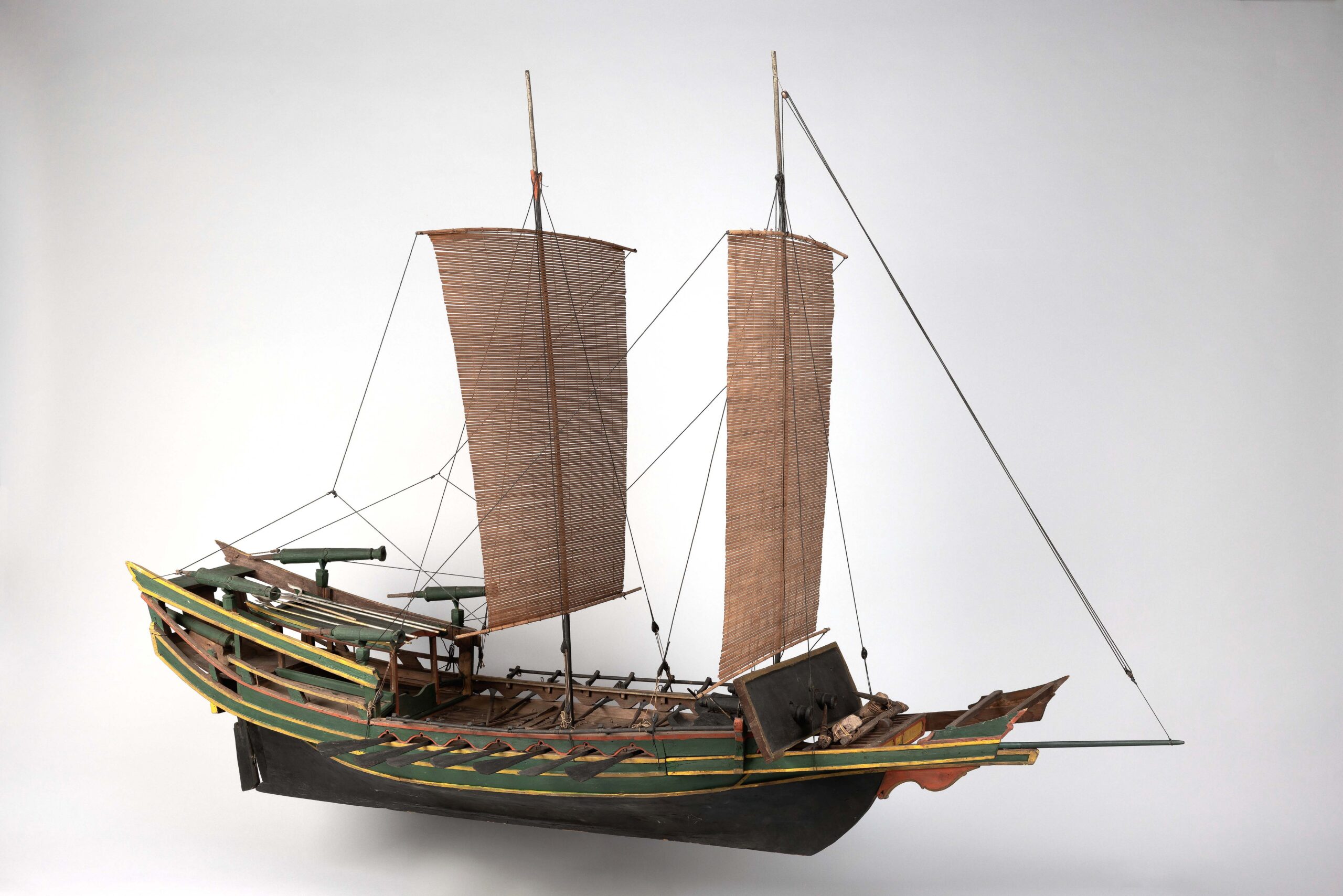
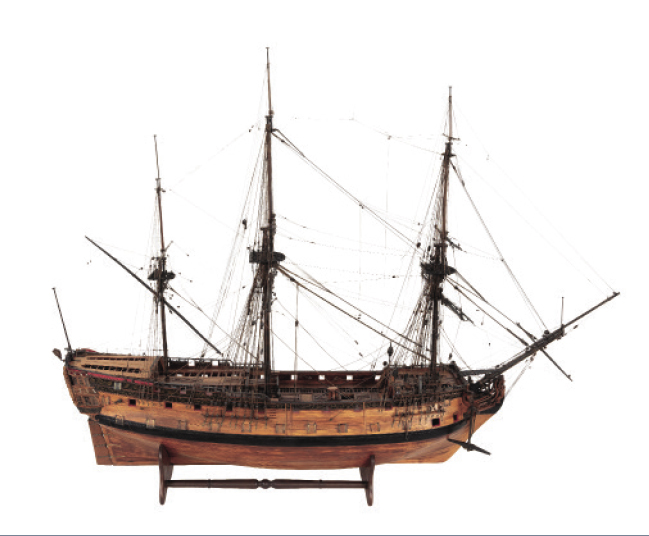
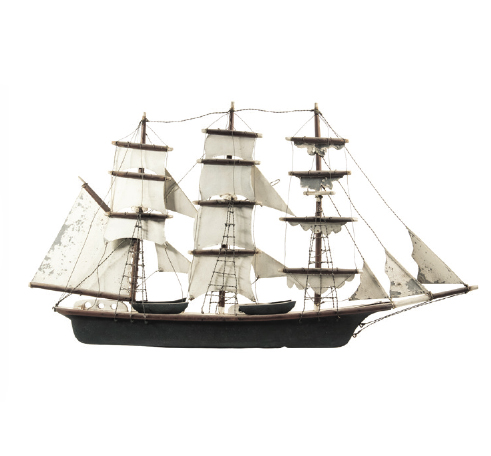
Miniature gun ship, made at Mill Prison, in 1775, by prisoner-of-war artists from the United States, worked in the United Kingdom, circa 1780, paint, metal, paper and wood. Gift of S.C. Pitman, 1833. M520. Peabody Essex Museum.
The objects are mounted in a way that is more of a complex, interesting and visually engaging presentation than standard display cases, but the sum of the total is more than its pieces. It’s not meant to be a period room, rather it’s an evocation of the Nineteenth Century cabinet of curiosities the mariners first presented to the townsfolk. “If you walk into the hall next week, each individual object is cool and curious and wonderful to look at, but the Hall itself is really a work of art in itself,” Finamore shared. “I expect that a lot of people will just gasp when they see what the Hall looks like. It’s a beautiful piece of architecture with arched windows on one side and five arched windows on the other.”
While the original views of Salem Harbor have been obstructed by the new wing in back, an 1806 painting of the harbor has been installed over the windows with scrims to help people feel they are back in 1826 and viewing the harbor, he added.
A mix of historic and contemporary cases stage many of the objects on view, making the objects stand out as they never did before. Wall text labels are largely absent in the reinstalled space, as such things didn’t exist in the Nineteenth Century, Finamore explained. And with more than 430 objects, the labels would entirely cover the walls and not be a practical way of conveying information. Visitors can walk around the gallery with a book to access some information, including the basic cataloging of the item — where and when it’s from and who donated it — but for more of the object’s history, inquiring minds are encouraged to access the audio stories by scanning QR codes with their phones.
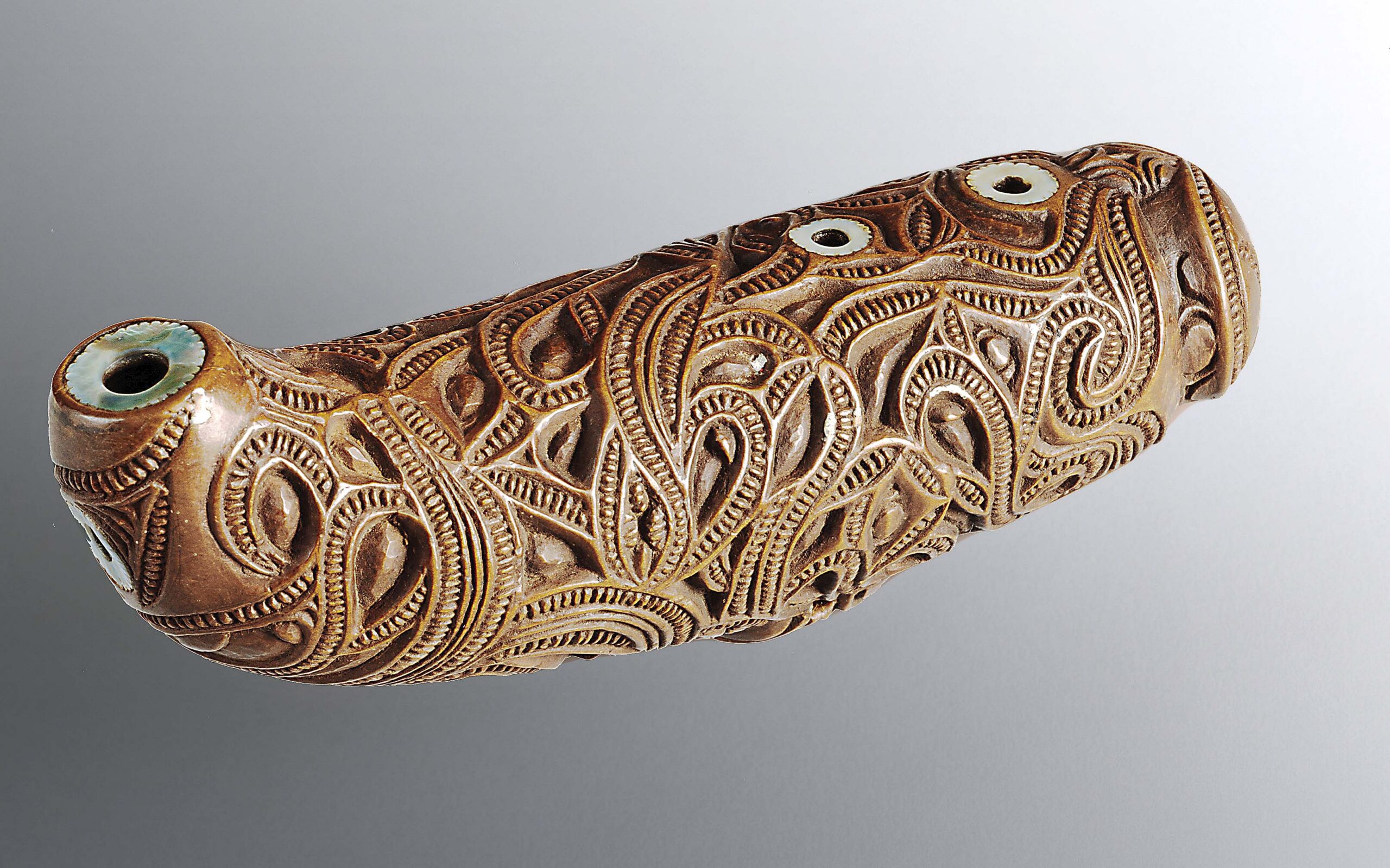
Nguru (nose flute) by a Māori artist in Aotearoa (New Zealand), 1800-07, wood, abalone shell and shell. Gift of Captain William Richardson, 1807. E5520. Peabody Essex Museum. Photo by Jeffrey R. Dykes/PEM. Note the intricately carved pattern and the mother-of-pearl details.
For about 36 of the objects, multiple perspectives shed new light on objects that might have been simply a curiosity when taken out of its original context. A nguru (nose flute), made of wood and abalone shell flute by a Māori artist in Aotearoa (New Zealand) circa 1800-07, and donated by Captain William Richardson in 1807, is one of these. “With the Māori nose flute from New Zealand, we can tell the story in text, the museum’s documentation of what it is and where it’s from and who brought it back and what people might have said about it in the Nineteenth Century, including newspaper reports or writing about it in somebody’s diary,” Finamore explained. Carnes was one of the first American traders to trade goods with the Polynesians, bringing home cargo hulls full of silks, teas, cotton and spices, but also interesting objects like this flute.
“We’ve also connected with people around the world who are cultural practitioners, curators, historians, artists, activists and so on, related to these culture areas, and we’ve recorded their voice descriptions and discussions of the objects, so that in regard to the Māori nose flute, we connected with a fellow who knows a lot about the history of Māori, when these things would be played, why they would be played, what they sounded like… and the history behind these objects and why they’re interesting and then he goes on and plays it.”
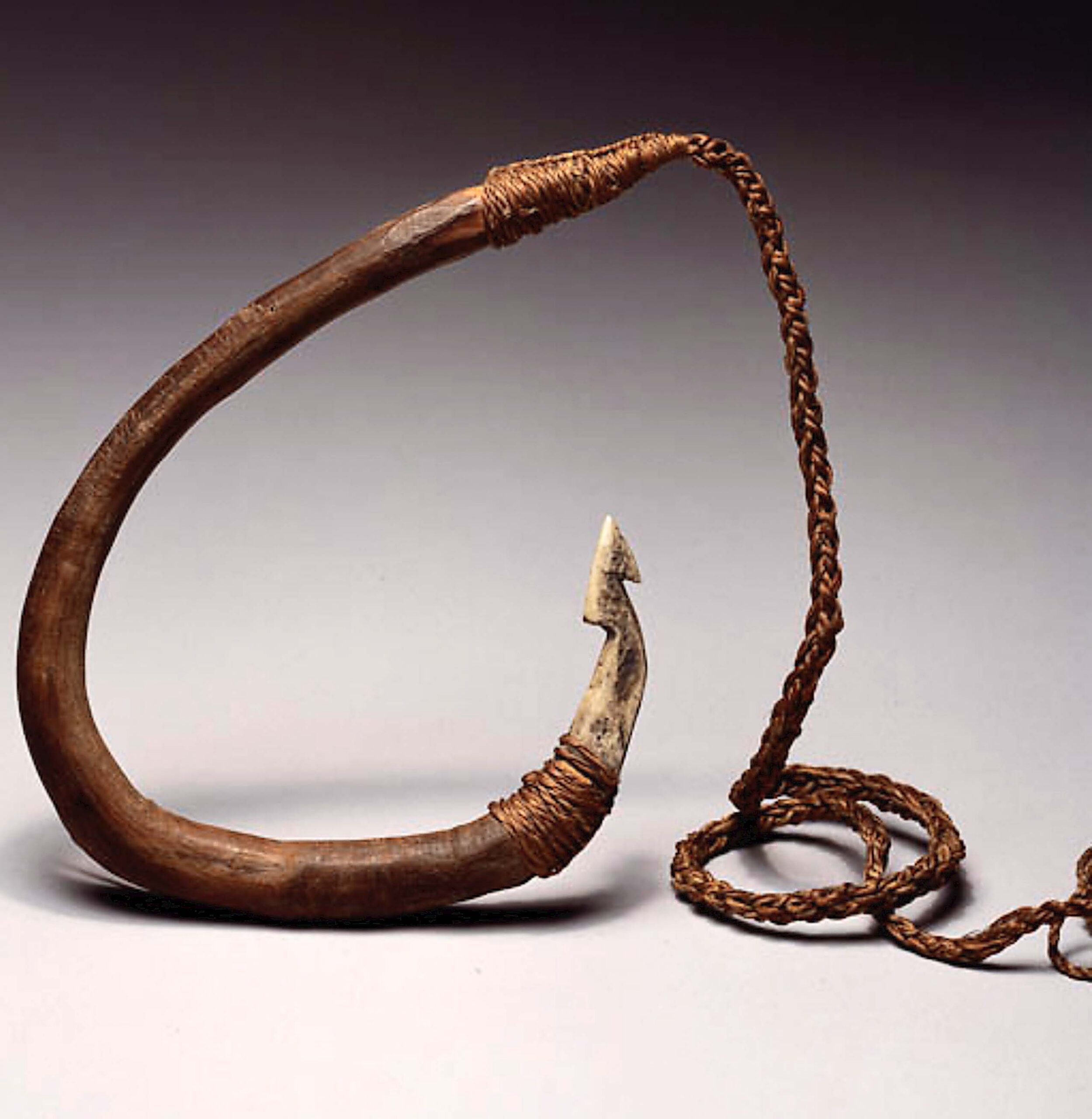
Fishhook by a Māori artist in Aotearoa (New Zealand), early 1800, flax, wood, and bone. Gift of Daniel Ward, 1802. E5629. Peabody Essex Museum.
Instead of being a static object to look at, a ghostly artifact from a past time, the flute comes to life again through a multimedia presentation. Such is true for the other objects in the East India Marine Hall. In the 1790s, Salem merchants were helping open up American trade routes with India, and objects were sent back and forth. Some objects are on display with letters that were written by the Indian merchants to the Salem merchants saying things like, “Give my love to your family, and here is a gold bracelet to give to your wife,” described Finamore. Such information adds a personal story to the objects on display.
Finamore said visitors can spend an hour in the hall, look at 30 objects, if they choose to, and learn about them, or pass through in ten minutes on their way to one of the museum’s changing exhibitions. “And each time, you will see different things so I’m very confident saying that for years to come, people who are regular visitors to the museum will continue to discover things that are on display in the gallery that they had never either seen or paid attention to in the past.”
The Peabody Essex Museum is in East India Square at 161 Essex Street. For information, www.pem.org or 978-745-9500.