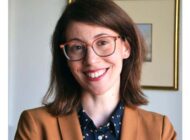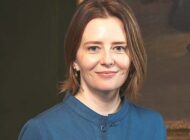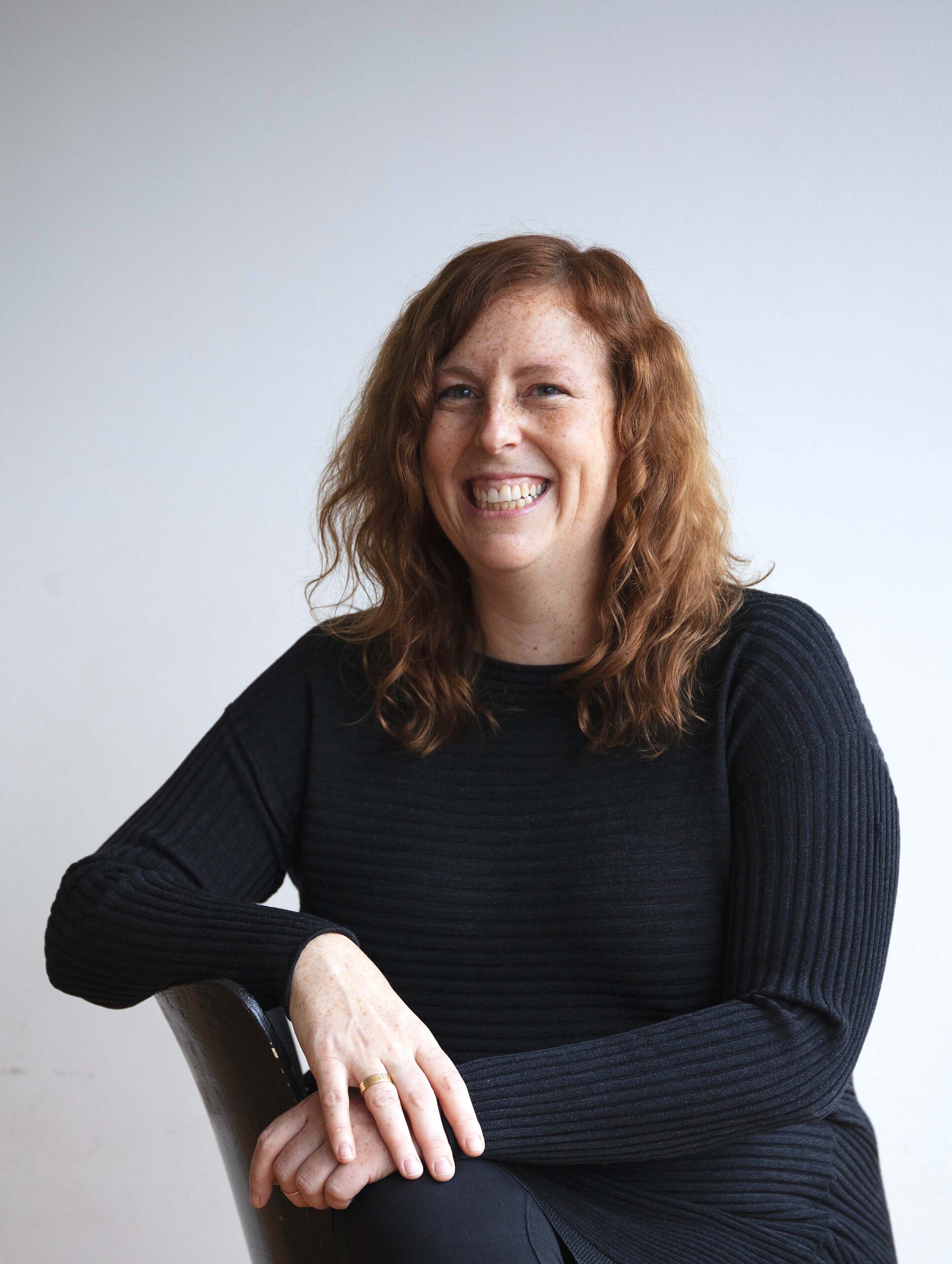
Courtenay Finn was recently appointed chief curator of Crystal Bridges Museum of American Art and the Momentary in Bentonville, Ark., formally stepping into the role at the end of August. She joined the museum from the Orange County Museum of Art (OCMA) where she served as chief curator and director of programs. Learning of her appointment — especially so soon after the opening of the museum’s 114,000-square-foot expansion this summer — we spoke with Courtenay to hear more about her plans with Crystal Bridges.
Congratulations on being named chief curator! How was your first month at Crystal Bridges?
My first month has been incredible. Everyone has been so warm, welcoming and generous with their time, inviting me in and making me feel part of the team. I moved to downtown Bentonville, so I have been enjoying walking the art trails as part of my commute to the museum and soaking up the truly extraordinary collection and the incredible landscape that Northwest Arkansas has to offer.
Can you share a little about your background and the journey that led you here?
I grew up outside the US, living in Brazil, Hong Kong, England and Switzerland and my journey in the art world starts on the studio side. I have always loved art and became especially enamored with craft histories and practices, earning a BFA in fiber and material studies at the Cleveland Institute of Art (CIA). From there, I began to spend countless hours in other folks’ studios, talking to my peers about their work and why they were making it. My incredible professors at CIA encouraged me to organize exhibitions and write about art, opening up the idea of curatorial practice as an extension of creative work.
From there, I went to graduate school for curatorial practice at the California College of Arts (CCA) and have never looked back. As a contemporary curator, I love spending time with artists, learning about their practices and collaborating with them on sharing their work with audiences. I see exhibition making as storytelling in space, something that is embodied in Crystal Bridges’ approach to their collection and spaces — all of which makes this new position an exciting next step!
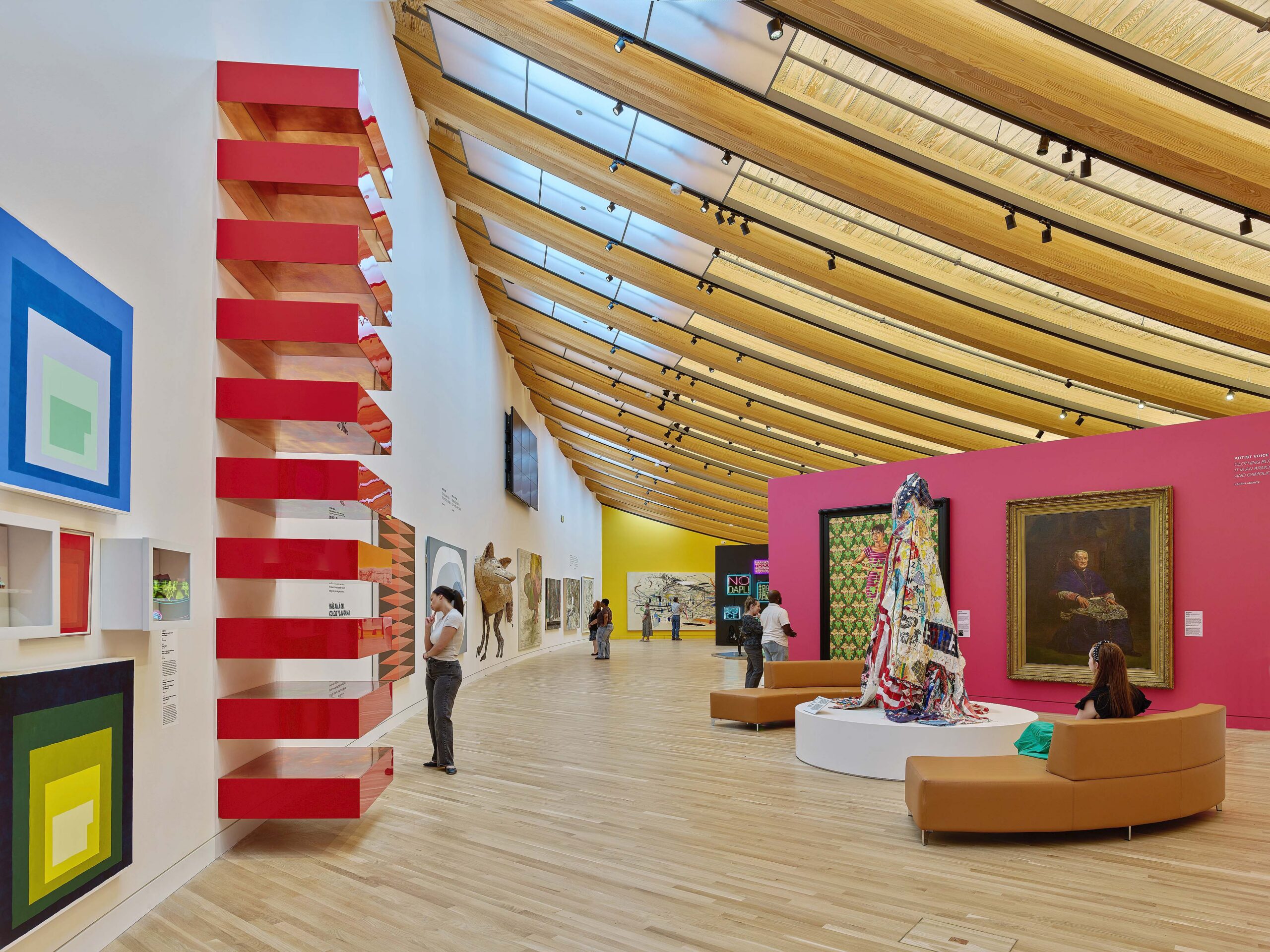
New contemporary American art gallery with guests ©Tim Hursley.
In your previous role at OCMA, you were part of a building transition, and now you’ve joined Crystal Bridges following their major expansion. Does the recent expansion of the museum add any challenges to the role that may not be there when stepping into a curatorial role at a different time?
The expansion adds an amazing amount of additional space to the museum, not just on the exhibition and gallery side, but also for learning, engagement and hands-on art making. This opens up great creative opportunities for how to program for audiences in ways that support their visit to the museum, thinking about how to engage folks with art and artist voices in new ways. I am thinking a lot about accessibility and how to support our audience as human beings, ensuring we have spaces for rest and meditation, balanced with opportunities to make, react and engage with the work on view. A new building or an expansion of this scale offers up so much potential to reengage with our audience and think about what could be generative for them in their museum experience.
How did your experience with OCMA prepare you to take on these challenges?
My time at OCMA prepared me greatly for these opportunities as I was able to be part of an extraordinary team that, in opening a new building, was able to think deeply about all facets of art and audience, rooting our work in collaboration, creativity and curiosity. Working from the ground up with the amazing learning & engagement, visitor services and curatorial teams, we built a foundation that emphasized learning equally from artists and our publics. This is the very same ethos that Crystal Bridges was built on. The difference here is scale and context, so I am excited to dive headfirst into the larger region, exploring the amazing landscape and really understanding who our audience is and what might support their experience with art.
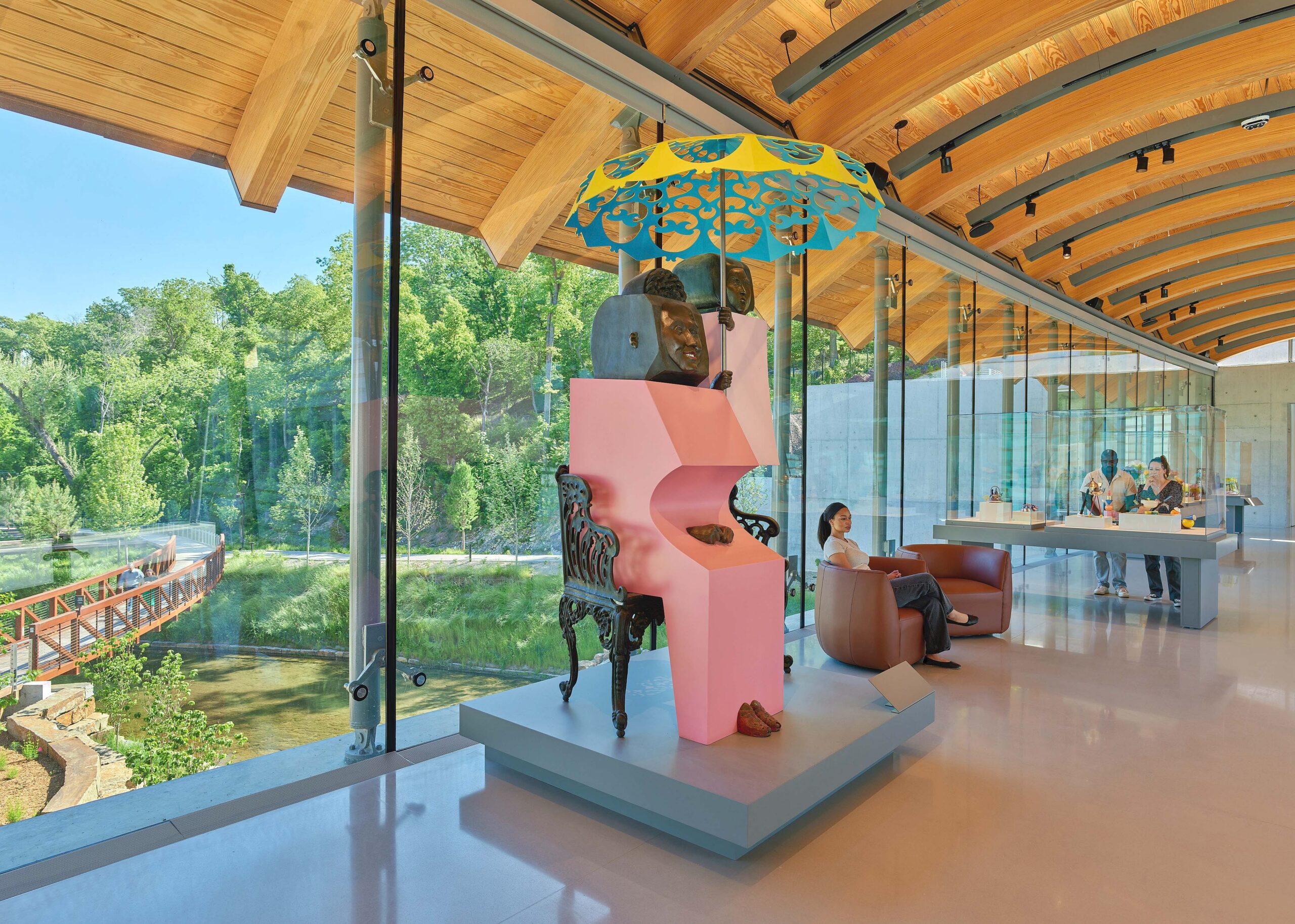
New Bridge Gallery with views of north entrance trails ©Tim Hursley.
Does Crystal Bridges work alongside the missions of Art Bridges Foundation? In what capacity?
Yes, Crystal Bridges and Art Bridges are great partners, and the work is built along the same values and goals, to make art more accessible to more folks. We work closely, whether is it on acquisitions, loans through the partner network, peer-to-peer collaboration on our larger ecosystem here in Bentonville and on the curatorial side! A great example of that is that Art Bridges’ curator and director of curatorial initiatives, Ashley Holland, is co-curating the upcoming exhibition “State of the Art 2027” alongside Crystal Bridges assistant curator, contemporary art, Victor Gomez. I am so excited for this show, which dives deep into creative practice across the country!
How involved with the Momentary will you be?
Very involved! I think the Momentary’s unique architecture and site in downtown Bentonville present so many extraordinary opportunities for artists, especially thinking about site-responsive commissions. I am the most excited to work with the team to grow the program, creating a space where you can see truly extraordinary works that you wouldn’t see anywhere else. I think it is so important to remind folks that art can and does exist everywhere, even in the most unexpected places, and I am so excited for how the Momentary can encourage artists to think bigger and more expansively in their practice.
What are some of your short-term goals in this role?
My short-term goals are really to soak up the amazing history and work that has already been done by Crystal Bridges and the Momentary — to listen, learn and lean in to continue to support the incredible work in action. There are so many projects and initiatives in progress and coming down the pipeline, so I am jumping in headfirst to work alongside the amazing team!
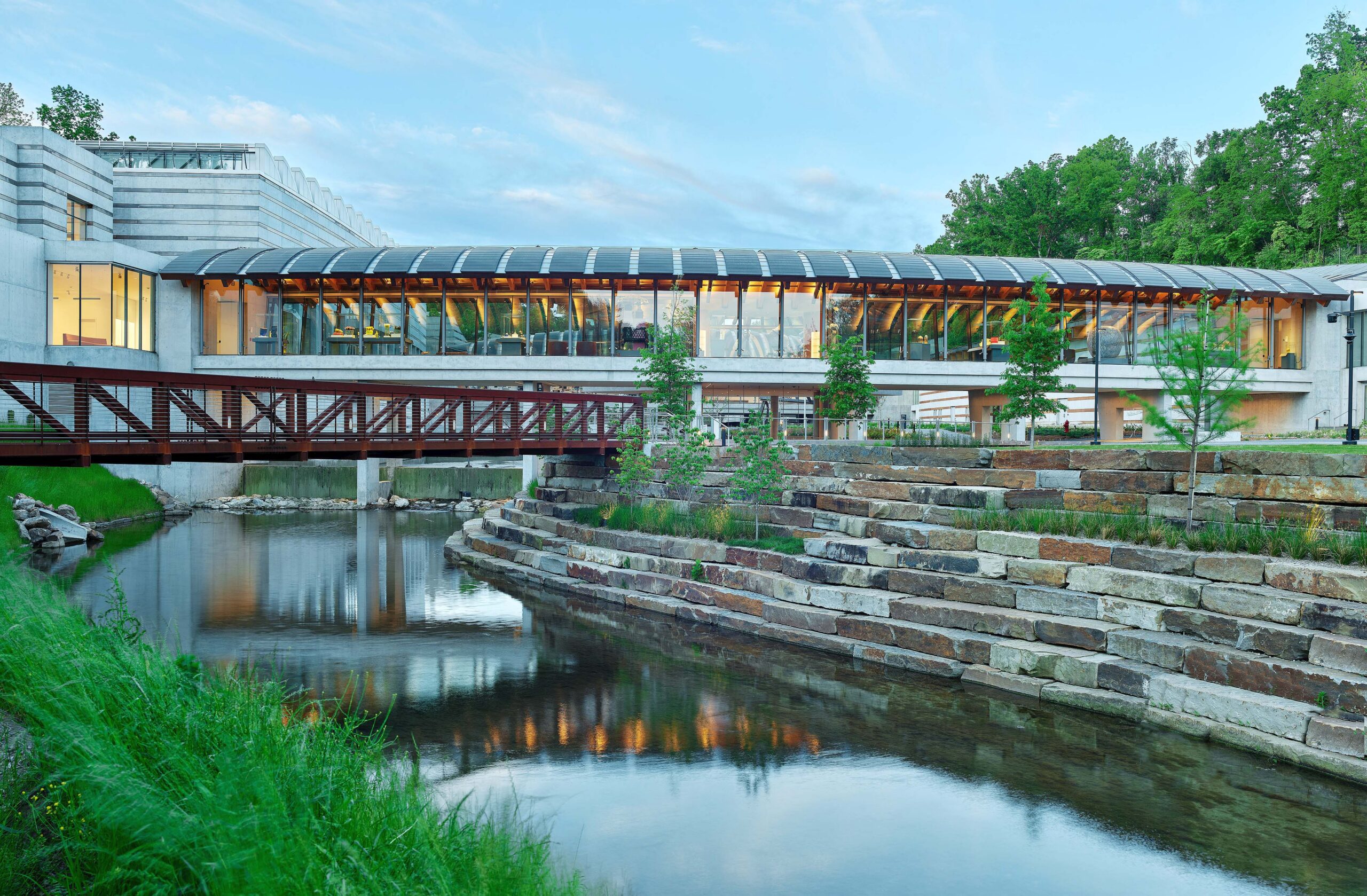
View from the north of new Bridge Gallery ©Tim Hursley.
What do you hope to achieve/develop long term?
Long-term, I hope to help to expand the collection, thinking strategically about works that would add to, compliment and increase its scope; to build and strengthen our partnerships, both across our ecosystem, but also across the country; and to collaborate with my colleagues to think about how we can continue to deepen engagement with artists and their practices. What are the stories still needing to be told? How can we continue to thoughtfully and generatively grow to ensure more access for more folks?
As chief curator, are there any projects you’re especially looking forward to?
The curatorial team is working on some truly amazing exhibitions that you will see take shape and form in 2027 and 2028 that I am very excited to support, alongside the continued growth and expansion of incredible initiatives like the Don Tyson Prize for the Advancement of American Art, which will now be an annual award! I am also excited to be part of the expanding ecosystem and to be thinking deeply about the role that art can play in the whole health space.
So far, what has been the best part of this transition?
The best thing so far has been the people! Everyone involved in the museum, the ecosystem and in Arkansas have been so open, welcoming and kind. I believe anything worth doing is only made better when done with others. I am so excited for the energy and excitement that folks have here.
—Carly Timpson